Non Resident Landlord Uk
Description


Get your form ready online
Our built-in tools help you complete, sign, share, and store your documents in one place.
Make edits, fill in missing information, and update formatting in US Legal Forms—just like you would in MS Word.
Download a copy, print it, send it by email, or mail it via USPS—whatever works best for your next step.
Sign and collect signatures with our SignNow integration. Send to multiple recipients, set reminders, and more. Go Premium to unlock E-Sign.
If this form requires notarization, complete it online through a secure video call—no need to meet a notary in person or wait for an appointment.
We protect your documents and personal data by following strict security and privacy standards.

Make edits, fill in missing information, and update formatting in US Legal Forms—just like you would in MS Word.

Download a copy, print it, send it by email, or mail it via USPS—whatever works best for your next step.

Sign and collect signatures with our SignNow integration. Send to multiple recipients, set reminders, and more. Go Premium to unlock E-Sign.

If this form requires notarization, complete it online through a secure video call—no need to meet a notary in person or wait for an appointment.

We protect your documents and personal data by following strict security and privacy standards.
Looking for another form?







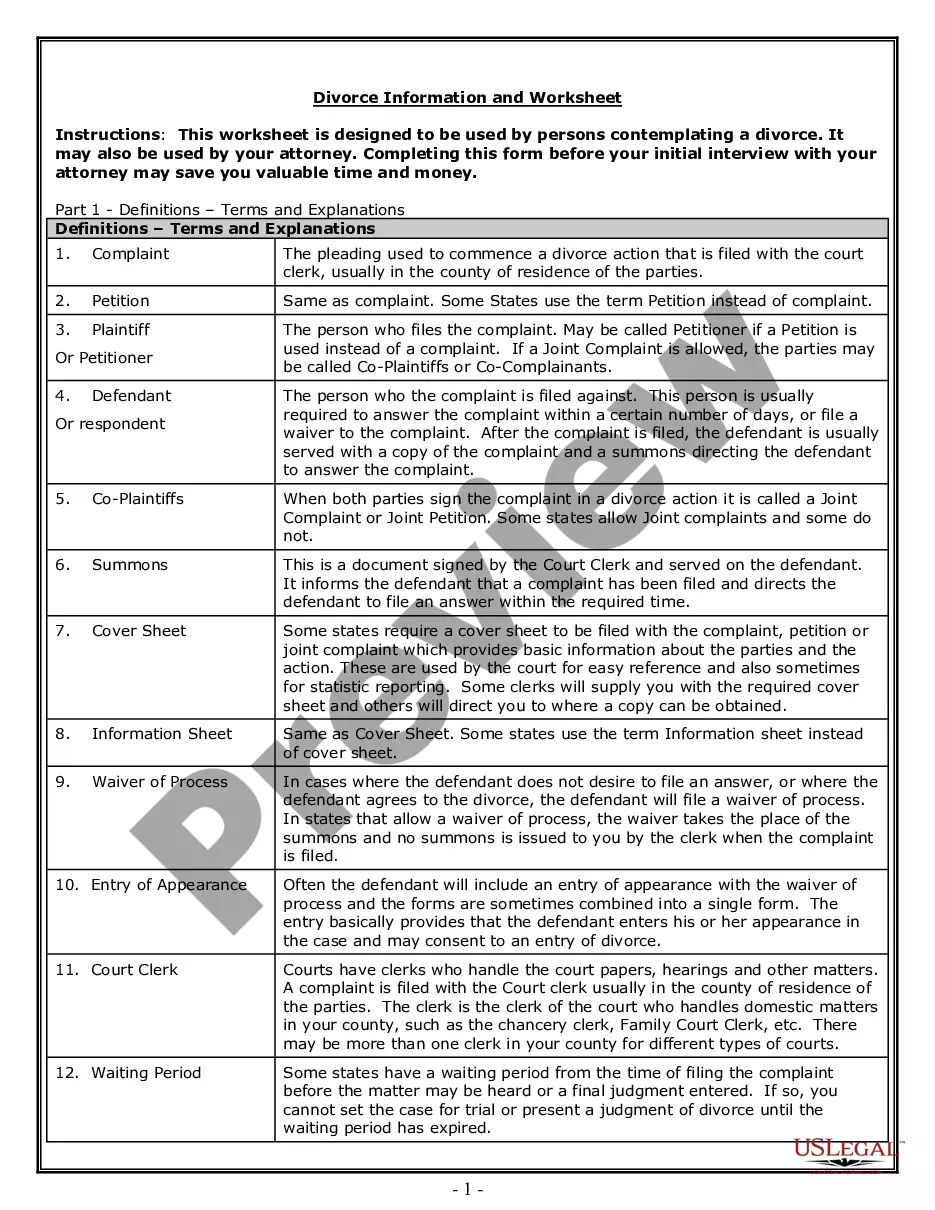
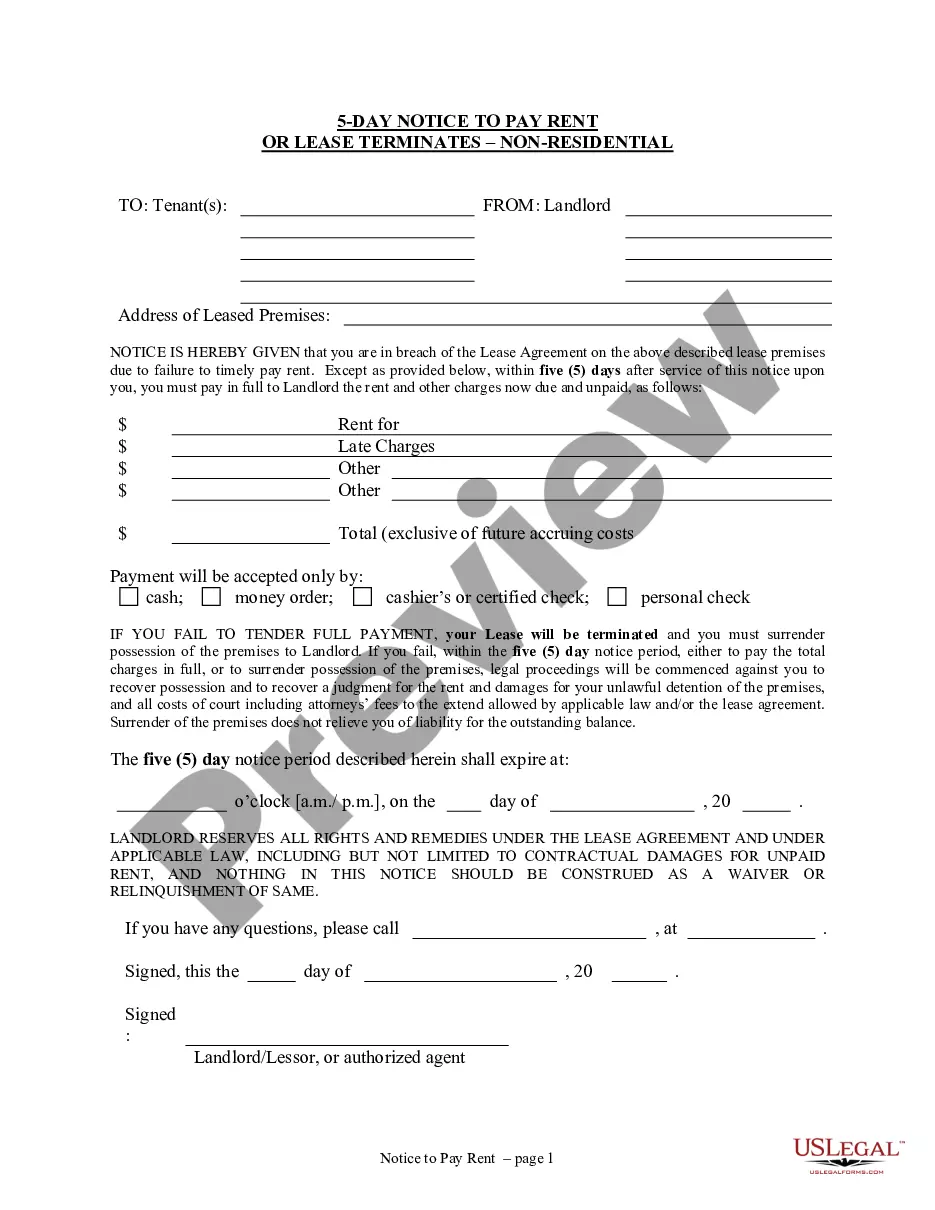
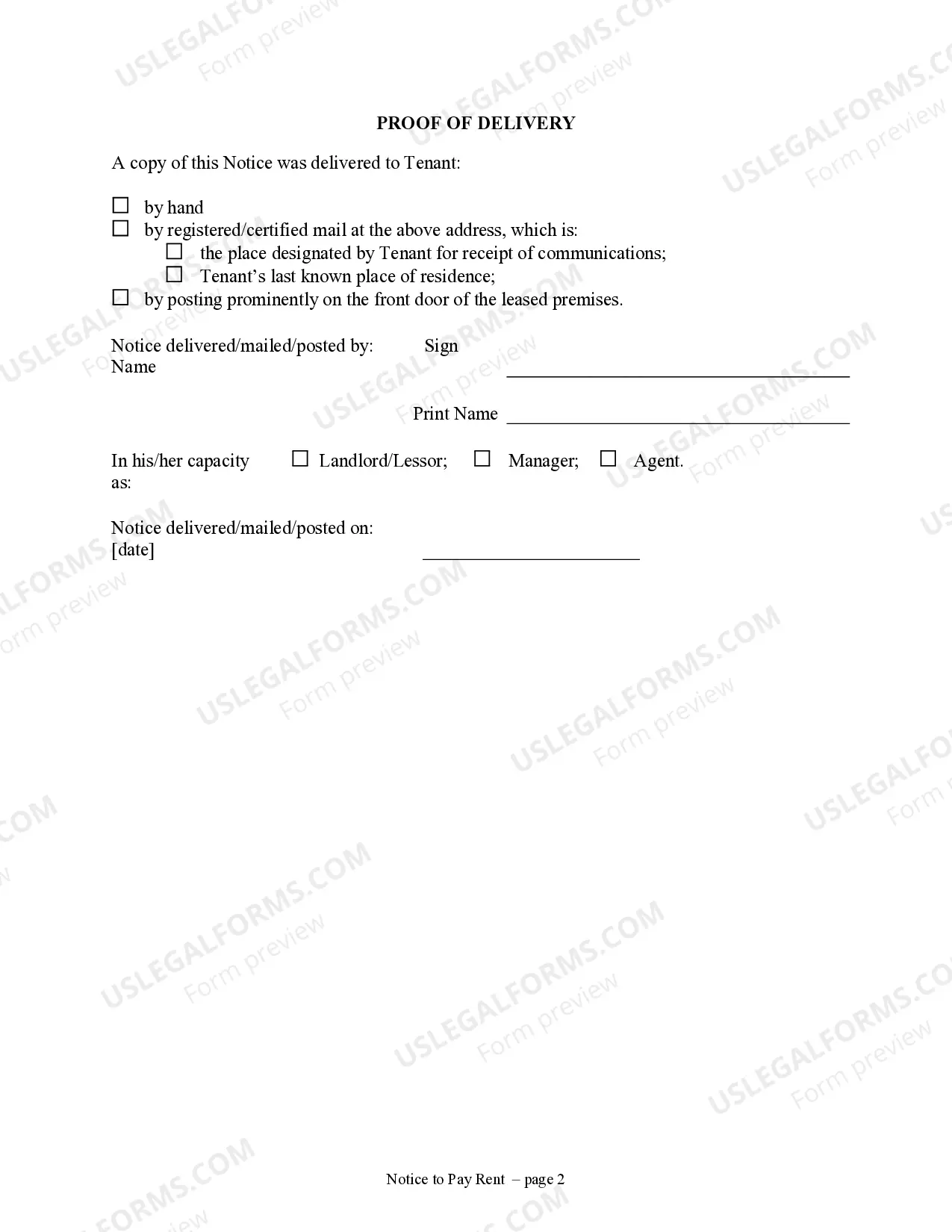
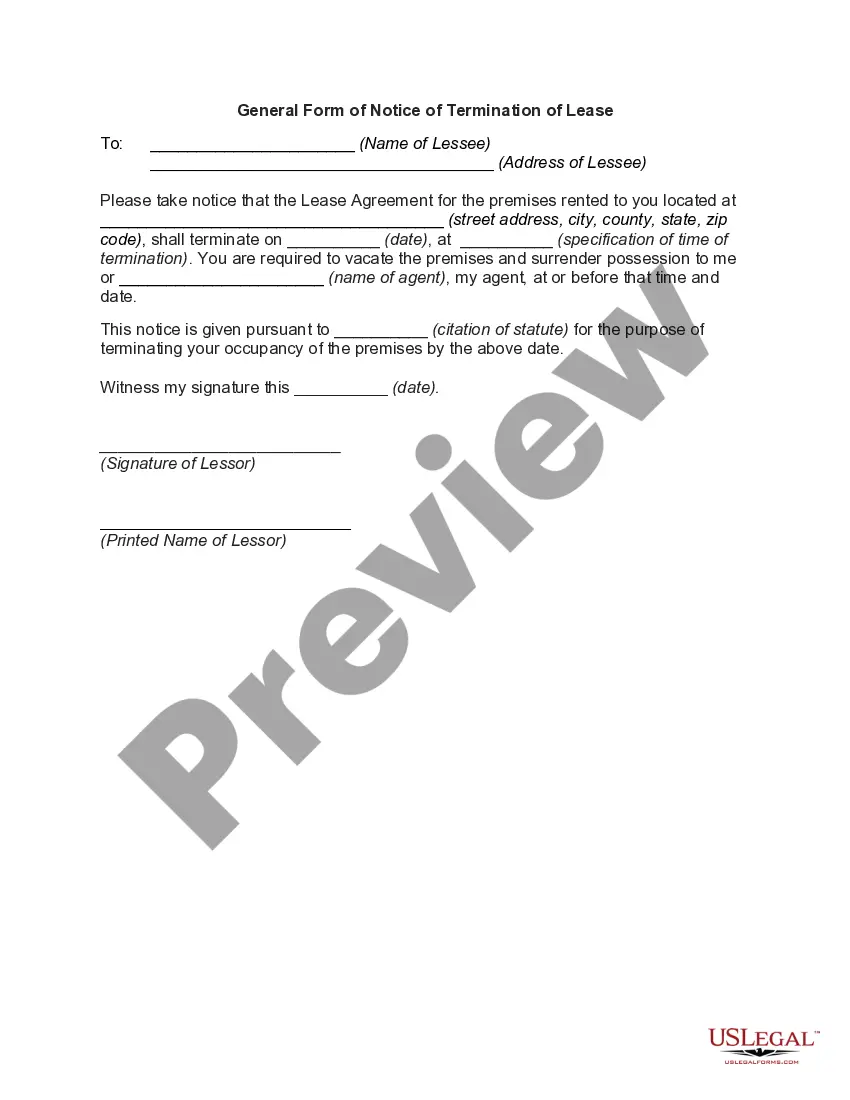
How to fill out Illinois 5 Day Notice To Pay Rent Or Lease Terminates - Nonresidential Or Commercial?
- Log into your existing US Legal Forms account to download your required form template by clicking the Download button. Ensure your subscription is active and renew it if necessary.
- Review the Preview mode and form description to confirm you have selected the appropriate document that complies with your local jurisdiction’s regulations.
- If the listed document doesn't meet your needs, use the Search tab to locate an alternative template that suits your requirements.
- Select the document by clicking on the Buy Now button and choose your preferred subscription plan. You will need to create an account to access the extensive library.
- Complete your purchase using a credit card or PayPal for the subscription fee.
- Finally, download your form to your device and access it anytime through the My Forms section in your profile.
By using US Legal Forms, you benefit from a vast collection of over 85,000 editable legal documents that ensure you are legally covered.
Take control of your landlord responsibilities today. Start utilizing US Legal Forms to simplify your legal documentation process!
Form popularity
FAQ
Applying as a non resident landlord in the UK usually involves submitting an application to HM Revenue and Customs (HMRC) or using platforms designed to facilitate this process. You must enter relevant information about your property, income, and non-resident status. Utilizing resources like US Legal Forms can simplify this process, providing you with the necessary templates and support to ensure compliance as a non resident landlord UK.
Qualifications for non-resident status typically include spending less than 183 days in the UK and demonstrating weaker personal ties compared to prior years. Additional assessments will take into account various connections you may have with the UK, such as owning property or family considerations. For landlords, knowing these qualifications helps in effectively managing your rental income and obligations as a non resident landlord UK.
To be classified as a non-resident in the UK, various criteria must be met, including the number of days spent in the country and your connections to the UK. Factors such as family, job, and available accommodations can influence your classification. Moreover, understanding these criteria is crucial for managing your obligations as a non resident landlord UK, so be sure to review your circumstances carefully.
The 5 year rule for non-residents in the UK states that if you have been a non-resident for five consecutive years, your UK property income may be taxed differently when you return. Beyond this period, your residency status might change, potentially impacting your tax obligations. Therefore, being aware of this rule is essential for anyone who may plan to return and engage in the rental market as a non resident landlord UK.
You are considered a non-resident in the UK if you spend less than 183 days in the UK during a particular tax year. Additionally, there are other factors, such as your ties to the country and previous years' residency, which can influence this status. Therefore, it is crucial to keep meticulous records of your stay in the UK. This understanding is vital for those navigating the responsibilities of being a non resident landlord UK.
To qualify as a non resident in the UK, you must meet specific criteria related to your physical presence in the country. Typically, if you spend fewer than 183 days in the UK during a tax year, you can be classified as a non resident. It's essential to keep track of your time spent in the UK to accurately determine your status. Understanding these qualifications can help streamline your responsibilities as a non resident landlord UK.
Non UK tax residents typically need to fill out the Non-Resident Landlord (NRL) Scheme form to report their rental income. Understanding what forms to complete is crucial for complying with the tax requirements related to the non resident landlord UK classification. By using reliable resources or platforms like US Legal Forms, non-residents can get the appropriate information and assistance to fill out these forms correctly. Ensuring you have the right documentation can prevent future complications.
Yes, non-resident landlords who own UK residential property may be subject to tax. The UK government applies specific tax rules to ensure that non resident landlord UK fulfill their financial responsibilities. This tax applies to rental income and capital gains from property sales. To navigate these rules effectively, landlords can rely on platforms like US Legal Forms for guidance and resources.
Typically, non-residents renting out property in the UK need to file a UK tax return. Even if you are a non resident landlord UK, you may still have tax obligations, especially on rental income. Seeking guidance from tax professionals is advisable to ensure compliance with UK laws and regulations.
Yes, you can rent a property in the UK without a visa. However, the absence of a visa may restrict certain rights related to longer-term occupancy. It's important to clarify the lease terms with landlords. Utilizing services tailored to non resident landlords UK can be very helpful.