Power Attorney For Health Care
Description
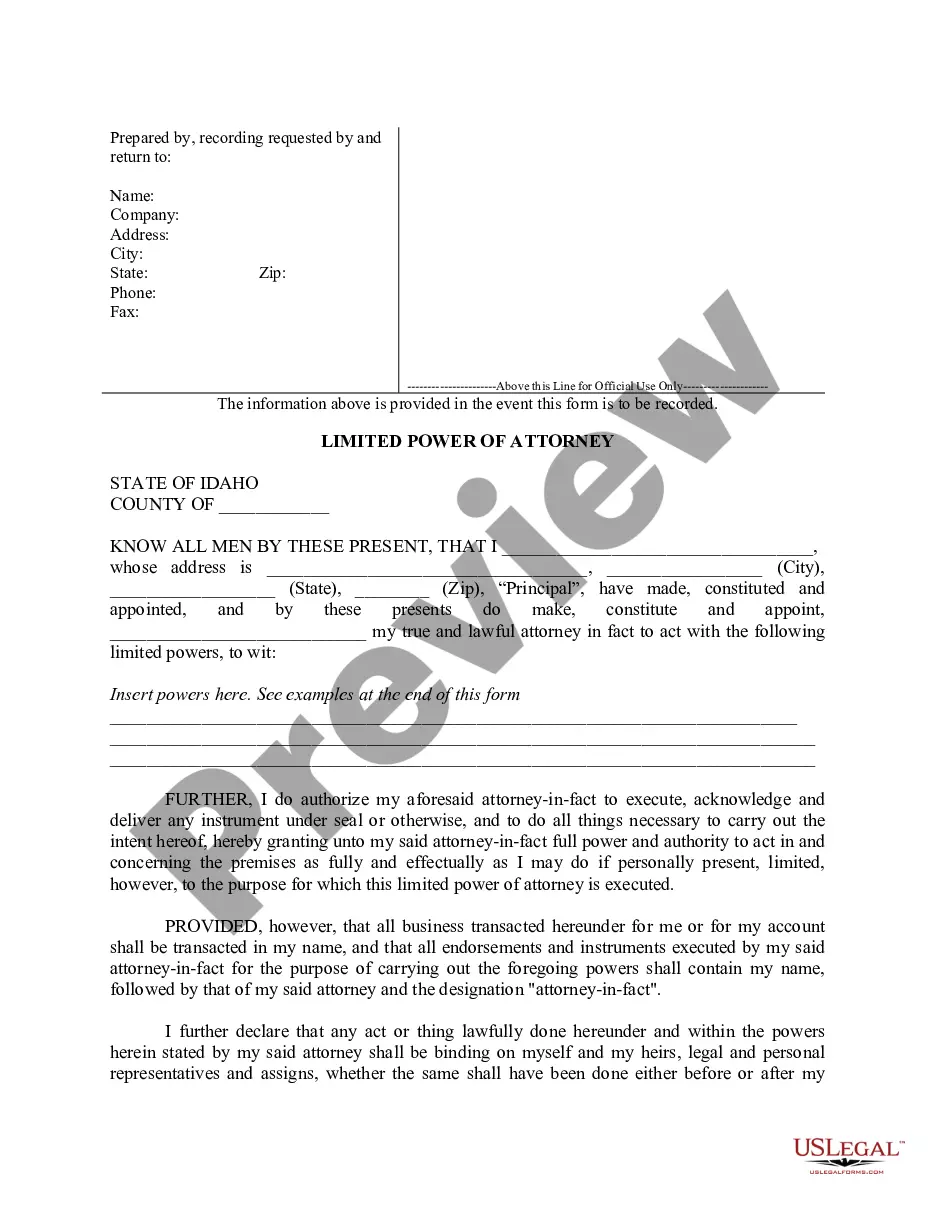
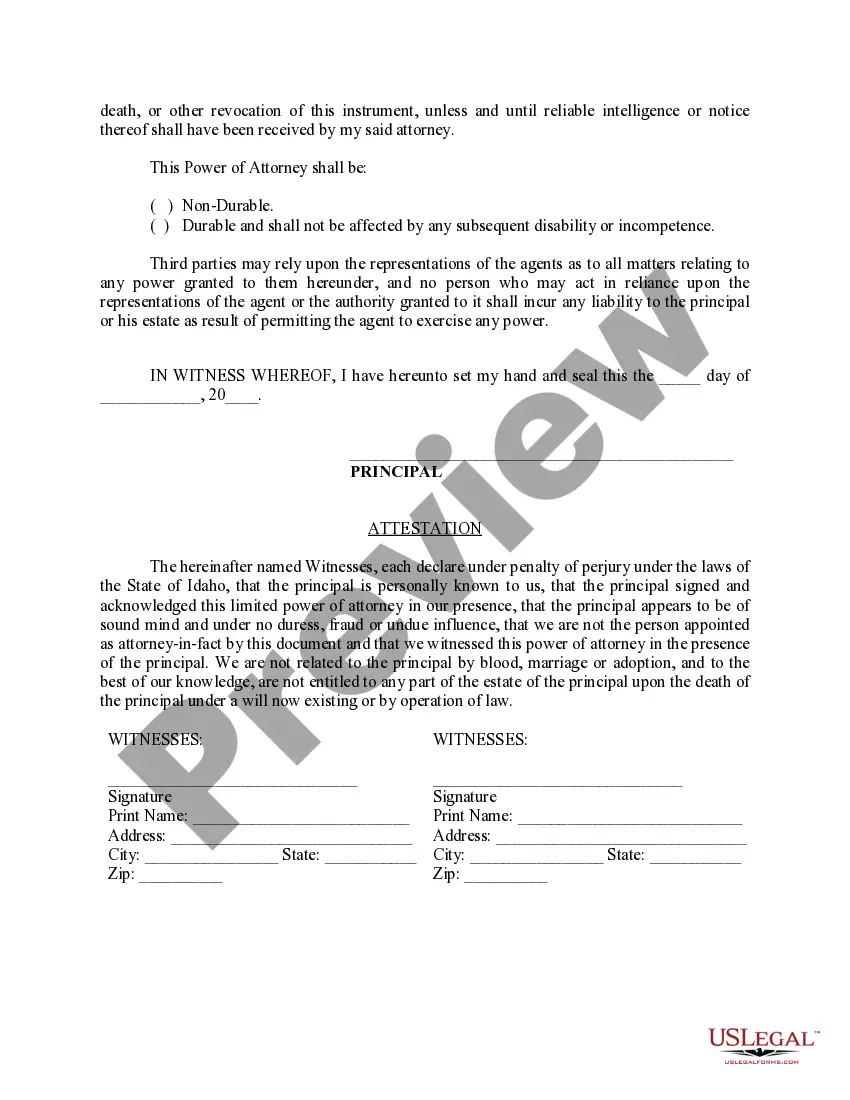
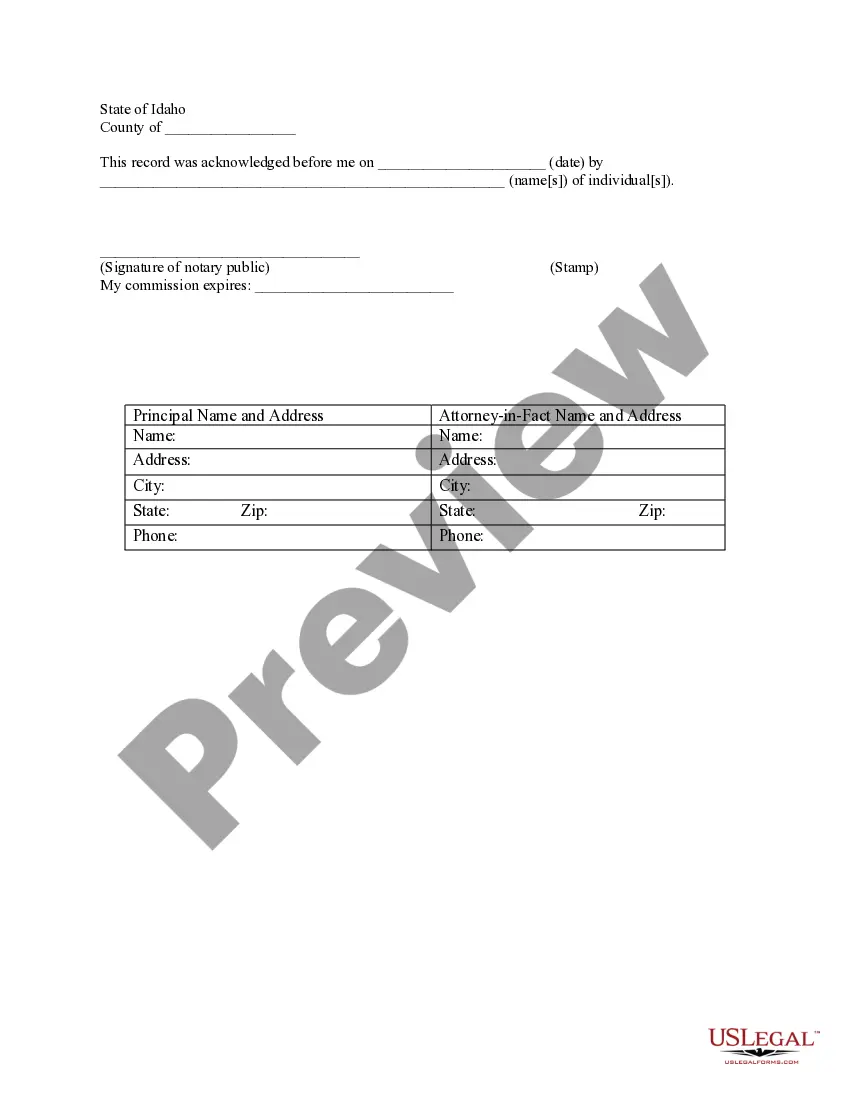
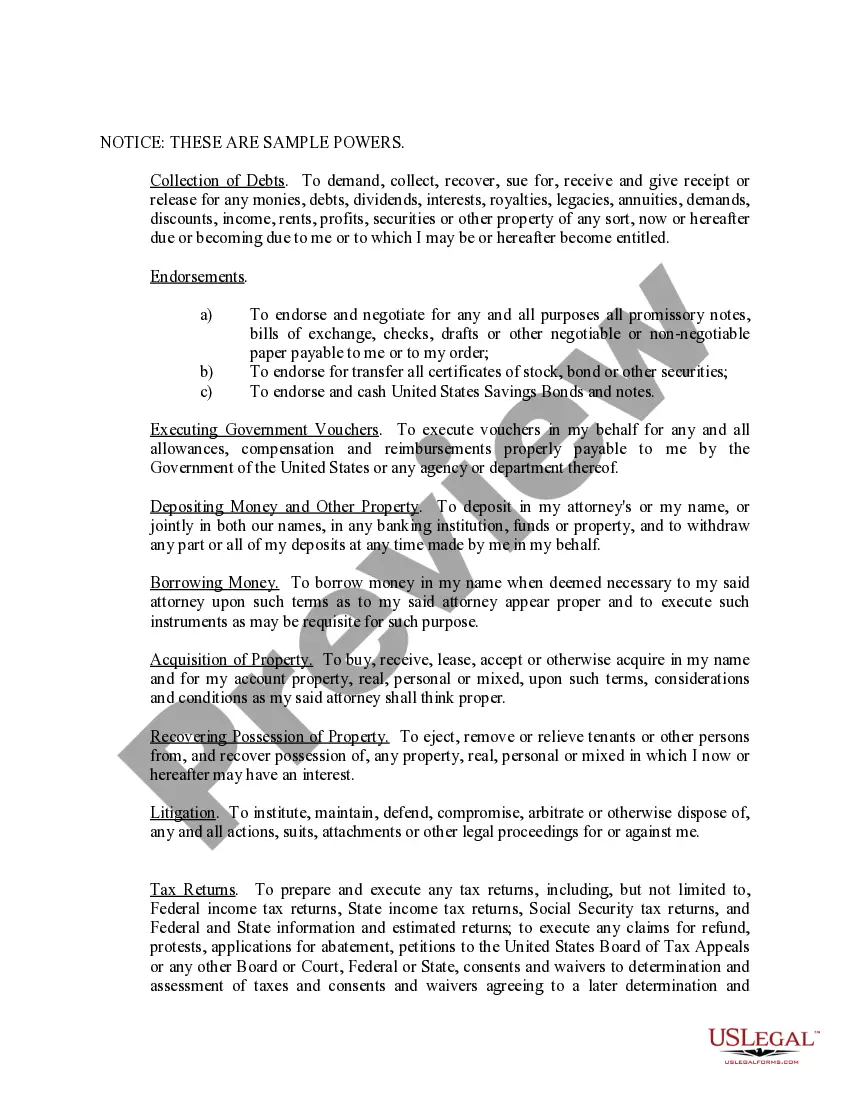
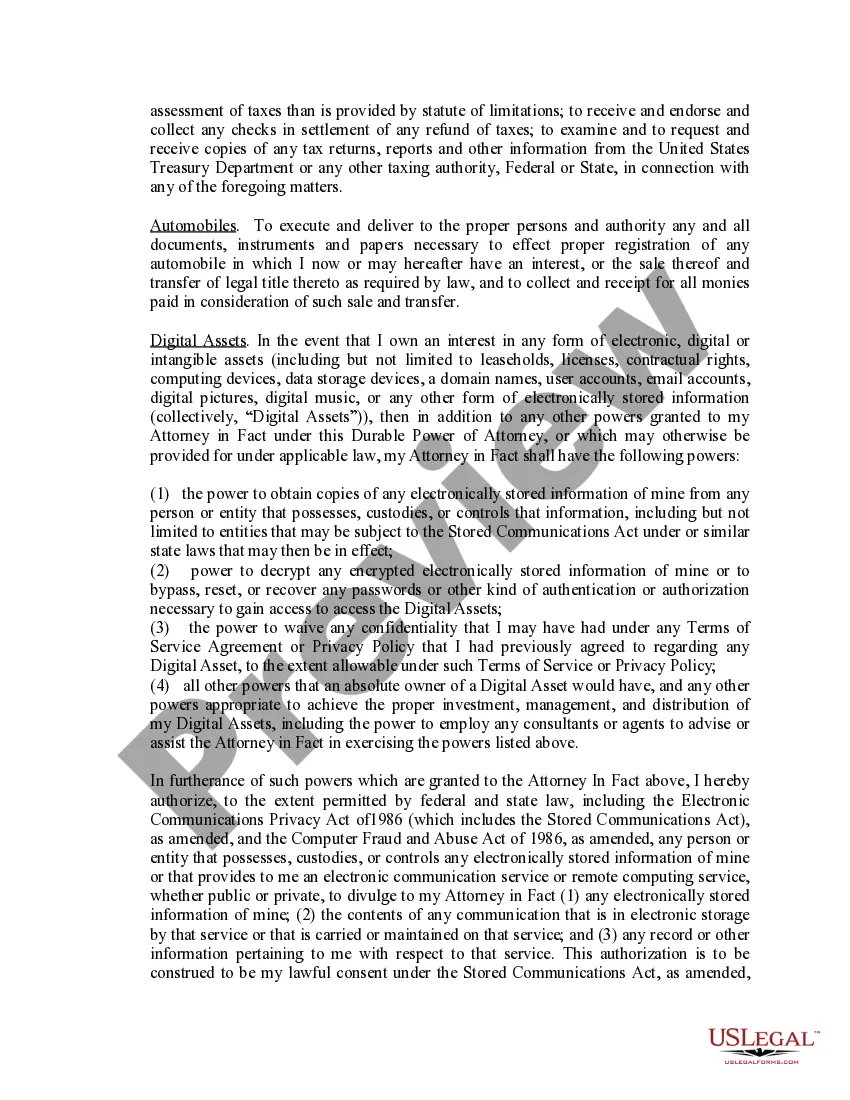

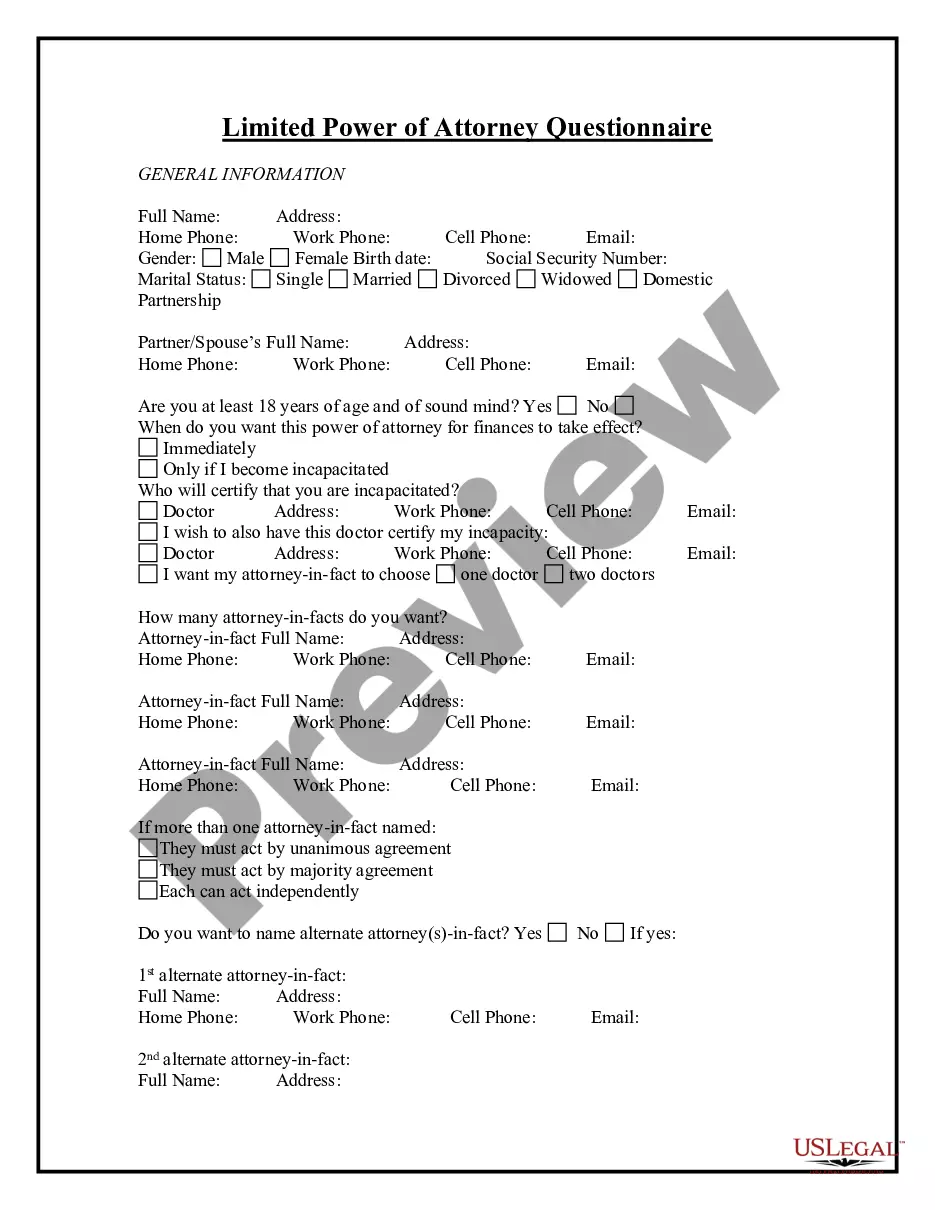
Get your form ready online
Our built-in tools help you complete, sign, share, and store your documents in one place.
Make edits, fill in missing information, and update formatting in US Legal Forms—just like you would in MS Word.
Download a copy, print it, send it by email, or mail it via USPS—whatever works best for your next step.
Sign and collect signatures with our SignNow integration. Send to multiple recipients, set reminders, and more. Go Premium to unlock E-Sign.
If this form requires notarization, complete it online through a secure video call—no need to meet a notary in person or wait for an appointment.
We protect your documents and personal data by following strict security and privacy standards.

Make edits, fill in missing information, and update formatting in US Legal Forms—just like you would in MS Word.

Download a copy, print it, send it by email, or mail it via USPS—whatever works best for your next step.

Sign and collect signatures with our SignNow integration. Send to multiple recipients, set reminders, and more. Go Premium to unlock E-Sign.

If this form requires notarization, complete it online through a secure video call—no need to meet a notary in person or wait for an appointment.

We protect your documents and personal data by following strict security and privacy standards.
Looking for another form?



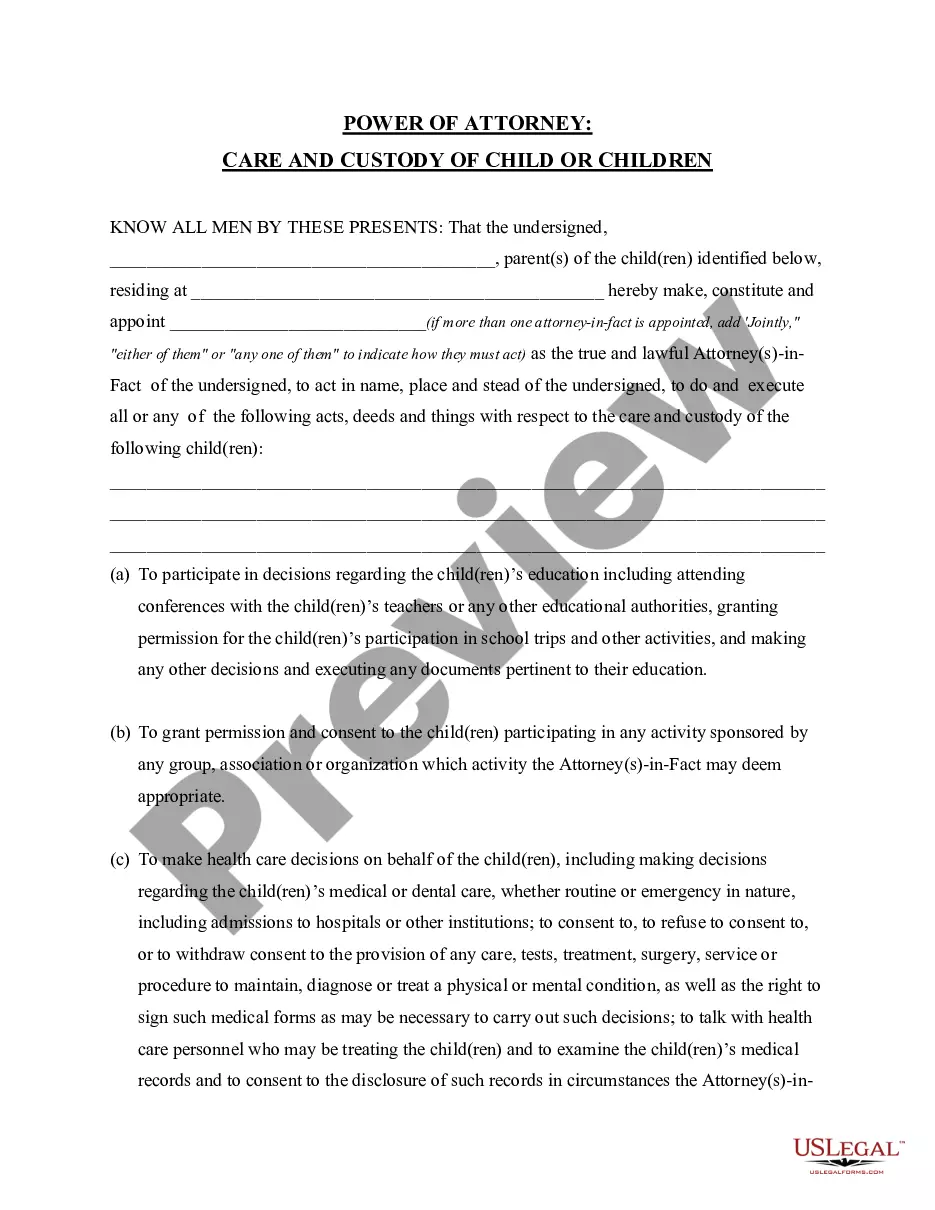



How to fill out Idaho Limited Power Of Attorney Where You Specify Powers With Sample Powers Included?
- If you are an existing user, log in to your account to download the required form by clicking the Download button. Ensure your subscription is active; renew if necessary.
- For new users, begin by checking the Preview mode and description of the health care power of attorney form to confirm it meets your needs and adheres to local jurisdiction requirements.
- If you find any mismatches or require a different template, utilize the Search tab to find the appropriate form that aligns with your specific situation.
- Once you've identified the correct document, click the Buy Now button and select your preferred subscription plan. Registration is required for full library access.
- Complete your purchase by entering your payment details, either via credit card or PayPal.
- After the transaction, download the form to your device for easy access. You can also revisit it anytime through the My Forms section of your profile.
US Legal Forms not only provides a robust collection of over 85,000 forms, but it also ensures users have the support they need for precise and legally sound documents.
Equip yourself today with the right power attorney for health care to safeguard your medical wishes. Explore US Legal Forms now!
Form popularity
FAQ
A health care representative is an individual you appoint to make health-related decisions on your behalf when you cannot. In contrast, a power attorney for health care formalizes this relationship, granting specific authority to your representative. While both roles focus on health care decisions, a power attorney for health care provides legal documentation that may be necessary in emergencies. Understanding these differences ensures you make informed decisions about your health care preferences.
In healthcare, POA stands for power of attorney, which is a legal directive allowing an appointed individual to make healthcare decisions for you if you become incapacitated. This arrangement is crucial because it provides clarity and direction on your medical choices when you cannot voice them. Establishing a power attorney for health care ensures that your wishes are respected and followed in critical situations.
A power of attorney (POA) is a legal document that appoints someone to act on your behalf in various matters, including healthcare. A healthcare representative specifically focuses on medical decisions, while a POA can extend to both financial and healthcare issues. When setting up a power attorney for health care, it’s important to designate someone who understands your medical values and preferences.
The main difference lies in the legal authority granted. A representative may help guide decisions but may not have the same legal backing as a power of attorney. When you establish a power attorney for health care, you grant specific rights to someone to make health-related decisions on your behalf, making it a more formal and significant role.
A healthcare representative is an individual appointed to make medical decisions on behalf of someone who can no longer communicate their wishes. This role is essential, as it ensures that the person's healthcare preferences are honored. Understanding the role of your healthcare representative is vital when creating a power attorney for health care, as it helps clarify who will advocate for your medical choices.
To fill out a power of attorney letter, start by identifying yourself and the agent you wish to designate. Clearly state the powers you grant, particularly in health care decisions. Ensure that you include any specific instructions and sign the document in the presence of witnesses, if necessary. Utilizing uslegalforms can simplify this process, providing you with an easy-to-follow template tailored for your state.
A medical power of attorney allows the agent to make health care decisions on your behalf, but there are limitations. For instance, your agent cannot make decisions that exceed the scope defined in the document. Additionally, they cannot make decisions regarding your finances, which may require a separate durable power of attorney. To avoid confusion, clearly outline the authority granted in your power attorney for health care.
One of the primary downfalls of a power of attorney for health care is the potential for abuse by the designated agent. If the agent is not trustworthy, they could make decisions that do not align with your wishes. Moreover, a poorly drafted document may lead to confusion about the agent’s authority. It's essential to choose a reliable agent and utilize resources like uslegalforms to create a well-structured document.
To create a power of attorney for health care in Pennsylvania, you must be at least 18 years old and of sound mind. The document should be in writing, signed by you, and witnessed by two adults who are not related to you or your agent. Additionally, including specific language that grants authority in health care decisions will provide clarity. For ease of creation, uslegalforms offers templates to help ensure compliance with local regulations.
A health care power of attorney specifically grants someone the authority to make medical decisions on your behalf if you are unable to do so. In contrast, a durable power of attorney empowers an agent to manage financial and legal matters regardless of your capacity. While both documents are crucial, their scope and focus differ significantly. It's wise to have both types of power attorney in place for comprehensive planning.