Idaho Landlord Tenant Without Reason
Description


Get your form ready online
Our built-in tools help you complete, sign, share, and store your documents in one place.
Make edits, fill in missing information, and update formatting in US Legal Forms—just like you would in MS Word.
Download a copy, print it, send it by email, or mail it via USPS—whatever works best for your next step.
Sign and collect signatures with our SignNow integration. Send to multiple recipients, set reminders, and more. Go Premium to unlock E-Sign.
If this form requires notarization, complete it online through a secure video call—no need to meet a notary in person or wait for an appointment.
We protect your documents and personal data by following strict security and privacy standards.

Make edits, fill in missing information, and update formatting in US Legal Forms—just like you would in MS Word.

Download a copy, print it, send it by email, or mail it via USPS—whatever works best for your next step.

Sign and collect signatures with our SignNow integration. Send to multiple recipients, set reminders, and more. Go Premium to unlock E-Sign.

If this form requires notarization, complete it online through a secure video call—no need to meet a notary in person or wait for an appointment.

We protect your documents and personal data by following strict security and privacy standards.
Looking for another form?



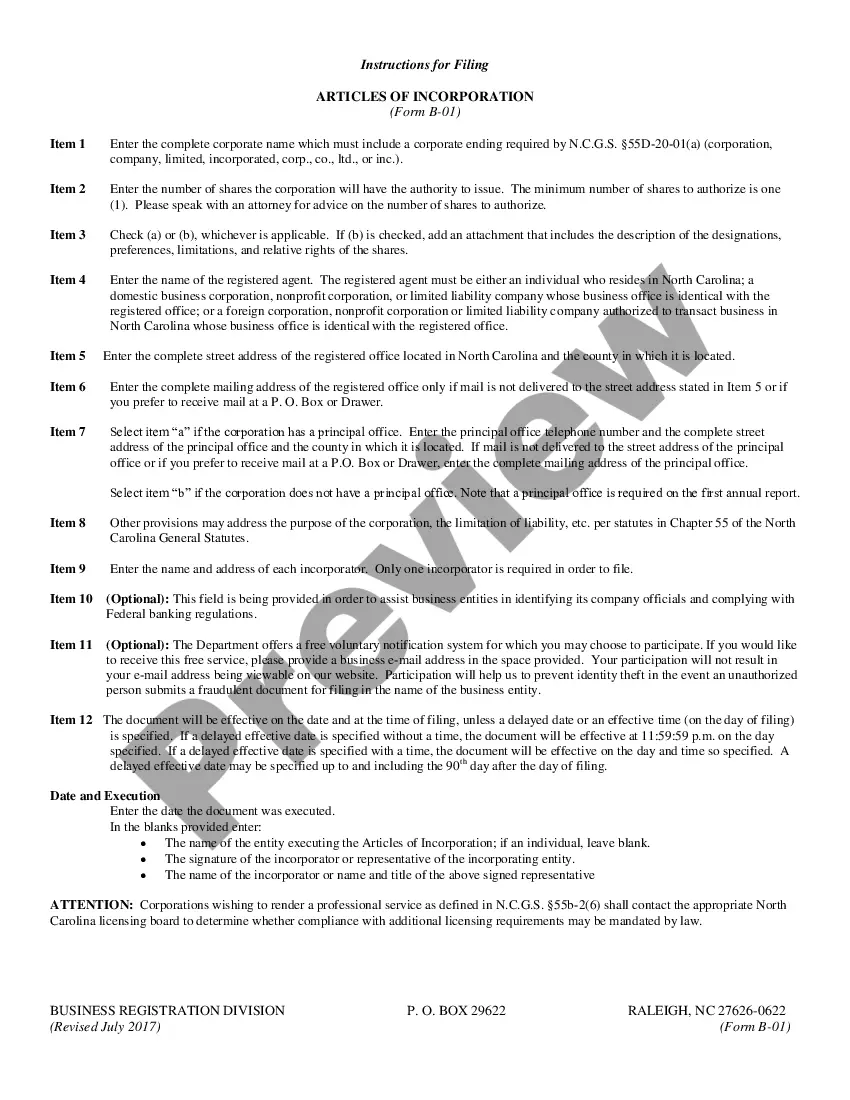





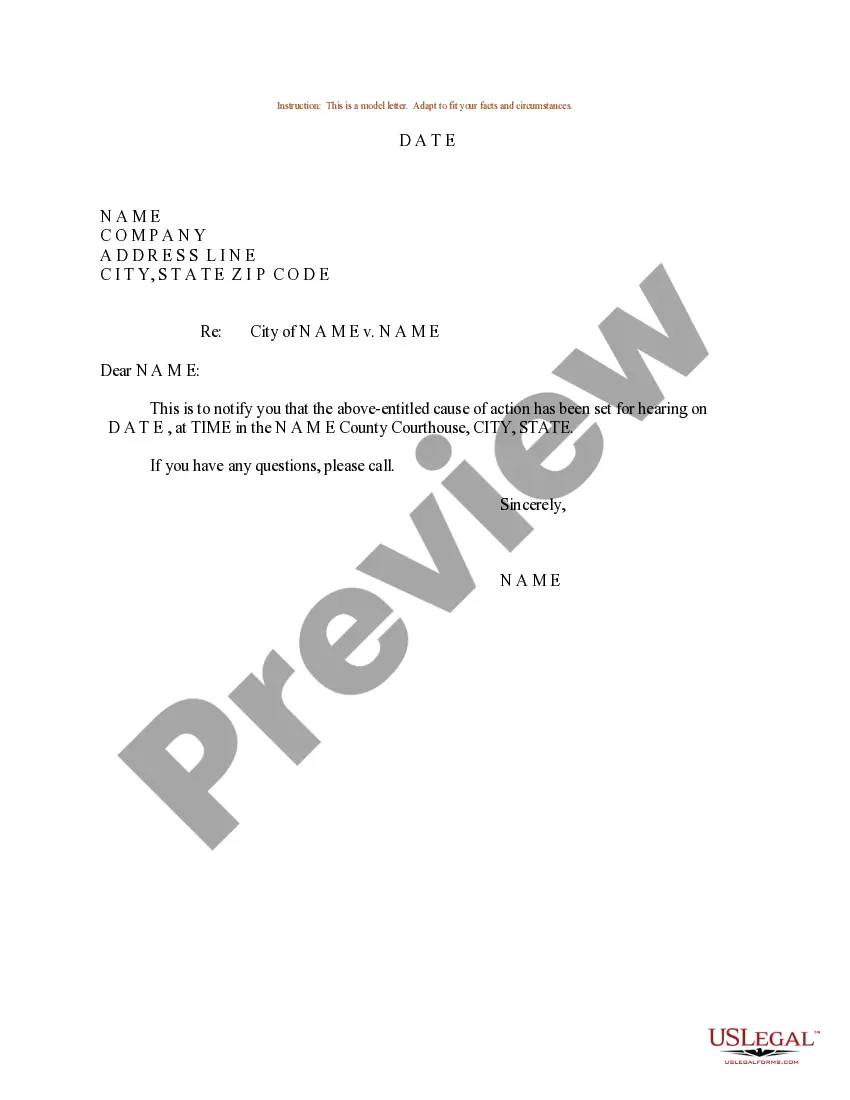
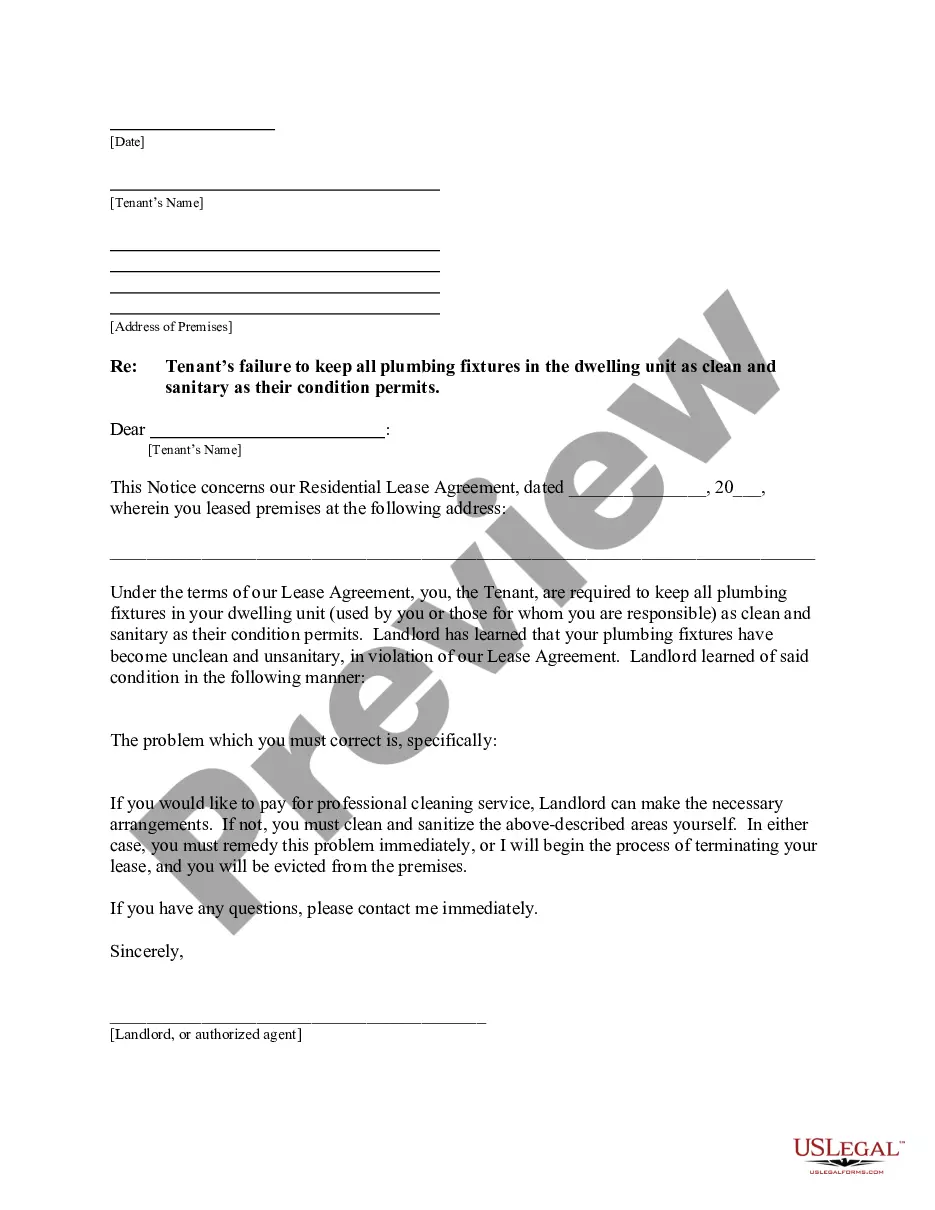
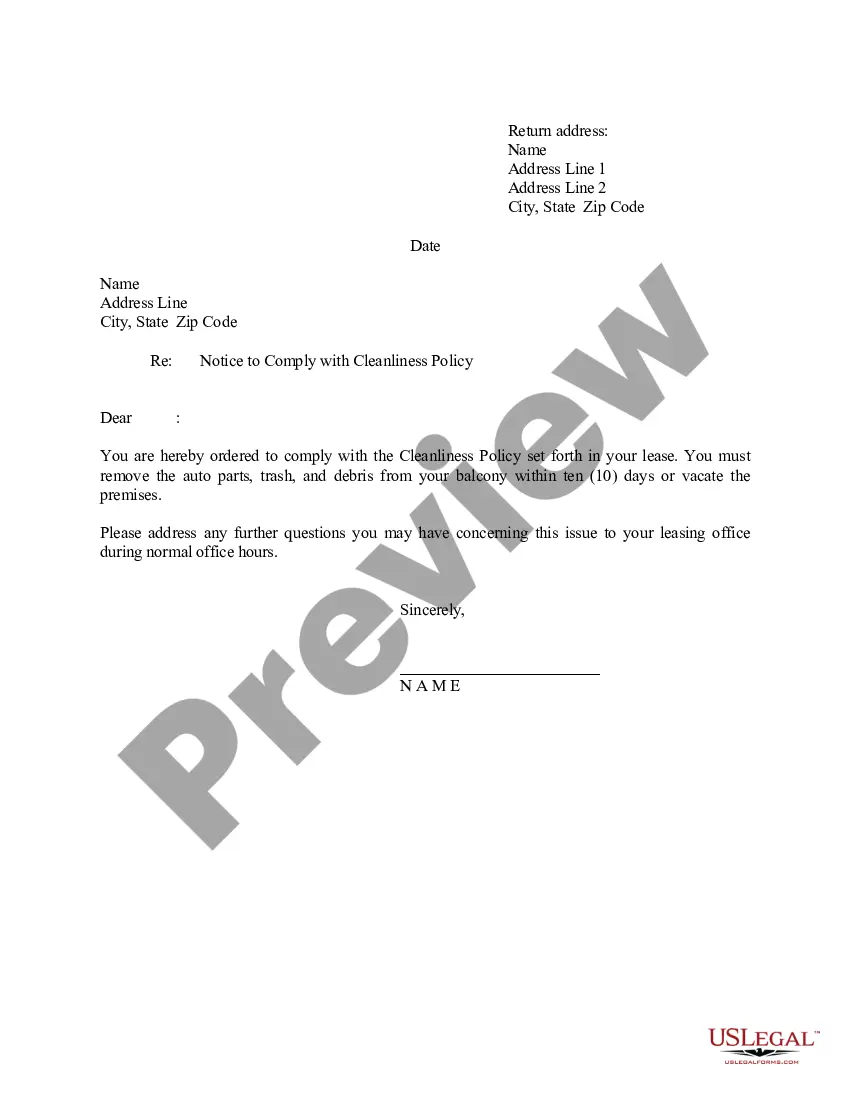
How to fill out Idaho Letter From Landlord To Tenant For Failure To Keep All Plumbing Fixtures In The Dwelling Unit As Clean As Their Condition Permits - Remedy Or Lease Terminates?
Individuals often link legal documents with something intricate that only a professional can handle.
In a sense, this is accurate, as creating Idaho Landlord Tenant Without Reason requires comprehensive understanding of subject standards, including state and local laws.
Nonetheless, with US Legal Forms, everything has become more straightforward: ready-to-use legal templates for any personal and business situation tailored to state regulations have been compiled into a single online repository and are now accessible to all.
All templates in our catalog are reusable: once purchased, they remain stored in your profile. You can access them whenever necessary through the My documents tab. Discover all the advantages of utilizing the US Legal Forms platform. Subscribe today!
- Investigate the page content thoroughly to confirm it aligns with your requirements.
- Examine the form description or validate it with the Preview option.
- Search for another template using the Search field above if the previous one doesn’t satisfy you.
- Select Buy Now once you discover the appropriate Idaho Landlord Tenant Without Reason.
- Choose a pricing plan that suits your requirements and financial situation.
- Establish an account or Log In to move forward to the payment page.
- Process your subscription payment through PayPal or using your credit card.
- Select the format for your document and click Download.
- Print your document or upload it to an online editor for faster completion.
Form popularity
FAQ
A landlord may not discriminate based on sex, race, color, religion, disability, familial status or national origin. In cases of a disability, the landlord is required to make reasonable accommodations or modifications to the rental unit or lease policies.
There are currently no state-level protections for Idaho renters during the emergency period in Idaho. Landlords may try to sue tenants to evict them. If you are worried about an eviction, reach out as soon as possible to your local legal aid group.
A tenant can be evicted in Idaho if they do not uphold their responsibilities and obligations under the terms of a written lease/rental agreement. Idaho landlords must provide tenants with a 3-Day Notice to Comply, giving tenants three days 2 to correct the issue in order to avoid eviction.
Notice for Termination Without Cause If a landlord wants a tenant to move out of the rental unit but does not have legal cause to evict the tenant, then the landlord has to just wait until the term of the tenancy has ended before expecting the tenant to move.
Since there are currently no emergency protections in Idaho, then for renters: Your landlord can still give you a notice to quit. Your landlord can still file an eviction claim against you. They must include a form with their filing, that says your home does not qualify for national protections under the CARES Act.