Iowa Living Trust With The Landlord
Description
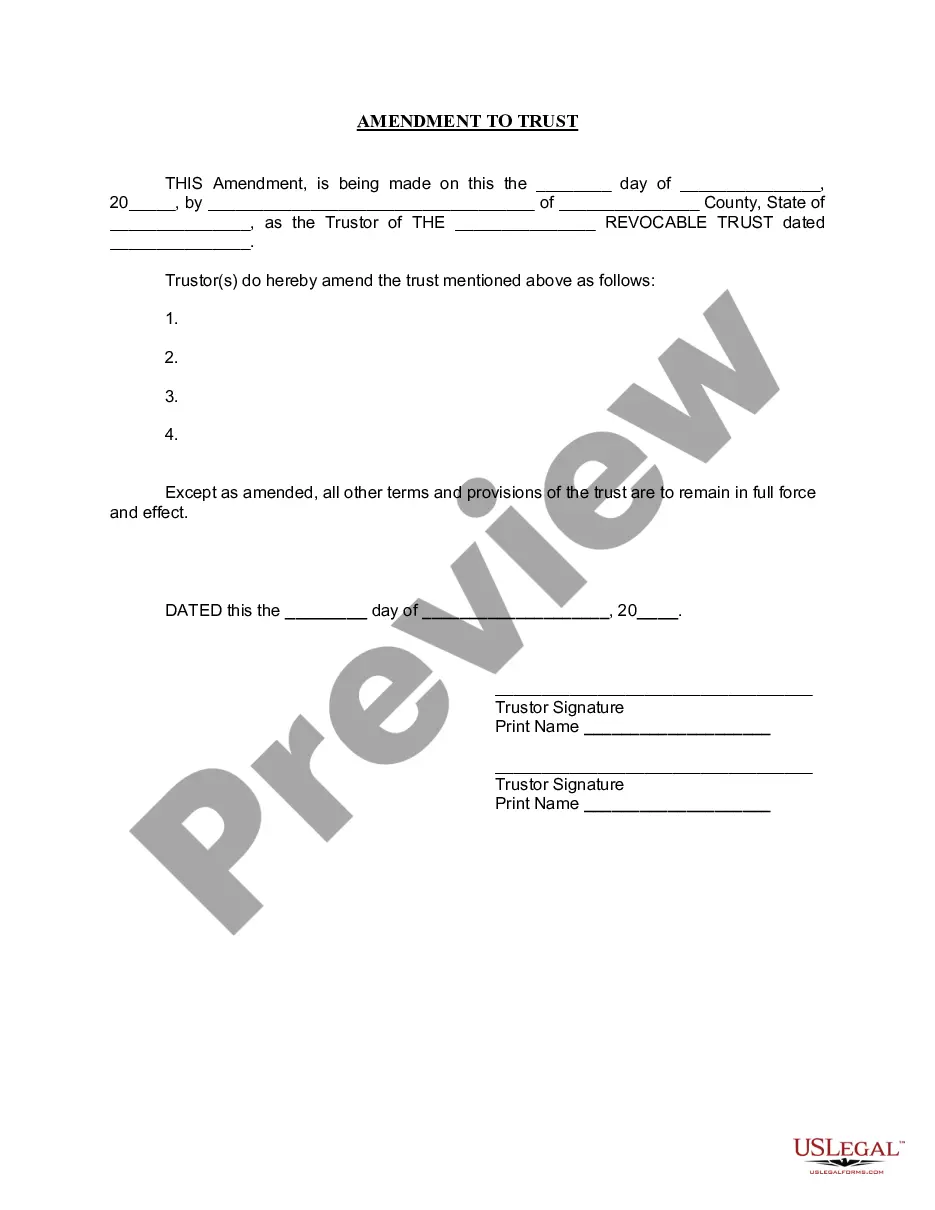
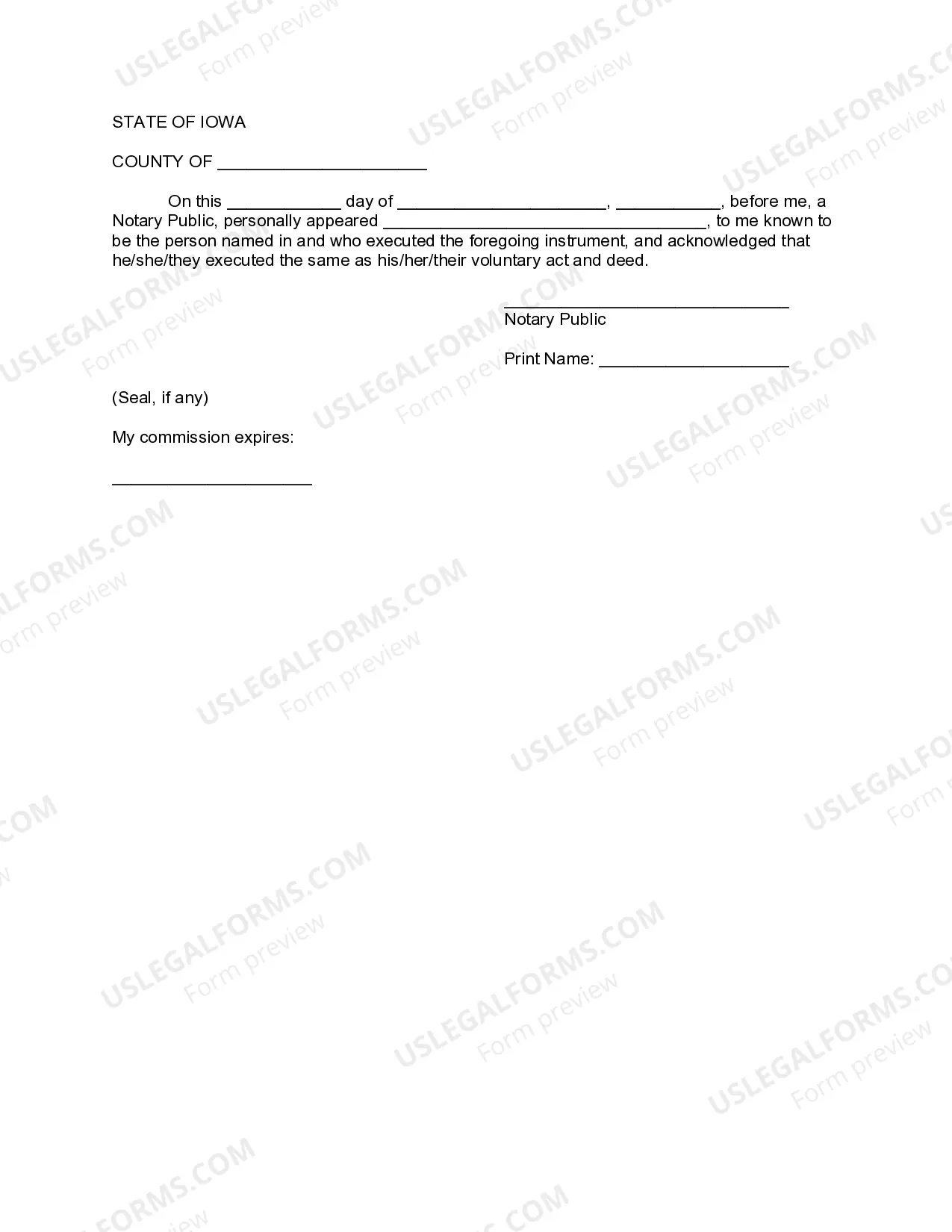
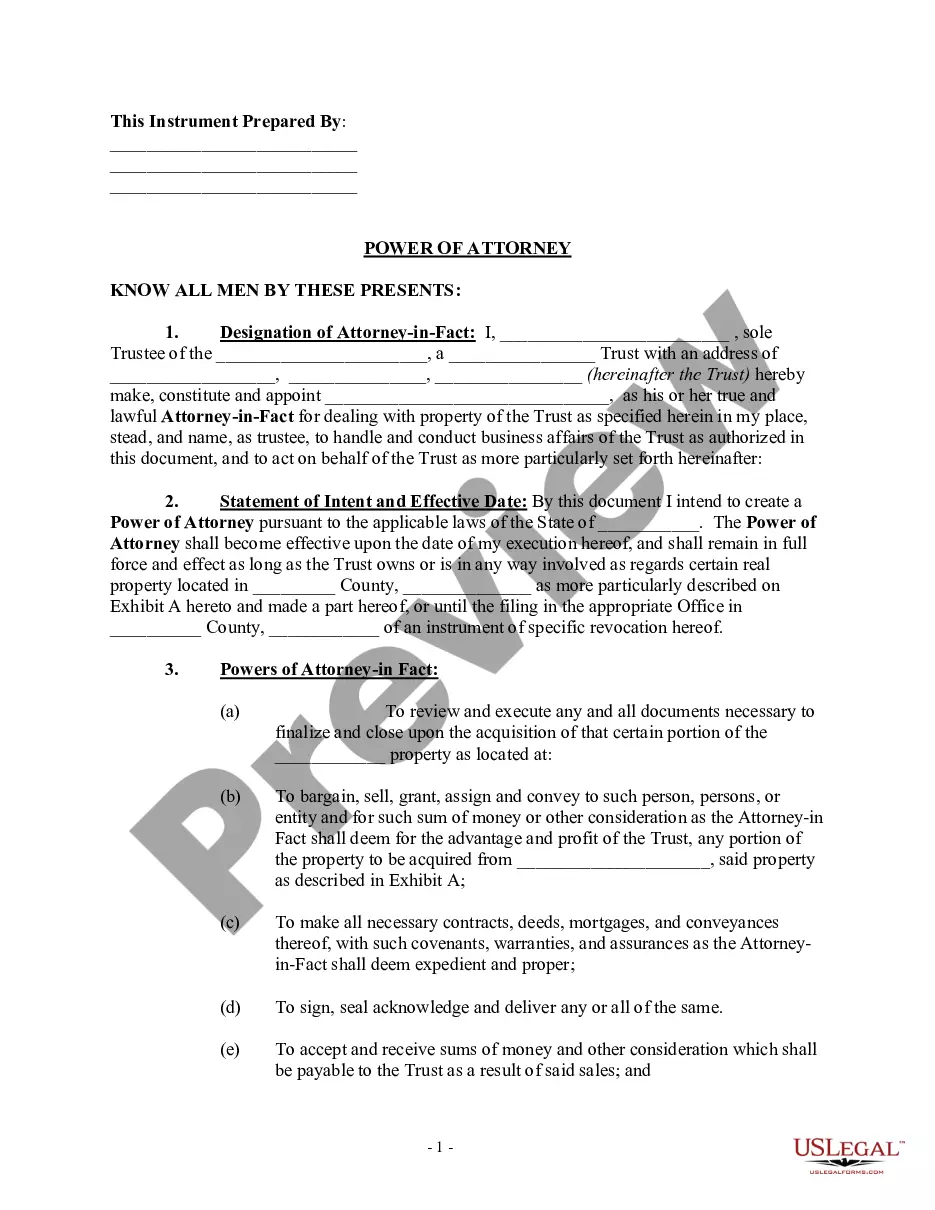

Get your form ready online
Our built-in tools help you complete, sign, share, and store your documents in one place.
Make edits, fill in missing information, and update formatting in US Legal Forms—just like you would in MS Word.
Download a copy, print it, send it by email, or mail it via USPS—whatever works best for your next step.
Sign and collect signatures with our SignNow integration. Send to multiple recipients, set reminders, and more. Go Premium to unlock E-Sign.
If this form requires notarization, complete it online through a secure video call—no need to meet a notary in person or wait for an appointment.
We protect your documents and personal data by following strict security and privacy standards.

Make edits, fill in missing information, and update formatting in US Legal Forms—just like you would in MS Word.

Download a copy, print it, send it by email, or mail it via USPS—whatever works best for your next step.

Sign and collect signatures with our SignNow integration. Send to multiple recipients, set reminders, and more. Go Premium to unlock E-Sign.

If this form requires notarization, complete it online through a secure video call—no need to meet a notary in person or wait for an appointment.

We protect your documents and personal data by following strict security and privacy standards.
Looking for another form?

How to fill out Iowa Amendment To Living Trust?
- Log into your US Legal Forms account. Ensure your subscription is active; if it's expired, renew it to continue accessing our vast form library.
- Preview the living trust template to confirm it fits your legal needs and complies with Iowa regulations.
- If the template is not suitable, use the search feature to find alternative forms that may better suit your requirements.
- Once you've selected the appropriate document, click the 'Buy Now' button and pick a subscription plan that works for you. Don't forget to register an account for full library access.
- Complete your purchase by entering your payment details using either a credit card or your PayPal account.
- Download the living trust form directly to your device from the 'My Forms' section of your profile for easy access and completion.
In conclusion, US Legal Forms empowers you to navigate legal intricacies effortlessly. With an extensive collection of forms and access to expert advice, you can ensure your documents are crafted with accuracy and peace of mind.
Ready to take the next step? Visit US Legal Forms today and start your journey toward establishing a legally sound Iowa living trust!
Form popularity
FAQ
When comparing an Iowa living trust with a will, it's important to consider your specific needs. A living trust allows you to manage your assets during your lifetime and provide for their distribution after your passing, which can bypass the probate process. This can lead to quicker access to your assets for your beneficiaries. Additionally, an Iowa living trust can help maintain privacy, as it does not become a public record like a will.
Yes, you can place rental property in a trust, and it can be a savvy strategy for property owners. An Iowa living trust with the landlord helps maintain control over your rental assets while providing a clear plan for succession. This approach allows for easier management and ensures that your property is handled according to your wishes after your passing. For more information on how to set this up, consider visiting uslegalforms for resources.
While there are advantages to putting property in a trust, there are also some disadvantages to consider. An Iowa living trust with the landlord might involve upfront costs and ongoing management fees that can affect your finances. Additionally, if not managed properly, it can create complications for your heirs. It’s essential to weigh these factors carefully and consult with professionals to make informed decisions.
Setting up a living trust in Iowa involves several clear steps. First, you need to determine the type of trust that fits your needs, such as an Iowa living trust with the landlord. Next, you'll create the trust document, which outlines how your assets will be managed. Finally, transfer your property into the trust and keep the documentation updated. For guidance, visit platforms like uslegalforms for templates and personalized assistance.
Yes, placing rental properties in a trust can provide numerous benefits, including liability protection and streamlined inheritance processes. An Iowa living trust with the landlord safeguards your interests while offering peace of mind regarding property management. Furthermore, this arrangement can make it easier for your heirs to receive and manage the property after your passing. Always consider discussing your options with a legal expert.
The best type of trust to put property in often depends on your specific needs and financial goals. An Iowa living trust with the landlord allows you to manage your assets while avoiding probate. It provides flexibility and control, enabling you to decide how your property is handled. You can consult legal platforms like uslegalforms to find tailored solutions for your situation.
The primary disadvantage of a family trust can be the complexity involved in its management. Creating an Iowa living trust with the landlord may require significant legal guidance, which can lead to higher costs. Moreover, misunderstandings may arise among family members if roles and expectations are not clearly defined. Open communication and regular meetings can help mitigate these issues.
Yes, a living trust can act as a landlord. An Iowa living trust with the landlord allows the trust to own and manage rental properties, providing potential income while also offering asset protection. It simplifies the management of the property by designating a trustee to handle responsibilities. This can help you in estate planning and maximize benefits for beneficiaries.
One downside of placing assets in a trust is the loss of immediate control. You may need to consult the trust agreement for any changes or distributions. Furthermore, taxes can complicate the situation, especially if income is generated within the trust. This makes it essential to have a clear understanding of how an Iowa living trust with the landlord functions.
One common mistake is failing to fund the trust properly. Without transferring ownership of assets, an Iowa living trust with the landlord fails to serve its purpose effectively. Parents often neglect to regularly review and update their trust, which can lead to outdated information and unintentional complications. It is important to ensure that all intended assets are included and properly titled.