Notice Lease Property With The Owner
Description


Get your form ready online
Our built-in tools help you complete, sign, share, and store your documents in one place.
Make edits, fill in missing information, and update formatting in US Legal Forms—just like you would in MS Word.
Download a copy, print it, send it by email, or mail it via USPS—whatever works best for your next step.
Sign and collect signatures with our SignNow integration. Send to multiple recipients, set reminders, and more. Go Premium to unlock E-Sign.
If this form requires notarization, complete it online through a secure video call—no need to meet a notary in person or wait for an appointment.
We protect your documents and personal data by following strict security and privacy standards.

Make edits, fill in missing information, and update formatting in US Legal Forms—just like you would in MS Word.

Download a copy, print it, send it by email, or mail it via USPS—whatever works best for your next step.

Sign and collect signatures with our SignNow integration. Send to multiple recipients, set reminders, and more. Go Premium to unlock E-Sign.

If this form requires notarization, complete it online through a secure video call—no need to meet a notary in person or wait for an appointment.

We protect your documents and personal data by following strict security and privacy standards.
Looking for another form?
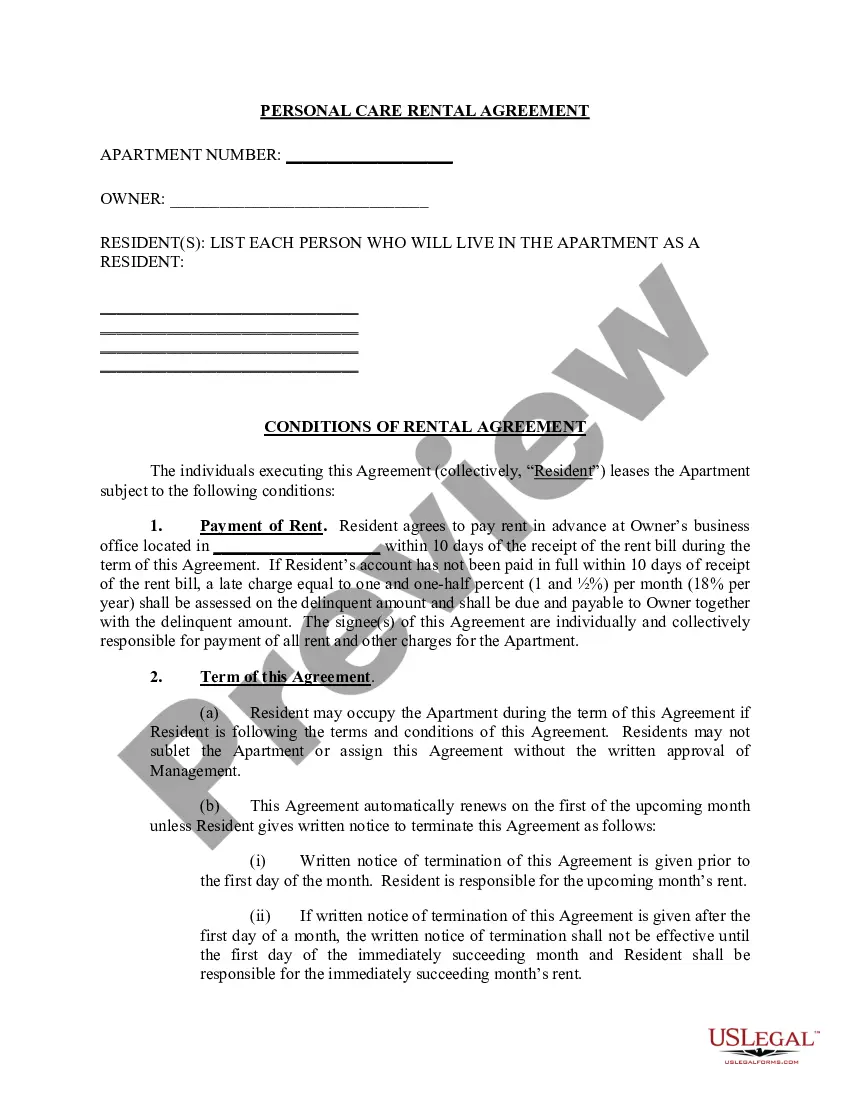
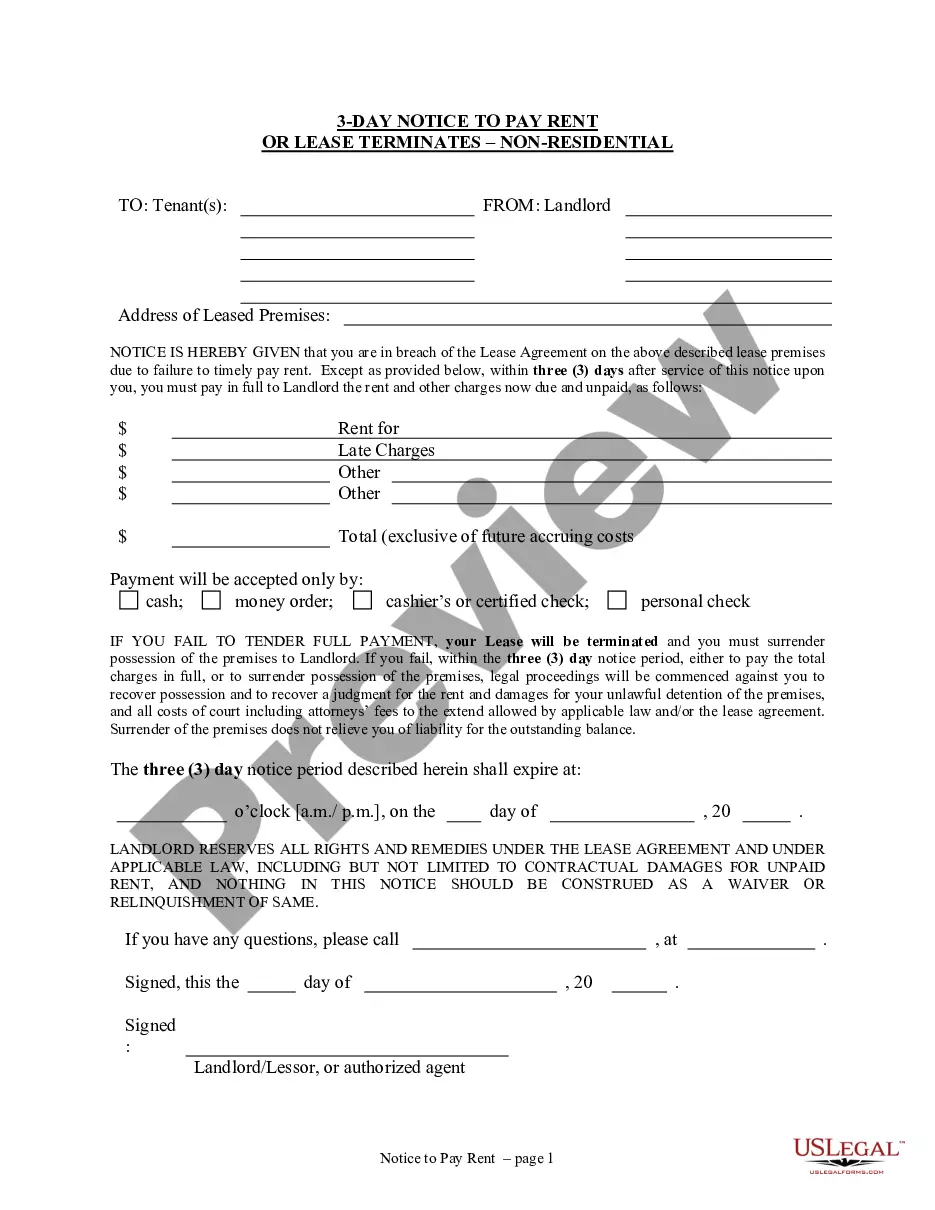
How to fill out Iowa 3 Day Notice To Pay Rent Or Lease Terminated For Nonresidential Or Commercial Property?
- Log in to your US Legal Forms account if you're a returning user. Ensure your subscription is active; renew it if necessary.
- Browse the legal forms library and select the appropriate lease notice template that aligns with your local jurisdiction.
- If you can't find the right template, utilize the search feature to explore additional options tailored to your needs.
- Click the Buy Now button next to your chosen document, and select a suitable subscription plan. Create an account if it's your first time.
- Complete the purchase by providing payment information via credit card or PayPal.
- Download the necessary form and save it to your device, allowing easy access to complete it and manage it from your My Forms menu.
By utilizing US Legal Forms, you gain access to an expansive collection of over 85,000 legal documents. This ensures you find the right form quickly, backed by the opportunity to consult premium experts for guidance.
Take the stress out of legal formalities today! Visit US Legal Forms and start your journey towards effective property management.
Form popularity
FAQ
Writing a notice to vacate your landlord is straightforward. Start by addressing the letter to your landlord, clearly stating your intent to vacate the property. Include the date you plan to move and ensure you keep the tone respectful, as maintaining a good relationship could be beneficial in future dealings.
You could face eviction for having someone live with you if your lease prohibits additional occupants without the landlord's consent. It's important to review your lease agreement for clauses regarding visitors and additional residents. Communication with your landlord can often resolve these issues amicably.
In New York, it is illegal for a landlord to evict tenants without proper legal procedures or retaliate against tenants for exercising their rights. Additionally, landlords cannot unlawfully enter a tenant's unit without permission or cause nuisance. Understanding these rights can help you feel secure in your rental situation.
In New York, the time a landlord must give a tenant to move out can differ based on the lease length. For month-to-month tenants, a typical notice period is 30 days. For longer leases, the notice might be 60 days, but always check your rental agreement for exact requirements.
The minimum notice a landlord can give a tenant varies by state and specific lease terms. Generally, landlords must provide at least 30 days' notice to terminate a month-to-month lease. However, it’s essential to review your lease agreement for any specific clauses related to notice periods.
To prove your landlord owns your property, you can request a copy of the lease agreement or a rental receipt. These documents typically outline property ownership details. Additionally, you can check public property records in your local government office for documentation verifying the owner’s name.
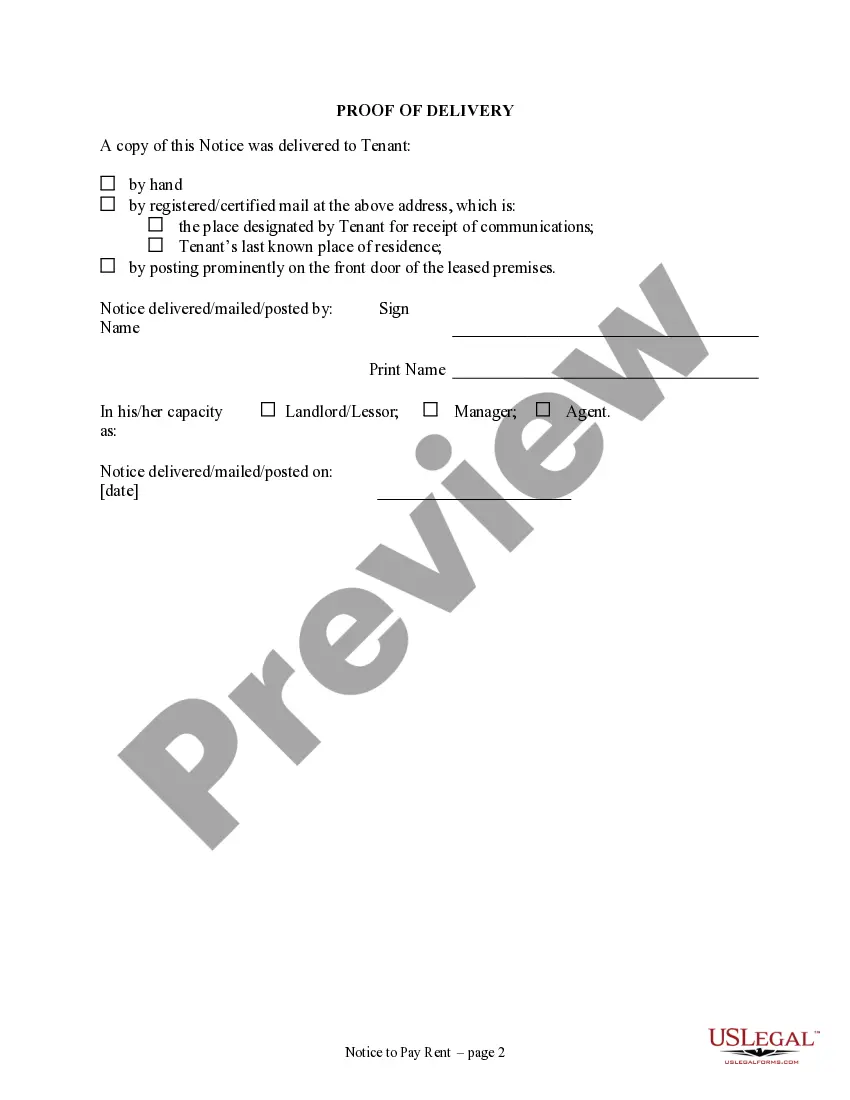
To write a letter informing your landlord that you are moving, begin with your contact information followed by the landlord's details. Clearly state your intention to vacate along with your moving date. This letter serves as a formal notice lease property with the owner, providing clarity and keeping all parties informed.
Notify your landlord about your decision not to renew your lease with a formal letter. State your reasons briefly and specify the date you plan to vacate. By communicating this effectively, you ensure a clear notice lease property with the owner, allowing for a smooth transition for both parties.
To inform your landlord that you are moving out, it's best to initiate the conversation politely and directly. You can start by scheduling a meeting or calling to discuss your plans, then express your decision to vacate and mention the preferred move-out date. This proactive approach ensures you provide a timely notice lease property with the owner.
When writing a notice from a tenant to a landlord, include your name, address, and the date at the top of the letter. Clearly express your intention to move and specify the effective date for the notice lease property with the owner. Make sure to sign the letter and deliver it via certified mail to ensure it is received.