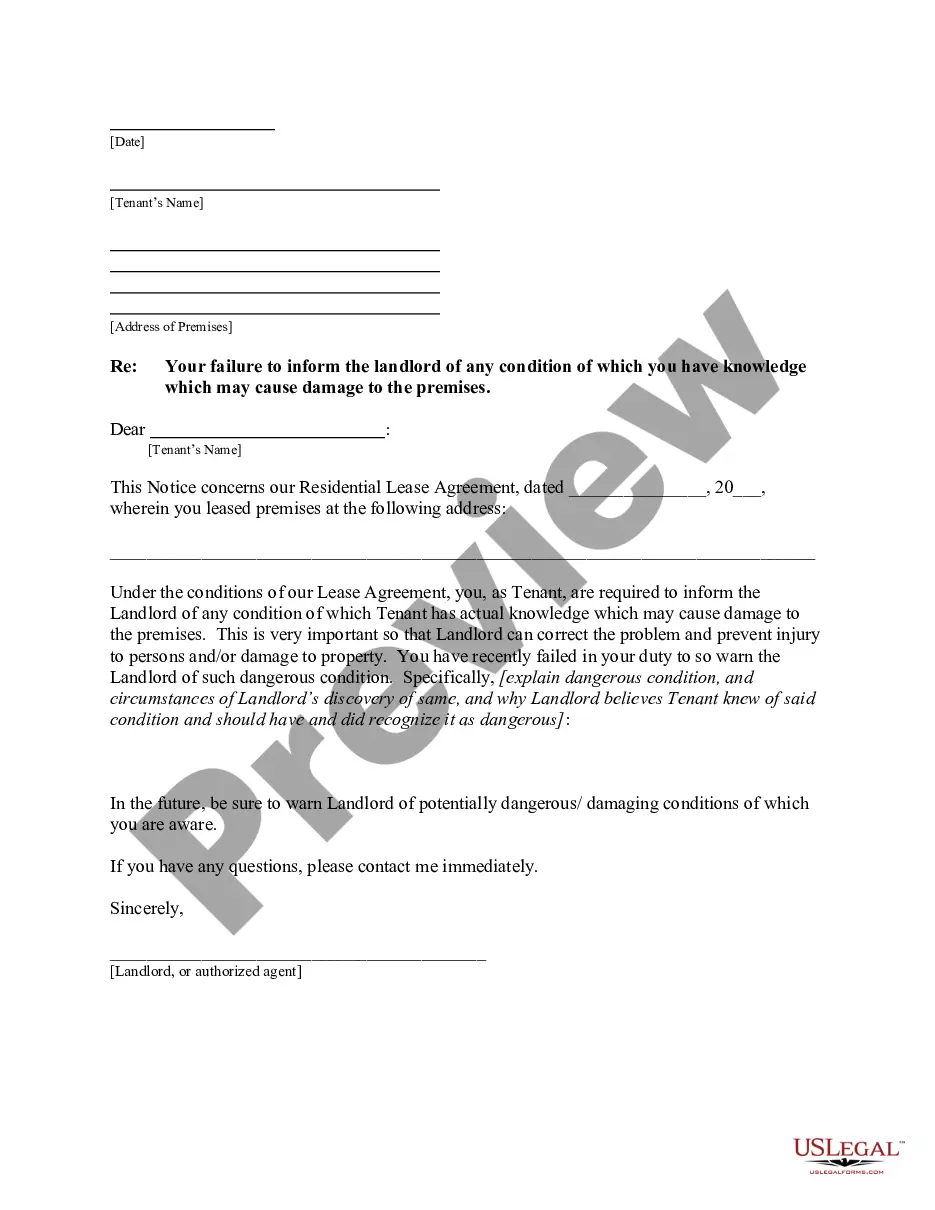
Tenant Notice Premises With No Data
Description

Get your form ready online
Our built-in tools help you complete, sign, share, and store your documents in one place.
Make edits, fill in missing information, and update formatting in US Legal Forms—just like you would in MS Word.
Download a copy, print it, send it by email, or mail it via USPS—whatever works best for your next step.
Sign and collect signatures with our SignNow integration. Send to multiple recipients, set reminders, and more. Go Premium to unlock E-Sign.
If this form requires notarization, complete it online through a secure video call—no need to meet a notary in person or wait for an appointment.
We protect your documents and personal data by following strict security and privacy standards.

Make edits, fill in missing information, and update formatting in US Legal Forms—just like you would in MS Word.

Download a copy, print it, send it by email, or mail it via USPS—whatever works best for your next step.

Sign and collect signatures with our SignNow integration. Send to multiple recipients, set reminders, and more. Go Premium to unlock E-Sign.

If this form requires notarization, complete it online through a secure video call—no need to meet a notary in person or wait for an appointment.

We protect your documents and personal data by following strict security and privacy standards.
Looking for another form?








How to fill out Iowa Letter From Landlord To Tenant As Notice To Tenant To Inform Landlord Of Tenant's Knowledge Of Condition Causing Damage To Premises?
- Log in to your US Legal Forms account if you are a returning user. Ensure your subscription is active to access your documents.
- For first-time users, start by reviewing the form preview and its description to confirm it matches your needs and complies with your local jurisdiction.
- If the form is incorrect, utilize the Search function to find the right template that fits your specific requirements.
- To acquire your desired document, select the Buy Now button and choose a suitable subscription plan while creating your account to gain full access.
- Complete your purchase by entering your payment information via credit card or PayPal.
- After purchasing, download the template directly to your device and find it again in the My Forms section of your account whenever you need it.
US Legal Forms empowers individuals and attorneys with one of the largest collections of legal templates available, boasting over 85,000 editable forms.
Whether it’s your first form or an addition to your existing library, trust US Legal Forms for quick, accurate, and consistent legal documentation. Start now and ensure your legal needs are met!
Form popularity
FAQ
In North Carolina, the eviction process can take several weeks to months, depending on various factors including court schedules and the tenant's response. After filing for eviction, landlords may need to wait for a hearing before receiving a judgment. To make the process smoother, you can access tenant notice resources on the US Legal Forms platform to ensure all documentation is correct.
Vermont has specific rules and processes that must be followed for eviction. Typically, a landlord must provide written notice before beginning formal eviction procedures. To ensure compliance and understand tenant notice premises with no data, consider utilizing resources from the US Legal Forms platform that provide detailed guidance on Vermont's eviction laws.
Yes, evictions are generally considered public records. This means anyone can access these records, although specific processes may differ by state. The US Legal Forms platform offers tools to help you navigate tenant notice premises with no data, ensuring you stay informed about your tenant's history.
When a tenant moves out without notice, it is crucial to document the situation carefully. You should consider inspecting the property for damages and adjust any security deposit returns accordingly. Utilizing the resources from the US Legal Forms platform can guide you in sending appropriate tenant notices regarding unnotified departures.
Yes, other landlords can see eviction records if they perform a rental history check. This can include information from public databases or screening services that display tenant notices and previous eviction actions. By using the US Legal Forms platform, landlords can proactively check tenant records and avoid issues with rental prospects.
In Illinois, an eviction can stay on record for several years. Typically, it remains for five years from the date of judgment. To ensure you address tenant histories accurately, exploring tenant notices via the US Legal Forms platform can provide valuable insights without any hidden data.
Yes, evictions do show up on the Consolidated Court Automation Programs (CCAP) in Wisconsin. This system provides access to public records regarding civil cases, including evictions. If you're concerned about a tenant's past, using the US Legal Forms platform can assist you in gathering necessary tenant notice premises with no data.
Yes, you can look up eviction records through various public resources. However, accessing specific tenant information may require you to navigate state-specific databases. Using the US Legal Forms platform, you can find comprehensive information on tenant notices and search for eviction records, which can help you understand if a tenant has a history of eviction.
Writing a notice letter to your tenant involves stating the purpose and necessary details clearly. Begin with a respectful greeting, include the date, and address it to your tenant’s name and address. Specify the nature of the notice, such as a notice to vacate or a rent increase, and provide all relevant deadlines or instructions. This careful communication can build a better relationship with your tenant regarding any premises notice.
When telling a tenant to move out, approach the conversation with kindness and sensitivity. Use a direct but polite tone to explain the situation, whether it’s due to a lease violation or other reasons. Extend your support by providing a clear timeline and any assistance they may need in the moving process. Such an approach fosters goodwill and can lead to a smoother transition for everyone.