Limited Company Meaning
Description
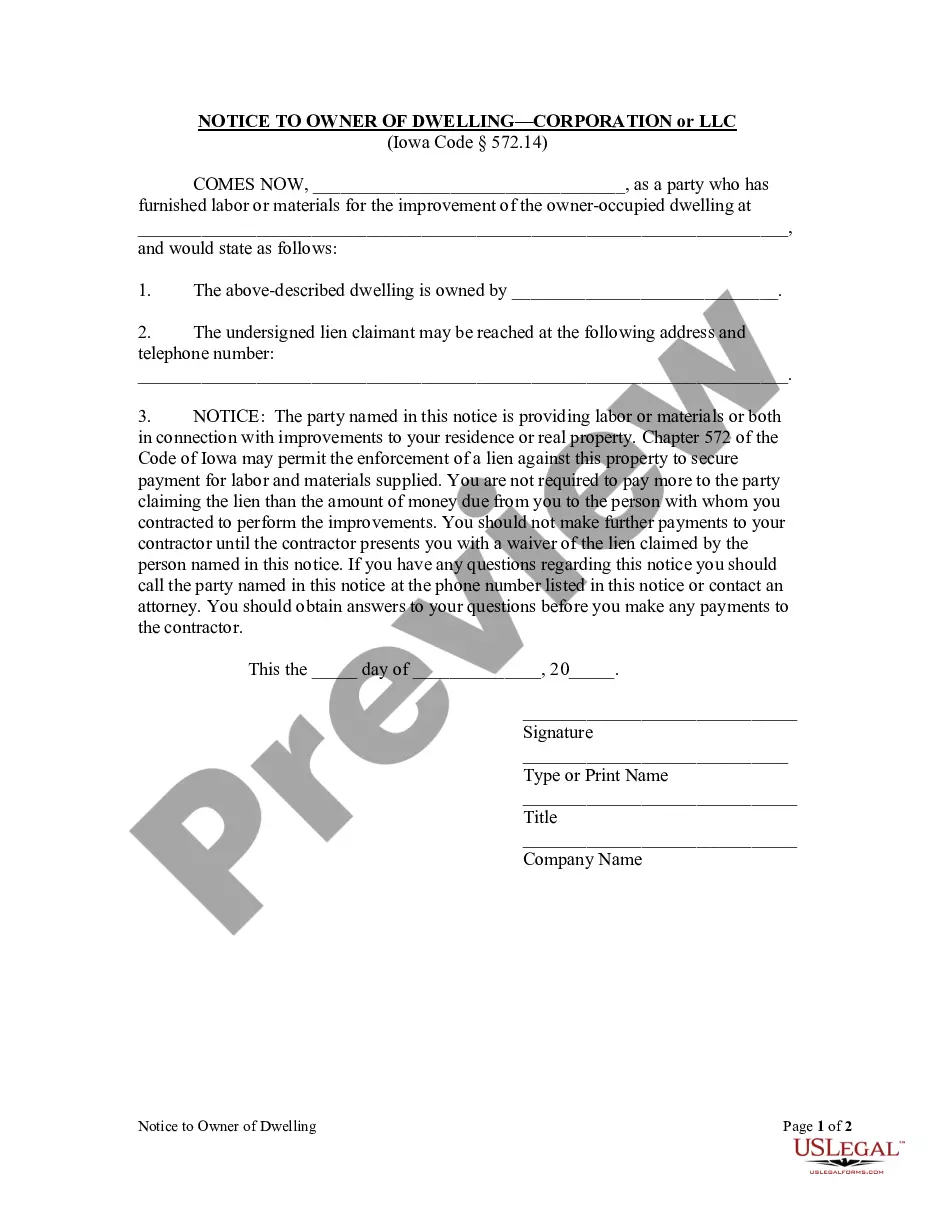
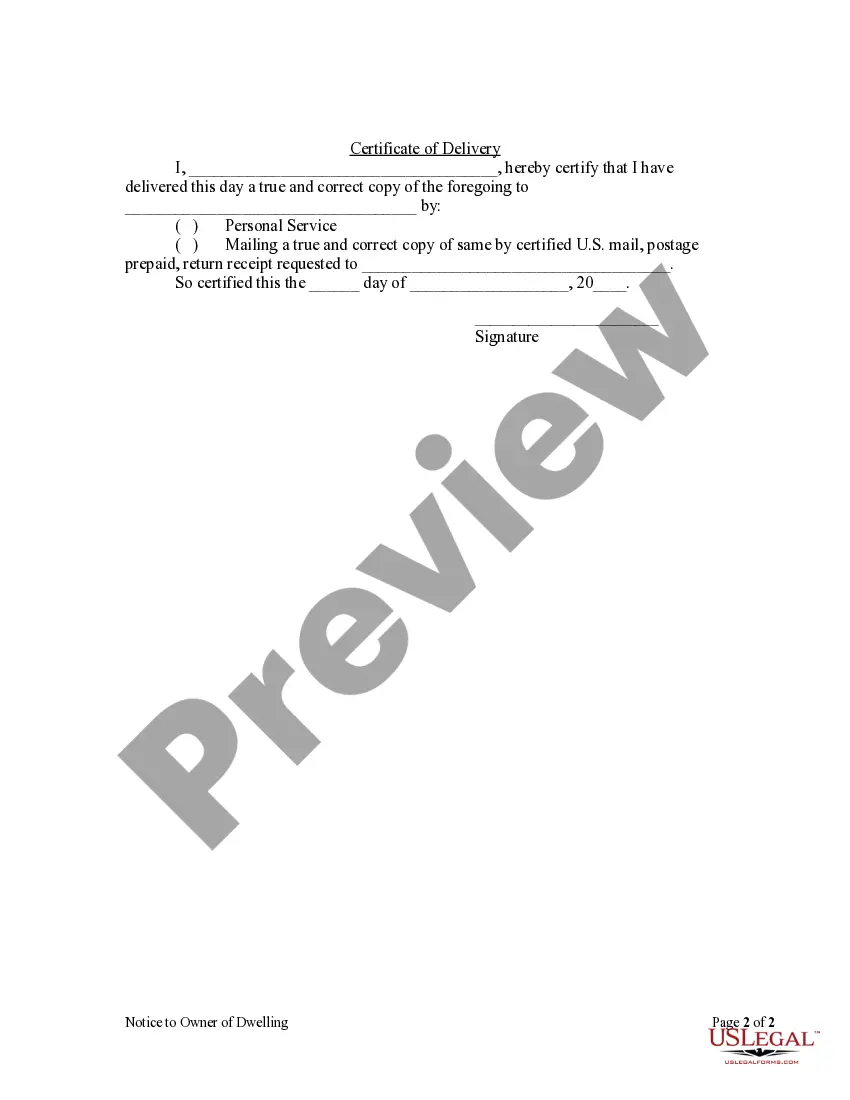
Get your form ready online
Our built-in tools help you complete, sign, share, and store your documents in one place.
Make edits, fill in missing information, and update formatting in US Legal Forms—just like you would in MS Word.
Download a copy, print it, send it by email, or mail it via USPS—whatever works best for your next step.
Sign and collect signatures with our SignNow integration. Send to multiple recipients, set reminders, and more. Go Premium to unlock E-Sign.
If this form requires notarization, complete it online through a secure video call—no need to meet a notary in person or wait for an appointment.
We protect your documents and personal data by following strict security and privacy standards.

Make edits, fill in missing information, and update formatting in US Legal Forms—just like you would in MS Word.

Download a copy, print it, send it by email, or mail it via USPS—whatever works best for your next step.

Sign and collect signatures with our SignNow integration. Send to multiple recipients, set reminders, and more. Go Premium to unlock E-Sign.

If this form requires notarization, complete it online through a secure video call—no need to meet a notary in person or wait for an appointment.

We protect your documents and personal data by following strict security and privacy standards.
Looking for another form?

How to fill out Iowa Notice To Owner Of Dwelling By Corporation Or LLC?
- If you're a returning user, log in to your account and select the desired form template. Make sure your subscription is active; renew it if necessary.
- For first-time users, begin by previewing the form description to ensure it fits your specific legal requirements and local jurisdiction.
- If adjustments are needed, utilize the search tool to locate the appropriate template that meets your criteria.
- Once you've identified the right document, click on the 'Buy Now' button and select a subscription that aligns with your needs, creating an account if needed.
- After selecting your subscription, complete the purchase using your credit card or PayPal account.
- Download the completed form to your device for easy access, and you'll find it under 'My Forms' in your account anytime you need it.
In conclusion, using US Legal Forms can streamline your document creation process. With a robust library and expert assistance, you'll ensure your legal documents are correctly completed and compliant. Explore the benefits today!
For more information, visit US Legal Forms and start your journey towards efficient legal documentation.
Form popularity
FAQ
The difference between a limited company and an LLC can significantly impact your business's operation and tax obligations. A limited company is often subject to stricter regulations and formalities compared to an LLC, which offers more flexibility and fewer compliance requirements. Understanding these differences is essential for selecting the appropriate business structure for your goals.
To be a limited company means that the business is recognized as a separate entity under the law, providing distinct benefits and protections to its owners. This structure allows for limited liability, meaning owners are not personally responsible for company debts. Knowing what it means to be a limited company can assist you in making informed decisions about your business.
The difference between LLC and limited primarily lies in the structure and regulations. An LLC, or Limited Liability Company, offers flexibility in management and tax treatment, while a limited company is more traditional and is a corporation. Understanding these distinctions helps you choose the right structure for your business needs.
A limited company is a business entity that is legally distinct from its owners. In this context, the simple definition of a limited company emphasizes the separation between personal and business finances. This structure limits the financial risk to the shareholders, making it a popular choice for business owners.
The meaning of a limited company refers to a specific type of business structure where the owners' liability is limited to their shares. This setup protects personal assets in case the company faces financial trouble. Therefore, understanding the limited company meaning is crucial for entrepreneurs seeking a secure business model.
Yes, Apple Inc. is indeed a limited company, specifically a public limited company. This status enables it to raise capital by selling shares to the public while also managing liabilities effectively. By grasping limited company meaning, you can appreciate how even global giants like Apple benefit from this structure. For individuals or businesses considering a similar path, uslegalforms provides essential resources to navigate company formation.
Limited companies can range from small family-run businesses to large multinational corporations. These companies can be categorized as private limited or public limited, depending on their share distribution. Understanding the different types of limited companies enriches your insight into their functions and advantages. If you're unsure about which structure fits your needs, uslegalforms offers helpful guidance.
life example of a limited liability company is a consultancy firm that provides expert advice to businesses. In this setup, the owners enjoy protection against personal liability, meaning their personal finances cannot be adversely affected by business debts. This demonstrates the limited company meaning as it conveys the idea of separating personal and business risks. Explore uslegalforms for resources on setting up such companies.
A limited company is often a separate legal entity from its owners. It can operate various types of businesses, including retail, professional services, or manufacturing. By forming a limited company, owners benefit from limited liability, which safeguards personal assets while potentially attracting investors. This highlights the importance of knowing the limited company meaning for anyone looking to start or manage a business.
A common example of a limited company is a business structure where shares are owned by shareholders, such as a restaurant chain or a tech startup. This kind of company limits the liability of its shareholders to the extent of their investments. Therefore, if the business incurs debt, personal assets remain protected. Understanding limited company meaning helps you grasp the key benefits of this structure.