Hawaii Limited Sales For The Month
Description
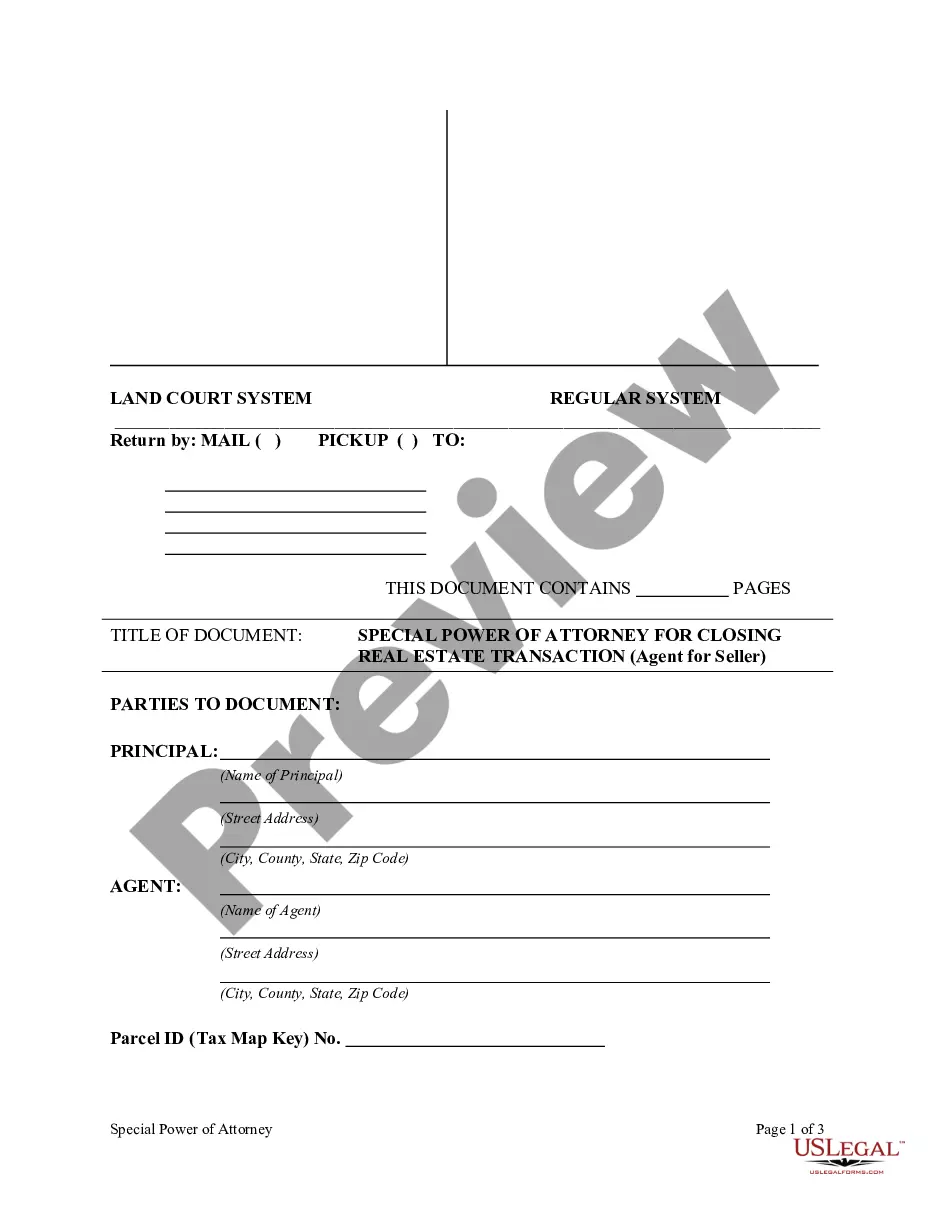
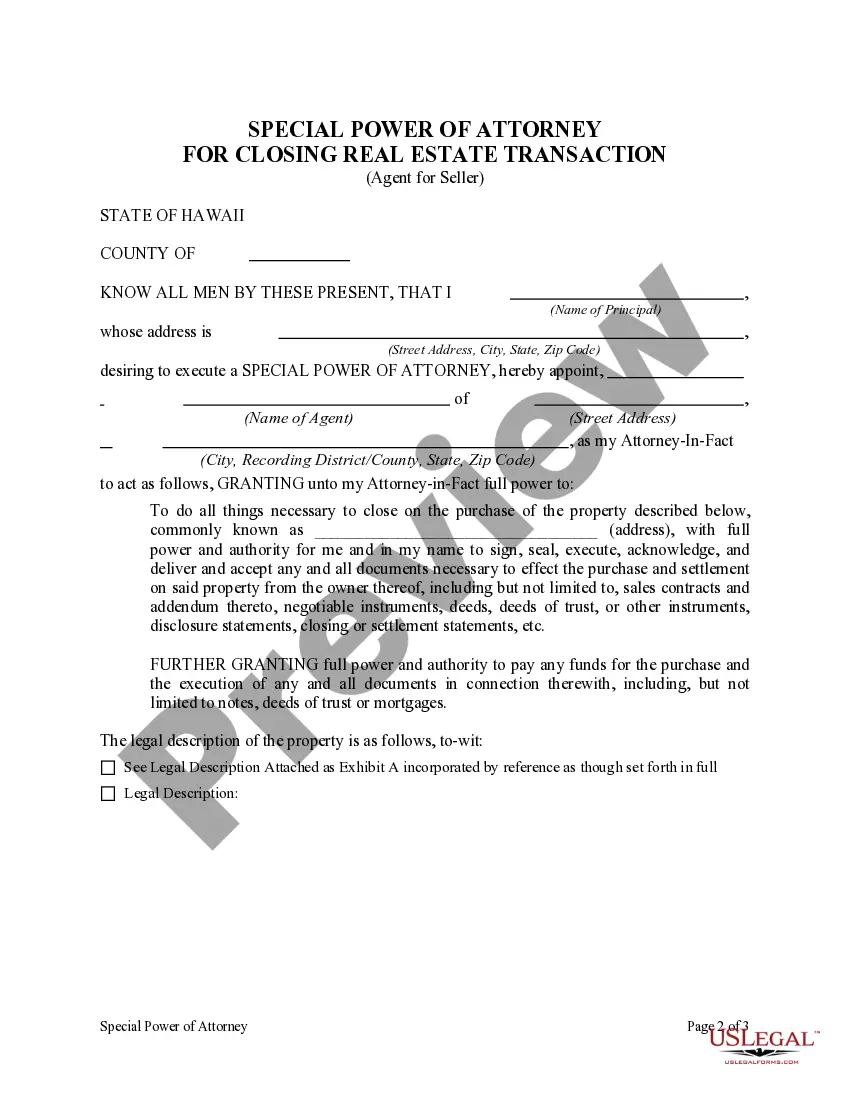
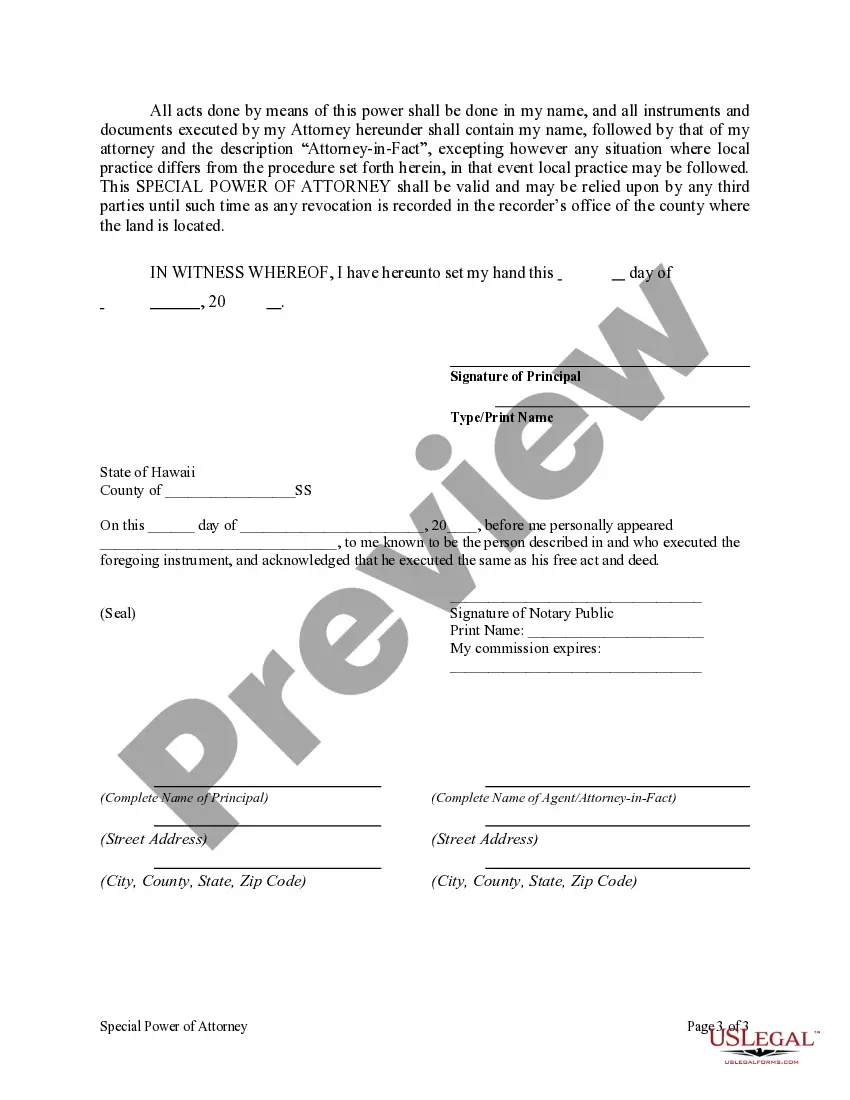

Get your form ready online
Our built-in tools help you complete, sign, share, and store your documents in one place.
Make edits, fill in missing information, and update formatting in US Legal Forms—just like you would in MS Word.
Download a copy, print it, send it by email, or mail it via USPS—whatever works best for your next step.
Sign and collect signatures with our SignNow integration. Send to multiple recipients, set reminders, and more. Go Premium to unlock E-Sign.
If this form requires notarization, complete it online through a secure video call—no need to meet a notary in person or wait for an appointment.
We protect your documents and personal data by following strict security and privacy standards.

Make edits, fill in missing information, and update formatting in US Legal Forms—just like you would in MS Word.

Download a copy, print it, send it by email, or mail it via USPS—whatever works best for your next step.

Sign and collect signatures with our SignNow integration. Send to multiple recipients, set reminders, and more. Go Premium to unlock E-Sign.

If this form requires notarization, complete it online through a secure video call—no need to meet a notary in person or wait for an appointment.

We protect your documents and personal data by following strict security and privacy standards.
Looking for another form?






How to fill out Hawaii Special Or Limited Power Of Attorney For Real Estate Sales Transaction By Seller?
- For returning users, log into your account. Ensure your subscription is active, or renew it as necessary, and download the required form template.
- For new users, first, explore the Preview mode and read the form description to guarantee you select the form that meets your jurisdictional requirements.
- If discrepancies arise, utilize the Search tab to find an alternative form that suits your needs.
- Once you find the correct template, click the 'Buy Now' button and select your preferred subscription plan, creating an account for access to our extensive library.
- Complete your purchase by entering your payment details with either a credit card or PayPal.
- Download the completed form to your device and access it later in the My Forms section of your profile.
By following these simple steps, you can leverage US Legal Forms to effectively manage your legal documentation needs. Their robust library offers more forms than competitors, ensuring you get the support you require.
Get started today and experience the ease of creating legally sound documents with US Legal Forms. Don’t hesitate—take action now!
Form popularity
FAQ
In Hawaii, the General Excise Tax (GET) rate is generally 4%, while the Transient Accommodation Tax (TAT) rate can be 10.25% in certain areas. This distinction is important for any business engaging in Hawaii limited sales for the month, as understanding these rates ensures proper tax compliance and budgeting.
The General Excise Tax rate in Hawaii is currently 4% for most businesses. Certain counties, like Honolulu, have a slightly higher rate due to additional surcharges. If you are engaging in Hawaii limited sales for the month, knowing the get percentage is crucial for your financial planning.
Calculating the General Excise Tax in Hawaii is straightforward. You multiply your gross income by the GET rate, which varies based on the type of business activity. For those involved in Hawaii limited sales for the month, understanding this calculation can ensure compliance and accurate reporting of your tax obligations.
To obtain a General Excise Tax (GET) license in Hawaii, you need to apply through the Department of Taxation. The application can usually be completed online or via mail. Securing this license is essential for businesses engaging in Hawaii limited sales for the month, as it allows you to collect and remit GET on your sales.
The General Excise (GE) tax is collected on a monthly or quarterly basis, depending on your business's volume and nature. Generally, businesses with higher sales must file monthly, whereas smaller operators may file quarterly. Awareness of the GE tax schedule is essential, especially during Hawaii limited sales for the month. For tailored assistance and documentation, US Legal Forms offers various resources to support business compliance.
Filing taxes depends on your business structure and income level. Most businesses in Hawaii file quarterly, while some small businesses might opt for annual filings. During Hawaii limited sales for the month, ensure your filings are accurate and timely for optimal financial health. Utilizing US Legal Forms can help streamline the tax filing process and keep you organized.
Yes, if you sell tangible goods or specific services in Hawaii, you are required to collect a General Excise (GE) tax. This tax applies to most business transactions within the state. During Hawaii limited sales for the month, it's crucial to understand your obligations to maintain compliance. US Legal Forms provides resources that simplify the understanding of sales tax collection to ensure your business meets regulatory requirements.
In Hawaii, property taxes are generally due twice a year. The first installment is due on August 20, while the second installment is due on February 20. It's important to mark these dates on your calendar, especially during the Hawaii limited sales for the month. Staying updated on tax deadlines helps you manage your finances effectively.
Certain entities in Hawaii enjoy exemptions from the general excise tax. Non-profit organizations, some government agencies, and specific types of sales may qualify. If you are involved in Hawaii limited sales for the month, understanding these exemptions can save you significant costs. Always consult with a tax professional to ensure compliance and maximize your benefits.
Calculating Hawaii sales tax is straightforward. The state uses the general excise tax as its sales tax, which varies by county. For Hawaii limited sales for the month, ensure you apply the correct rate based on your location. You take the total sales, multiply it by the applicable rate, and that gives you the tax amount.