Hawaii Cesspool Law
Description



Get your form ready online
Our built-in tools help you complete, sign, share, and store your documents in one place.
Make edits, fill in missing information, and update formatting in US Legal Forms—just like you would in MS Word.
Download a copy, print it, send it by email, or mail it via USPS—whatever works best for your next step.
Sign and collect signatures with our SignNow integration. Send to multiple recipients, set reminders, and more. Go Premium to unlock E-Sign.
If this form requires notarization, complete it online through a secure video call—no need to meet a notary in person or wait for an appointment.
We protect your documents and personal data by following strict security and privacy standards.

Make edits, fill in missing information, and update formatting in US Legal Forms—just like you would in MS Word.

Download a copy, print it, send it by email, or mail it via USPS—whatever works best for your next step.

Sign and collect signatures with our SignNow integration. Send to multiple recipients, set reminders, and more. Go Premium to unlock E-Sign.

If this form requires notarization, complete it online through a secure video call—no need to meet a notary in person or wait for an appointment.

We protect your documents and personal data by following strict security and privacy standards.
Looking for another form?

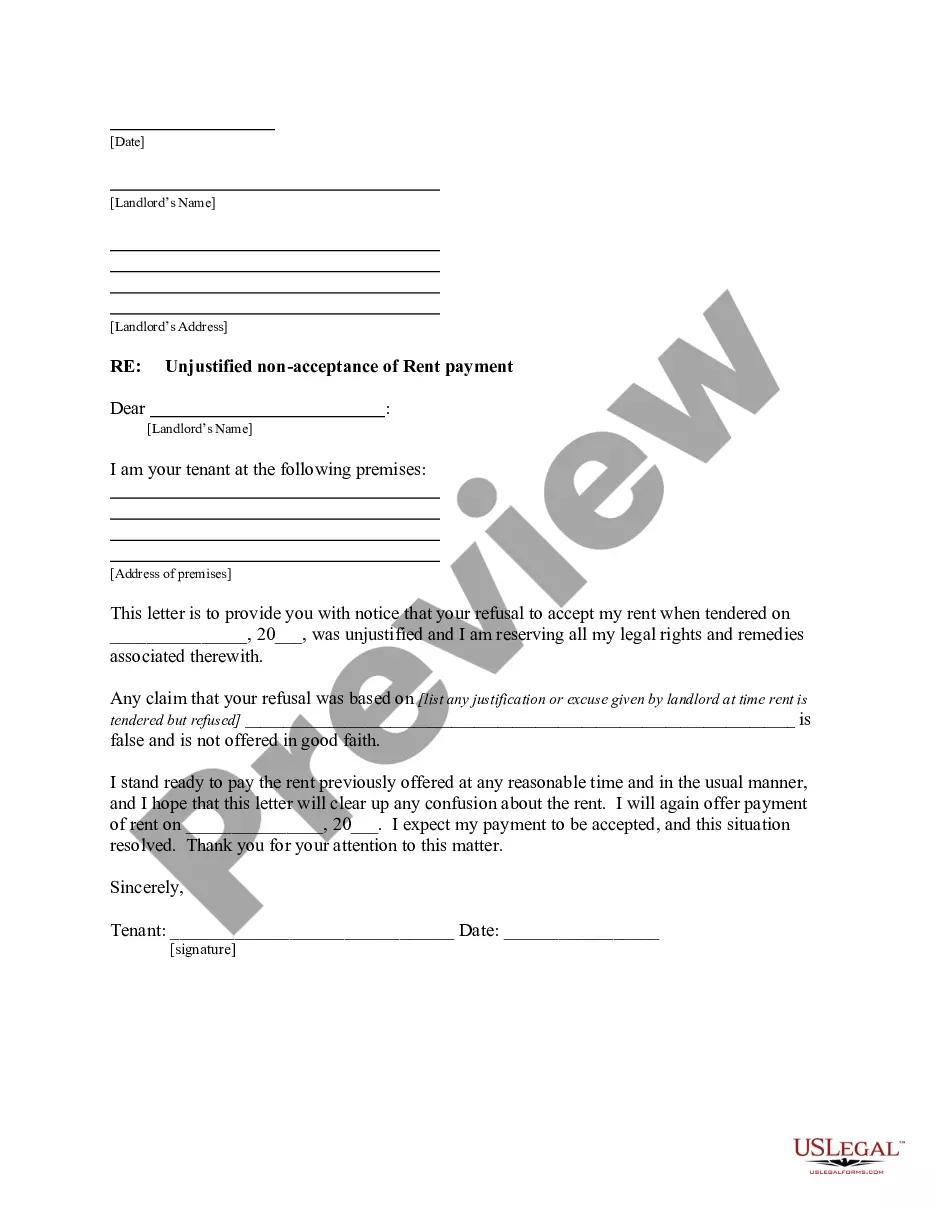
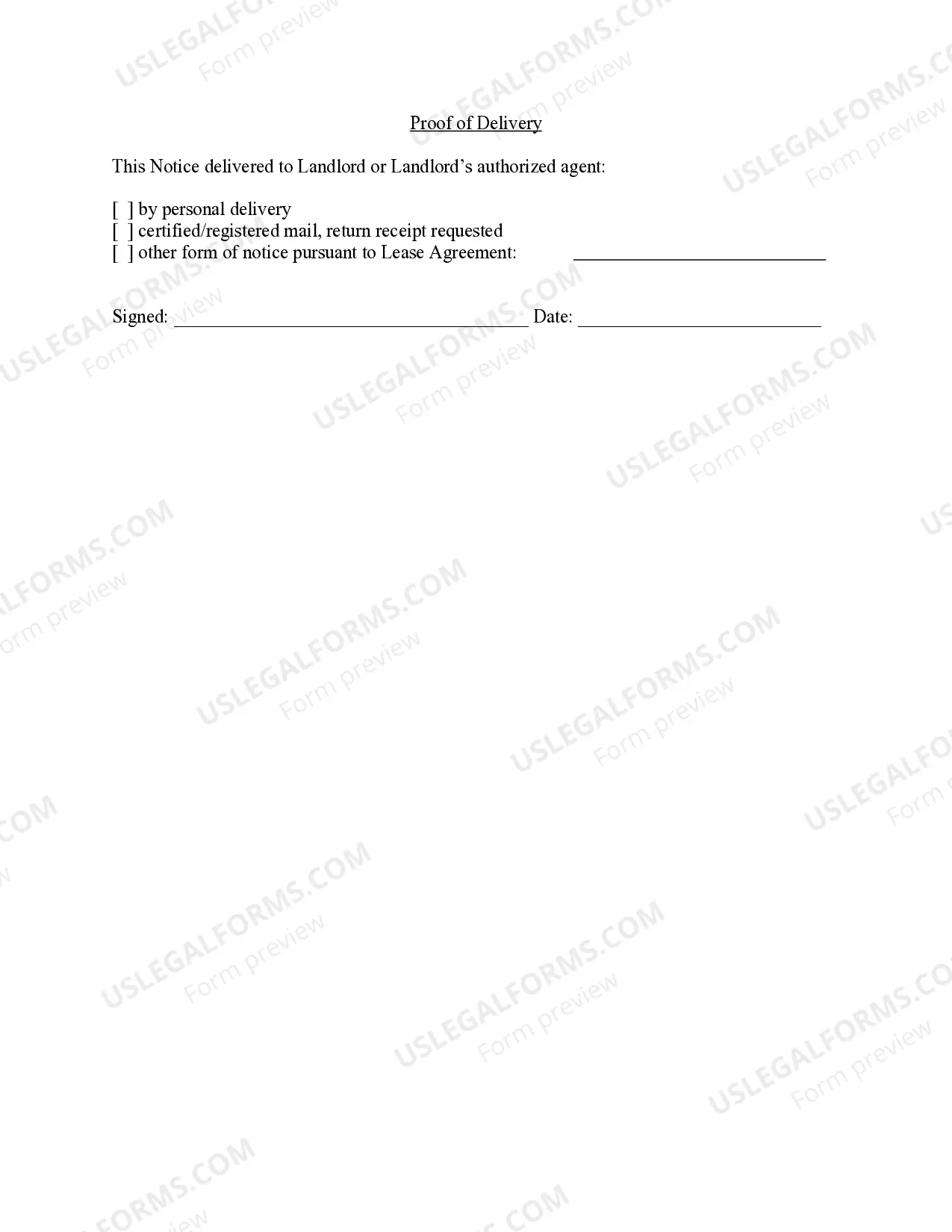
How to fill out Hawaii Letter From Tenant To Landlord Containing Notice To Cease Unjustified Nonacceptance Of Rent?
- If you are a returning user, log in to access your account and download the required form template directly to your device. Ensure your subscription is active; if not, consider renewing it based on your payment plan.
- For first-time users, begin by reviewing the Preview mode and form descriptions carefully to confirm that you have selected the correct form that meets your local jurisdiction's requirements.
- If you need another template, utilize the Search tab to find the appropriate document that aligns with your needs.
- Proceed to purchase the document. Click the Buy Now button and select your preferred subscription plan, creating an account to tap into the library’s extensive resources.
- Complete your transaction by providing your payment details through a credit card or PayPal and ensure your subscription is active.
- Finally, download your form to your device, allowing you to fill it out at your convenience. Also, remember that you can always access it later in the My Forms section of your profile.
In conclusion, US Legal Forms not only offers a robust collection of legal documents but also provides access to premium experts for assistance, ensuring your documentation processes conform to Hawaii cesspool law requirements.
Start streamlining your legal documentation today by visiting US Legal Forms and discovering how our services can benefit you.
Form popularity
FAQ
A cesspool is not necessarily better than a septic tank, especially under the current Hawaii cesspool law. While cesspools may have lower initial costs, they offer no treatment for wastewater, which can lead to environmental contamination. Septic tanks, on the other hand, provide some level of treatment, making them a safer and more compliant option in the long run.
Filling an old cesspool involves several steps to comply with Hawaii cesspool law. First, contact a licensed waste management service to safely pump the cesspool. Next, the cesspool must be backfilled with materials like gravel or soil, ensuring proper compacting. It’s essential to follow local regulations to avoid potential violations and ensure safety.
In Hawaii, a cesspool is a type of wastewater disposal system that collects sewage and allows it to seep into the ground. Unlike septic tanks, cesspools do not treat the wastewater; they merely store it. Due to environmental concerns, Hawaii cesspool law requires the conversion of cesspools to more efficient systems. Understanding these laws is crucial for homeowners to avoid fines.
To determine if you have a cesspool or a septic tank, start by looking for inspection ports or access lids in your yard. Cesspools usually have a single access point, while septic tanks have two. Additionally, cesspools are typically older and may not meet current Hawaii cesspool law regulations. If you are unsure, consider contacting a professional for an inspection.
While you may want to install your own septic system in Hawaii, it's crucial to follow state regulations outlined in Hawaii cesspool law. Homeowners must obtain the necessary permits and professional assessments to ensure proper installation and adherence to safety standards. DIY installation can lead to costly mistakes and environmental hazards, so consider consulting with a qualified professional. If you need assistance navigating the requirements, US Legal Forms can provide you with the necessary legal resources.
The cesspool Grant Program in Hawaii offers financial assistance to homeowners for converting cesspools to approved septic systems or other wastewater treatment options. This initiative aims to improve water quality and protect the environment, aligning with Hawaii cesspool law. By participating in the program, you can alleviate the financial burden associated with necessary upgrades. It's a great opportunity for homeowners to enhance their property while contributing to the state's ecological health.
In Hawaii, a septic system treats wastewater in a more advanced way compared to a cesspool. While a cesspool simply collects waste and allows it to disperse into the surrounding soil, a septic system uses a tank to break down waste with the help of bacteria. Under Hawaii cesspool law, cesspools are being phased out because they pose environmental risks. It's important for residents to understand these differences, especially when considering how to comply with local regulations.
The ban on new cesspools in Hawaii was enacted in 2016 as part of efforts to improve environmental health and safety. Existing cesspools can remain operational, but owners must comply with state laws regarding upgrades and maintenance. It's important to stay informed, as compliance is critical to prevent fines and protect water resources.
Cesspools collect wastewater and allow solids to settle while liquids seep into the surrounding soil. Though they have been a common solution, cesspools can lead to groundwater contamination. Understanding how cesspools function emphasizes the need for adhering to Hawaii cesspool law and considering alternatives.
Hawaii cesspool law officially banned the construction of new cesspools in 2016. This ban was part of a larger initiative to protect water quality and public health. Homeowners with existing cesspools must be aware of ongoing regulations and potential penalties if they do not comply with state laws.