Ga Covenants For A Neighborhood
Description

Get your form ready online
Our built-in tools help you complete, sign, share, and store your documents in one place.
Make edits, fill in missing information, and update formatting in US Legal Forms—just like you would in MS Word.
Download a copy, print it, send it by email, or mail it via USPS—whatever works best for your next step.
Sign and collect signatures with our SignNow integration. Send to multiple recipients, set reminders, and more. Go Premium to unlock E-Sign.
If this form requires notarization, complete it online through a secure video call—no need to meet a notary in person or wait for an appointment.
We protect your documents and personal data by following strict security and privacy standards.

Make edits, fill in missing information, and update formatting in US Legal Forms—just like you would in MS Word.

Download a copy, print it, send it by email, or mail it via USPS—whatever works best for your next step.

Sign and collect signatures with our SignNow integration. Send to multiple recipients, set reminders, and more. Go Premium to unlock E-Sign.

If this form requires notarization, complete it online through a secure video call—no need to meet a notary in person or wait for an appointment.

We protect your documents and personal data by following strict security and privacy standards.
Looking for another form?


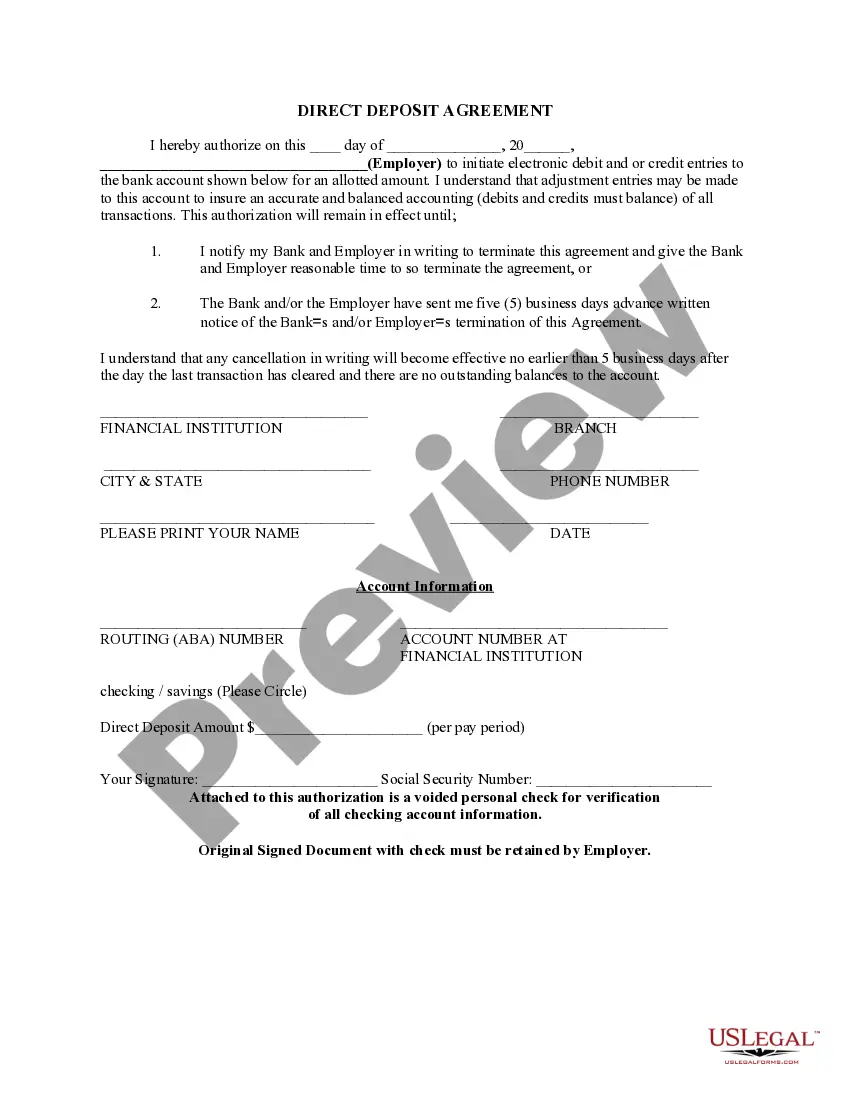




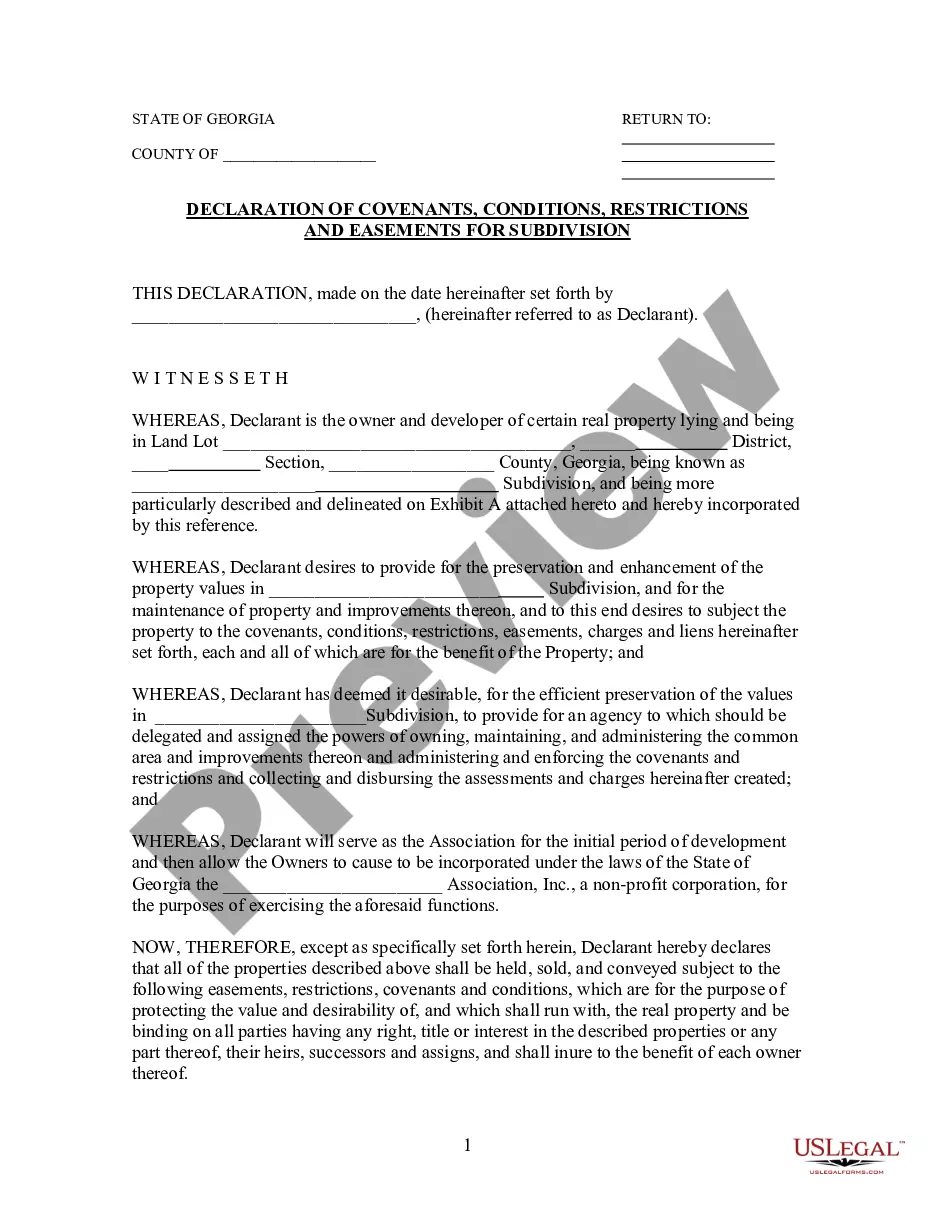
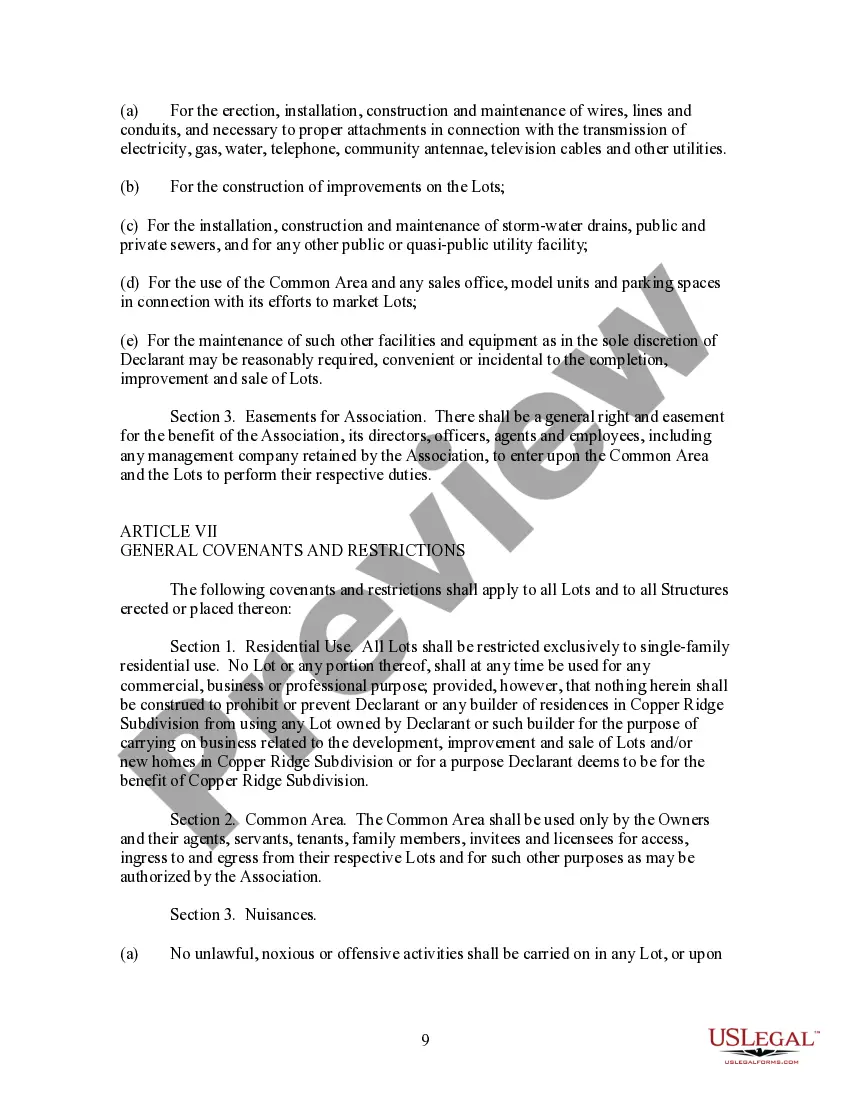
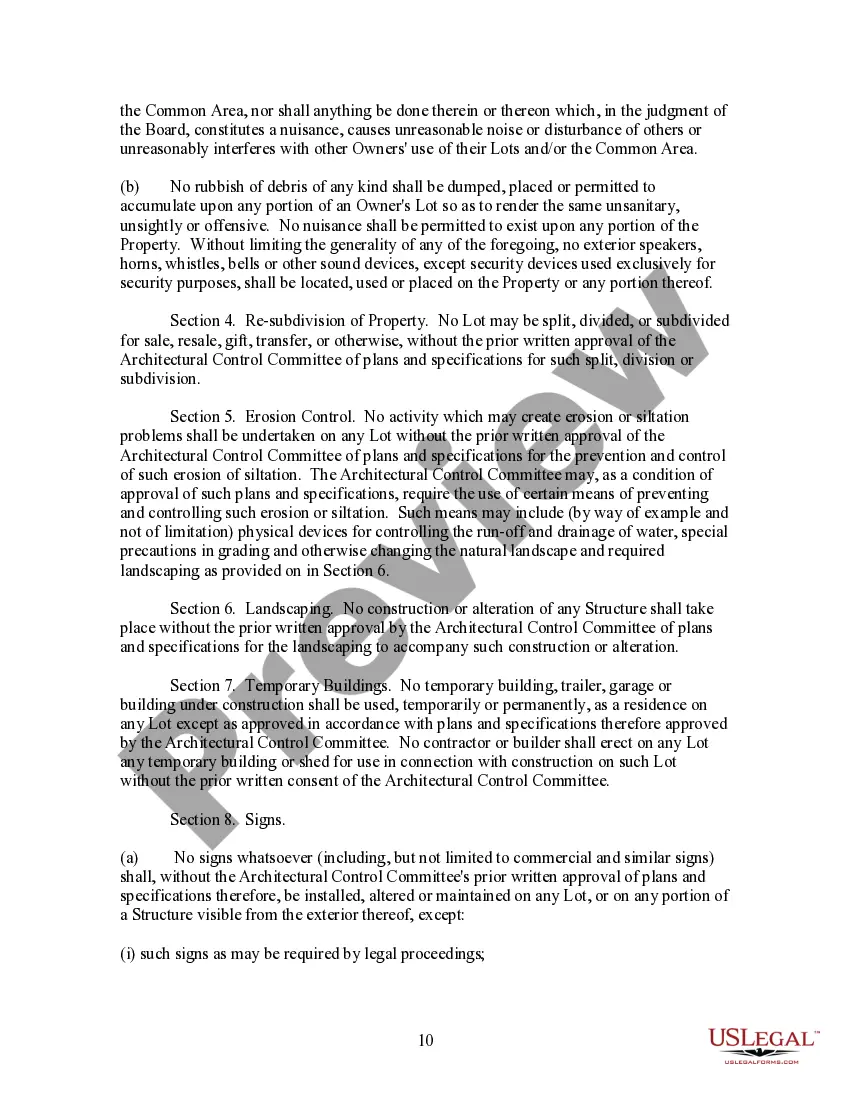
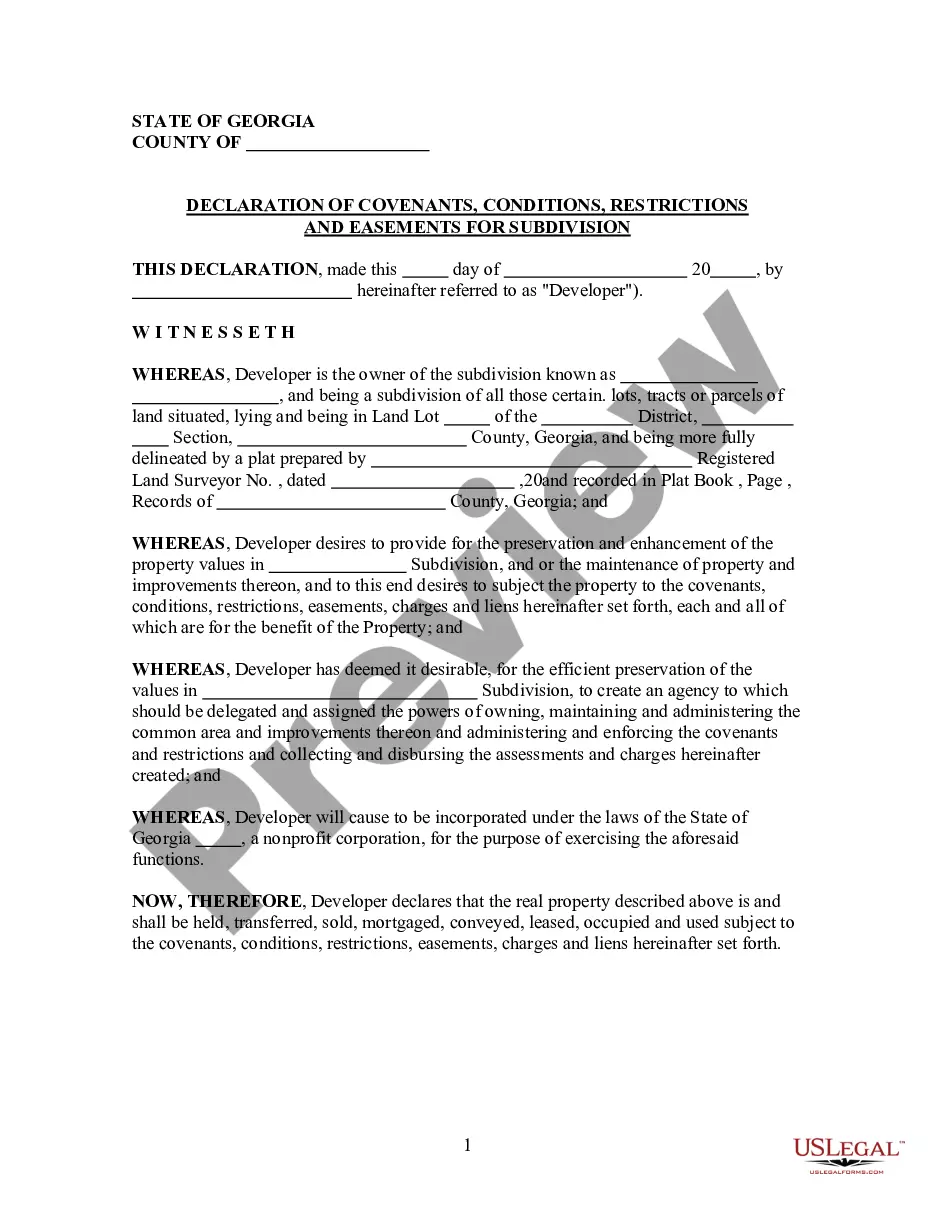
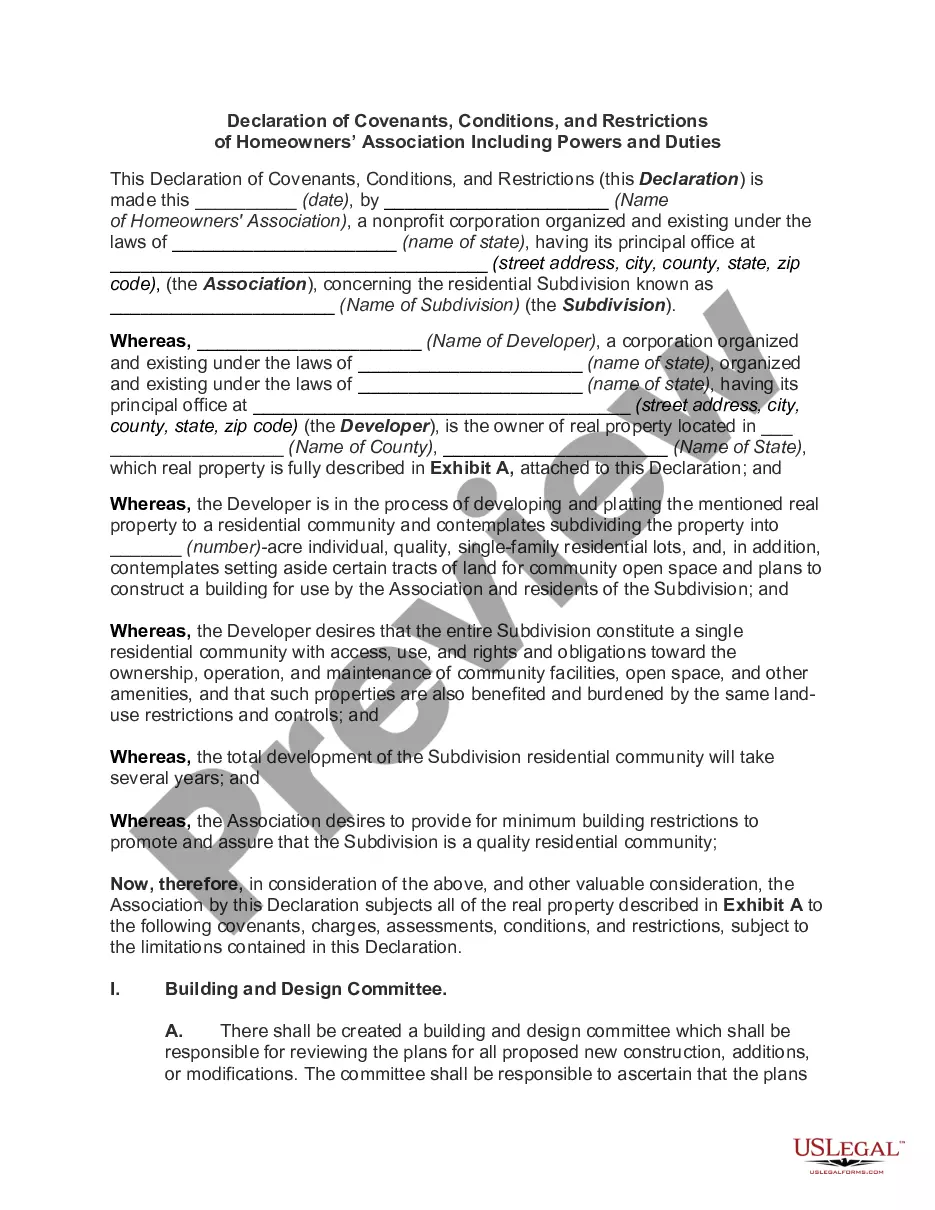
How to fill out Georgia Declaration Of Covenants, Conditions, Restrictions And Easements For A Subdivision?
Utilizing legal templates that adhere to federal and local laws is crucial, and the internet provides a multitude of choices to select from.
However, what's the purpose of squandering time searching for the appropriate Ga Covenants For A Neighborhood example online when the US Legal Forms digital library already has such templates gathered in one location.
US Legal Forms is the top online legal repository with over 85,000 editable templates created by lawyers for various professional and personal circumstances. They are easy to navigate with all documents categorized by state and intended use. Our experts keep up with legislative changes, ensuring your paperwork remains current and compliant when obtaining a Ga Covenants For A Neighborhood from our platform.
Click Buy Now once you've located the appropriate form and select a subscription plan. Establish an account or Log In and process payment via PayPal or a credit card. Choose the format for your Ga Covenants For A Neighborhood and download it. All documents you discover through US Legal Forms are reusable. To re-download and complete previously acquired forms, access the My documents tab in your account. Take advantage of the most comprehensive and user-friendly legal documentation service!
- Acquiring a Ga Covenants For A Neighborhood is quick and straightforward for both existing and new users.
- If you already possess an account with an active subscription, Log In and save the document template you require in the preferred format.
- If you are new to our site, follow the steps outlined below.
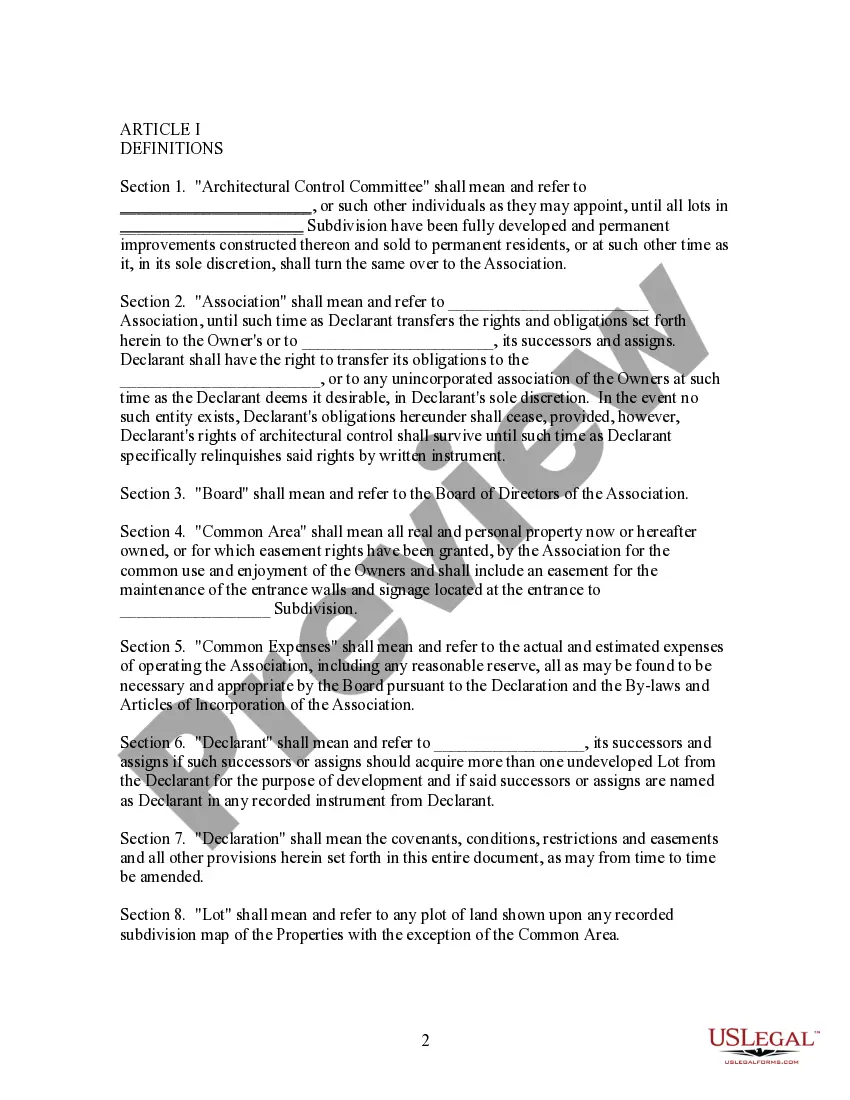
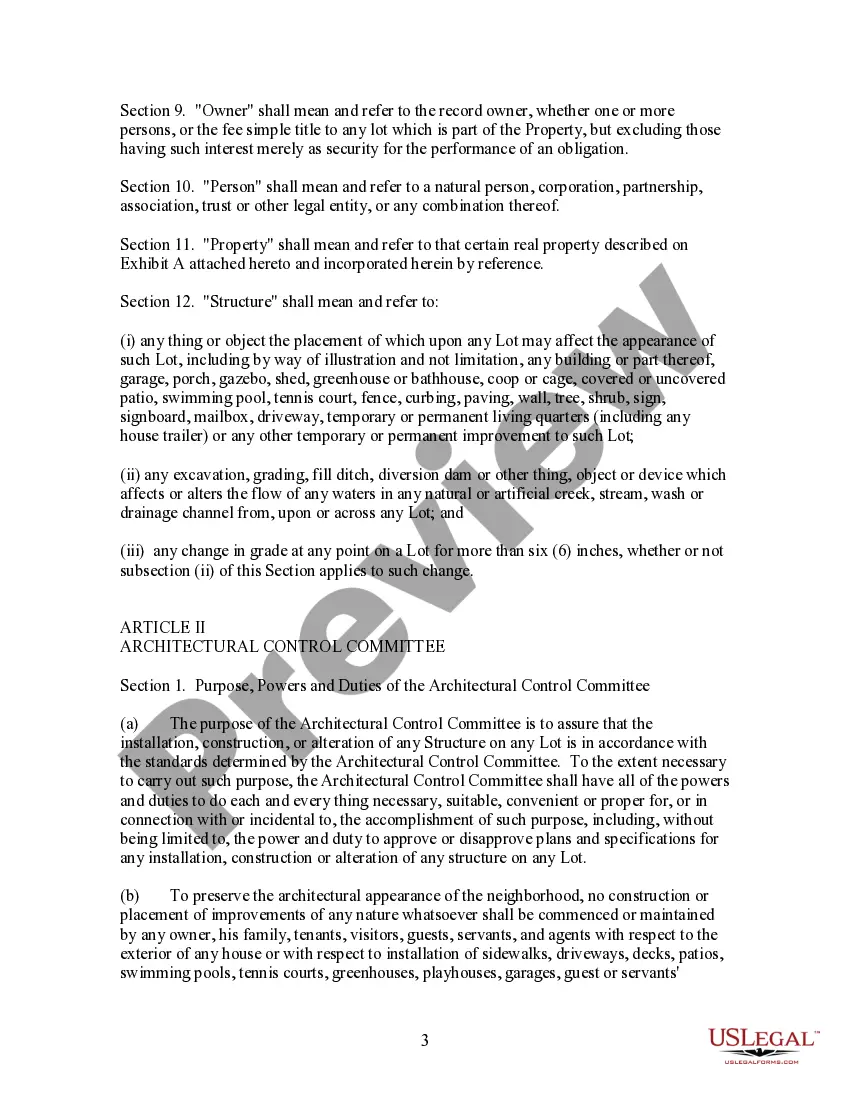
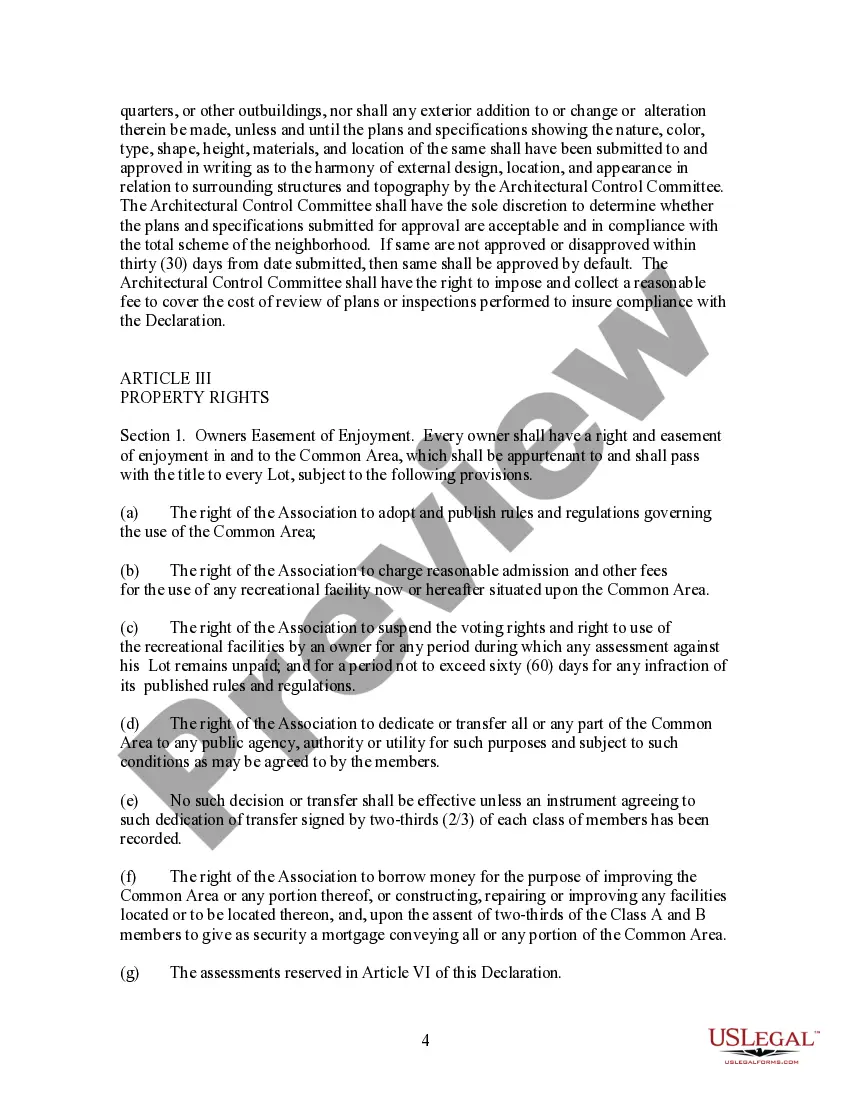
- Review the template using the Preview function or through the text outline to ensure it satisfies your needs.
- Search for an alternative template using the search tool at the top of the page if necessary.
Form popularity
FAQ
You can make a covenant by completing the Deed of Covenant Form for Individuals (pdf). You can also ask a professional adviser such as a solicitor or accountant to make a deed. The deed must be properly drawn up, signed, witnessed, sealed and delivered to the covenantee.
A judge can rule to void the restriction from your deed, or from the common CC&Rs of the association. This is usually very difficult. In most cases, you will have to prove that the HOA does not have the right to enforce the restriction, or that they have not exercised the right.
The Act grants Georgia courts the authority to judicially modify covenants in employment agreements that would otherwise be too broad to enforce.
If the restrictive covenant meets certain criteria, you can apply to the Upper Tribunal to have it removed. Alternatively, if all parties who benefit from the restrictive covenant agree, a Deed of Release can be used to remove it.
Perpetual Duration: Prior to 1993, Georgia law generally provided that covenants expire after 20 years. In 1994, the law was amended to permit covenants to automatically renew.