Secured Vs Unsecured Debt Examples
Description
Get your form ready online
Our built-in tools help you complete, sign, share, and store your documents in one place.
Make edits, fill in missing information, and update formatting in US Legal Forms—just like you would in MS Word.
Download a copy, print it, send it by email, or mail it via USPS—whatever works best for your next step.
Sign and collect signatures with our SignNow integration. Send to multiple recipients, set reminders, and more. Go Premium to unlock E-Sign.
If this form requires notarization, complete it online through a secure video call—no need to meet a notary in person or wait for an appointment.
We protect your documents and personal data by following strict security and privacy standards.

Make edits, fill in missing information, and update formatting in US Legal Forms—just like you would in MS Word.

Download a copy, print it, send it by email, or mail it via USPS—whatever works best for your next step.

Sign and collect signatures with our SignNow integration. Send to multiple recipients, set reminders, and more. Go Premium to unlock E-Sign.

If this form requires notarization, complete it online through a secure video call—no need to meet a notary in person or wait for an appointment.

We protect your documents and personal data by following strict security and privacy standards.
Looking for another form?
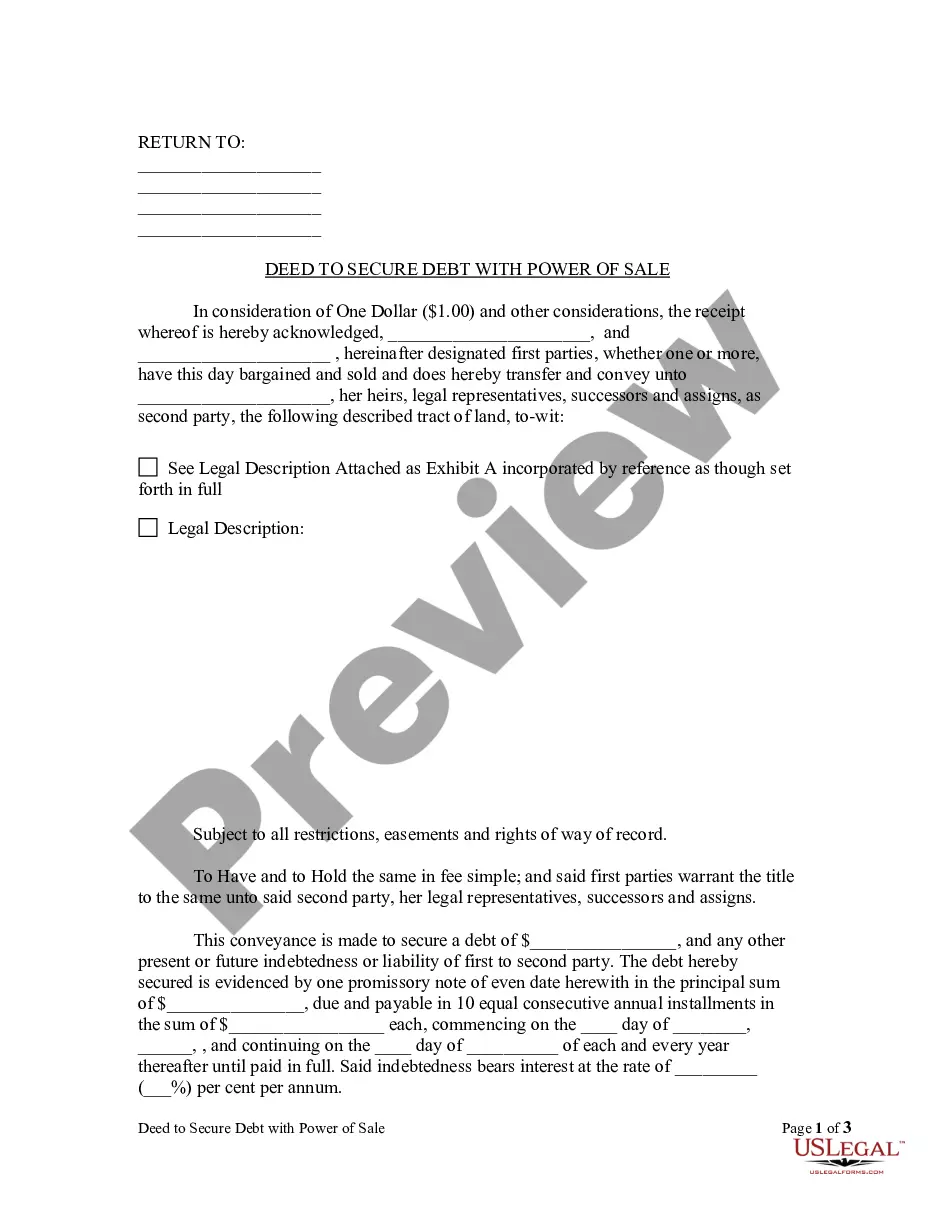
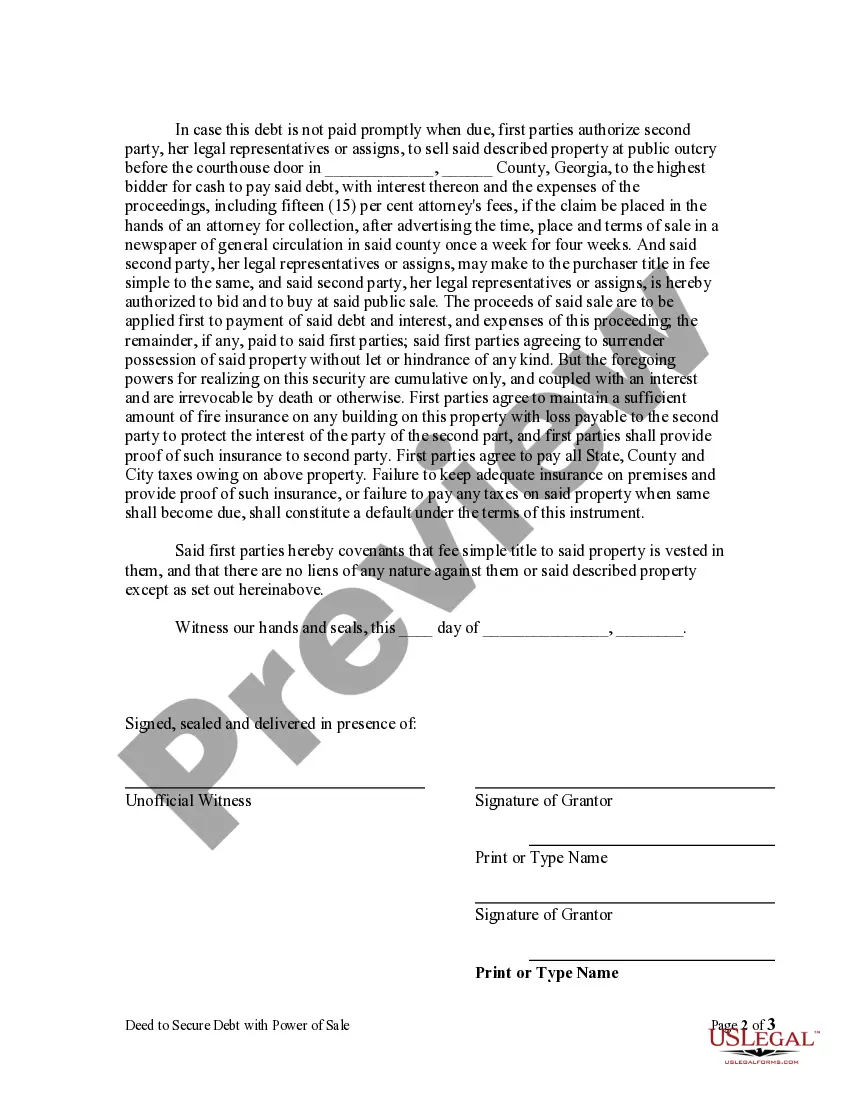
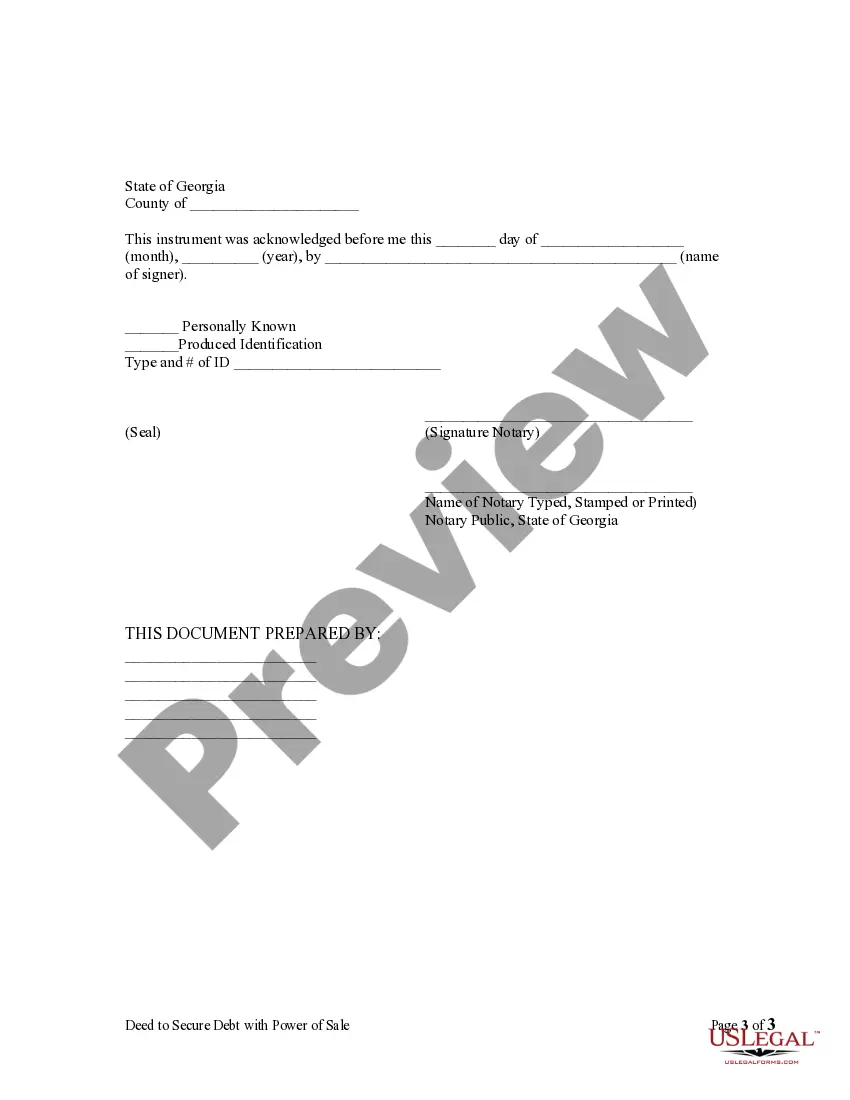
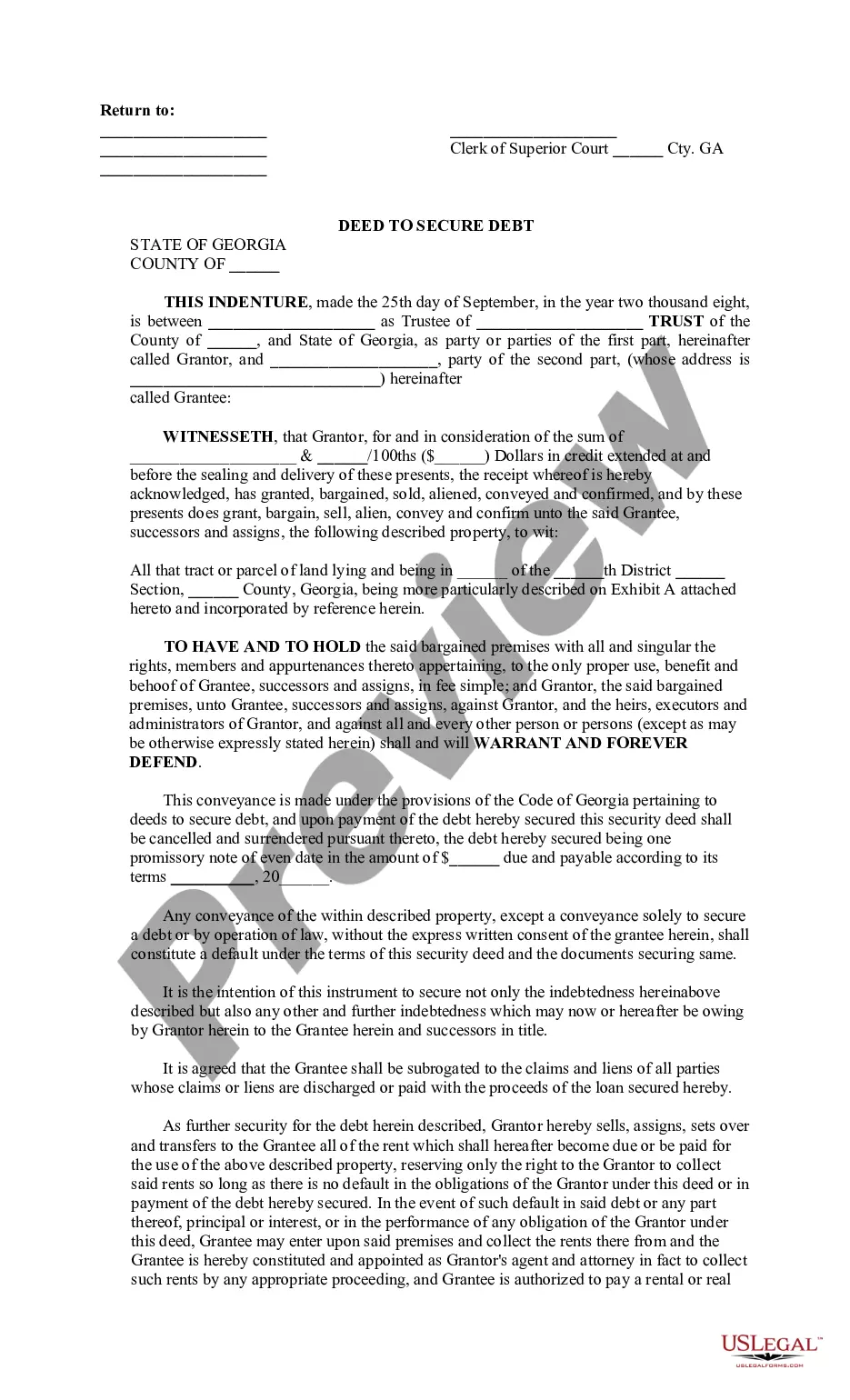
How to fill out Georgia Deed To Secure Debt With Power Of Sale?
Managing legal documentation can be daunting, even for the most proficient experts.
When you are looking for examples of Secured Vs Unsecured Debt and lack the time to find the right and current version, the process can be stressful.
US Legal Forms caters to all your needs, from personal to commercial documentation, all conveniently gathered in one location.
Utilize advanced tools to complete and manage your examples of Secured Vs Unsecured Debt.
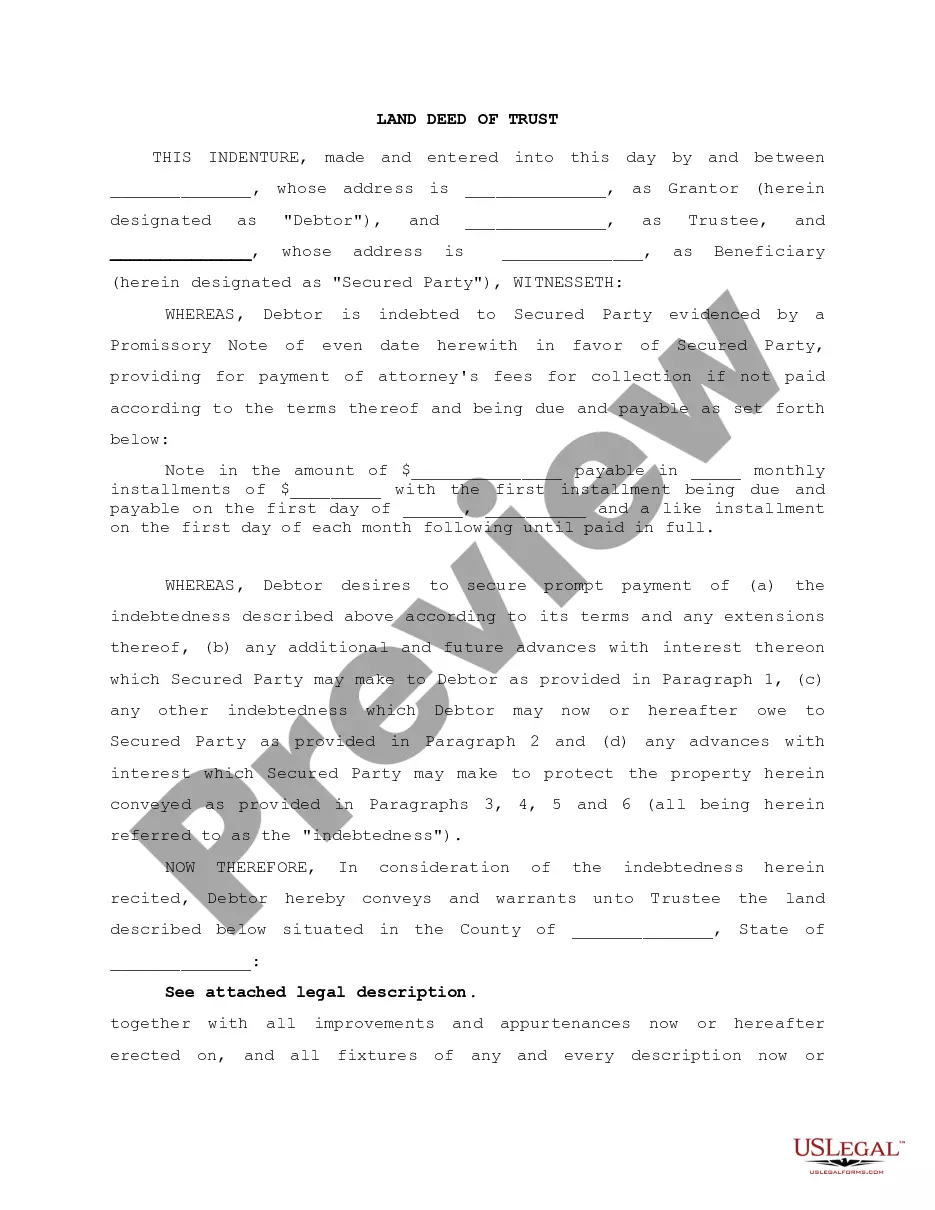
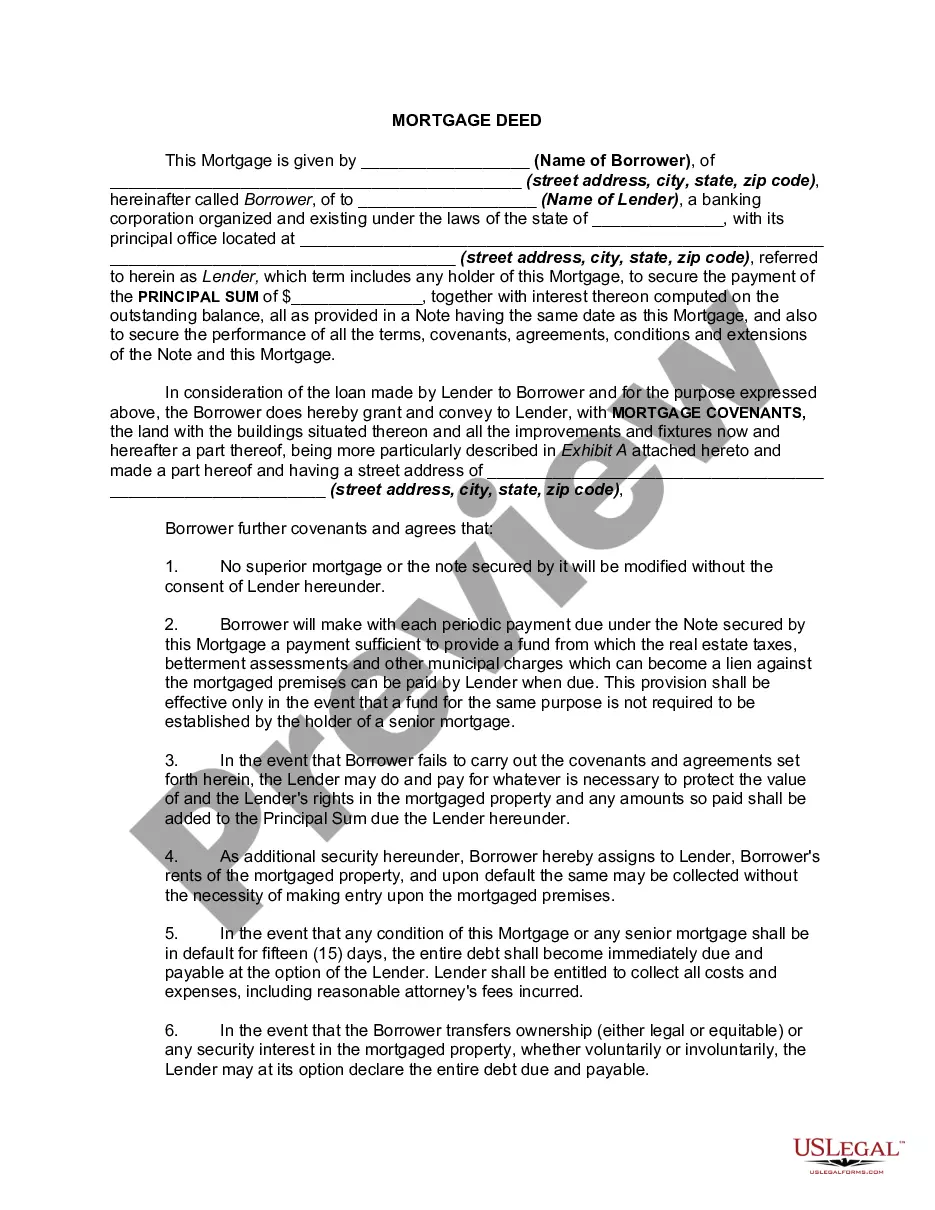
Here are the steps to follow once you've acquired the form you need: Verify it is the correct form by previewing it and reviewing its details.
- Access an extensive resource library filled with articles, guides, handbooks, and materials relevant to your situation and needs.
- Save time and energy locating the documents you require, and take advantage of US Legal Forms’ enhanced search and Review feature to discover examples of Secured Vs Unsecured Debt and obtain them.
- If you have a monthly subscription, Log Into your US Legal Forms account, look for the form, and retrieve it.
- Check your My documents tab to review the documents you previously downloaded as well as organize your folders as you prefer.
- If this is your initial experience with US Legal Forms, create a complimentary account for unlimited access to all platform benefits.
- A comprehensive web form repository could be a transformative tool for anyone aiming to navigate these scenarios efficiently.
- US Legal Forms stands as a frontrunner in the realm of online legal forms, offering over 85,000 state-specific legal documents accessible at any time.
- With US Legal Forms, you can access legal and business forms tailored to specific states or counties.
Form popularity
FAQ
To determine if your debt is secured or unsecured, assess whether you have pledged any assets as collateral. Secured debts, like mortgages or auto loans, require collateral, while unsecured debts, such as credit card balances or personal loans, do not. Understanding these distinctions is crucial, as it influences your financial decisions and potential outcomes in case of default. For more clarity, consider using resources like USLegalForms, which can guide you through the types of debt you may have.
While secured debt uses property as collateral to support the loan, unsecured debt has no collateral attached to it. So, you won't have to worry about putting your asset at risk if you choose the latter.
Examples of secured debt include mortgages, auto loans and secured credit cards. Unsecured debt doesn't require collateral. But missed unsecured debt payments or defaults can still have consequences. Examples of unsecured debt include student loans, personal loans and traditional credit cards.
Examples of secured debt include homes loans and car loans. The loan is secured by the car or home, which means that the person you owe the debt to can repossess the car or foreclose on the home if you fail to pay the debt.
Examples of secured debt include mortgages, auto loans and secured credit cards. Unsecured debt doesn't require collateral. But missed unsecured debt payments or defaults can still have consequences. Examples of unsecured debt include student loans, personal loans and traditional credit cards.
A secured loan is a type of loan backed by an asset such as a car or a house. Mortgages and car loans are examples of secured loans.