60 Day Notice For Rent Increase
Description
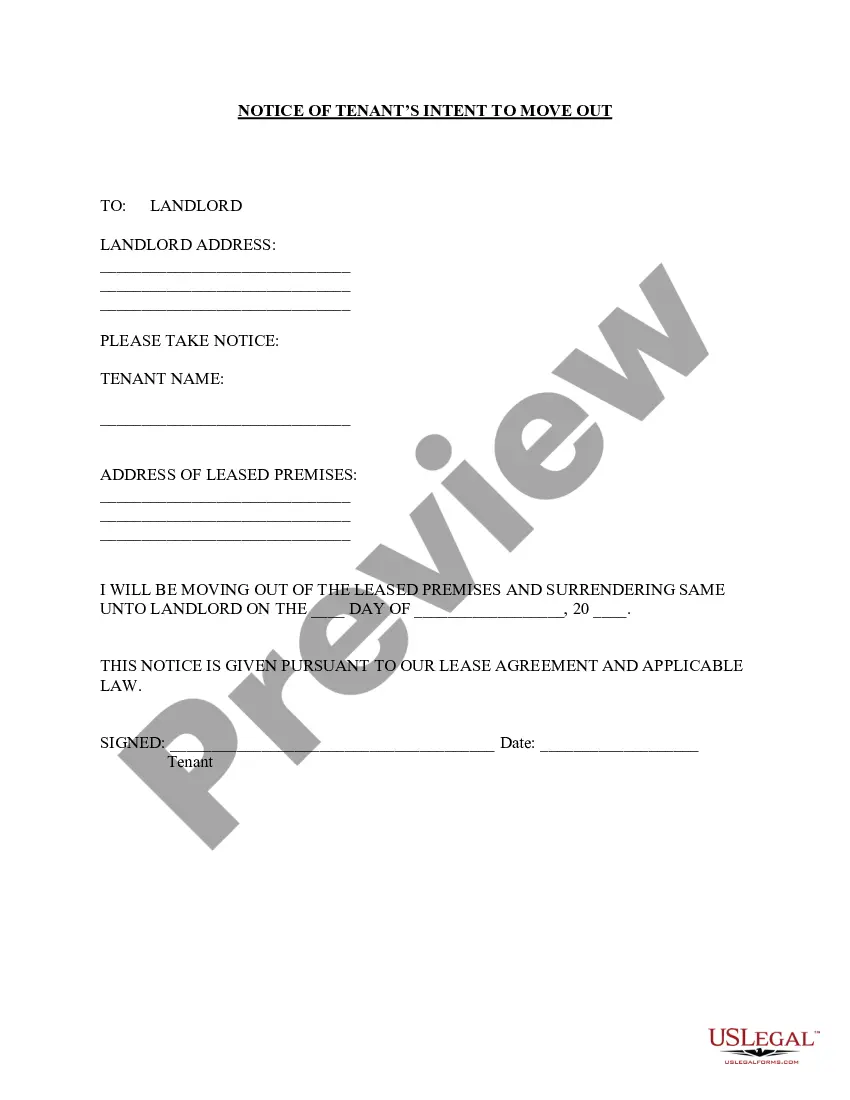

Get your form ready online
Our built-in tools help you complete, sign, share, and store your documents in one place.
Make edits, fill in missing information, and update formatting in US Legal Forms—just like you would in MS Word.
Download a copy, print it, send it by email, or mail it via USPS—whatever works best for your next step.
Sign and collect signatures with our SignNow integration. Send to multiple recipients, set reminders, and more. Go Premium to unlock E-Sign.
If this form requires notarization, complete it online through a secure video call—no need to meet a notary in person or wait for an appointment.
We protect your documents and personal data by following strict security and privacy standards.

Make edits, fill in missing information, and update formatting in US Legal Forms—just like you would in MS Word.

Download a copy, print it, send it by email, or mail it via USPS—whatever works best for your next step.

Sign and collect signatures with our SignNow integration. Send to multiple recipients, set reminders, and more. Go Premium to unlock E-Sign.

If this form requires notarization, complete it online through a secure video call—no need to meet a notary in person or wait for an appointment.

We protect your documents and personal data by following strict security and privacy standards.
Looking for another form?
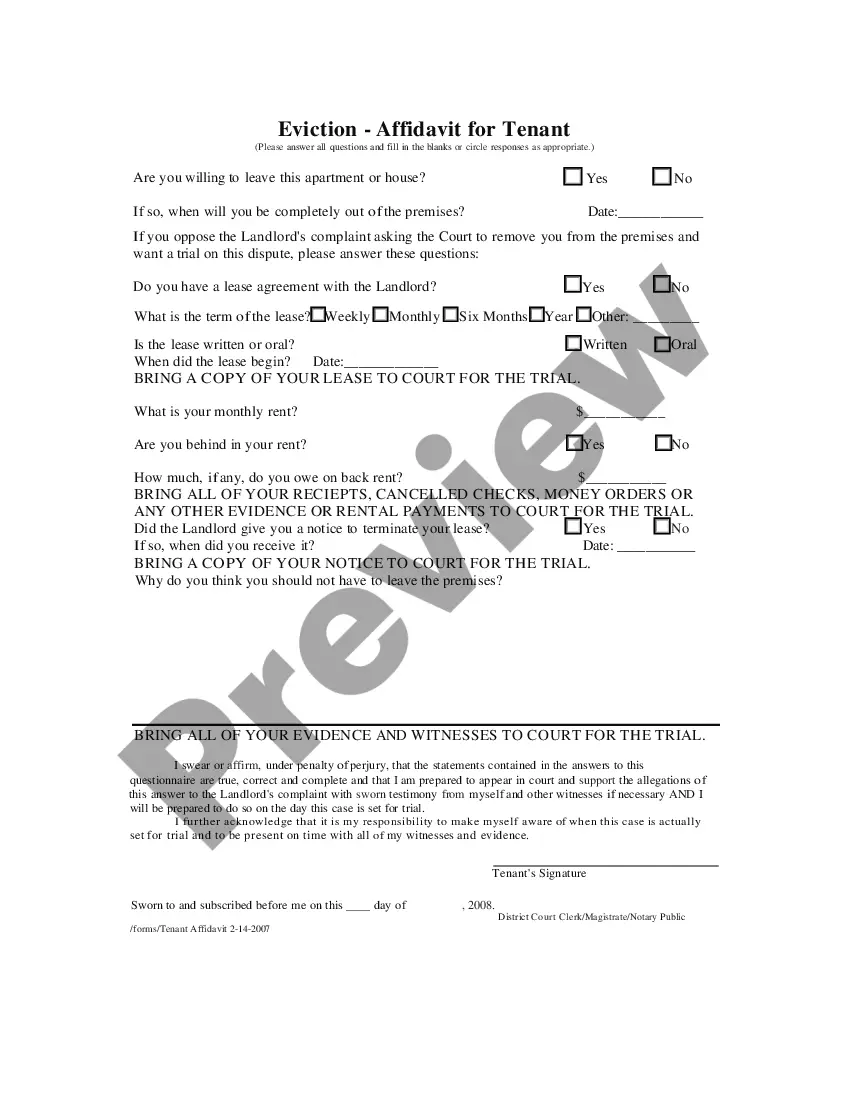
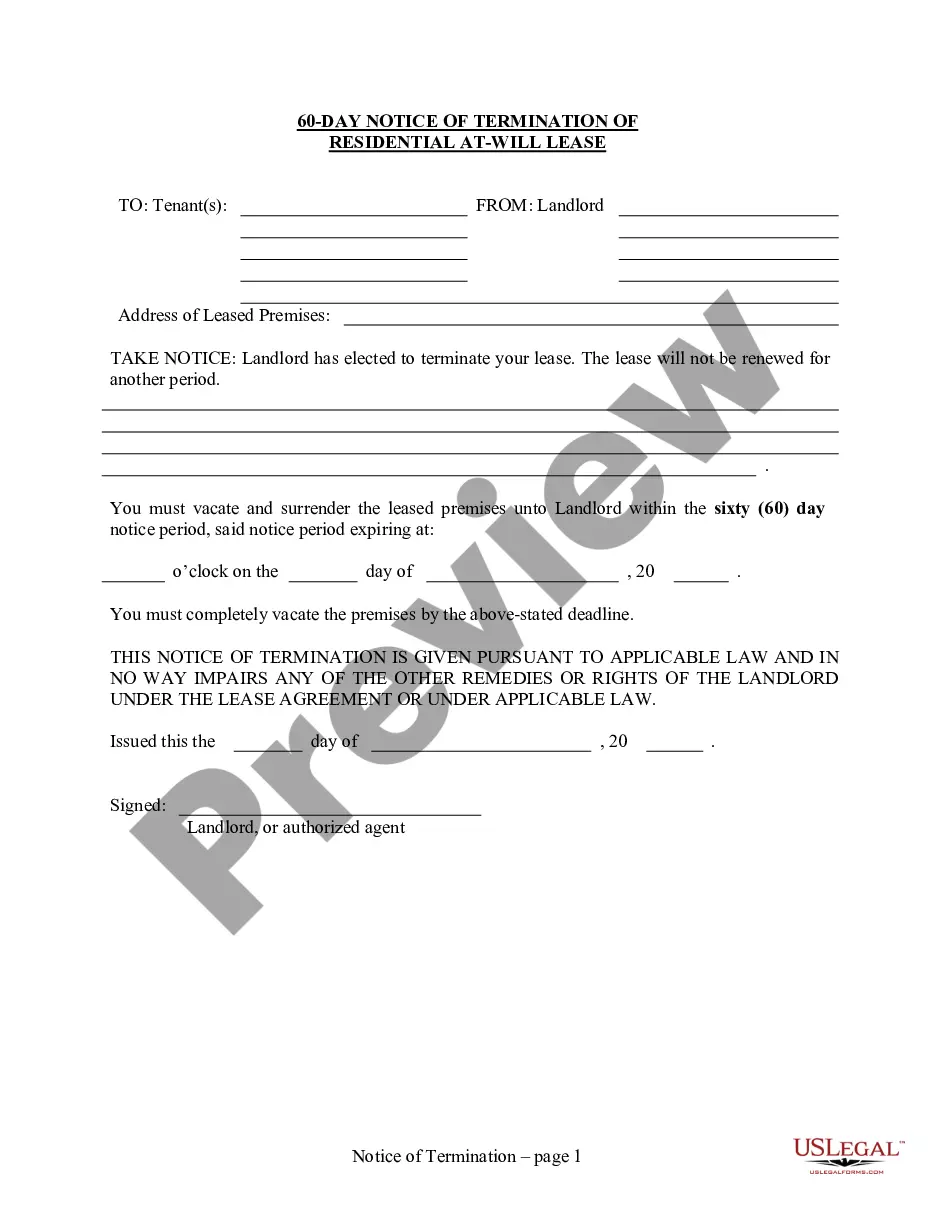
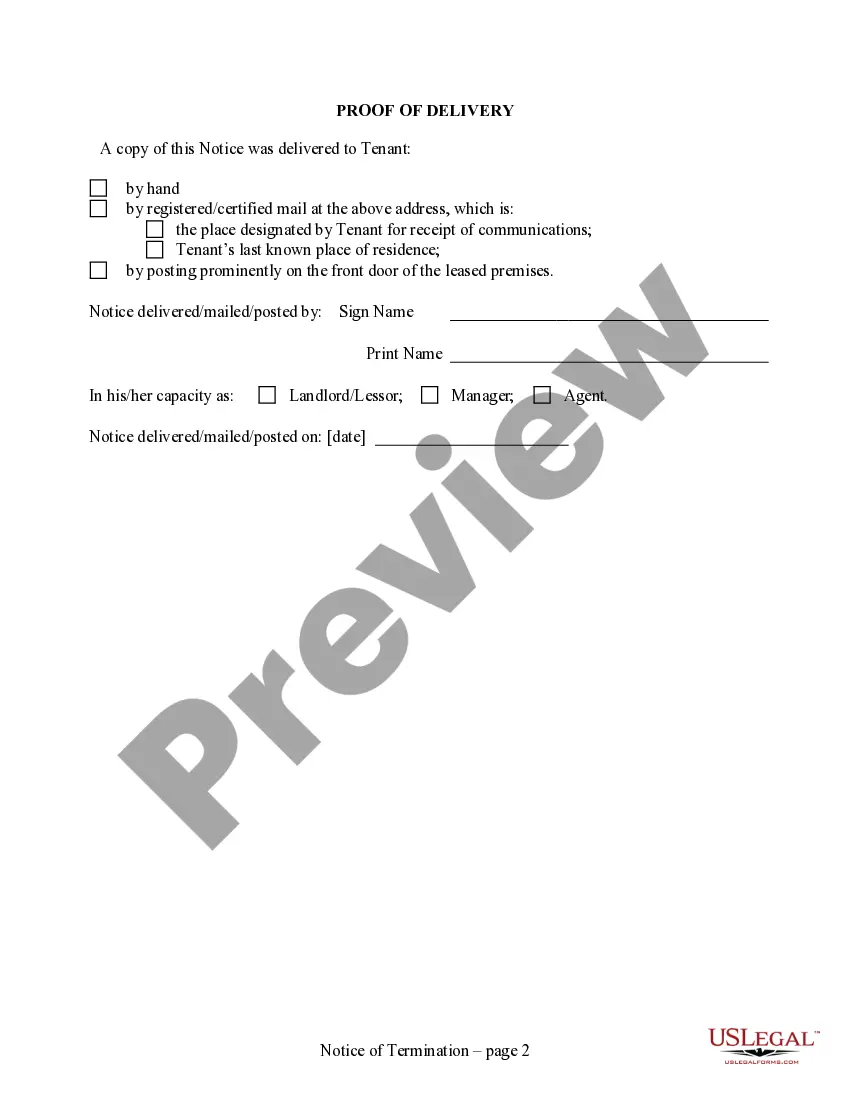
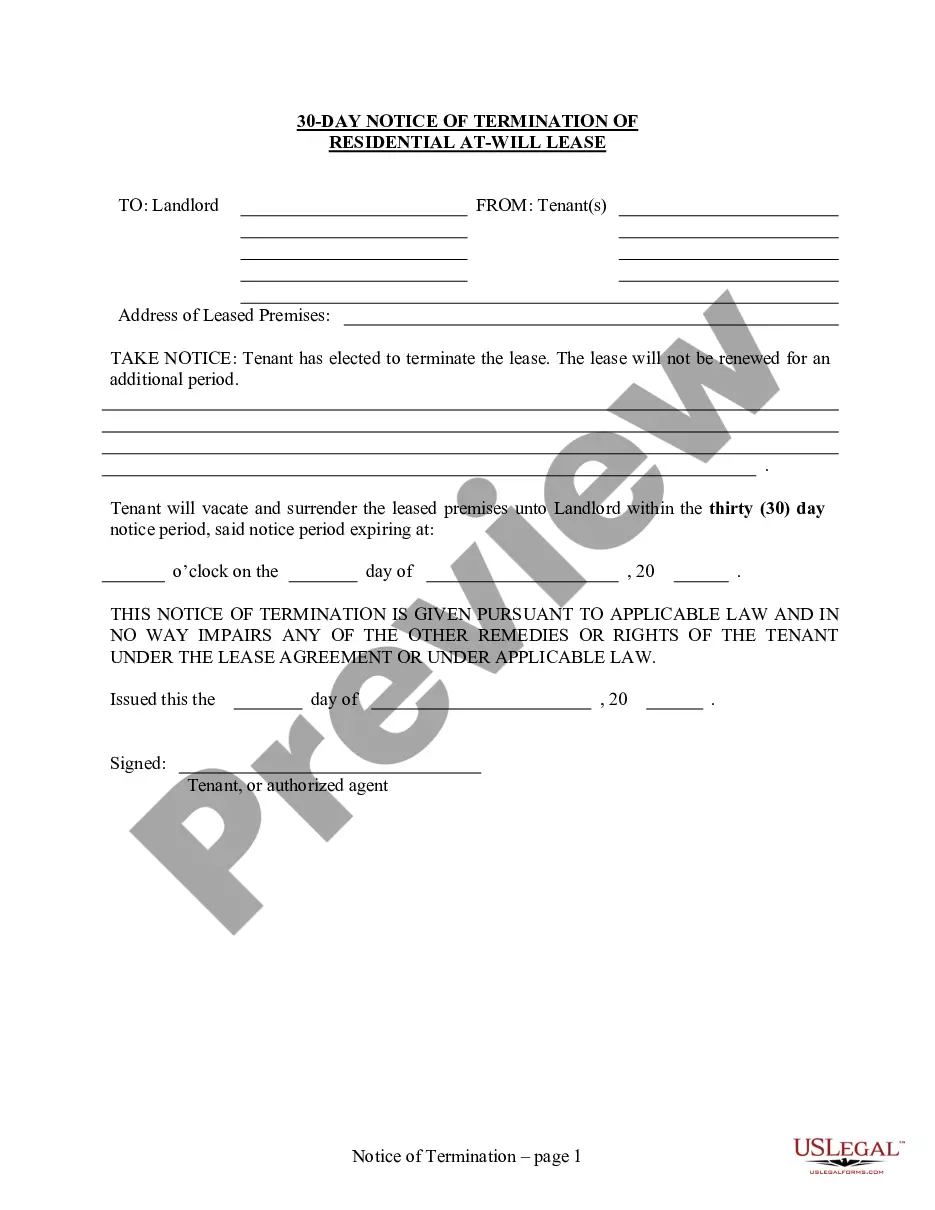
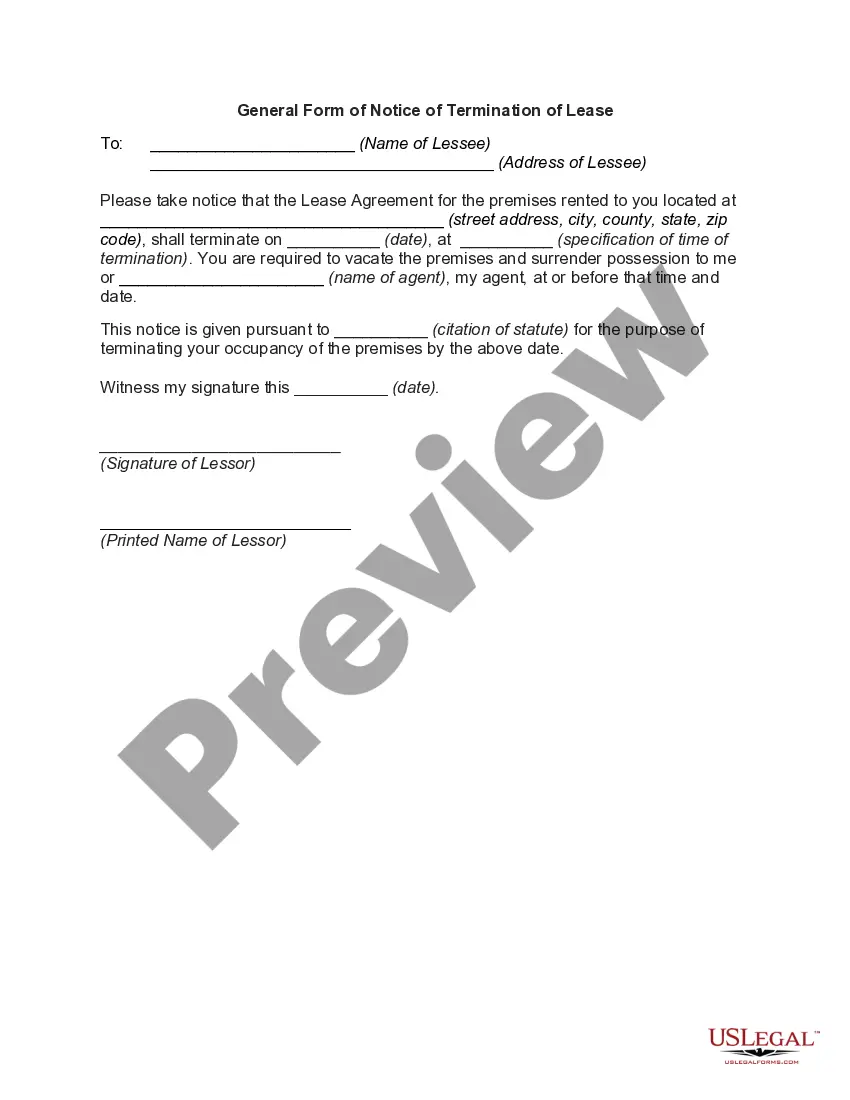
How to fill out Georgia 60 Day Notice To Terminate At-Will Lease From Landlord To Tenant?
The 60 Day Notification For Rent Augmentation presented on this site is a reusable legal framework crafted by expert attorneys in accordance with federal and local statutes.
For over 25 years, US Legal Forms has supplied individuals, businesses, and lawyers with more than 85,000 authenticated, state-specific documents for any business and personal situation.
Register for US Legal Forms to have authenticated legal templates for all of life's situations available to you.
- Examine the document you require and review it.
- Scan through the file you searched and preview it or assess the form description to confirm it meets your requirements. If it does not, utilize the search feature to find the correct one. Click Buy Now once you have identified the template you require.
- Register and Log In.
- Select the pricing option that fits your needs and create an account. Use PayPal or a debit/credit card to make an immediate payment. If you already possess an account, Log In and verify your subscription to proceed.
- Obtain the editable template.
- Select the format you prefer for your 60 Day Notification For Rent Augmentation (PDF, Word, RTF) and download the document to your device.
- Fill out and sign the documents.
- Print the template to complete it by hand. Alternatively, utilize an online versatile PDF editor to swiftly and accurately fill out and sign your form with an electronic signature.
- Download your files once again.
- You can reuse the same document anytime needed. Access the My documents section in your account to redownload any previously saved documents.
Form popularity
FAQ
Whether you must give a 60-day notice for rent increase in California depends on the length of the tenant's residency. If a tenant has lived at the property for more than one year, you are required to provide this notice. By following the proper procedures outlined in California law, you ensure a smoother transition and avoid potential legal challenges.
A 60 day notice at fault in California refers to a specific type of notice that landlords issue when tenants violate terms of their lease agreement. This notice provides the tenant 60 days to remedy the situation or vacate the property. It is essential to clearly state the reasons for the notice to maintain transparency and uphold legal standards.
In California, the amount of notice required for a rent increase depends on the duration of the tenant’s occupancy. If a tenant has resided in the rental unit for over one year, a 60 day notice for rent increase is necessary. For month-to-month tenants who have lived there for less than one year, a 30 day notice suffices.
Yes, a 60 day notice for rent increase is legal in California under specific circumstances. Landlords must provide this notice when increasing the rent for month-to-month tenants who have lived in the property for more than one year. It is crucial to follow the legal requirements to avoid disputes and ensure compliance.
To give notice of a rent increase in Ontario, you must provide a written notice that complies with local regulations. Include the old rent amount, the new rent amount, and the date the increase will begin, ensuring you respect the 60 day notice for rent increase. Using a template from US Legal Forms can help you craft a compliant and professional notice.
In Ontario, tenants are required to provide their landlord with a minimum of 60 days notice for a rent increase. This timeframe allows landlords to plan and adjust accordingly. It’s crucial to put this notice in writing to avoid any misunderstandings. For precise documentation, US Legal Forms offers templates that can help you communicate effectively.
When writing a letter to inform a tenant about a rent increase, start with a polite greeting, followed by the purpose of the letter. Clearly state the current rent, the new rent amount, and the effective date, making sure to adhere to the required 60 day notice for rent increase. For additional guidance, you can refer to templates available on US Legal Forms, ensuring your letter meets legal standards.
Approaching your landlord about a rent increase requires a balanced and respectful conversation. Start by expressing your understanding of their situation while sharing your concerns. Discuss the 60 day notice for rent increase, as it helps set clear expectations for both parties. If you need assistance, consider utilizing resources from US Legal Forms to understand your rights and responsibilities.
To notify a tenant of a rent increase in Ontario, you must provide a written notice. This notice should state the new rent amount and the date it will take effect. It's essential to deliver this 60 day notice for rent increase in accordance with the Residential Tenancies Act to ensure compliance. Using a template from platforms like US Legal Forms can streamline this process.
On average, rent increases in Ohio range between 3% to 5% per year, but this can vary based on location and market demand. Landlords should always provide a 60-day notice for rent increase when implementing new rates. Keeping abreast of economic trends can help both landlords and tenants gauge expected changes.