Georgia Tenant Notice Withdraw
Description
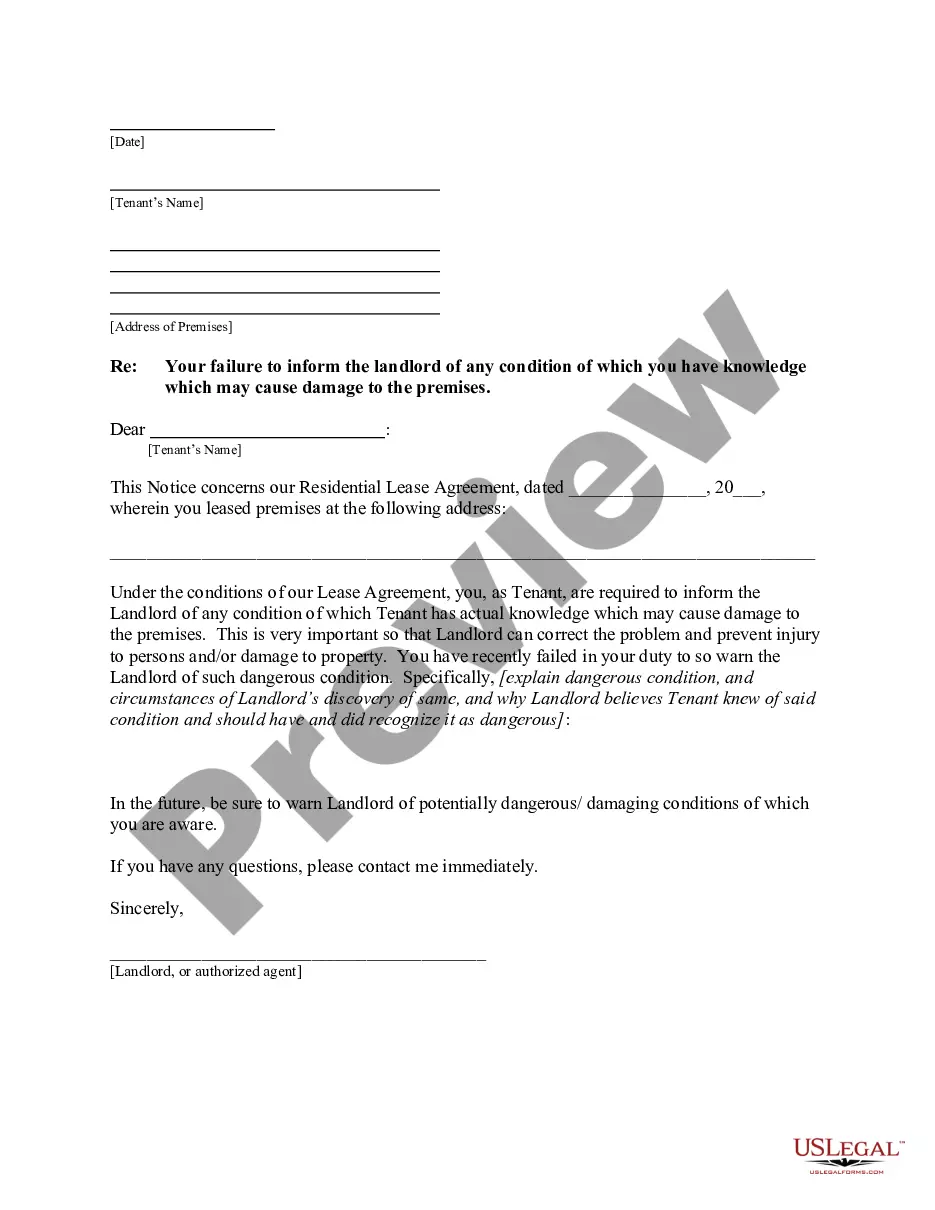
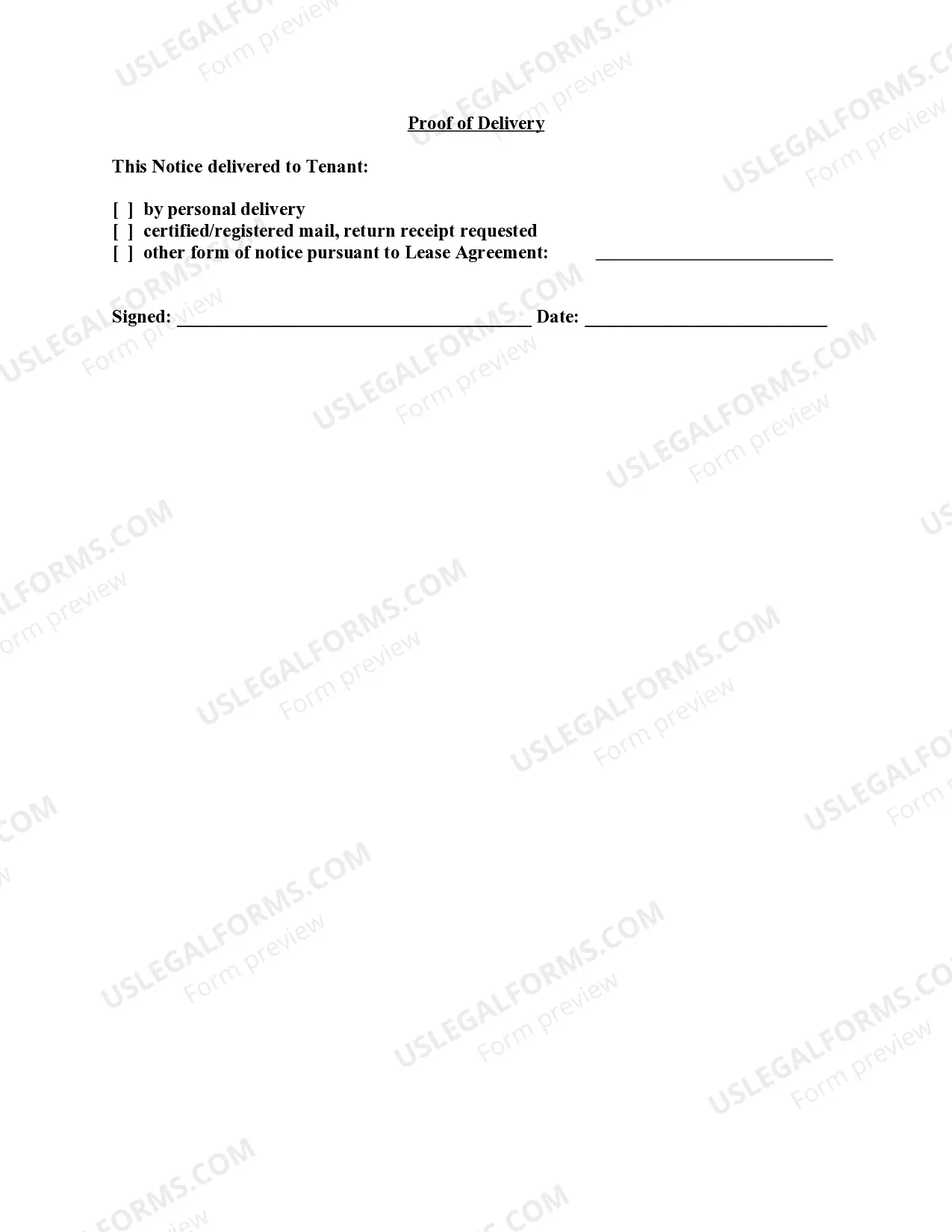

Get your form ready online
Our built-in tools help you complete, sign, share, and store your documents in one place.
Make edits, fill in missing information, and update formatting in US Legal Forms—just like you would in MS Word.
Download a copy, print it, send it by email, or mail it via USPS—whatever works best for your next step.
Sign and collect signatures with our SignNow integration. Send to multiple recipients, set reminders, and more. Go Premium to unlock E-Sign.
If this form requires notarization, complete it online through a secure video call—no need to meet a notary in person or wait for an appointment.
We protect your documents and personal data by following strict security and privacy standards.

Make edits, fill in missing information, and update formatting in US Legal Forms—just like you would in MS Word.

Download a copy, print it, send it by email, or mail it via USPS—whatever works best for your next step.

Sign and collect signatures with our SignNow integration. Send to multiple recipients, set reminders, and more. Go Premium to unlock E-Sign.

If this form requires notarization, complete it online through a secure video call—no need to meet a notary in person or wait for an appointment.

We protect your documents and personal data by following strict security and privacy standards.
Looking for another form?
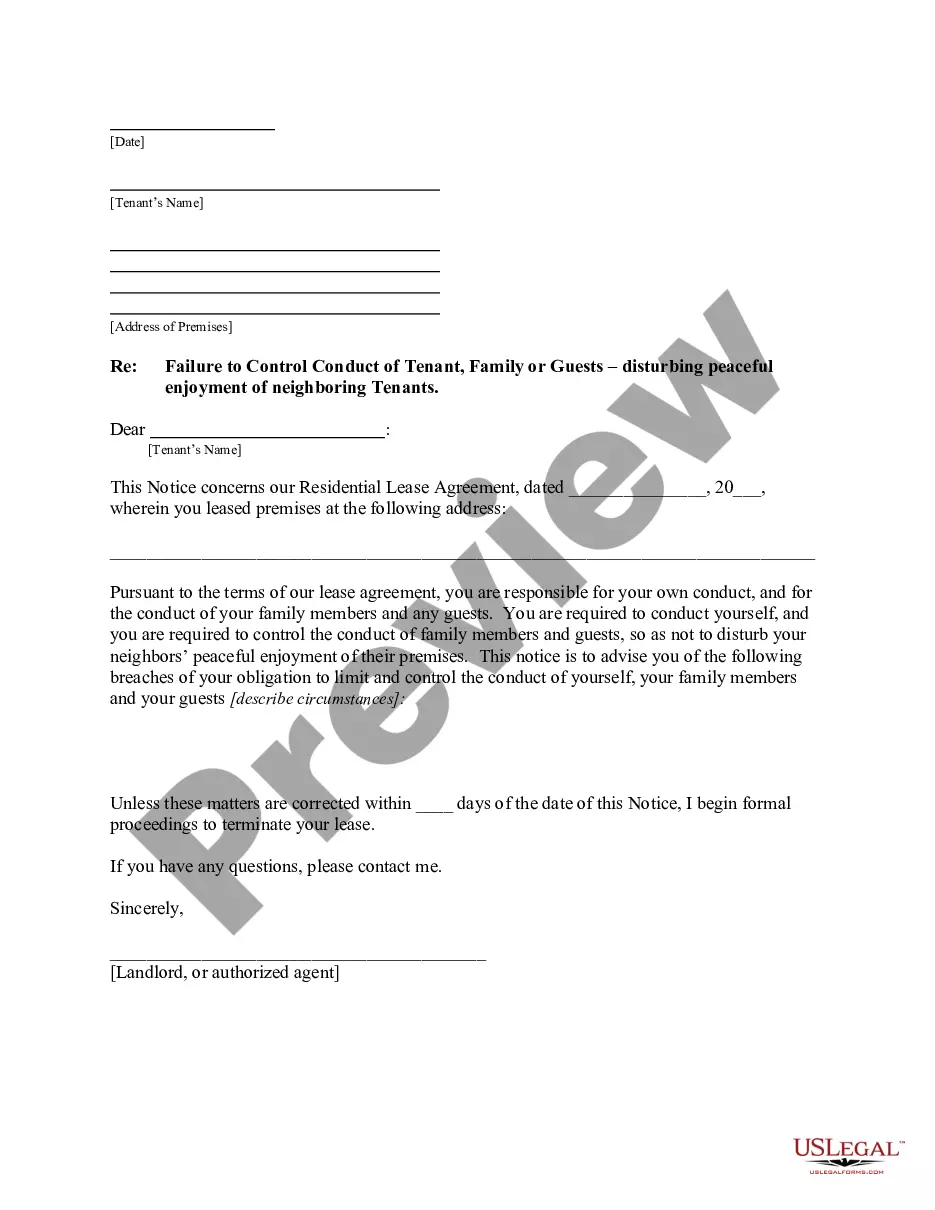



Form popularity
FAQ
To file an eviction notice in Georgia, you must first complete a written notice outlining the reason for eviction and the time frame for compliance. Once you have issued a proper Georgia tenant notice withdraw, you can proceed to file the eviction suit at the local courthouse if the tenant does not comply. Make sure to gather all necessary documentation and follow local court rules. Using platforms like US Legal Forms can help streamline this process.
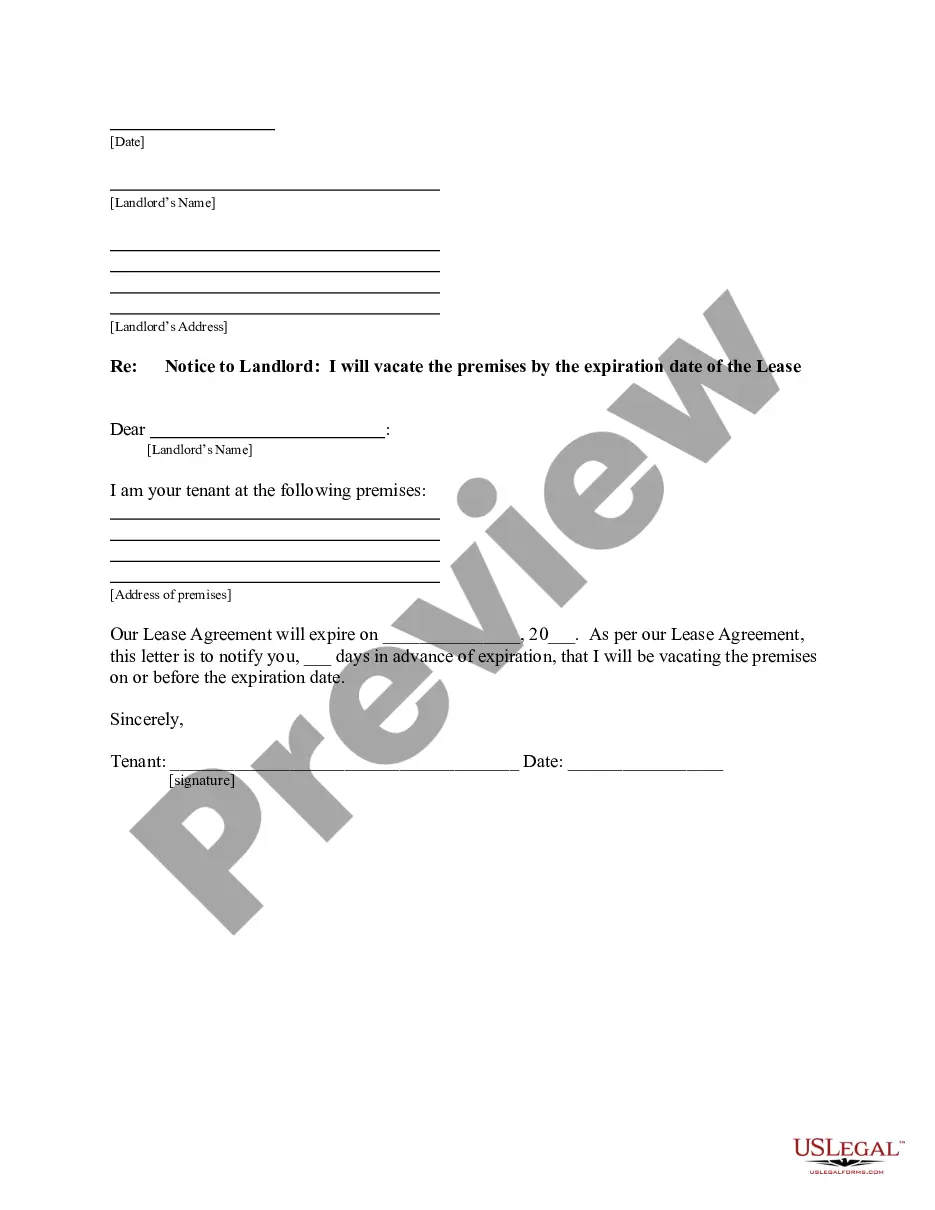
Yes, in Georgia, tenants generally must give a 30-day notice before moving out unless otherwise specified in the lease agreement. This Georgia tenant notice withdraw helps protect both the tenant and landlord by ensuring proper communication and planning. It is always wise to review your lease document to confirm the specific notice requirements. By adhering to these guidelines, you can avoid potential disputes.
If you fail to provide a 30-day notice before moving out, you may face consequences, such as losing your security deposit or legal action from your landlord. This is especially true if your lease states that a formal Georgia tenant notice withdraw is required. It is crucial to understand your lease terms to avoid complications. Always consider providing the proper notice to ensure a smooth transition.
When writing a letter to a tenant to move out, start with a clear statement of intent. Include a Georgia tenant notice withdraw to formally outline your request for them to vacate. Be concise, specify the move-out date, and mention any relevant details, such as the return of their security deposit. Focus on clarity to prevent misunderstandings.
The eviction process in Georgia typically takes about two to four weeks, depending on several factors. After sending a Georgia tenant notice withdraw, if the tenant does not vacate, you will need to file an eviction lawsuit. Court schedules and tenant responses can influence the timeline. Staying informed can help you navigate this process smoothly.
Evicting a tenant without a lease in Georgia can be challenging. Begin by providing a Georgia tenant notice withdraw to inform the tenant of your intention to terminate their occupancy. Since there is no lease, you may still need to establish a lawful reason for eviction, such as non-payment of rent or illegal activity. Legal guidance can help clarify steps specific to your situation.
To remove a tenant without eviction, consider negotiating a mutual agreement for them to leave. You can present a Georgia tenant notice withdraw, informing them of your intentions. Clearly communicate your reasons and offer assistance, such as help finding a new place or waiving some rent. This approach fosters cooperation and may lead to a smoother transition.
To get out of a lease early in Georgia, start by reviewing your lease to understand the terms and conditions for early termination. You may need to provide a valid excuse, such as a job transfer or health issues. Filing a Georgia tenant notice withdraw can help facilitate this process, making your intentions clear to the landlord. If necessary, seek assistance from legal services like US Legal Forms to navigate your options effectively.
The best excuses to break a lease in Georgia often include job relocation, medical emergencies, or unsafe living conditions. Each situation should be communicated clearly to the landlord, possibly accompanied by a Georgia tenant notice withdraw. This approach not only shows good faith, but also helps in negotiating a potential lease termination. Always consult your lease for any specific clauses related to early termination.
Yes, you can withdraw an eviction notice in Georgia, especially if the tenant resolves the issues prompting the eviction. To do so, you should provide a new written notice indicating the withdrawal. Documenting a Georgia tenant notice withdraw aids in formally retracting any eviction that may have been initiated. It's always best to discuss the situation with the tenant to ensure mutual understanding.
