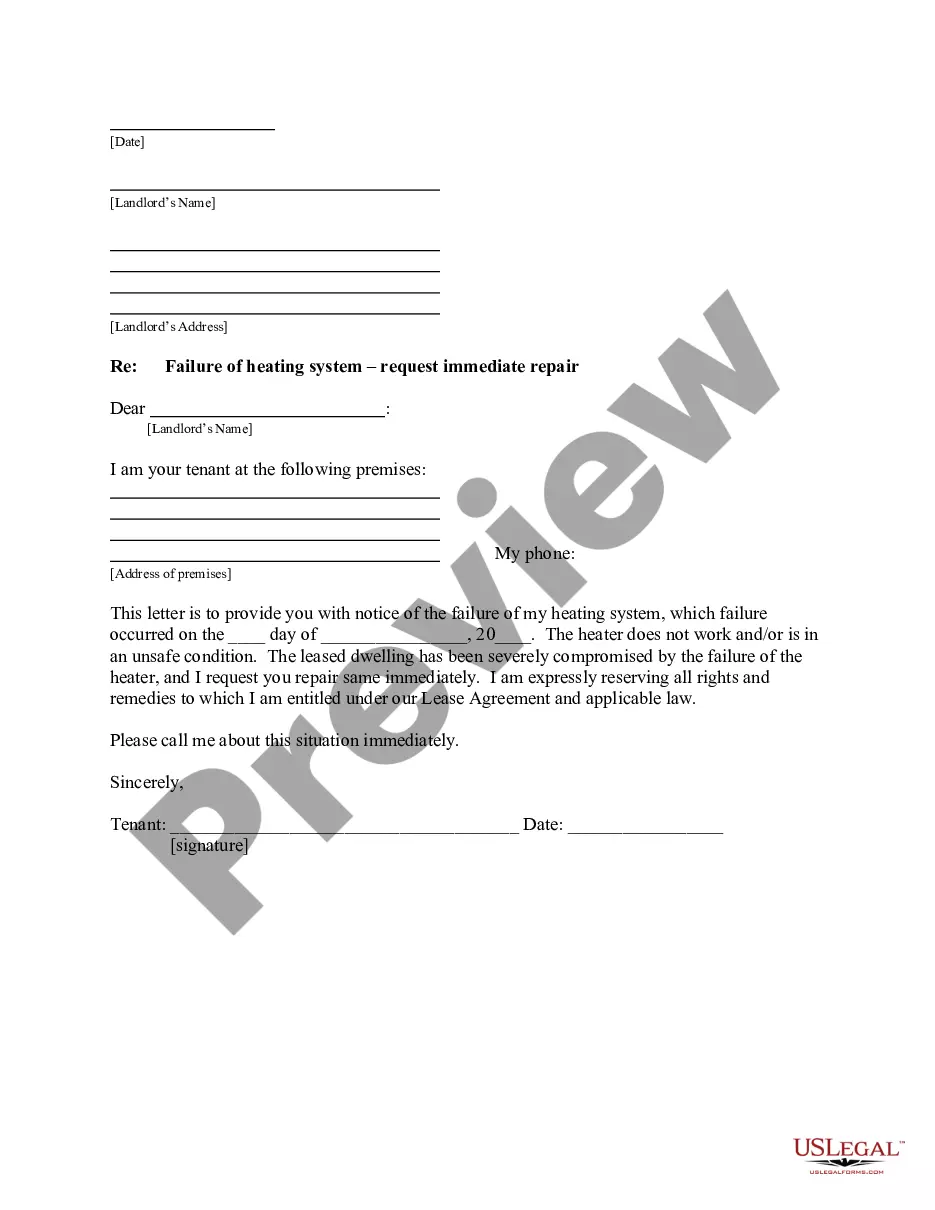
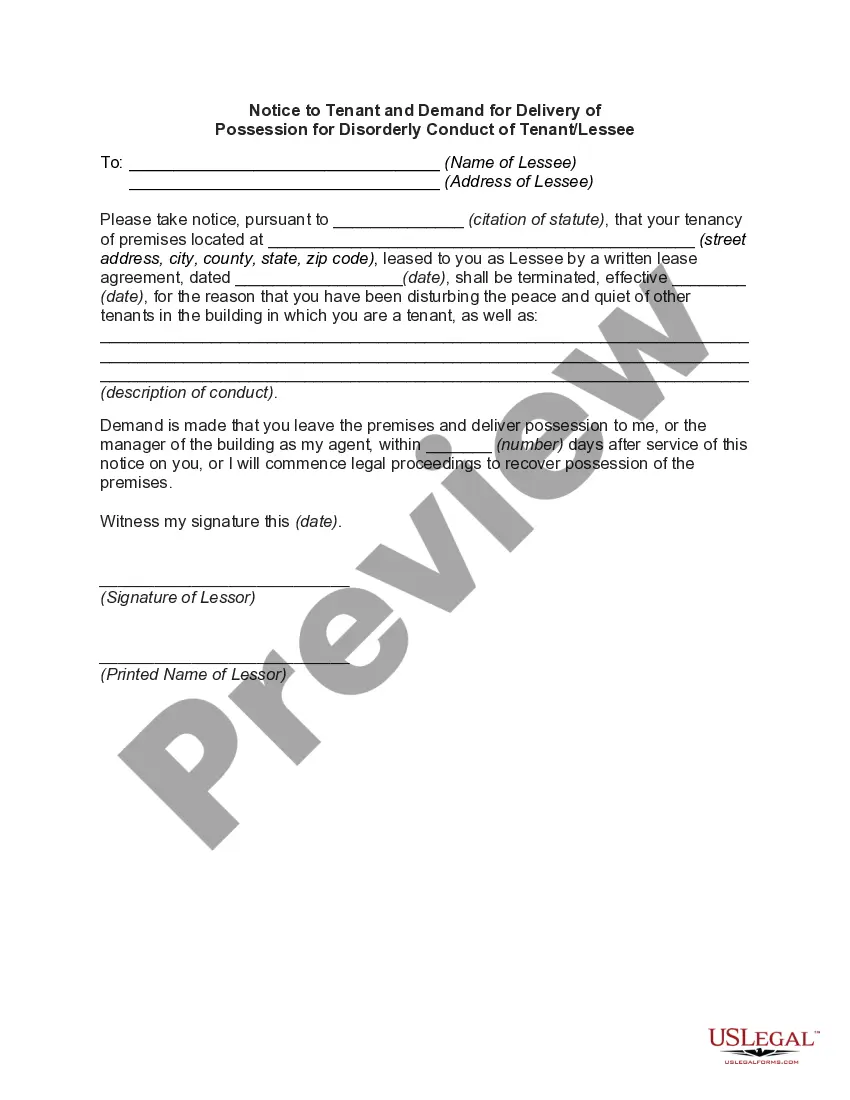
Georgia Demand Letter For Landlords
Description


Get your form ready online
Our built-in tools help you complete, sign, share, and store your documents in one place.
Make edits, fill in missing information, and update formatting in US Legal Forms—just like you would in MS Word.
Download a copy, print it, send it by email, or mail it via USPS—whatever works best for your next step.
Sign and collect signatures with our SignNow integration. Send to multiple recipients, set reminders, and more. Go Premium to unlock E-Sign.
If this form requires notarization, complete it online through a secure video call—no need to meet a notary in person or wait for an appointment.
We protect your documents and personal data by following strict security and privacy standards.

Make edits, fill in missing information, and update formatting in US Legal Forms—just like you would in MS Word.

Download a copy, print it, send it by email, or mail it via USPS—whatever works best for your next step.

Sign and collect signatures with our SignNow integration. Send to multiple recipients, set reminders, and more. Go Premium to unlock E-Sign.

If this form requires notarization, complete it online through a secure video call—no need to meet a notary in person or wait for an appointment.

We protect your documents and personal data by following strict security and privacy standards.
Looking for another form?







Form popularity
FAQ
After receiving a writ of possession in Georgia, a tenant has 24 hours to vacate the property. This document is issued by the court and empowers the landlord to take possession of the rental unit legally. Failing to comply can result in the landlord taking further legal action. It is advisable for tenants facing this situation to review the details in any Georgia demand letter for landlords, as these documents outline their rights and obligations.
When a tenant receives a demand for possession in Georgia, they typically have seven days to vacate the property after a judge rules in favor of the landlord. However, if the tenant adheres quickly to the demand and resolves any disputes, this can sometimes lead to a mutually agreeable solution. It is crucial to respond promptly to the notice to avoid further complications, making understanding the requirements of a Georgia demand letter for landlords very important.
In Georgia, the notice period a landlord must provide to a tenant to move out varies depending on the lease type. Generally, for month-to-month leases, a landlord is required to give a 60-day notice. For fixed-term leases, the timeframe is often outlined in the lease agreement. If a tenant receives a Georgia demand letter for landlords, it typically signifies that immediate action may be required to vacate the premises.
Yes, a landlord can refuse to accept rent in Georgia under certain circumstances. If a tenant is in violation of their lease agreement, such as damaging the property or failing to adhere to lease terms, the landlord has the right to reject payment. This situation often leads to the issuance of a Georgia demand letter for landlords, which serves to formally notify tenants of the lease violation. It is advisable for landlords to seek legal guidance before taking such steps.
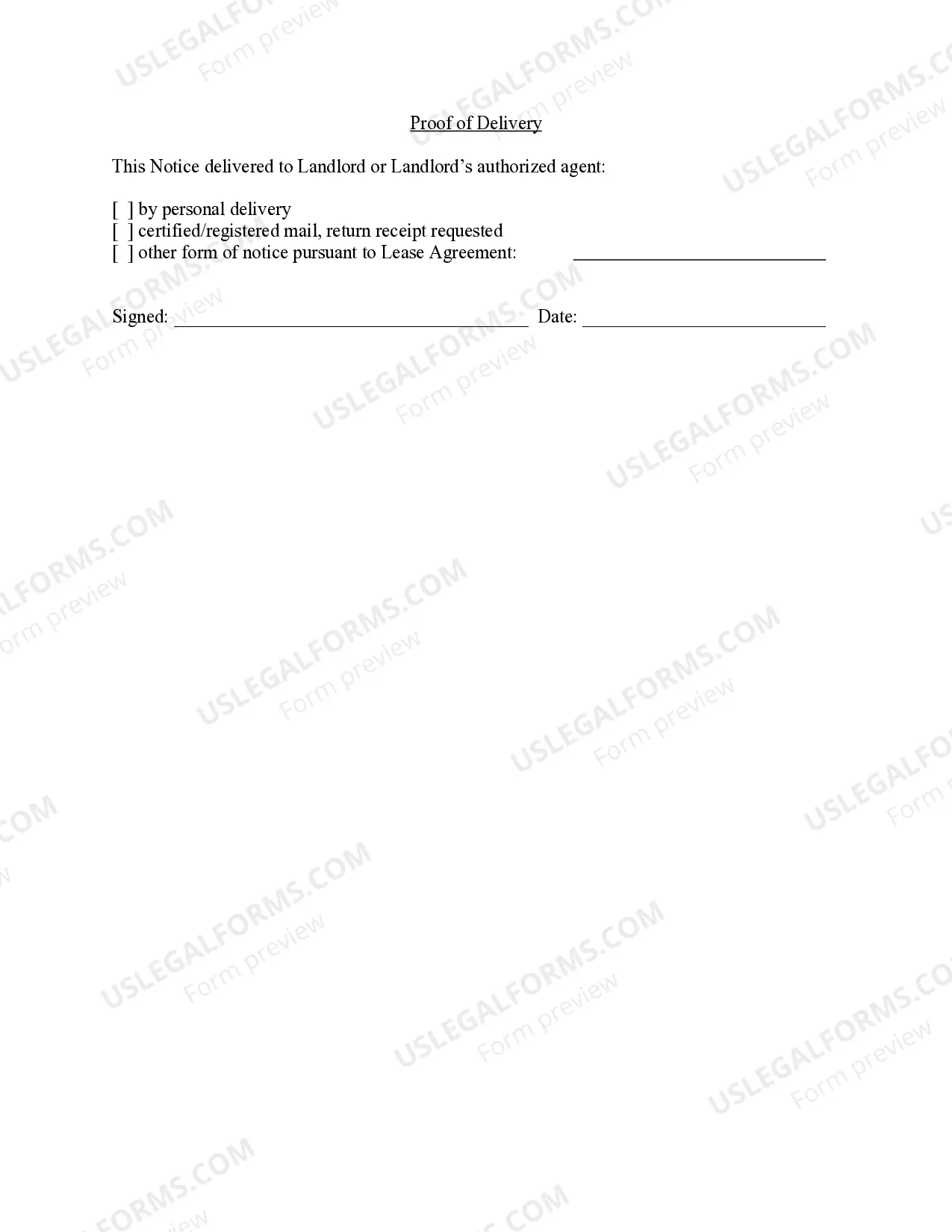
The correct way to send a Georgia demand letter for landlords is to use certified mail with return receipt requested. This method provides a clear record of the letter being sent and received, which is important should legal proceedings become necessary. Additionally, you may consider including a personal touch by hand-delivering the letter, if feasible, as this can facilitate better communication with the tenant.
To file an eviction notice in Georgia, you need to complete the appropriate forms to initiate the eviction process. After sending a Georgia demand letter for landlords, if there is no response, the next step typically involves filing a dispossessory action in your local court. It's crucial to follow the required steps precisely to ensure that your eviction notice is legal and enforceable.
To send a Georgia demand letter for landlords, you should first ensure that it is properly formatted and includes all necessary details such as the amount owed and a deadline for response. Once drafted, you can send it via certified mail to provide proof of delivery. This method ensures the tenant receives the letter and it adds legitimacy to your claims.
While a Georgia demand letter for landlords is not legally required, it is often a beneficial step before pursuing eviction or further legal action. This letter serves as a formal request for payment or compliance, allowing you to document your efforts to resolve the issue amicably. Moreover, having this letter can strengthen your position should the matter escalate to court.
The timeline for settlement after sending a Georgia demand letter for landlords varies based on the tenant's response. If the tenant is responsive and willing to negotiate, a settlement can occur within a few weeks. However, if the tenant disputes the demand or delays communication, it may take longer to reach an agreement.
Writing a Georgia demand letter for landlords typically takes a few hours to a day, depending on the specifics of your situation. It’s important to gather all relevant facts and documentation beforehand to streamline the process. By clearly outlining your demands and expectations, you'll create a more effective letter that could facilitate a quicker resolution.
