Georgia Deed Of Assent
Description
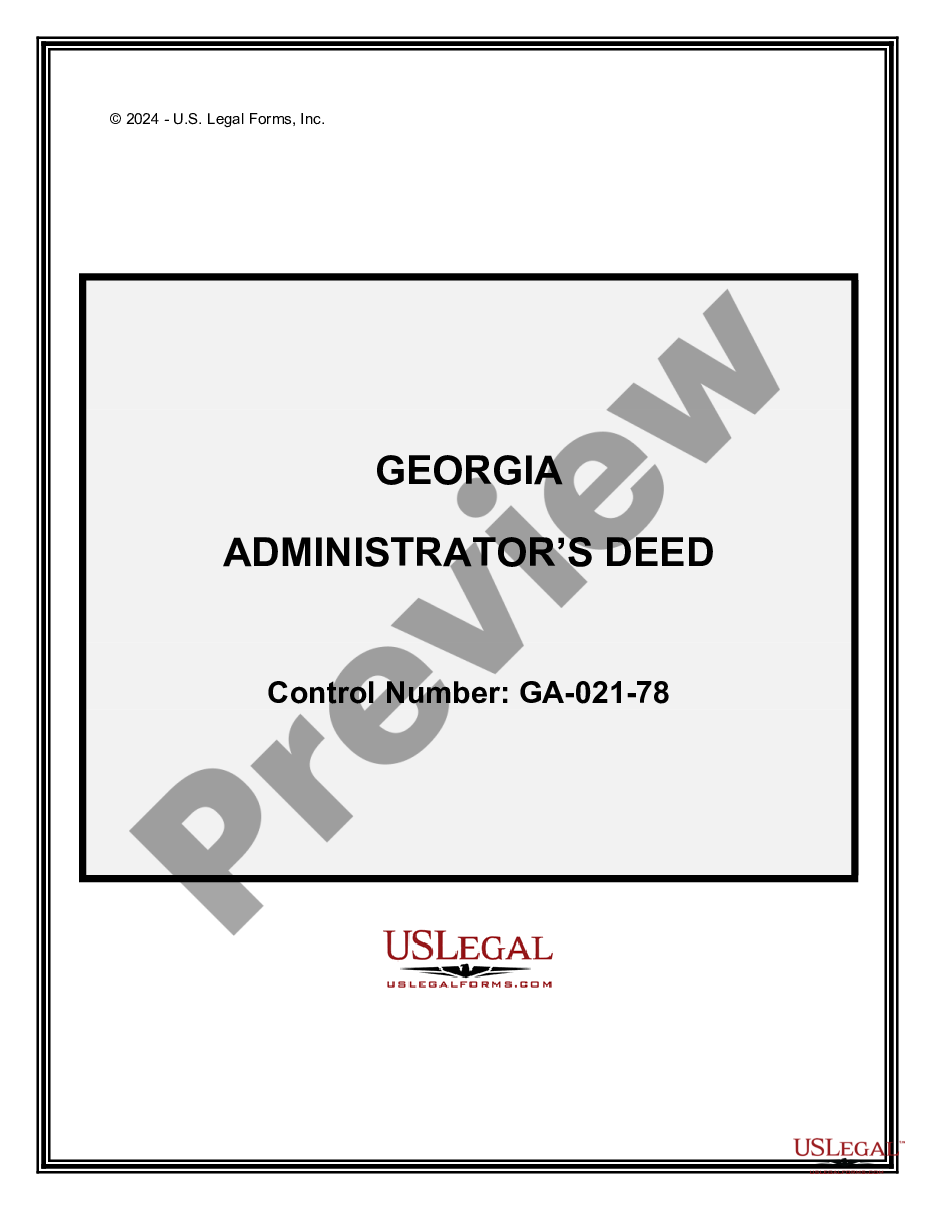
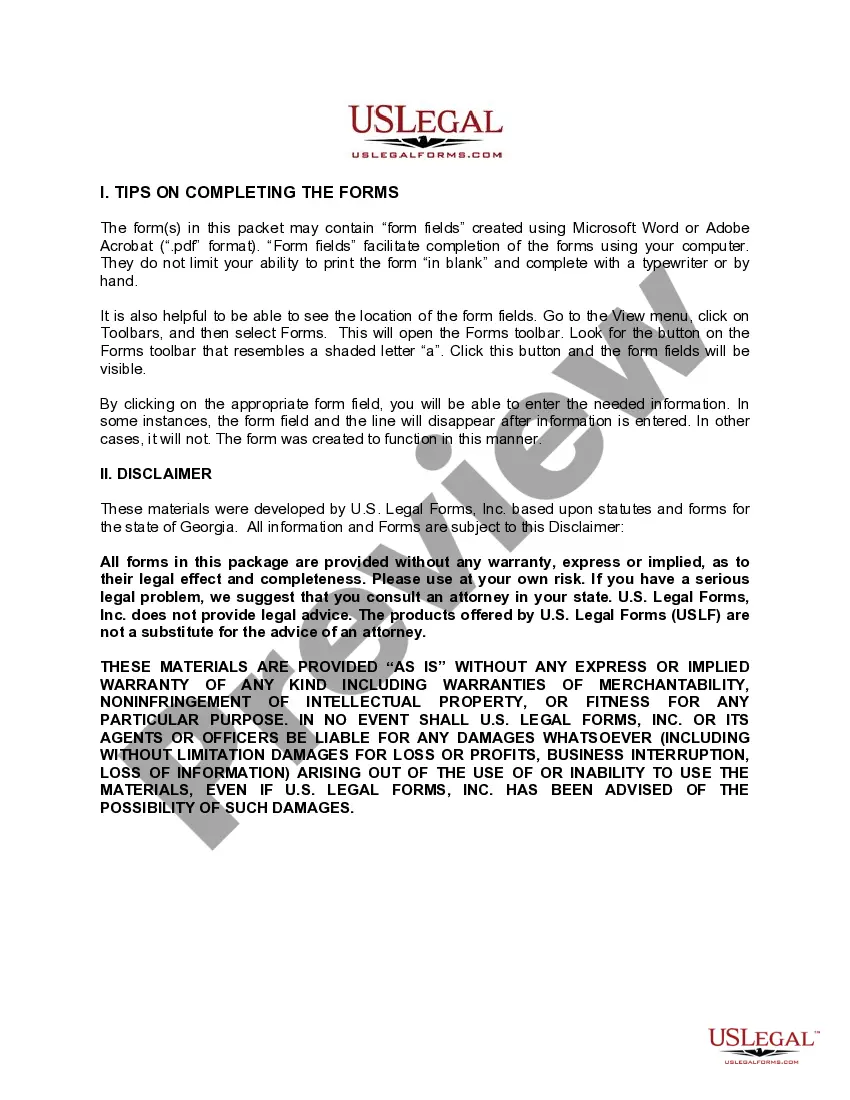
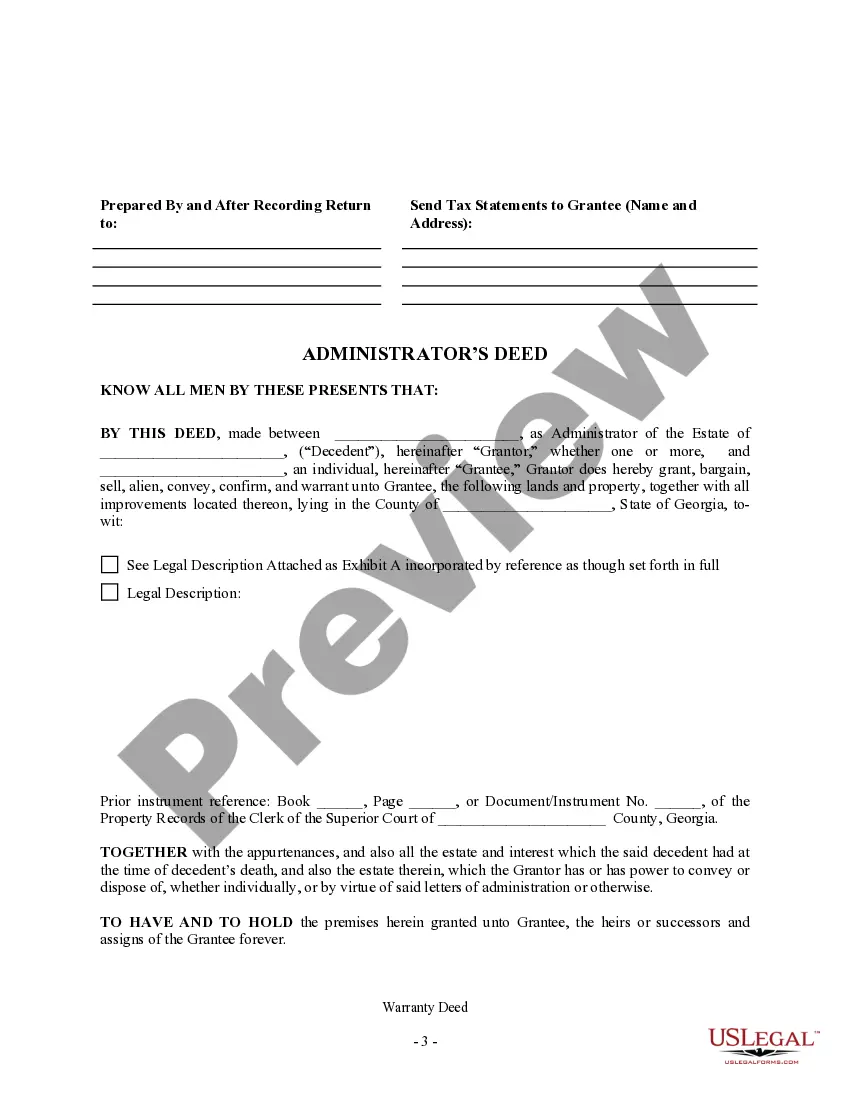
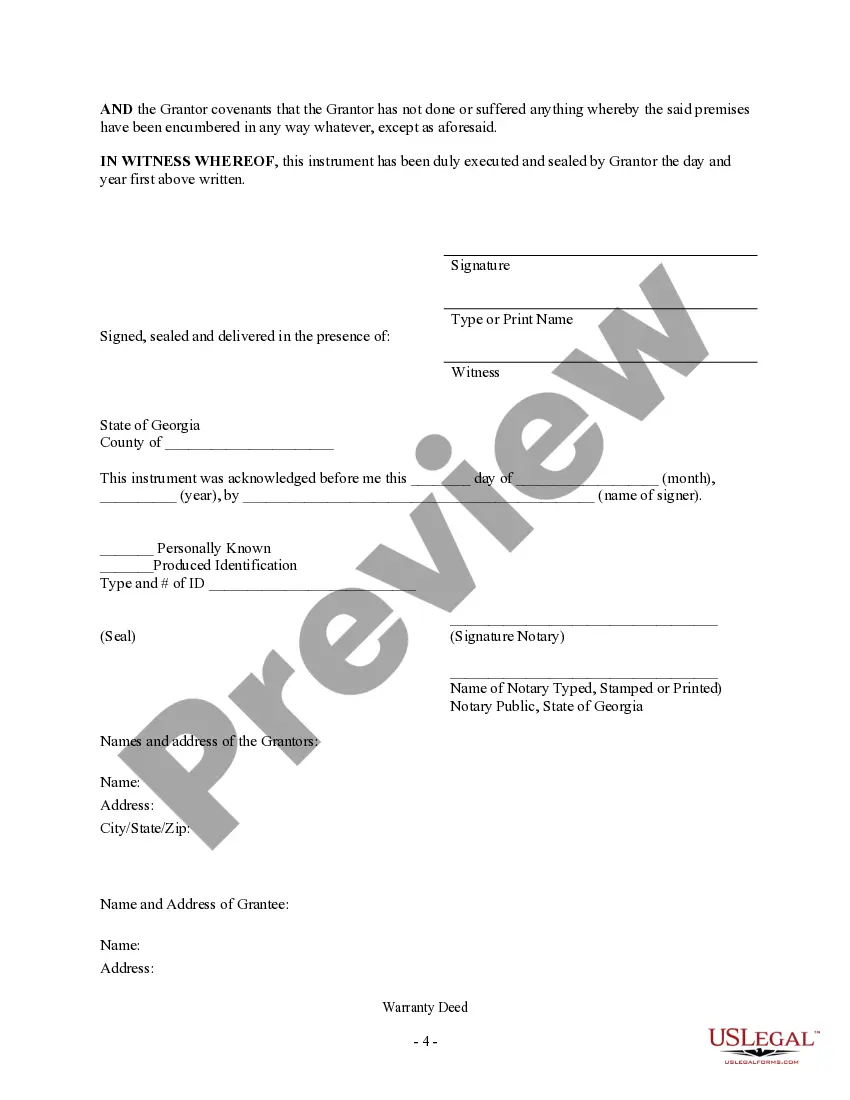


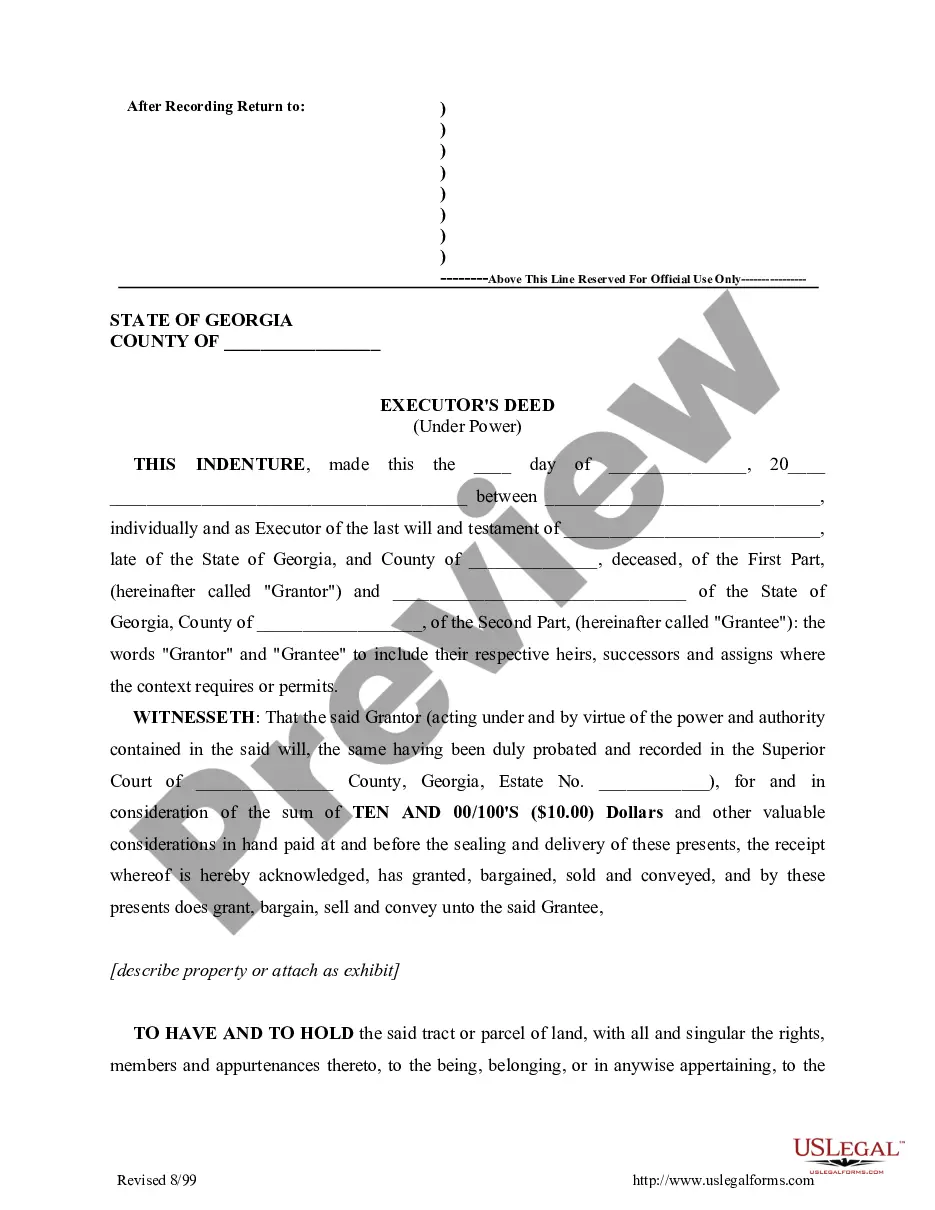

Get your form ready online
Our built-in tools help you complete, sign, share, and store your documents in one place.
Make edits, fill in missing information, and update formatting in US Legal Forms—just like you would in MS Word.
Download a copy, print it, send it by email, or mail it via USPS—whatever works best for your next step.
Sign and collect signatures with our SignNow integration. Send to multiple recipients, set reminders, and more. Go Premium to unlock E-Sign.
If this form requires notarization, complete it online through a secure video call—no need to meet a notary in person or wait for an appointment.
We protect your documents and personal data by following strict security and privacy standards.

Make edits, fill in missing information, and update formatting in US Legal Forms—just like you would in MS Word.

Download a copy, print it, send it by email, or mail it via USPS—whatever works best for your next step.

Sign and collect signatures with our SignNow integration. Send to multiple recipients, set reminders, and more. Go Premium to unlock E-Sign.

If this form requires notarization, complete it online through a secure video call—no need to meet a notary in person or wait for an appointment.

We protect your documents and personal data by following strict security and privacy standards.
Looking for another form?


How to fill out Georgia Administrator's Deed?
There's no longer any justification for wasting time searching for legal documents to satisfy your local state guidelines.
US Legal Forms has gathered all of them in one location and made them easier to access.
Our platform provides over 85k templates for various business and individual legal situations organized by state and purpose.
Utilize the Search field above to find another sample if the previous one isn't suitable. Click Buy Now beside the template title once you identify the right one. Choose the preferred subscription plan and register for an account or Log In. Complete the payment for your subscription using a credit card or PayPal to proceed. Select the file format for your Georgia Deed Of Assent and download it to your device. Print your form to fill it out manually or upload the template if you'd rather use an online editor. Creating legal documents under federal and state laws is quick and straightforward with our platform. Experience US Legal Forms today to keep your records organized!
- All forms are expertly crafted and validated for legitimacy, allowing you to feel confident in acquiring an up-to-date Georgia Deed Of Assent.
- If you are acquainted with our platform and already possess an account, ensure your subscription is active before accessing any templates.
- Log In to your account, select the document, and click Download.
- Additionally, you can revisit all saved documents whenever necessary by navigating to the My documents section in your profile.
- If you are a new user, completing the process will require a few more steps.
- Here’s how new users can locate the Georgia Deed Of Assent in our catalog.
- Scrutinize the page content thoroughly to verify it includes the sample you need.
- Utilize the form description and preview options if available.
Form popularity
FAQ
To transfer property ownership in Georgia, you will need to complete a Georgia deed of assent. The deed must detail the property description and be signed by the current owner. After completing the deed, it should be recorded with the county clerk to finalize the transfer. This process guarantees that your new ownership is legally recognized.
While an attorney is not required to prepare a deed in Georgia, having one do so can provide peace of mind. An attorney can ensure that your Georgia deed of assent complies with all relevant laws and regulations. This assistance minimizes the chance of errors that could jeopardize your property rights. Thus, it's often beneficial to seek legal help.
To transfer a deed in Georgia, you must prepare a Georgia deed of assent that outlines the transfer clearly. This deed must be signed by the current property owner and notarized. After that, you need to record it with the local county clerk's office. Following these steps ensures the legal transfer of your property ownership.
An unrecorded deed can be valid in Georgia, but it may pose risks. Recording a Georgia deed of assent protects your ownership rights, especially against claims from third parties. Without recording, someone else could potentially challenge your ownership. Therefore, it's wise to record your deed to secure your property interest.
In Georgia, it is not legally required to hire a real estate attorney for transactions involving a Georgia deed of assent. However, partnering with an attorney can provide valuable guidance throughout the process. Their expertise ensures that you comply with state laws and that your deed is correctly prepared and filed. This added layer of support can make your transaction smoother.
Filling out a Georgia quitclaim deed involves several key steps. First, you should identify the grantor and grantee clearly, along with the property's legal description. Then, you will include any considerations, like the value exchanged. Lastly, it is important to have the document signed in the presence of a notary public to complete the Georgia deed of assent.
In Georgia, signing a quitclaim deed typically relinquishes any claim to the property specified in the deed. However, the rights of a spouse can vary based on individual circumstances and applicable state laws. If you are navigating these complexities, consulting with a legal expert can provide clarity. Utilizing the Georgia deed of assent correctly can help ensure all parties understand their rights.
In Georgia, a quitclaim deed must be notarized to be valid. This means that when you complete the Georgia deed of assent, you need to have a notary public witness your signature. Notarization adds a layer of authenticity to the document, ensuring it can be properly recorded. You can easily find notary services through local banks or legal professionals.
To transfer property title to a family member in Georgia, you must execute a new deed, usually a quitclaim or warranty deed, and include the family member's details. It is essential to ensure the deed is properly signed and notarized. Once completed, you should record the deed with the county clerk to officially transfer the title.
As of 2024, the transfer on death deed in Georgia allows property owners to designate beneficiaries who will inherit real estate upon their death. This deed does not affect the owner's rights during their lifetime and does not require probate. Utilizing this option can significantly simplify the transfer process and secure your property for loved ones.