Trust Deeeds
Description

Get your form ready online
Our built-in tools help you complete, sign, share, and store your documents in one place.
Make edits, fill in missing information, and update formatting in US Legal Forms—just like you would in MS Word.
Download a copy, print it, send it by email, or mail it via USPS—whatever works best for your next step.
Sign and collect signatures with our SignNow integration. Send to multiple recipients, set reminders, and more. Go Premium to unlock E-Sign.
If this form requires notarization, complete it online through a secure video call—no need to meet a notary in person or wait for an appointment.
We protect your documents and personal data by following strict security and privacy standards.

Make edits, fill in missing information, and update formatting in US Legal Forms—just like you would in MS Word.

Download a copy, print it, send it by email, or mail it via USPS—whatever works best for your next step.

Sign and collect signatures with our SignNow integration. Send to multiple recipients, set reminders, and more. Go Premium to unlock E-Sign.

If this form requires notarization, complete it online through a secure video call—no need to meet a notary in person or wait for an appointment.

We protect your documents and personal data by following strict security and privacy standards.
Looking for another form?






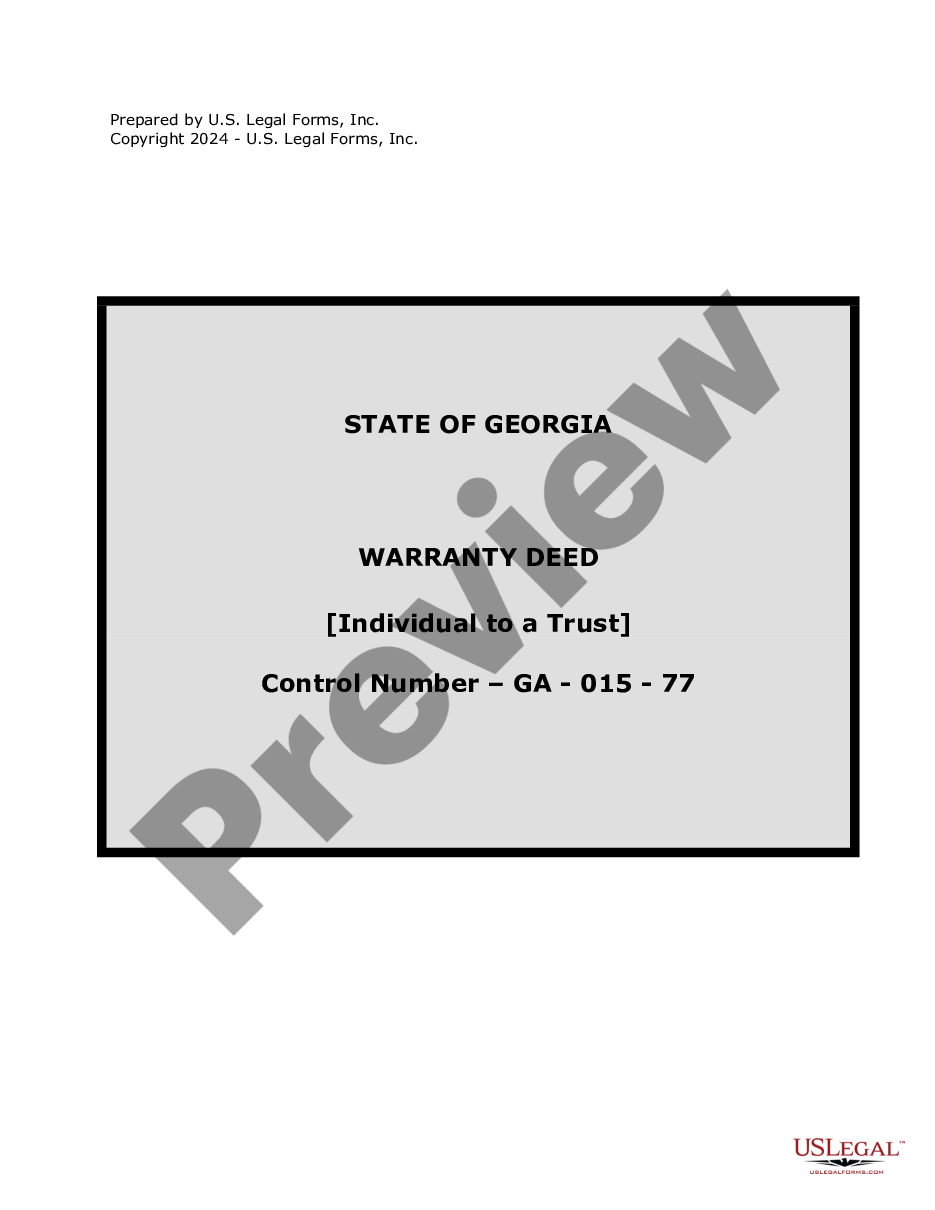
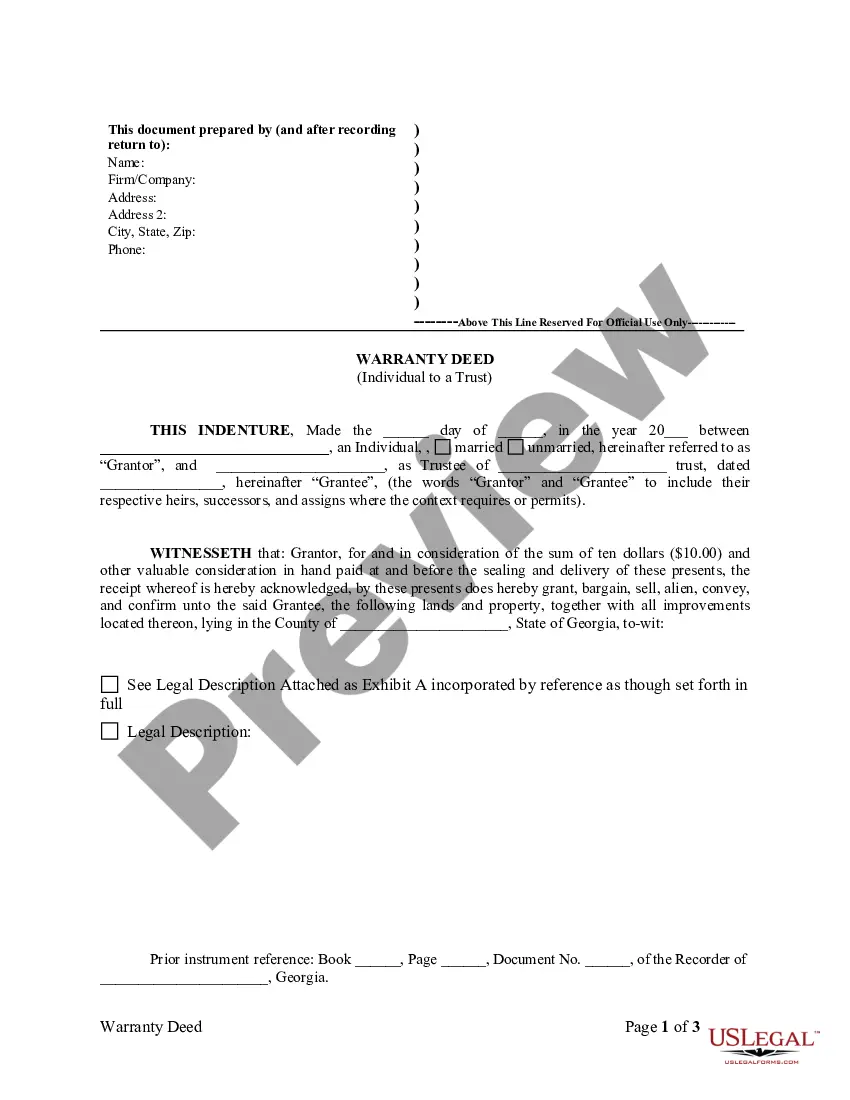
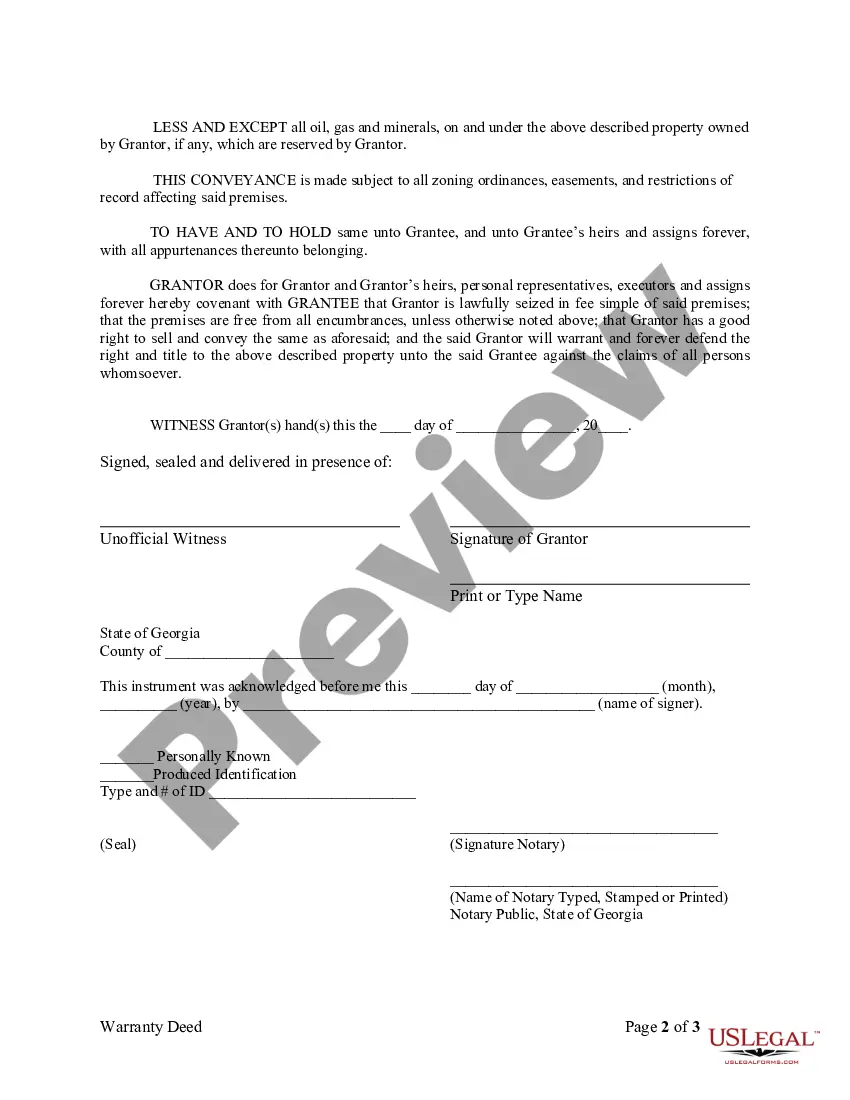
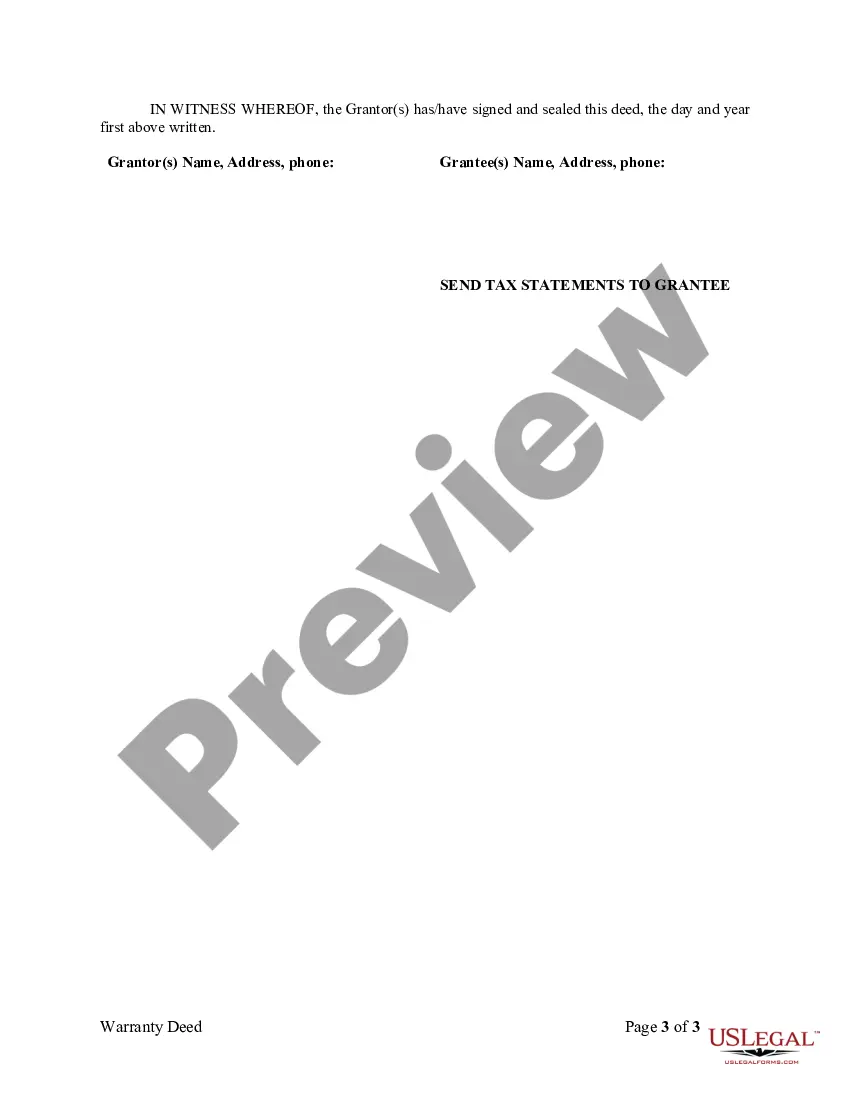
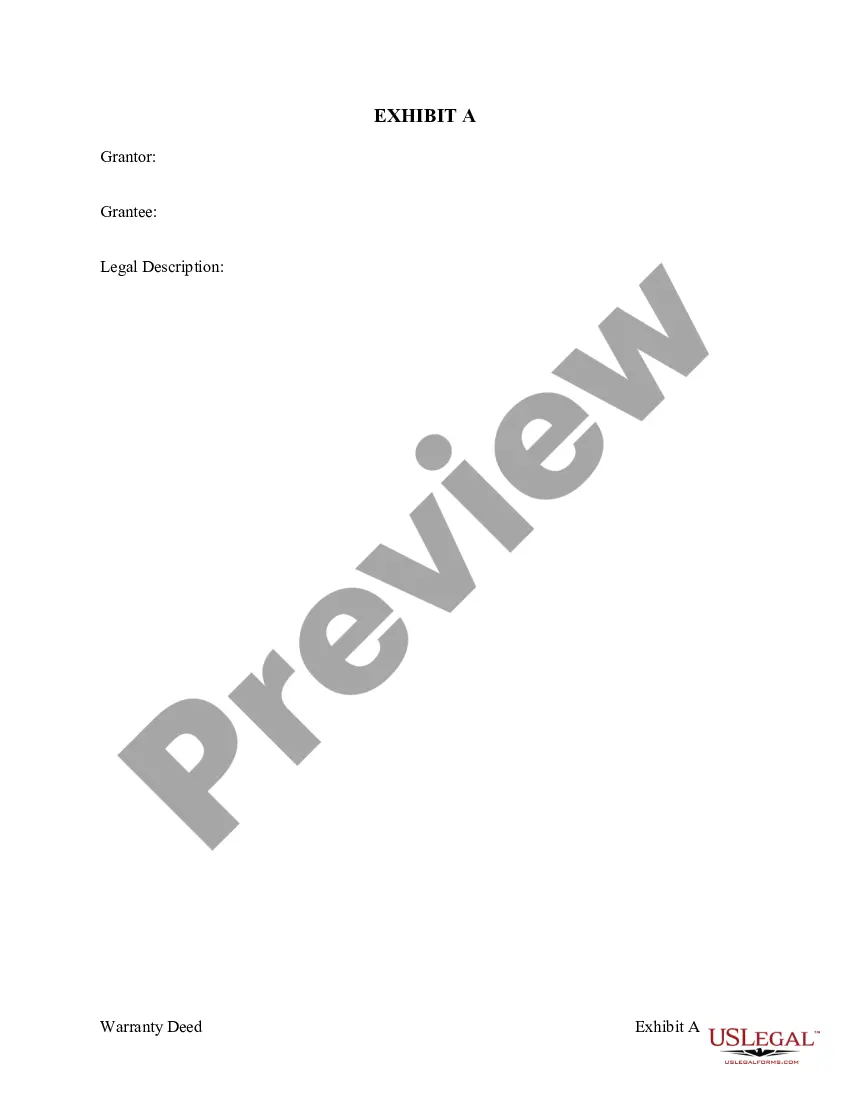
How to fill out Georgia Warranty Deed From Individual To A Trust?
- Log in to your US Legal Forms account if you're a returning user. Ensure your subscription is active to download forms directly.
- For first-time users, begin by browsing the extensive library. Utilize the Preview mode and read form descriptions carefully to select the right document for your requirements.
- If you don’t find your desired form, use the Search tab to locate the correct template. Ensure it aligns with your local jurisdiction.
- Once you've found the appropriate form, select the Buy Now option and choose a subscription plan that fits your needs.
- Complete your purchase by entering your payment details through credit card or PayPal.
- Download the form directly to your device for easy access and use. You can also revisit your purchased documents anytime in the My Forms section of your profile.
Using US Legal Forms not only gives you access to an extensive collection of documents, but also provides you with the option to consult premium experts for guidance, ensuring your documents are accurate and legally compliant.
Start streamlining your legal documentation today with US Legal Forms. Trust deeeds to empower your legal needs efficiently and effectively!
Form popularity
FAQ
One disadvantage of a trust deed is that it can lead to foreclosure if the borrower fails to make timely payments. Unlike traditional mortgages, which offer specific rights to the borrower, trust deeds can provide quick auctions of the property. Additionally, borrowers may face limited options for restructuring their loans. To navigate these challenges, consider using USLegalForms to draft trust deeds that protect your interests.
A trust deed typically appears as a formal legal document, containing sections for the names of the parties involved, the property details, and the terms of the trust. It may also include notarization and witness signatures to validate its authenticity. To visualize a trust deed, you can explore templates on US Legal Forms, even helping you create a personalized version that suits your situation perfectly.
A deed of trust template is a pre-drafted document that provides a framework for creating a trust agreement. It includes essential elements and clauses commonly found in trust deeds, making the drafting process more efficient. Using a reputable platform like US Legal Forms can help you find customizable deed of trust templates tailored to your specific needs.
A trust deed is a legal document that establishes a trust agreement. For example, a family may create a trust deed to manage their property and assets while specifying how those assets should be distributed after their passing. You can find examples and templates for various trust deeds on platforms like US Legal Forms, which simplify the creation process for individuals.
One disadvantage of a trust deed is that it may limit your ability to freely transfer property. When a trust deed is in place, it typically involves a third-party trustee who must approve any changes. This can complicate matters when you want to sell or refinance the property. Also, trust deeds can come with associated fees that might add up over time.
While it is possible to write your own trust deed, it’s crucial to ensure it adheres to local laws and regulations. A properly drafted trust deed can safeguard your intentions and protect your assets. However, many people opt for templates or legal services like those offered by USLegalForms to guarantee accuracy and compliance. Using expert resources allows you to avoid potential pitfalls.
Yes, you typically need to declare a trust deed when it is created. This declaration ensures that the terms of the trust deed are legally recognized. It also provides clarity regarding the ownership and management of the property involved. Always consider consulting a legal expert or using platforms like USLegalForms to assist with the process.