Florida Law For Rental Agreement
Description

Get your form ready online
Our built-in tools help you complete, sign, share, and store your documents in one place.
Make edits, fill in missing information, and update formatting in US Legal Forms—just like you would in MS Word.
Download a copy, print it, send it by email, or mail it via USPS—whatever works best for your next step.
Sign and collect signatures with our SignNow integration. Send to multiple recipients, set reminders, and more. Go Premium to unlock E-Sign.
If this form requires notarization, complete it online through a secure video call—no need to meet a notary in person or wait for an appointment.
We protect your documents and personal data by following strict security and privacy standards.

Make edits, fill in missing information, and update formatting in US Legal Forms—just like you would in MS Word.

Download a copy, print it, send it by email, or mail it via USPS—whatever works best for your next step.

Sign and collect signatures with our SignNow integration. Send to multiple recipients, set reminders, and more. Go Premium to unlock E-Sign.

If this form requires notarization, complete it online through a secure video call—no need to meet a notary in person or wait for an appointment.

We protect your documents and personal data by following strict security and privacy standards.
Looking for another form?









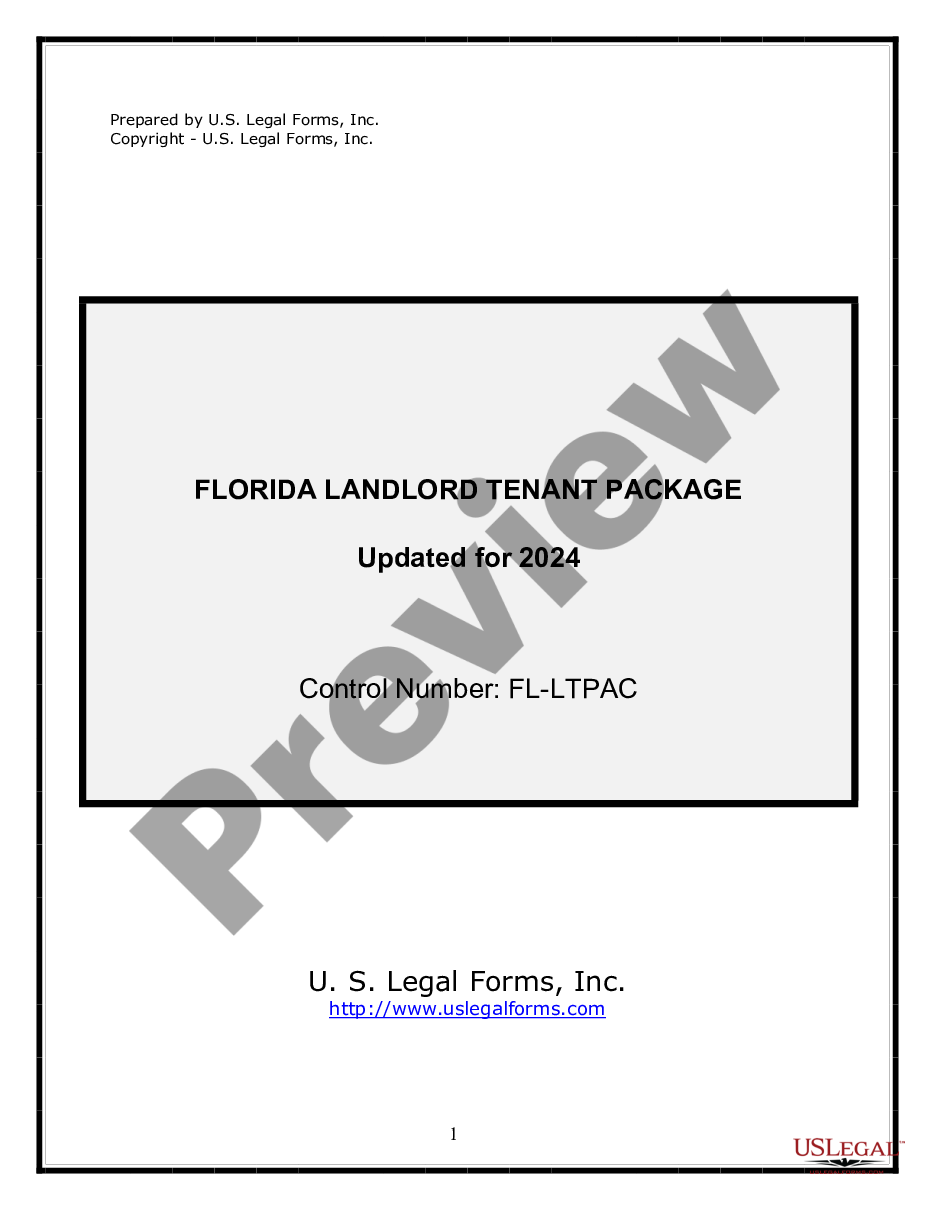
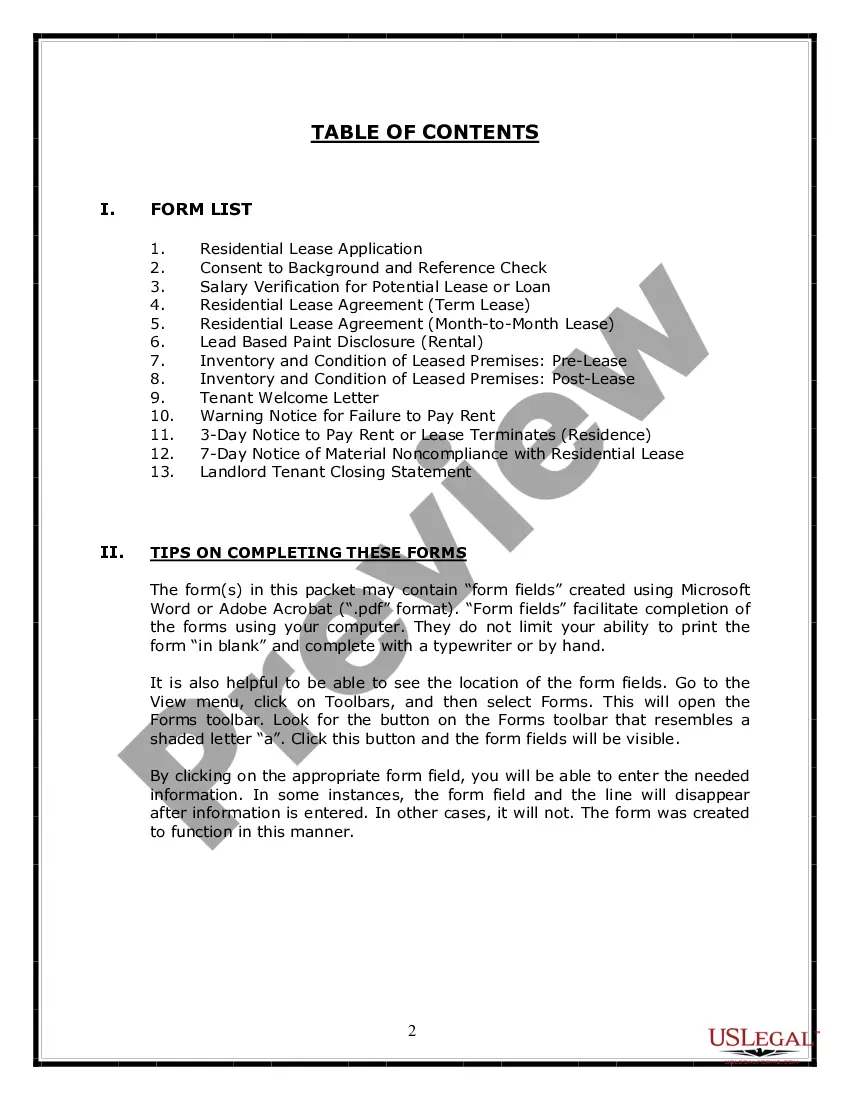
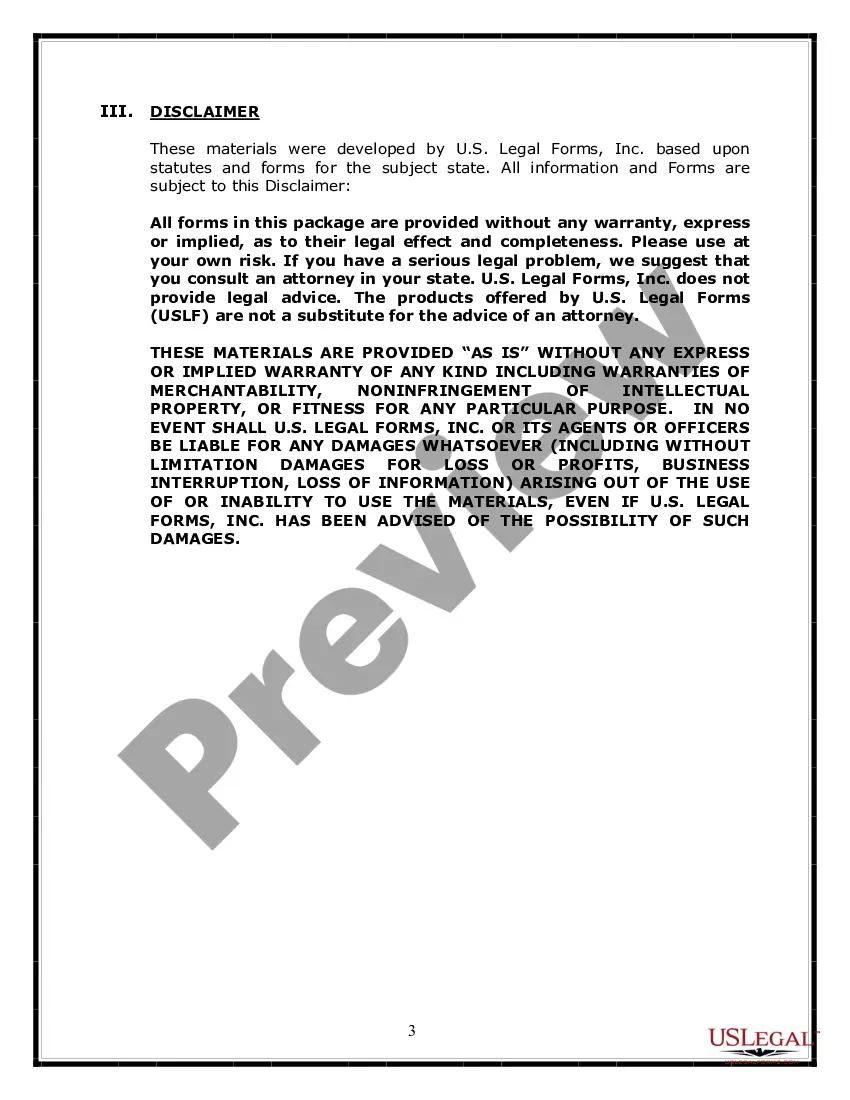
How to fill out Florida Residential Landlord Tenant Rental Lease Forms And Agreements Package?
The Florida Law For Rental Agreement presented on this site is a reusable legal template created by experienced attorneys in accordance with federal and local regulations.
For over 25 years, US Legal Forms has supplied individuals, businesses, and lawyers with more than 85,000 authenticated, state-specific documents for any business and personal situation. It’s the fastest, simplest, and most reliable method to acquire the paperwork you require, as the service ensures bank-level data protection and malware defense.
Choose the format you desire for your Florida Law For Rental Agreement (PDF, DOCX, RTF) and download the sample to your device.
- Search for the document you require and examine it.
- Review the sample you found and view it or check the form description to confirm it meets your requirements. If it doesn’t, use the search function to find the right one. Click Buy Now once you have identified the template you need.
- Register and Log In.
- Choose the pricing option that fits you and set up an account. Use PayPal or a credit card to make an immediate payment. If you already possess an account, Log In and verify your subscription to continue.
- Acquire the editable template.
Form popularity
FAQ
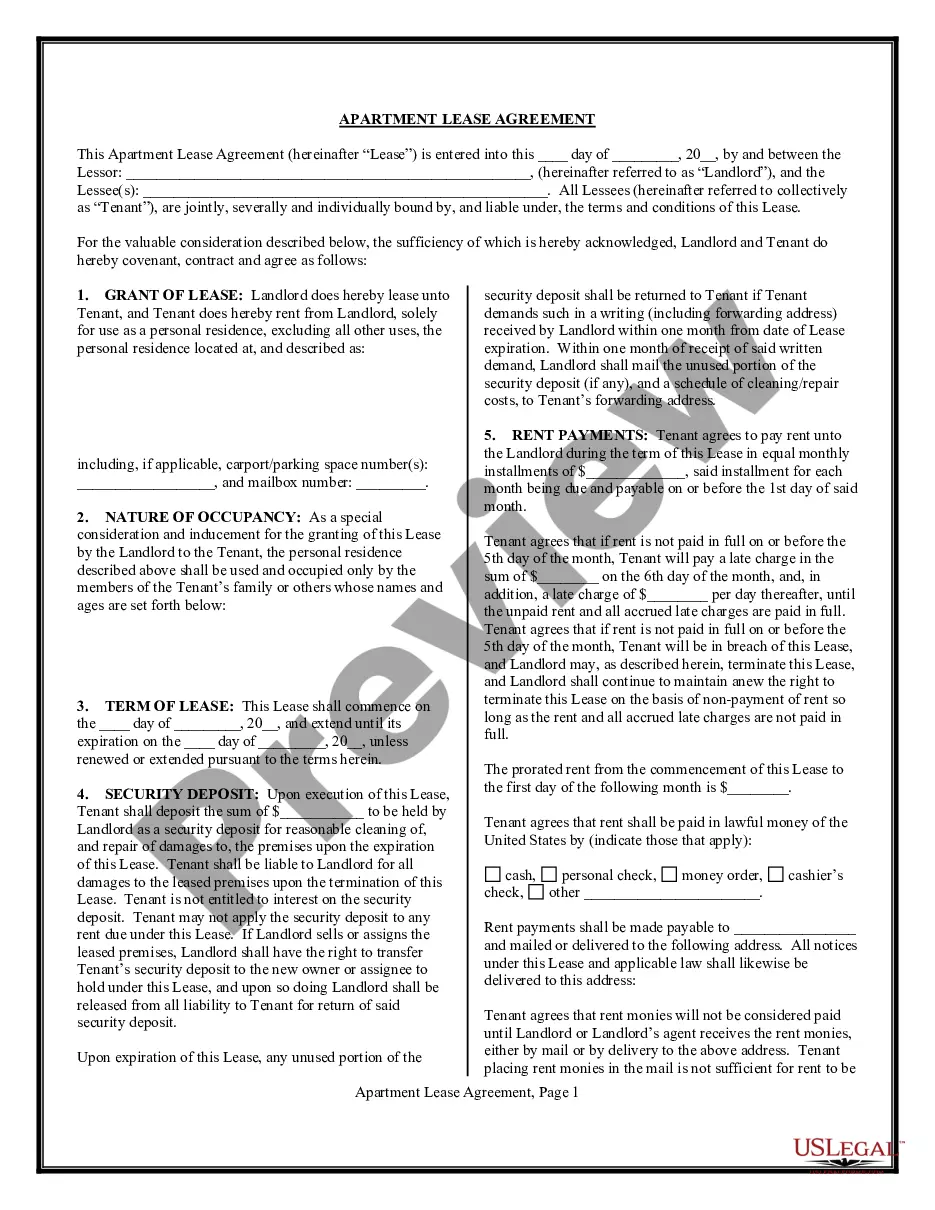
To make a lease agreement legal in Florida, both parties must sign the document, and it should clearly outline the terms and conditions of the rental. Florida law for rental agreement also requires that the lease includes specific details such as the rental amount, duration, and responsibilities of both the landlord and tenant. Using a reliable platform like uslegalforms can simplify this process by providing you with customizable templates that meet legal requirements. This ensures that your lease agreement is valid and protects your rights.
The new law for renting in Florida addresses various aspects of rental agreements, including security deposits and eviction processes. Under Florida law for rental agreement, landlords must provide clear information on fees and regulations within the lease. This law aims to protect both tenants and landlords by ensuring transparency and fairness in rental practices. Staying informed about these updates can help you navigate your rental situation more effectively.
As a renter in Florida, you have specific rights protected under Florida law for rental agreements. You have the right to a habitable living space, which means the property must be safe, clean, and meet basic health standards. Additionally, you have the right to privacy, meaning landlords cannot enter your home without proper notice. If you face issues like non-repair of essential services, you can seek legal remedies, and platforms like US Legal Forms can provide you with the necessary documents to assert your rights.
To properly fill out a lease agreement, begin by gathering all necessary information, including tenant and landlord details, property specifics, and rental terms. Make sure to include sections for security deposits, late fees, and maintenance responsibilities, as required by Florida law for rental agreement. After completing the document, both parties should review it carefully before signing to avoid any misunderstandings.
Yes, you can write your own lease agreement in Florida, but it must comply with Florida law for rental agreement. Ensure that it includes essential details such as the rental amount, duration, and obligations of both landlord and tenant. Using a template from a trusted platform like USLegalForms can simplify this process, providing you with a solid foundation while ensuring legal compliance.
To fill in a tenancy agreement under Florida law for rental agreement, start by including the names of all parties involved. Clearly state the property address, rental amount, and payment due date. Next, specify the lease term and any rules regarding pets, maintenance, and repairs. It’s important to ensure that both parties review and sign the agreement to validate it legally.
No, your lease document doesn't have to be notarized in Florida. However, if the landlord or tenant decides that they want to notarize the document, they can make the request.
LANDLORDS CANNOT JUST THROW YOU OUT. Florida law prohibits landlords from evicting tenants without going through the court system (self-help evictions). Your landlord can't evict you without a judge's order. And if the sheriff shows up to evict you, he also must have a court order.
The landlord must serve the tenant a written notice allowing three days, excluding weekends and legal holidays, for the payment of the rent or vacating of the premises. If the tenant does not pay the rent or vacate, the landlord may begin legal action to evict.