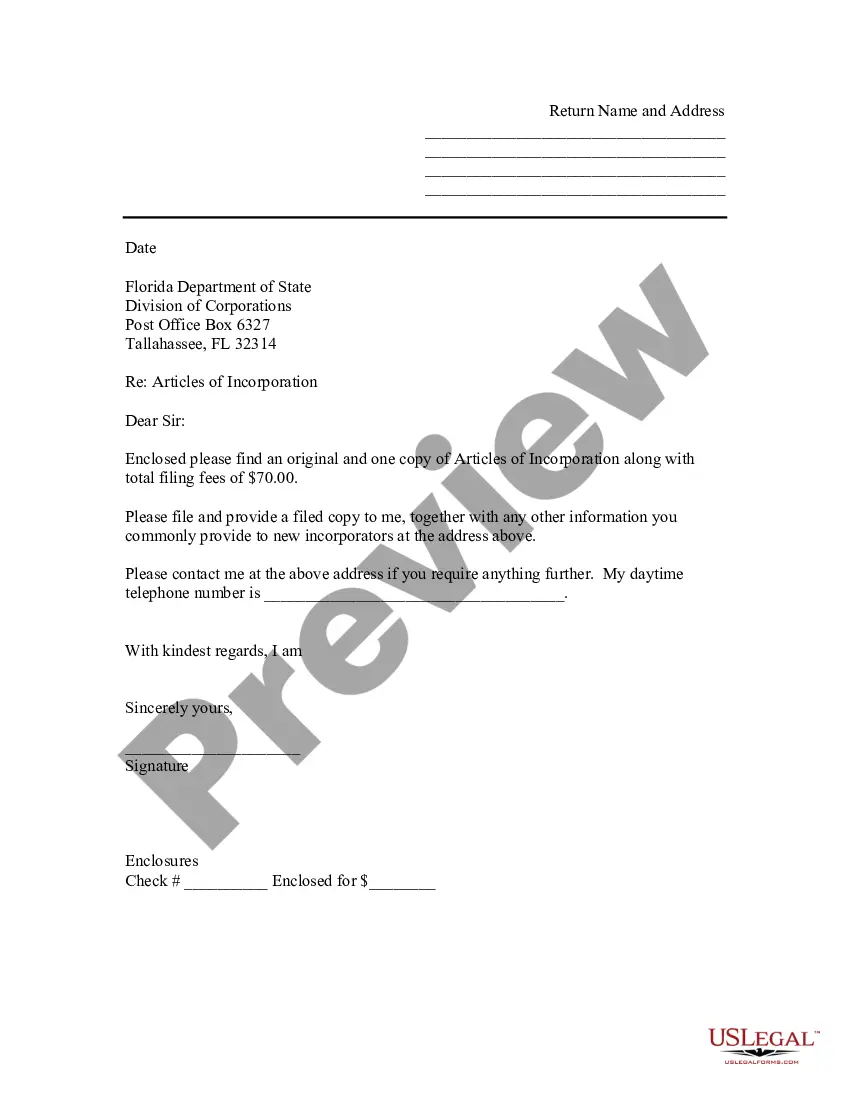
Cover Letter Format For Resume
Description
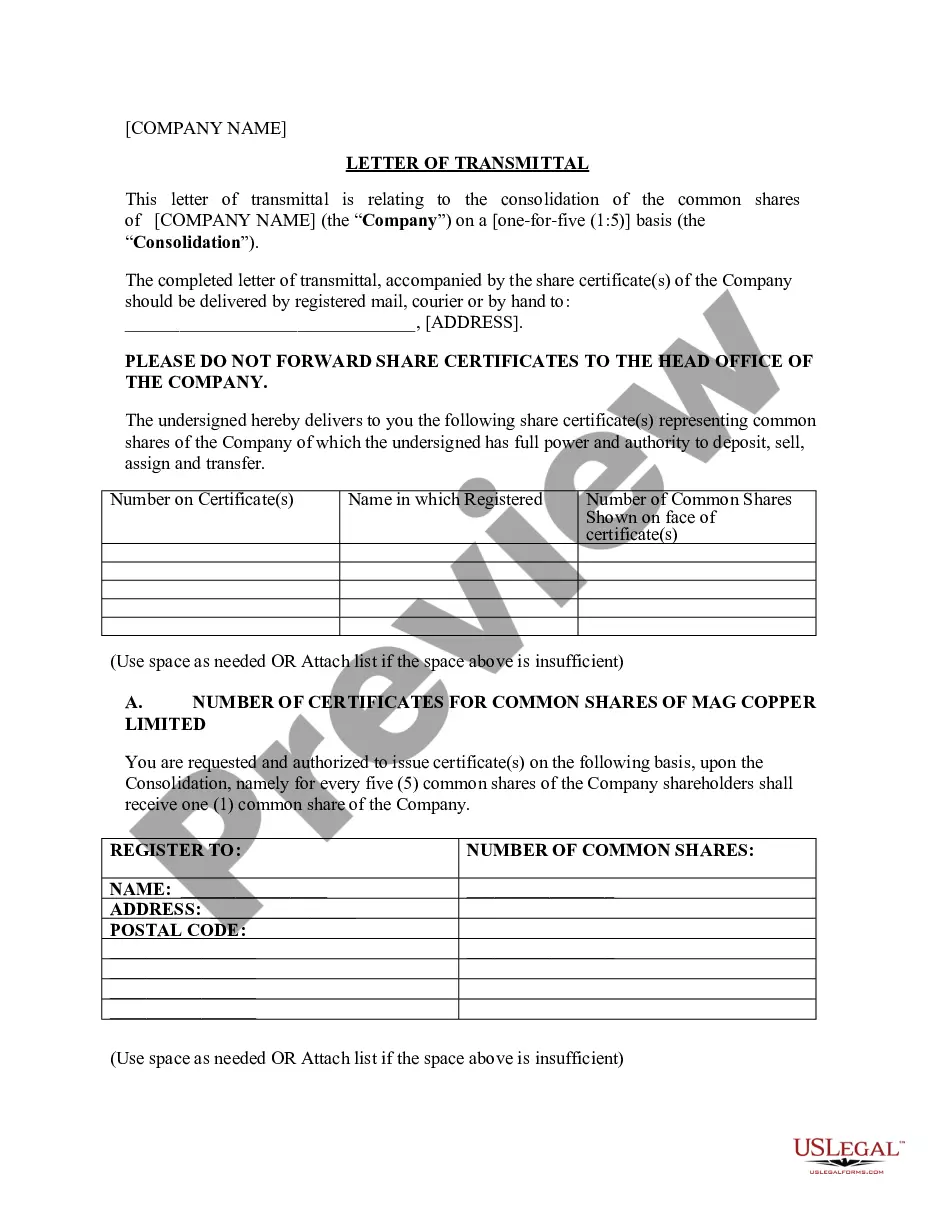
Get your form ready online
Our built-in tools help you complete, sign, share, and store your documents in one place.
Make edits, fill in missing information, and update formatting in US Legal Forms—just like you would in MS Word.
Download a copy, print it, send it by email, or mail it via USPS—whatever works best for your next step.
Sign and collect signatures with our SignNow integration. Send to multiple recipients, set reminders, and more. Go Premium to unlock E-Sign.
If this form requires notarization, complete it online through a secure video call—no need to meet a notary in person or wait for an appointment.
We protect your documents and personal data by following strict security and privacy standards.

Make edits, fill in missing information, and update formatting in US Legal Forms—just like you would in MS Word.

Download a copy, print it, send it by email, or mail it via USPS—whatever works best for your next step.

Sign and collect signatures with our SignNow integration. Send to multiple recipients, set reminders, and more. Go Premium to unlock E-Sign.

If this form requires notarization, complete it online through a secure video call—no need to meet a notary in person or wait for an appointment.

We protect your documents and personal data by following strict security and privacy standards.
Looking for another form?


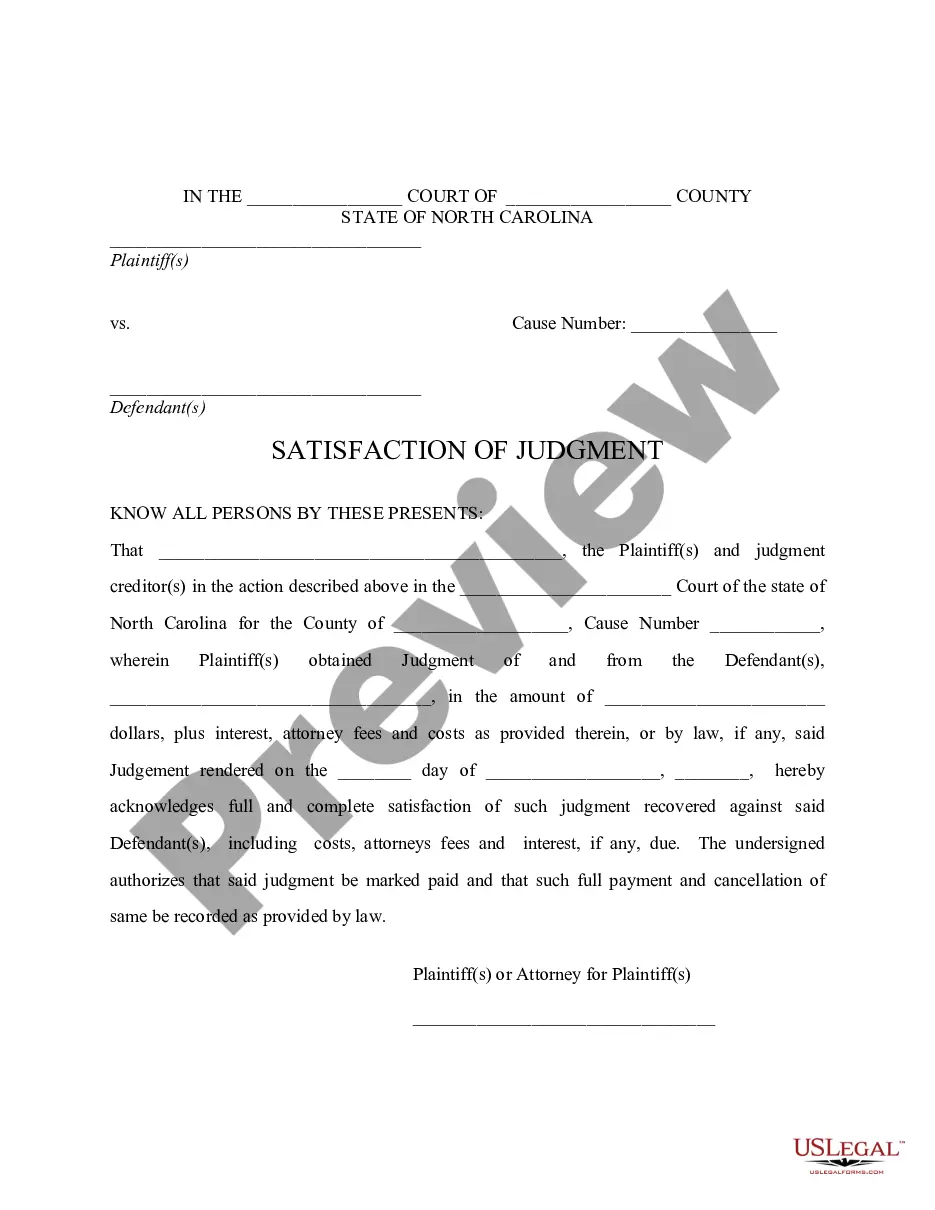







How to fill out Florida Sample Transmittal Letter To Secretary Of State's Office To File Articles Of Incorporation?
Drafting legal documents from scratch can often be a little overwhelming. Some cases might involve hours of research and hundreds of dollars spent. If you’re looking for a a more straightforward and more affordable way of creating Cover Letter Format For Resume or any other forms without the need of jumping through hoops, US Legal Forms is always at your fingertips.
Our online library of more than 85,000 up-to-date legal documents addresses virtually every element of your financial, legal, and personal affairs. With just a few clicks, you can instantly get state- and county-specific forms diligently put together for you by our legal specialists.
Use our platform whenever you need a trusted and reliable services through which you can easily find and download the Cover Letter Format For Resume. If you’re not new to our services and have previously set up an account with us, simply log in to your account, locate the template and download it away or re-download it anytime later in the My Forms tab.
Don’t have an account? No problem. It takes minutes to set it up and explore the library. But before jumping straight to downloading Cover Letter Format For Resume, follow these recommendations:
- Check the document preview and descriptions to ensure that you have found the form you are looking for.
- Make sure the form you choose conforms with the regulations and laws of your state and county.
- Pick the best-suited subscription option to buy the Cover Letter Format For Resume.
- Download the file. Then complete, sign, and print it out.
US Legal Forms boasts a good reputation and over 25 years of expertise. Join us today and turn document execution into something easy and streamlined!
Form popularity
FAQ
Follow these guidelines: Make your cover letter single-spaced. Add a space between each section: contact information, salutation, opening paragraph, middle paragraph, closing paragraph and complimentary closing. (There's no need to indent any of your paragraphs.)
Your Cover Letter and Resume Should Match Be sure all of these elements match when you create your cover letter and resume together: Color. Font and font size. Layout, including margins and paragraph spacing.
The best format for most cover letters is the same as a standard one-page business letter. It should contain the following sections: a header with the applicant and hiring manager's contact information, a salutation, an opening paragraph, one or two short body paragraphs, a closing paragraph and a signoff.
Write in a style that is mature but clear; avoid long and intricate sentences and paragraphs; avoid jargon. Use action verbs and the active voice; convey confidence, optimism, and enthusiasm coupled with respect and professionalism. Show some personality, but avoid hard-sell, gimmicky, or unorthodox letters.