Estate Property Selling Without
Description
Get your form ready online
Our built-in tools help you complete, sign, share, and store your documents in one place.
Make edits, fill in missing information, and update formatting in US Legal Forms—just like you would in MS Word.
Download a copy, print it, send it by email, or mail it via USPS—whatever works best for your next step.
Sign and collect signatures with our SignNow integration. Send to multiple recipients, set reminders, and more. Go Premium to unlock E-Sign.
If this form requires notarization, complete it online through a secure video call—no need to meet a notary in person or wait for an appointment.
We protect your documents and personal data by following strict security and privacy standards.

Make edits, fill in missing information, and update formatting in US Legal Forms—just like you would in MS Word.

Download a copy, print it, send it by email, or mail it via USPS—whatever works best for your next step.

Sign and collect signatures with our SignNow integration. Send to multiple recipients, set reminders, and more. Go Premium to unlock E-Sign.

If this form requires notarization, complete it online through a secure video call—no need to meet a notary in person or wait for an appointment.

We protect your documents and personal data by following strict security and privacy standards.
Looking for another form?







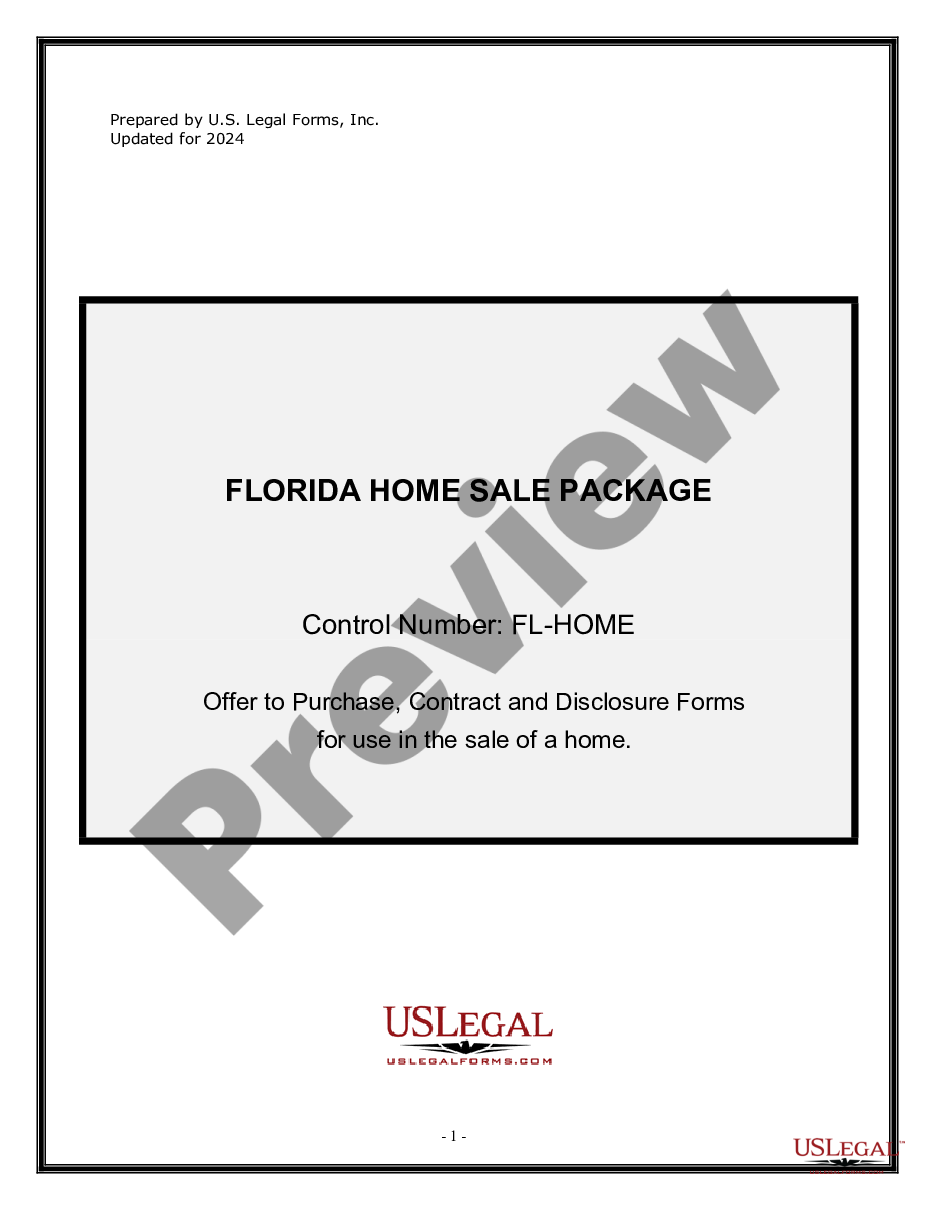
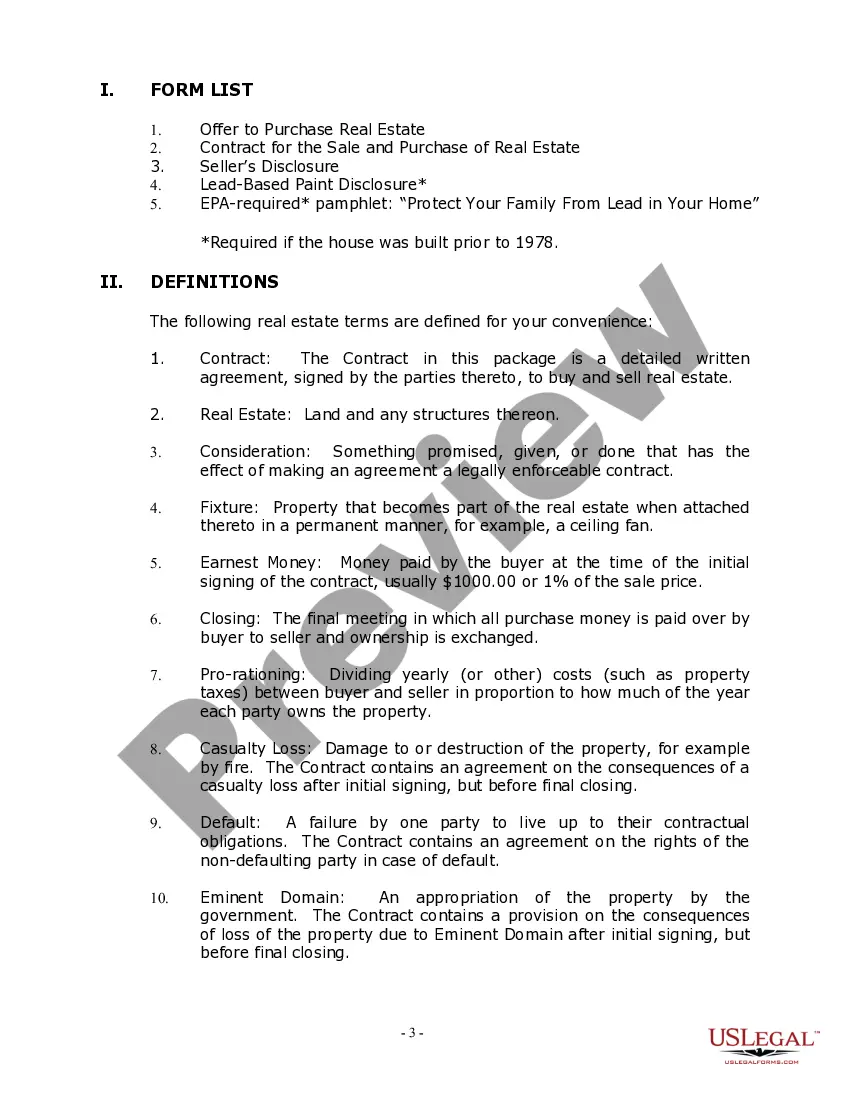
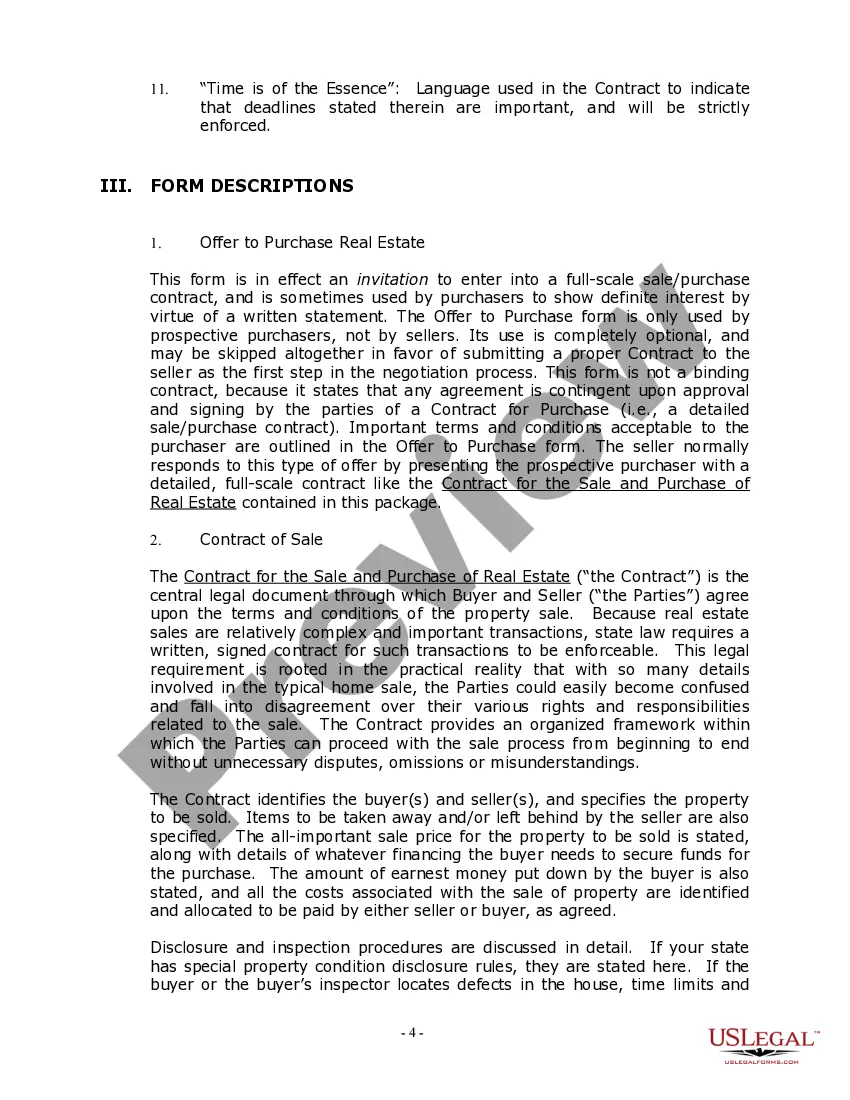
How to fill out Florida Real Estate Home Sales Package With Offer To Purchase, Contract Of Sale, Disclosure Statements And More For Residential House?
Handling legal documents and processes can be a tedious addition to your whole day.
Estate Property Selling Without and similar forms often require you to search for them and identify the most effective way to fill them out correctly.
Therefore, whether you're addressing financial, legal, or personal issues, having a thorough and accessible online library of forms available to you will be extremely beneficial.
US Legal Forms is the leading online source of legal templates, providing over 85,000 state-specific forms and a variety of resources to help you complete your documents swiftly.
Simply Log In to your account, find Estate Property Selling Without, and download it immediately from the My documents section. You can also access forms you've downloaded in the past.
- Explore the collection of pertinent documents available to you with a simple click.
- US Legal Forms offers state- and county-specific templates ready for download at any time.
- Safeguard your document management processes using a reliable service that enables you to create any form in minutes without any hidden or extra charges.
Form popularity
FAQ
Among those assets will be the real estate and the probate referee will appraise the real estate. If the executor can sell the property for more than 90 percent of its appraised value then they do not need to get the permission of the beneficiaries or of the court.
You can't transfer title to the will and sell the home without probate. That can't be done if the will is contested. Assuming the will is uncontested the executor will eventually be granted a probate order that allows that person to transfer the title of the home.
If accounts have not been passed after two years, a beneficiary can again apply to the court to require passing of the executor's accounts. The executor will need to explain why the estate has not yet been settled.
You can use the funds to pay any final bills, including court costs, lawyer fees and, eventually, the estate's beneficiaries. Keep track of your time and expenses. As executor, you are entitled to reasonable compensation for your time, so record how long you spend on estate-related tasks.
The length can vary from six months if the distribution is simple, to three years to settle complex matters. If the executor can demonstrate that they are taking action to keep the process moving forward, they can generally be allowed by the courts to proceed.