Life Tenant Florida For Sale
Description
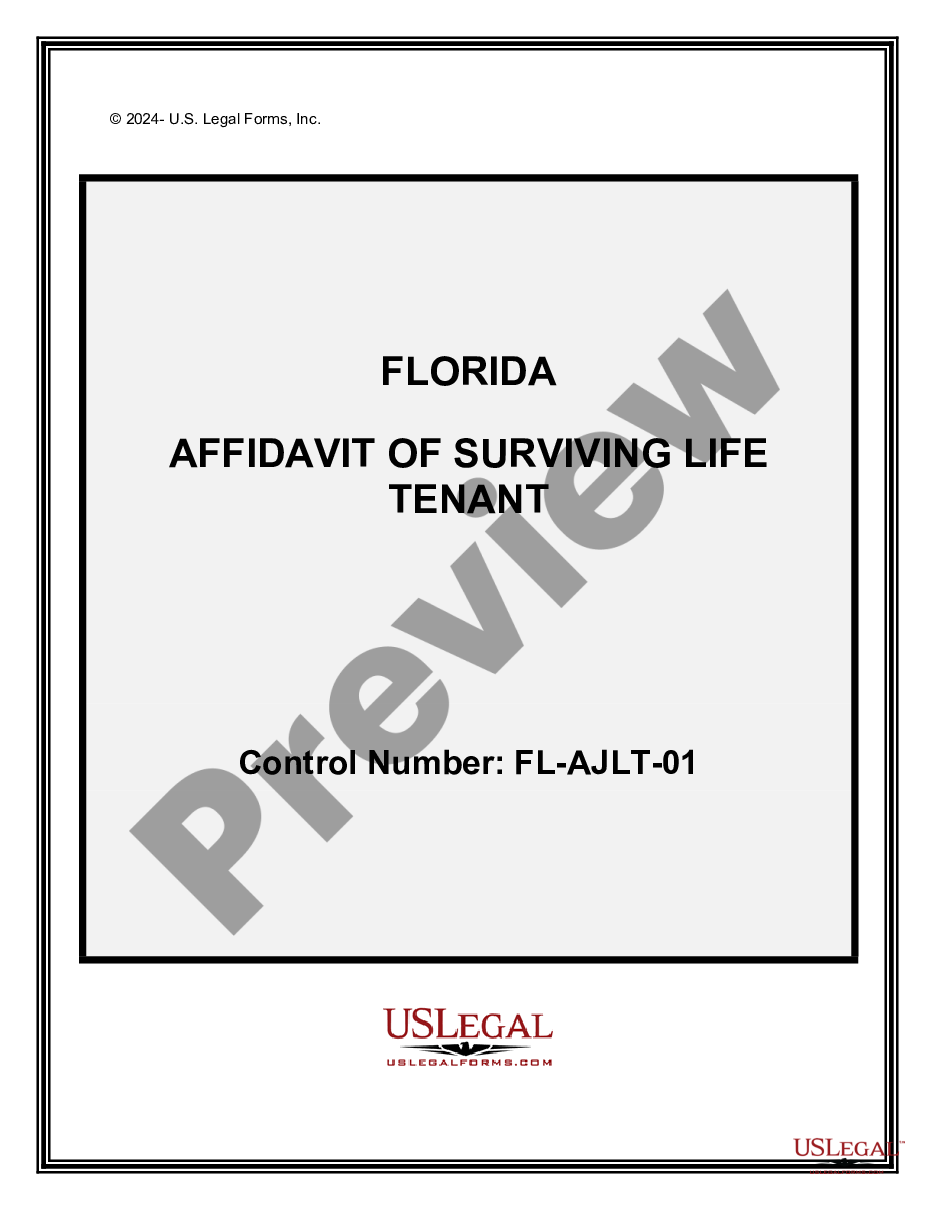
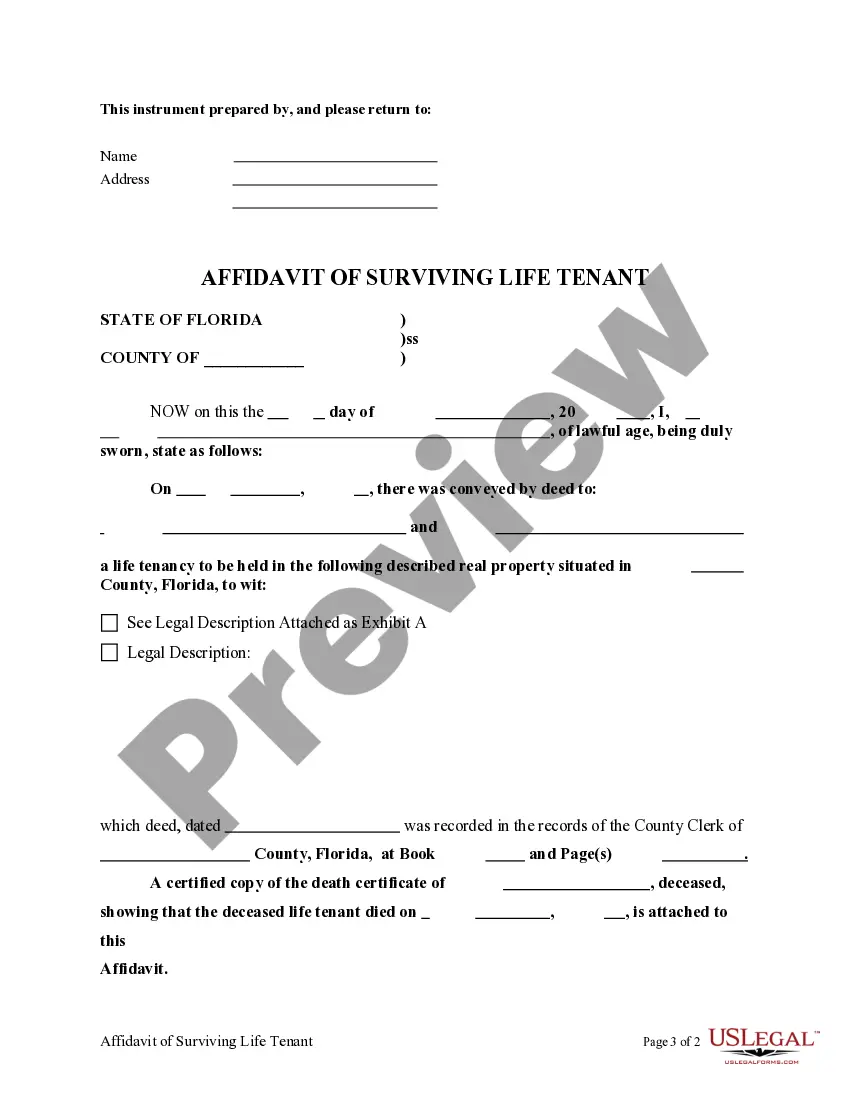
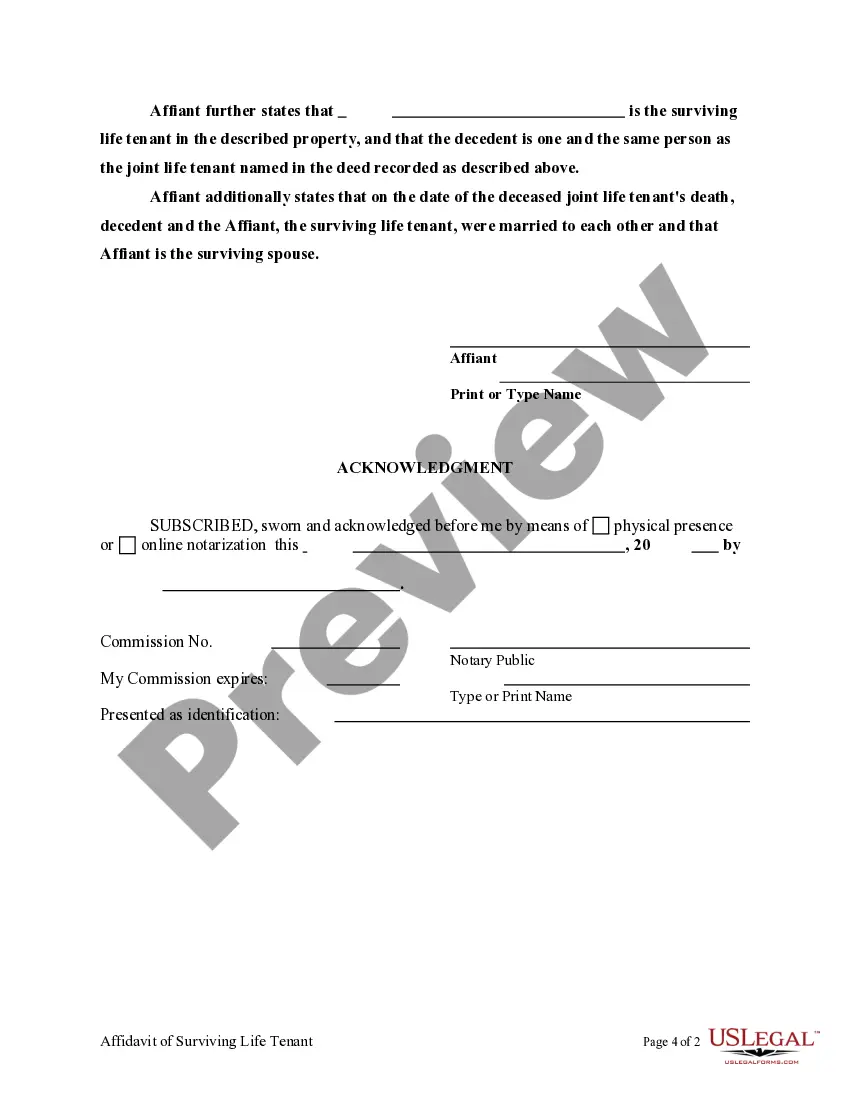
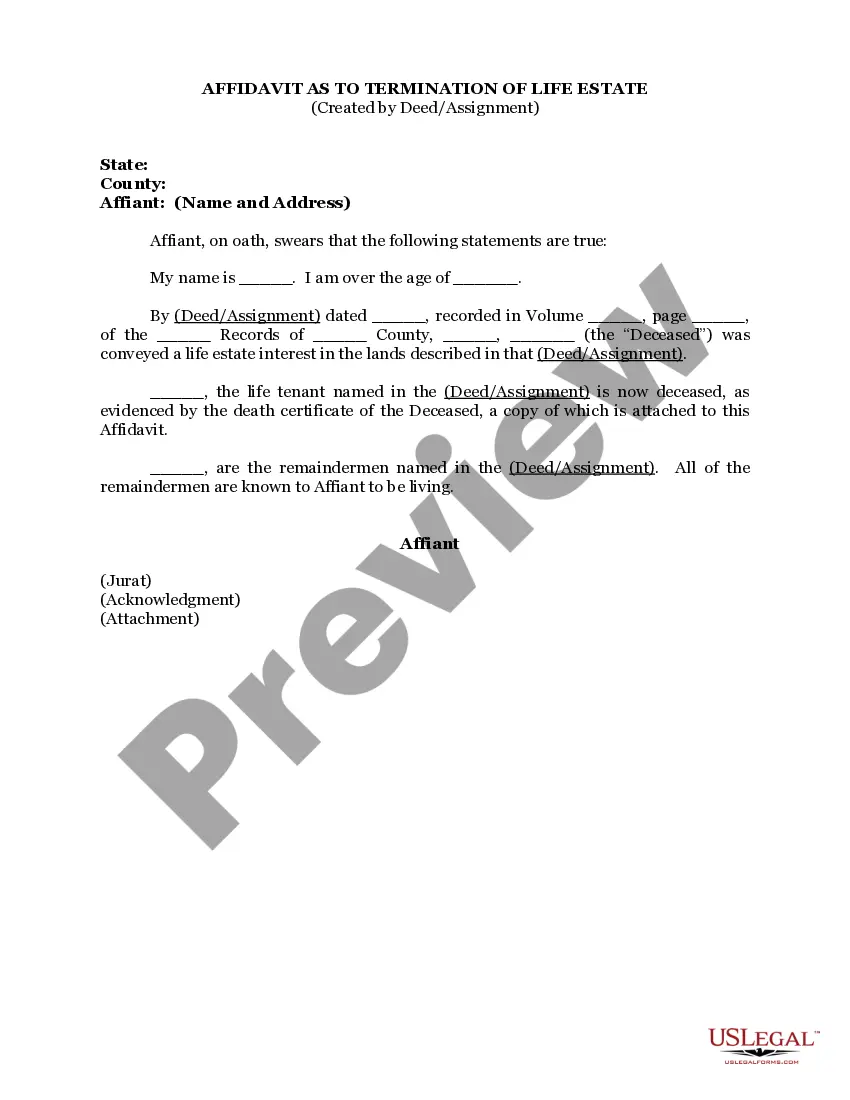
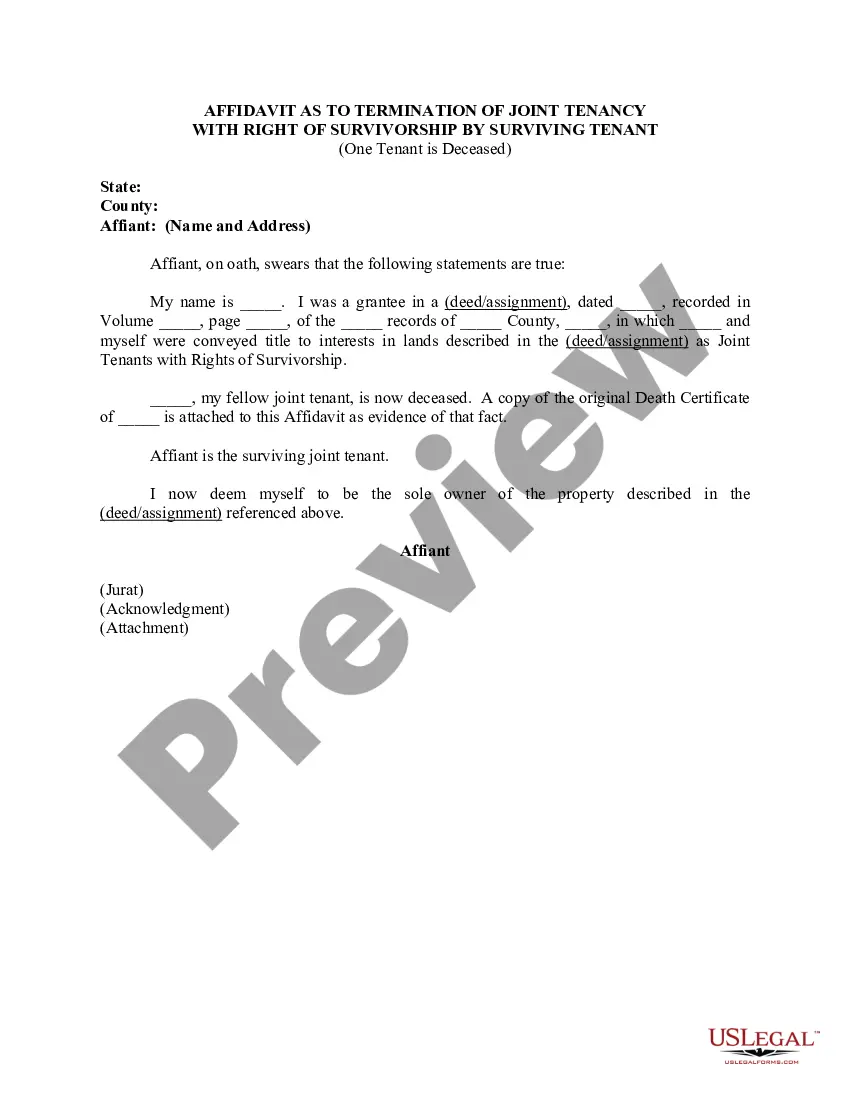
Get your form ready online
Our built-in tools help you complete, sign, share, and store your documents in one place.
Make edits, fill in missing information, and update formatting in US Legal Forms—just like you would in MS Word.
Download a copy, print it, send it by email, or mail it via USPS—whatever works best for your next step.
Sign and collect signatures with our SignNow integration. Send to multiple recipients, set reminders, and more. Go Premium to unlock E-Sign.
If this form requires notarization, complete it online through a secure video call—no need to meet a notary in person or wait for an appointment.
We protect your documents and personal data by following strict security and privacy standards.

Make edits, fill in missing information, and update formatting in US Legal Forms—just like you would in MS Word.

Download a copy, print it, send it by email, or mail it via USPS—whatever works best for your next step.

Sign and collect signatures with our SignNow integration. Send to multiple recipients, set reminders, and more. Go Premium to unlock E-Sign.

If this form requires notarization, complete it online through a secure video call—no need to meet a notary in person or wait for an appointment.

We protect your documents and personal data by following strict security and privacy standards.
Looking for another form?










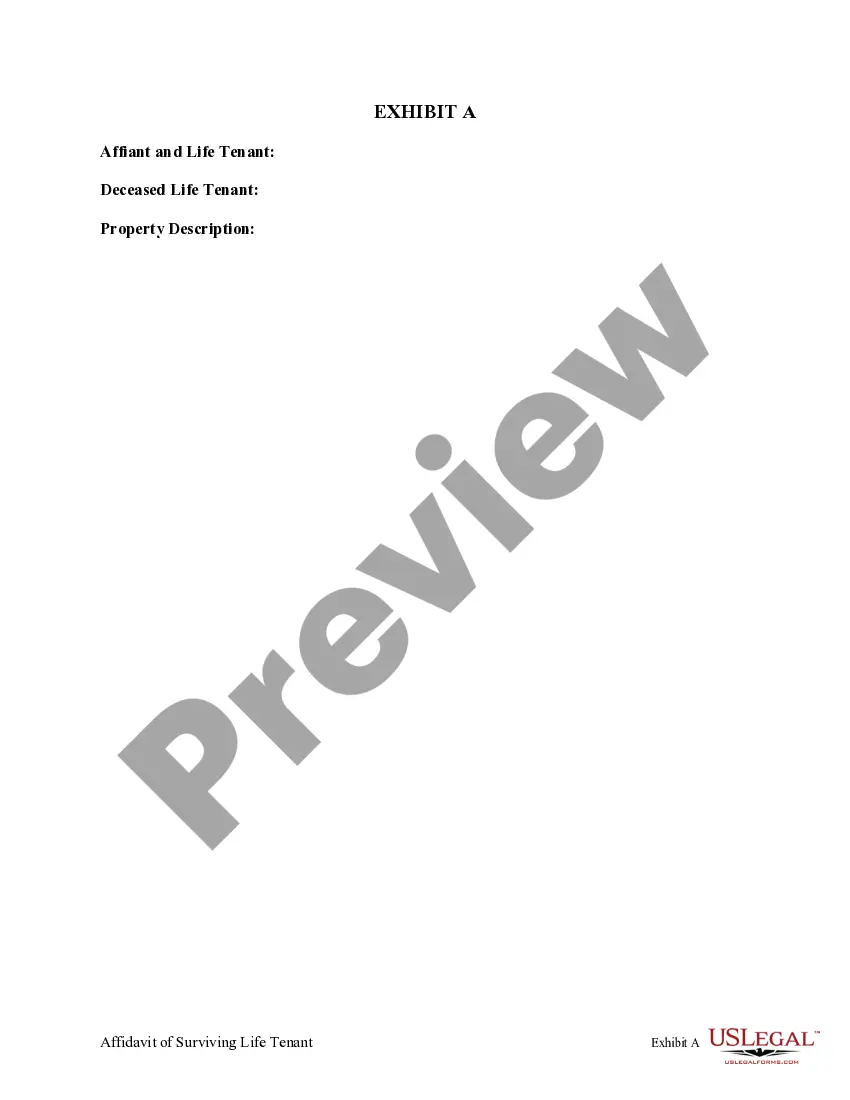
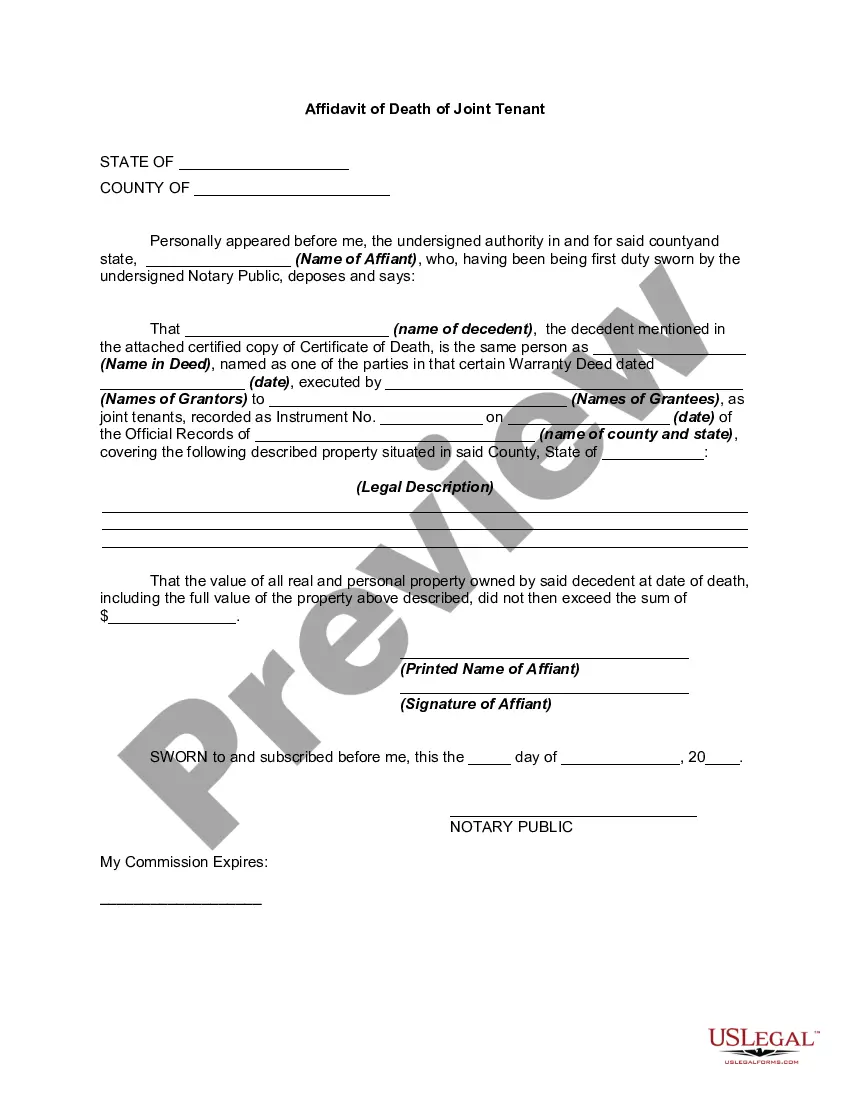
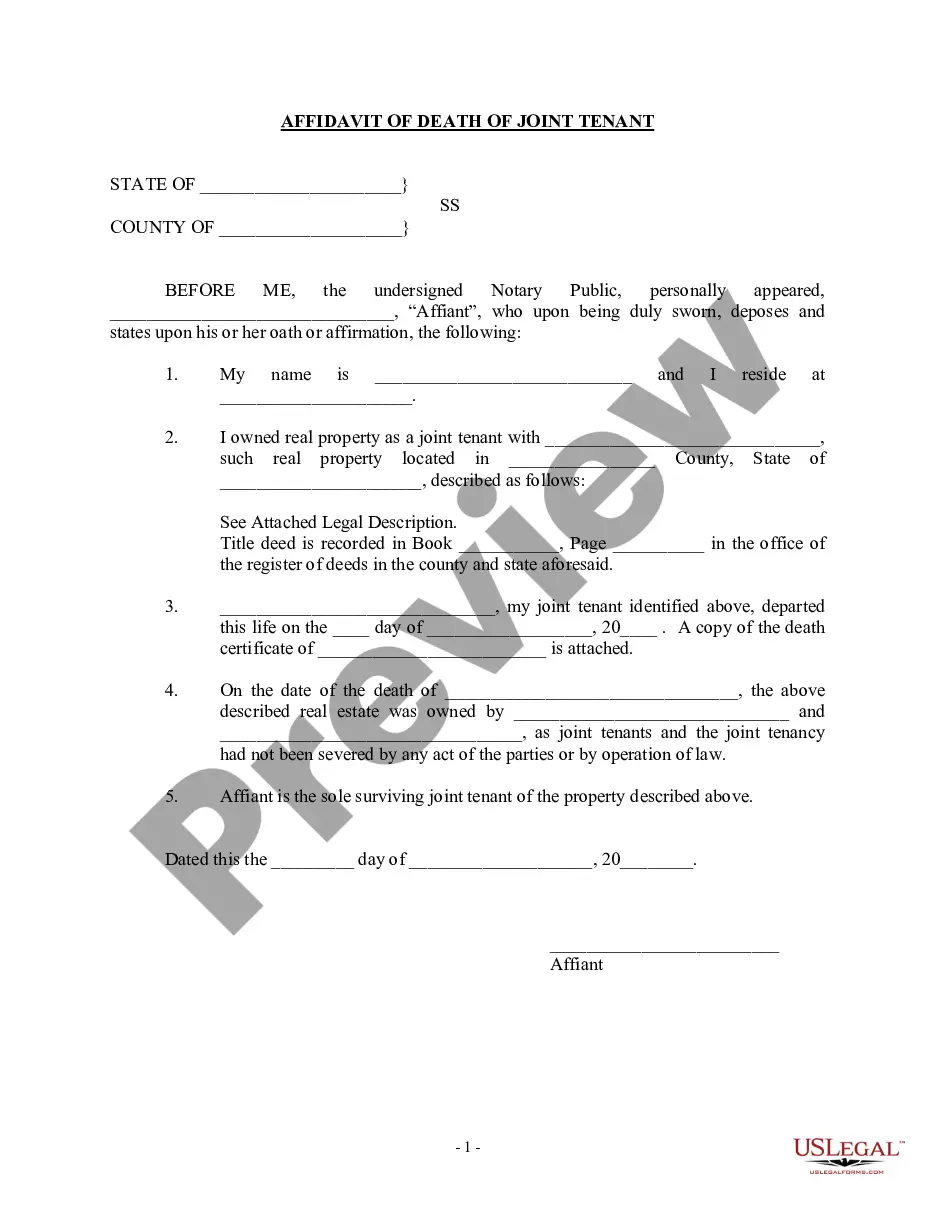
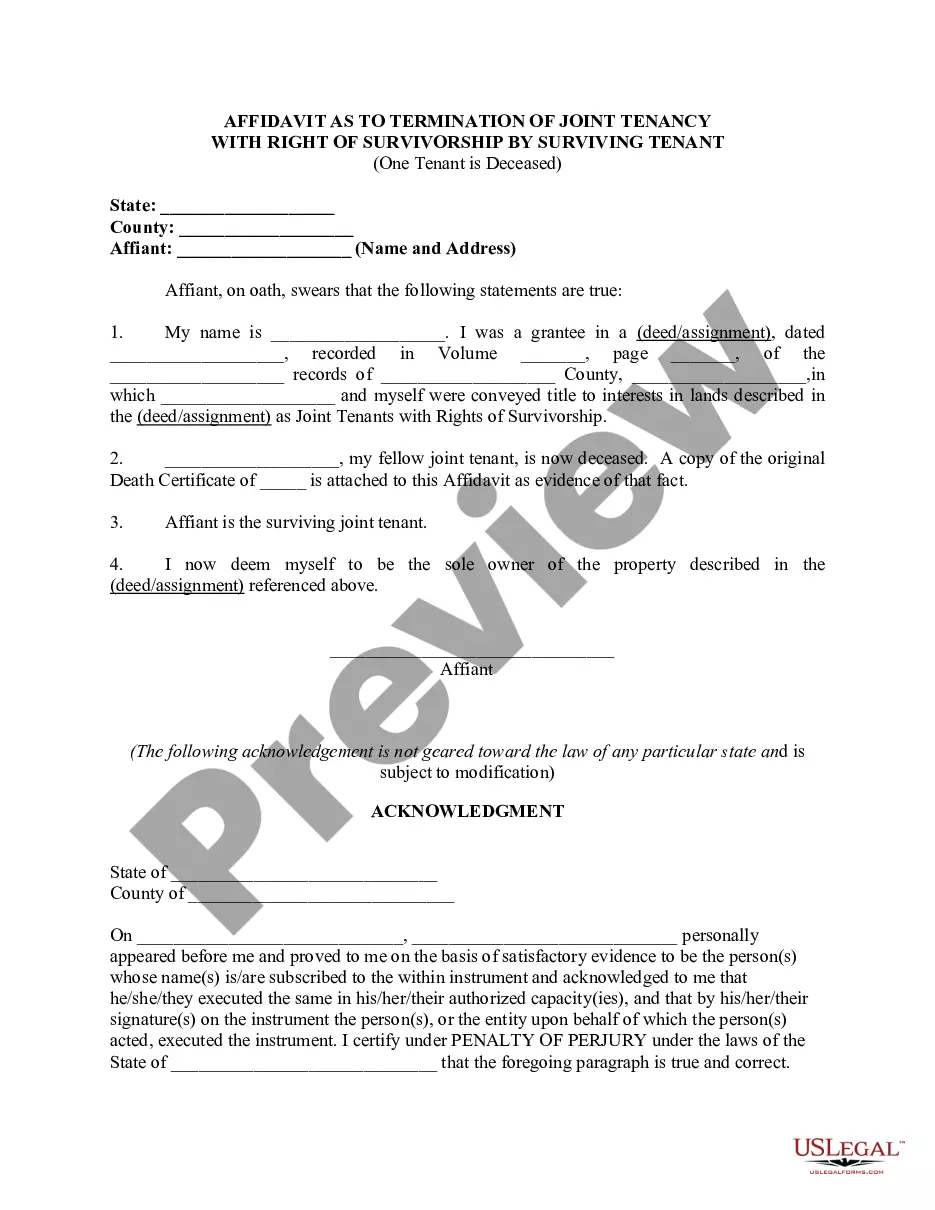
How to fill out Florida Affidavit Of Surviving Life Tenant?
- If you’re an existing user of US Legal Forms, log in to your account and click the Download button for your required form template. Ensure your subscription is active; if expired, renew it based on your chosen plan.
- For first-time users, start by checking the Preview mode and read the form description. Make sure to select a form that aligns with your needs and complies with local jurisdiction rules.
- If you need more options, use the Search tab to hunt for a different template that fits your requirements. Once you identify a suitable form, continue to the next step.
- Click on the Buy Now button to purchase the document. Choose your preferred subscription plan and create an account to gain access to the library.
- Complete your purchase by entering your credit card information or via your PayPal account for subscription payment.
- Download your completed form to your device, ensuring you can fill it out as needed. Access it at any time in the My Forms section of your profile.
Using US Legal Forms not only streamlines the document acquisition process but also assures the quality and legal validity of your forms. With over 85,000 templates, users can find exactly what they need while benefiting from expert assistance.
Take the hassle out of legal documentation today. Explore US Legal Forms and start ensuring your legal needs are met with precision and ease!
Form popularity
FAQ
To establish a life estate deed in Florida, the property owner must clearly outline the life tenant and remainderman in the deed. The deed must comply with state regulations and be properly executed and recorded in the county where the property is located. Consider using a reliable platform like USLegalForms to ensure that your life estate deed meets all legal requirements and protects your interests.
People create life estates to maintain control over property while ensuring it passes smoothly to heirs. A life tenant in Florida enjoys living in and using the property during their lifetime, ensuring a secure home. This arrangement can also help families avoid probate, simplifying the transition once the life tenant passes away. Overall, it serves as a practical estate planning tool.
Life estates can lead to complications in property management and estate planning. As a life tenant in Florida, your ability to make changes is limited, which can create frustration. Additionally, since you cannot outright sell the property without permission, this constraint can reduce your financial flexibility. It’s crucial to weigh these factors when considering a life estate.
Getting around a life estate often involves understanding the specific terms of your deed. You might need the consent of the remainderman to sell or reallocate the property. If both parties agree, one option is to file a partition action, which may allow for the sale or division of the property. Always consult professionals familiar with life tenant properties in Florida to evaluate your options.
A life estate deed can restrict your control over the property. As a life tenant in Florida, you maintain rights during your lifetime, but selling or altering the property usually requires the agreement of the remainderman. Additionally, when you pass away, the property automatically transfers to the remainderman, potentially bypassing your heirs. Therefore, you may not achieve your desired inheritance plan.
Life estates are typically created by a deed, which legally conveys property rights. They can also be established through a will, outlining the intent for property ownership after death. Additionally, trusts can incorporate life estates as part of their planning strategy. If you're considering a life tenant Florida for sale, understanding these creation methods can simplify the process and protect your interests.
To establish a life estate, you should use clear terms like 'for the duration of my life' or 'for life.' These phrases indicate that the ownership transfers back to the remainderman upon the life tenant's death. Crafting the deed with these specific expressions ensures that all parties understand the agreement. If you're looking for a guide on this, uslegalforms can provide essential resources.
To create a life estate, you need to include specific language in the property deed. A typical phrase might be 'to John Smith for his life.' This language clearly states that John is the life tenant, and his rights to the property are valid as long as he is alive. Using precise wording ensures that the intent of the life estate is clear and legally upheld.
A life tenant owns a property for the duration of their life. For example, if John inherits a house and is granted a life estate, he can live in that house until he passes away. After John's death, the property then transfers to a designated remainderman, who can be a family member or another party. This arrangement allows the life tenant to enjoy the property, while planning for its eventual transfer.
The remainderman cannot sell the property while the life tenant is still alive. The remainderman’s ownership rights only become effective upon the life tenant’s death. This understanding affects decisions around life tenant Florida for sale, as it involves both parties' rights and interests. For additional guidance, consider visiting US Legal Forms.