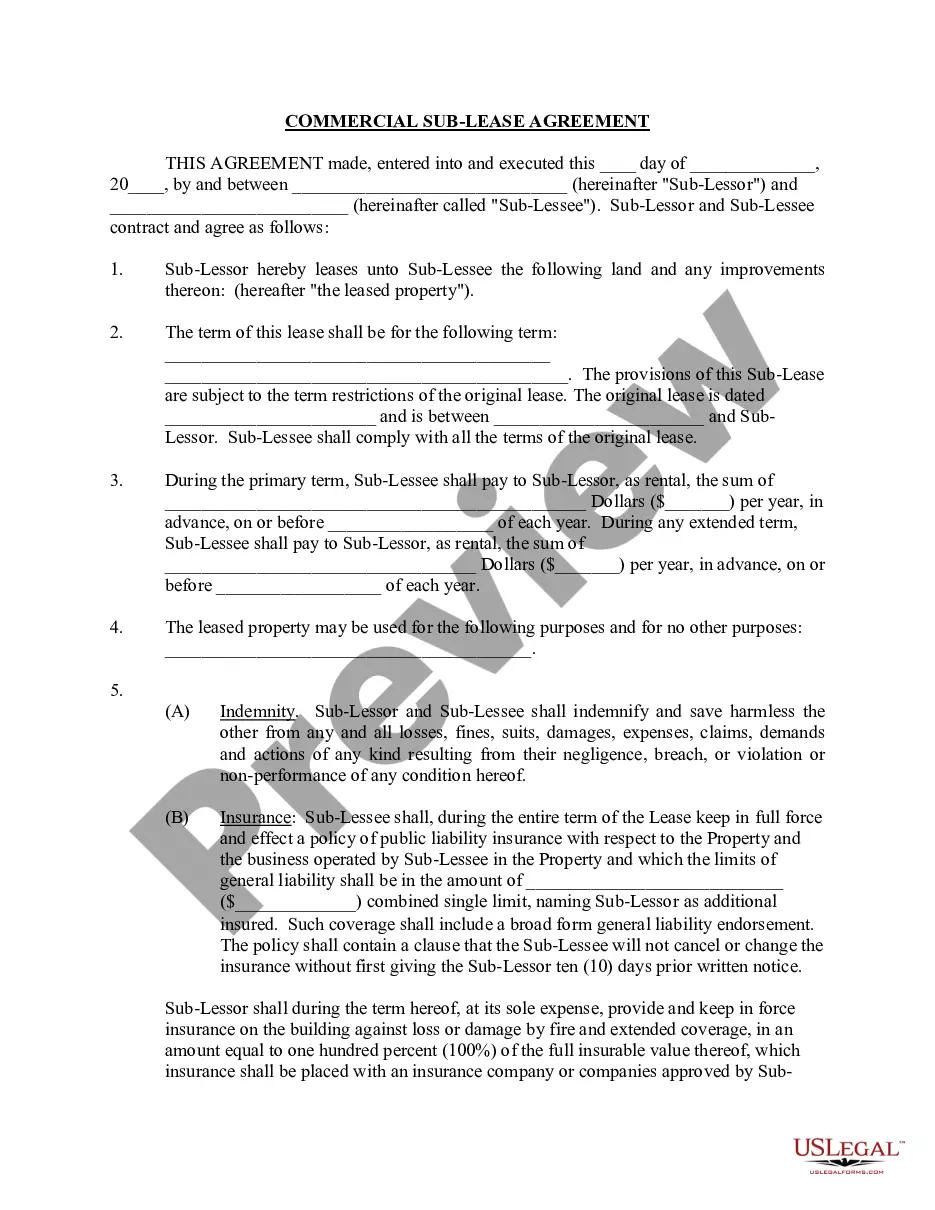
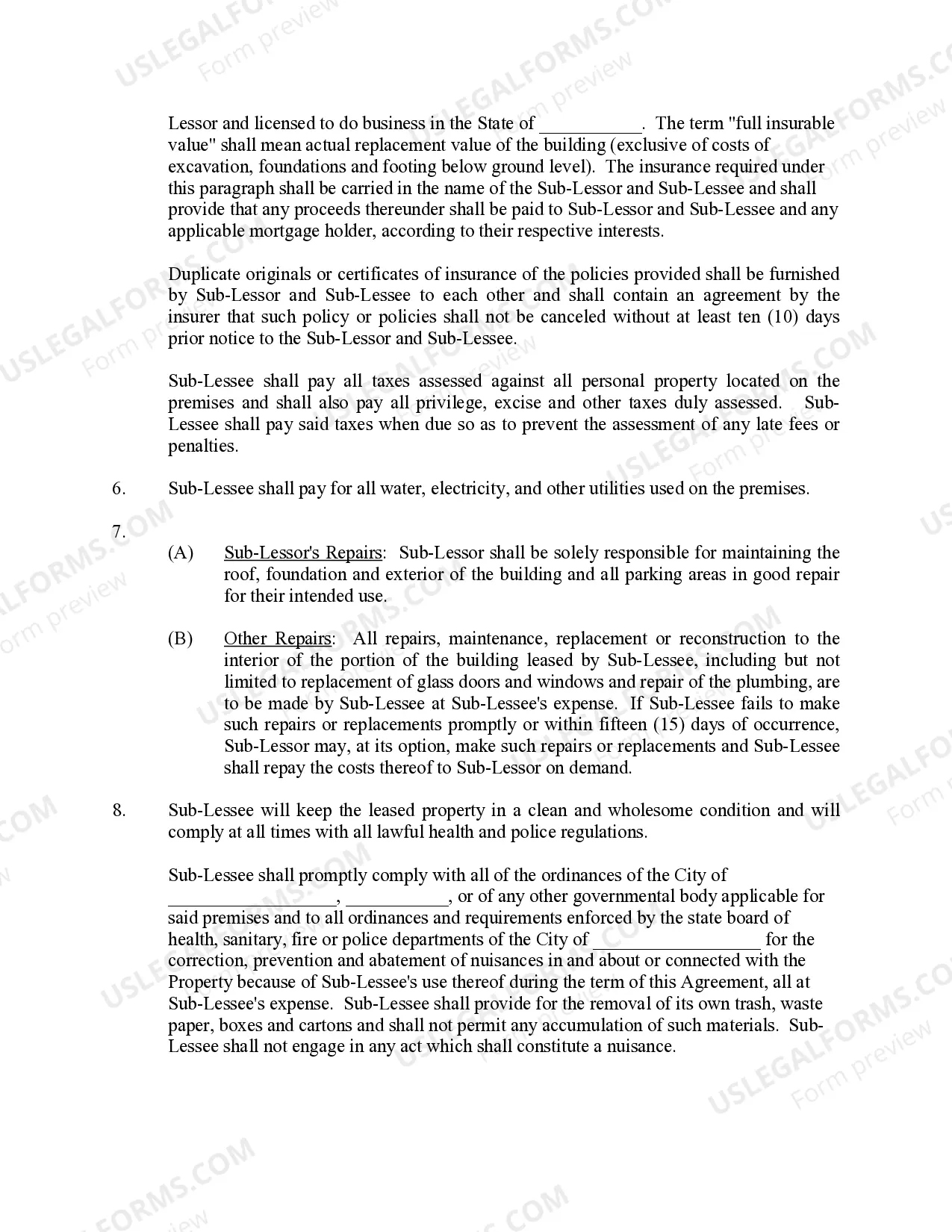
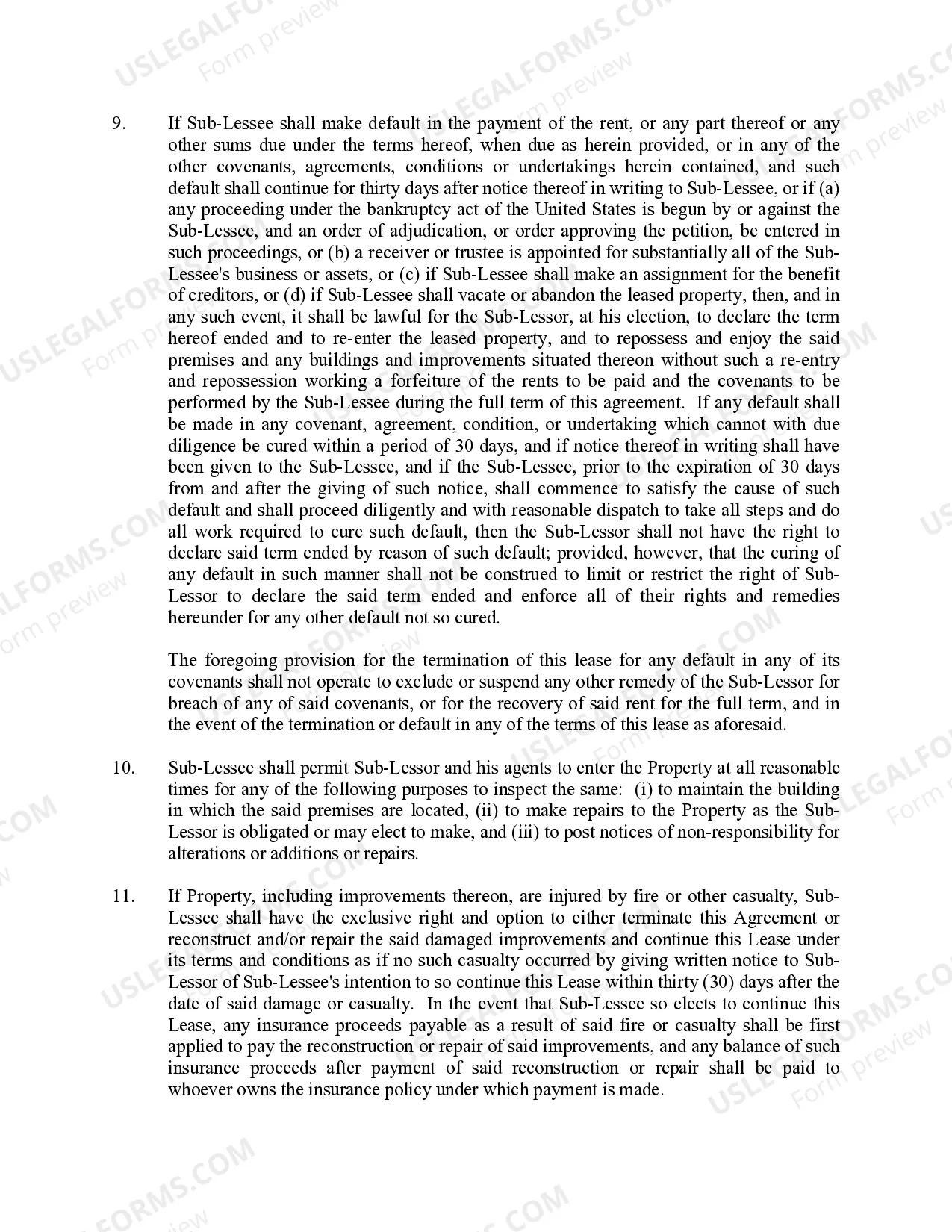
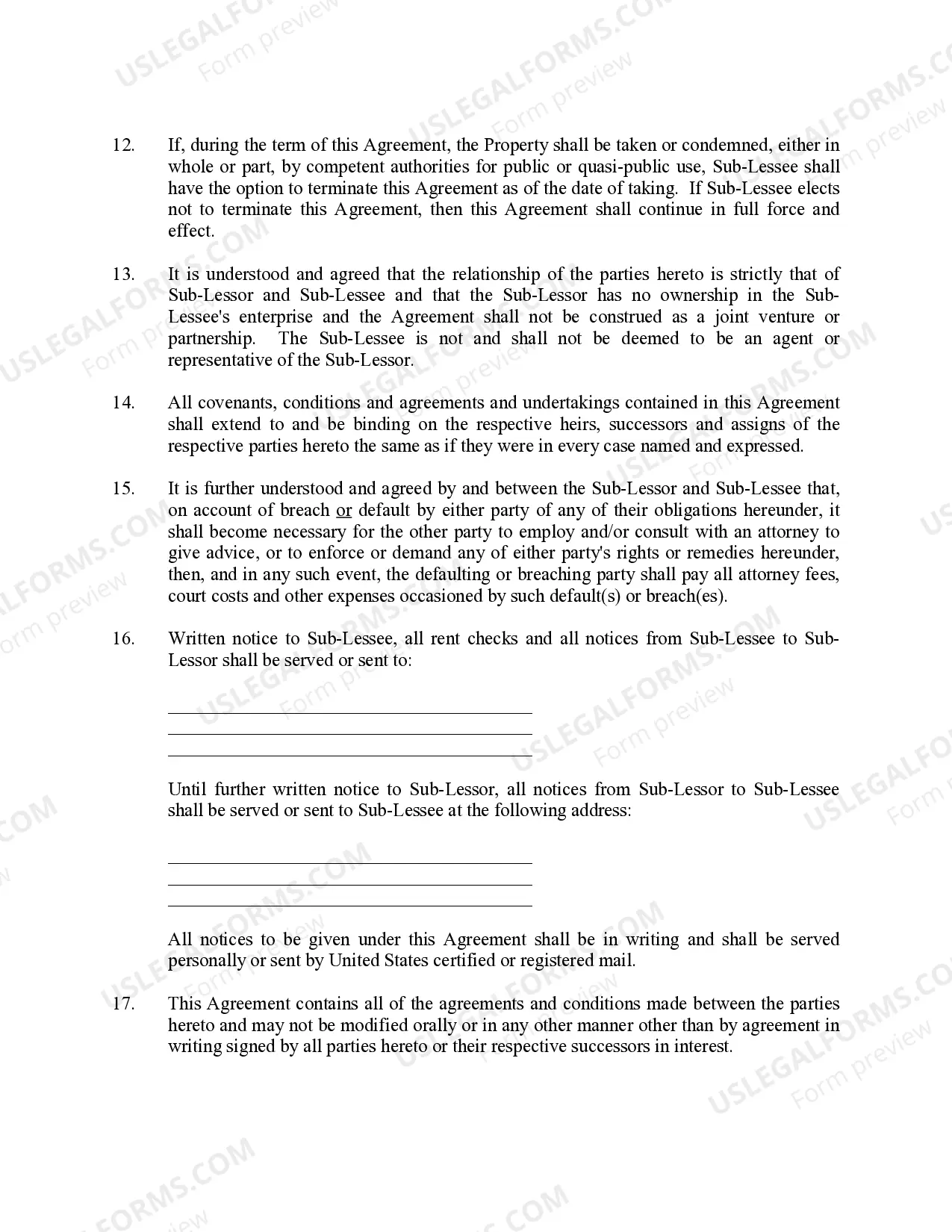
Commercial Sublease Agreement Florida For Restaurant
Description
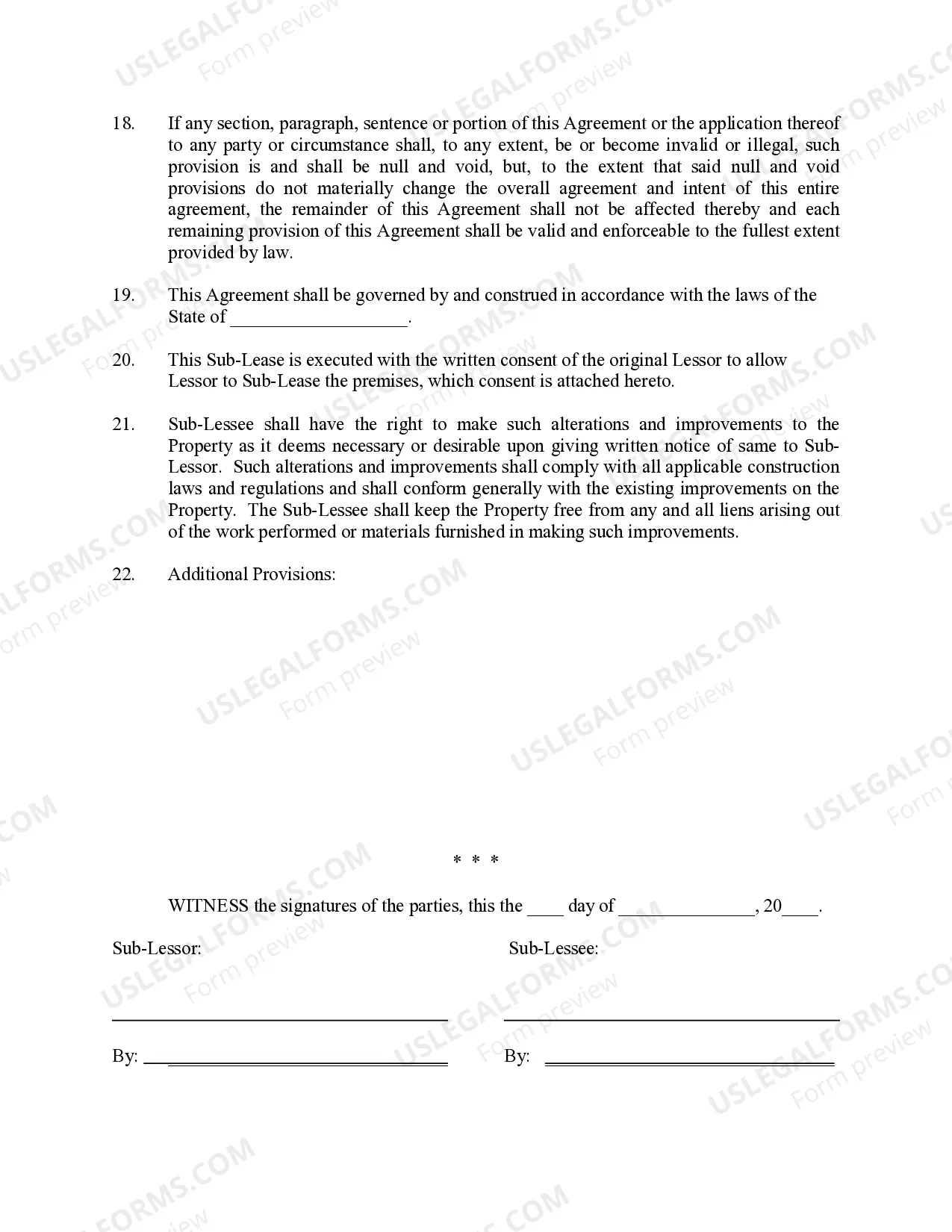
Get your form ready online
Our built-in tools help you complete, sign, share, and store your documents in one place.
Make edits, fill in missing information, and update formatting in US Legal Forms—just like you would in MS Word.
Download a copy, print it, send it by email, or mail it via USPS—whatever works best for your next step.
Sign and collect signatures with our SignNow integration. Send to multiple recipients, set reminders, and more. Go Premium to unlock E-Sign.
If this form requires notarization, complete it online through a secure video call—no need to meet a notary in person or wait for an appointment.
We protect your documents and personal data by following strict security and privacy standards.

Make edits, fill in missing information, and update formatting in US Legal Forms—just like you would in MS Word.

Download a copy, print it, send it by email, or mail it via USPS—whatever works best for your next step.

Sign and collect signatures with our SignNow integration. Send to multiple recipients, set reminders, and more. Go Premium to unlock E-Sign.

If this form requires notarization, complete it online through a secure video call—no need to meet a notary in person or wait for an appointment.

We protect your documents and personal data by following strict security and privacy standards.
Looking for another form?


How to fill out Florida Commercial Sublease?
The Commercial Sublease Agreement Florida For Restaurant displayed on this page is a reusable official template crafted by expert attorneys in compliance with federal and local laws.
For over 25 years, US Legal Forms has offered individuals, organizations, and legal practitioners more than 85,000 authenticated, state-specific forms for any business and personal occasions. It’s the quickest, most straightforward, and most reliable method to secure the documents you require, as the service ensures bank-level data protection and anti-malware safeguards.
Subscribe to US Legal Forms to have authenticated legal templates for all of life’s situations readily available.
- Browse for the document you require and review it.
- Select the pricing plan that fits your needs and create an account.
- Choose the format you desire for your Commercial Sublease Agreement Florida For Restaurant (PDF, DOCX, RTF) and download the document onto your device.
- Print the template to complete it by hand or use an online multifunctional PDF editor to quickly and accurately fill out and sign your form with a legally-binding electronic signature.
- Utilize the same document again whenever necessary. Access the My documents tab in your profile to redownload any previously saved forms.
Form popularity
FAQ
Yes, a commercial tenant can sublet their space, depending on the lease terms. It's essential to obtain the landlord's consent and ensure the subtenant meets any requirements set forth in the original lease. A clearly defined Commercial sublease agreement Florida for restaurant will help protect your interests and provide clarity for all parties involved. Consider using platforms like US Legal Forms for guidance in this process.
In Florida, subleasing rules vary based on the terms of your original lease. Generally, landlords must grant permission for subleasing, and the original tenant remains responsible for the lease obligations. Always ensure that your sublease agreement complies with Florida laws and includes necessary terms. Utilizing a reliable resource like US Legal Forms can help you create a compliant Commercial sublease agreement Florida for restaurant.
Yes, you can sublease your commercial property, provided your lease agreement allows it. It's crucial to follow the procedures outlined in your lease to avoid legal issues. If your lease does not permit subleasing, you may need to negotiate with your landlord. A well-drafted Commercial sublease agreement Florida for restaurant can facilitate this process.
The 30 30 30 rule suggests that a restaurant's menu should consist of 30% appetizers, 30% main courses, and 30% desserts, with the remaining 10% reserved for beverages. This guideline helps in balancing the menu and ensuring a variety of options for customers. By following this rule, you can enhance customer satisfaction and streamline kitchen operations. Incorporating this strategy can also improve your restaurant's appeal when managing a Commercial sublease agreement Florida for restaurant.
Subleasing is not inherently illegal, but it depends on the terms of your lease agreement. Many lease agreements explicitly outline whether subleasing is allowed. To ensure compliance, review your lease and consult a legal expert if needed. For a comprehensive understanding, consider using a Commercial sublease agreement Florida for restaurant.
To make a subletting agreement, start by gathering all relevant details about the property and the parties involved. Clearly define the terms, including rent, duration, and any specific rules related to your restaurant. Be sure to reference your original lease and include clauses about maintenance and liability. Using US Legal Forms can streamline this process, helping you create a commercial sublease agreement for Florida that meets all legal requirements.
Yes, you can sublease your restaurant, but you must check your original lease for any restrictions. Most leases require written consent from the landlord before subleasing. When creating a commercial sublease agreement for Florida, include all necessary details to protect your interests and ensure compliance with local regulations. Tools like US Legal Forms can assist you in developing a legally sound agreement.
When writing a contract for a sublease, begin with a clear title and the details of the original lease. Include the subtenant's responsibilities, rent amount, and the duration of the sublease. It's also important to specify any restrictions, especially for a restaurant, such as permitted hours of operation and compliance with local health codes. Utilizing resources from US Legal Forms can guide you in drafting an effective commercial sublease agreement for Florida.
To write a sublease agreement contract, start by including the names of all parties involved and the property address. Clearly outline the rental terms, duration, and payment schedule, along with any rules specific to your restaurant. Additionally, ensure that you reference the original lease and include clauses regarding maintenance and repairs. Platforms like US Legal Forms provide templates that can help you create a comprehensive commercial sublease agreement for Florida.
A commercial sublease agreement is a legal document that allows a tenant to lease out their rented space to another party. In Florida, this type of agreement must align with the original lease terms and cover essential aspects like payment terms, duration, and property use. For restaurants, it is vital to clarify the allowed business activities and any shared responsibilities. This ensures that both parties understand their rights and obligations.