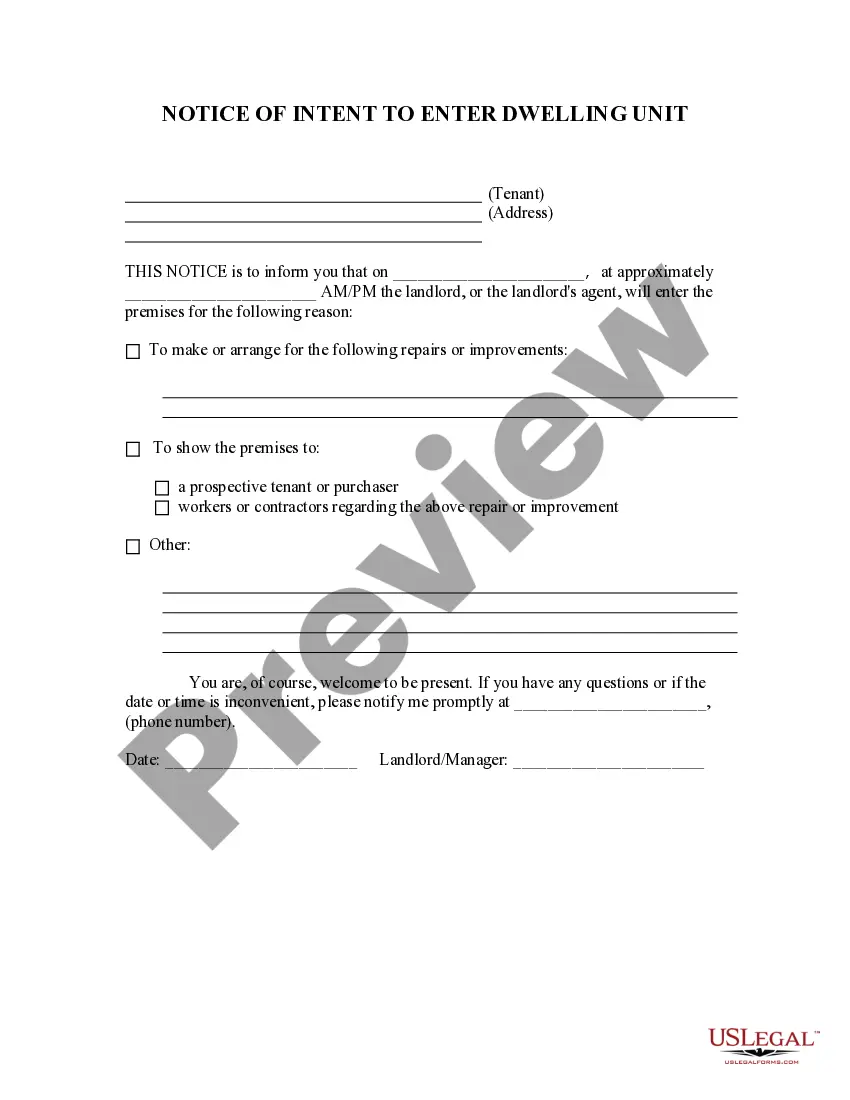
Notice Intent Enter Landlord With No Owner
Description
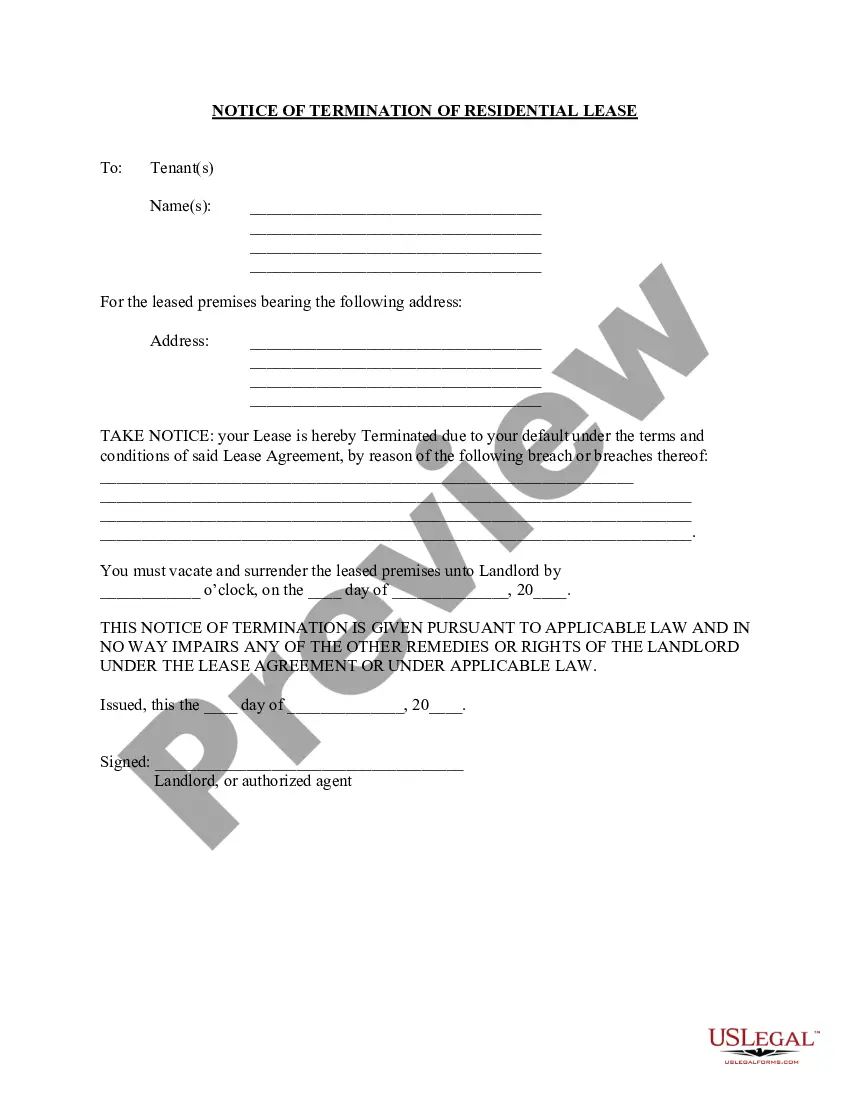
Get your form ready online
Our built-in tools help you complete, sign, share, and store your documents in one place.
Make edits, fill in missing information, and update formatting in US Legal Forms—just like you would in MS Word.
Download a copy, print it, send it by email, or mail it via USPS—whatever works best for your next step.
Sign and collect signatures with our SignNow integration. Send to multiple recipients, set reminders, and more. Go Premium to unlock E-Sign.
If this form requires notarization, complete it online through a secure video call—no need to meet a notary in person or wait for an appointment.
We protect your documents and personal data by following strict security and privacy standards.

Make edits, fill in missing information, and update formatting in US Legal Forms—just like you would in MS Word.

Download a copy, print it, send it by email, or mail it via USPS—whatever works best for your next step.

Sign and collect signatures with our SignNow integration. Send to multiple recipients, set reminders, and more. Go Premium to unlock E-Sign.

If this form requires notarization, complete it online through a secure video call—no need to meet a notary in person or wait for an appointment.

We protect your documents and personal data by following strict security and privacy standards.
Looking for another form?






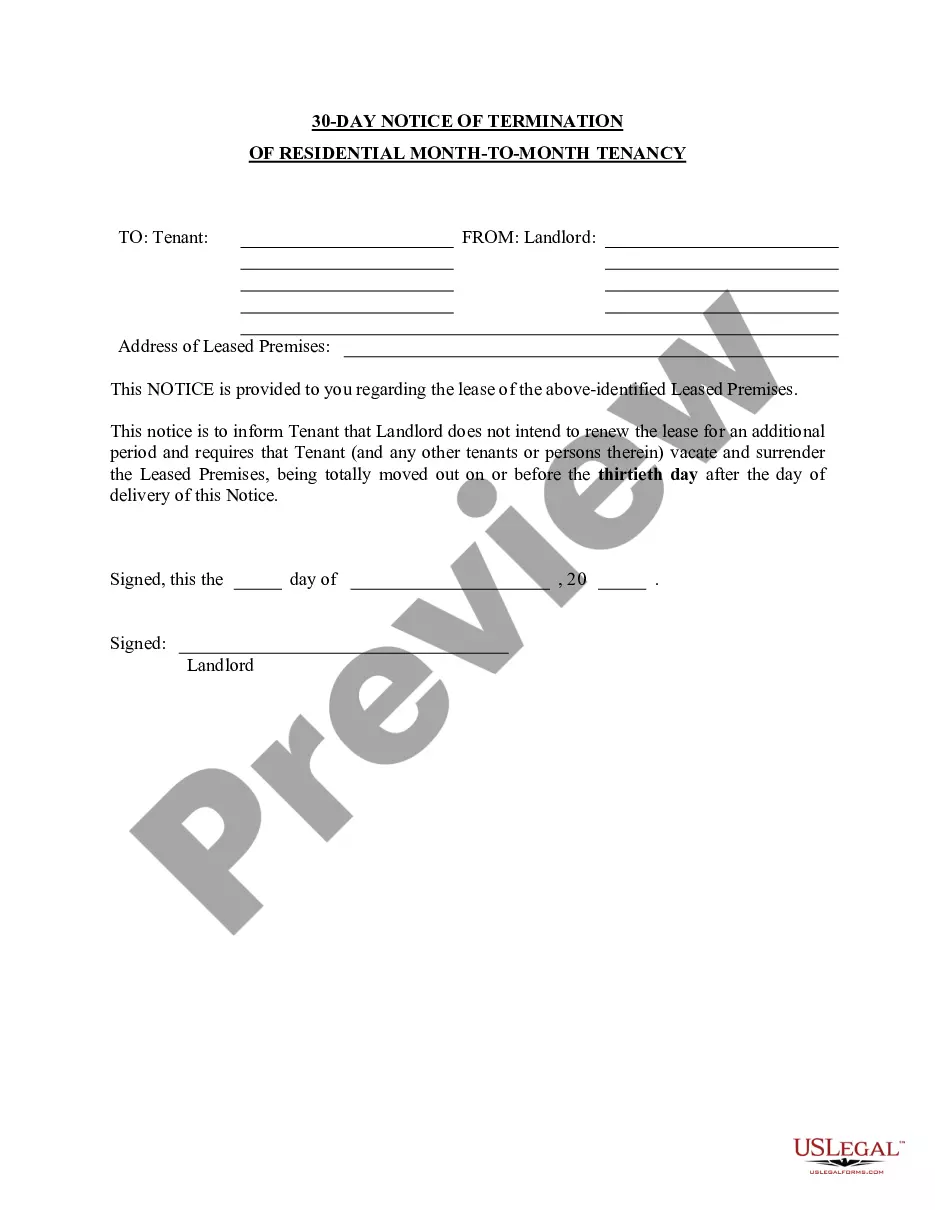

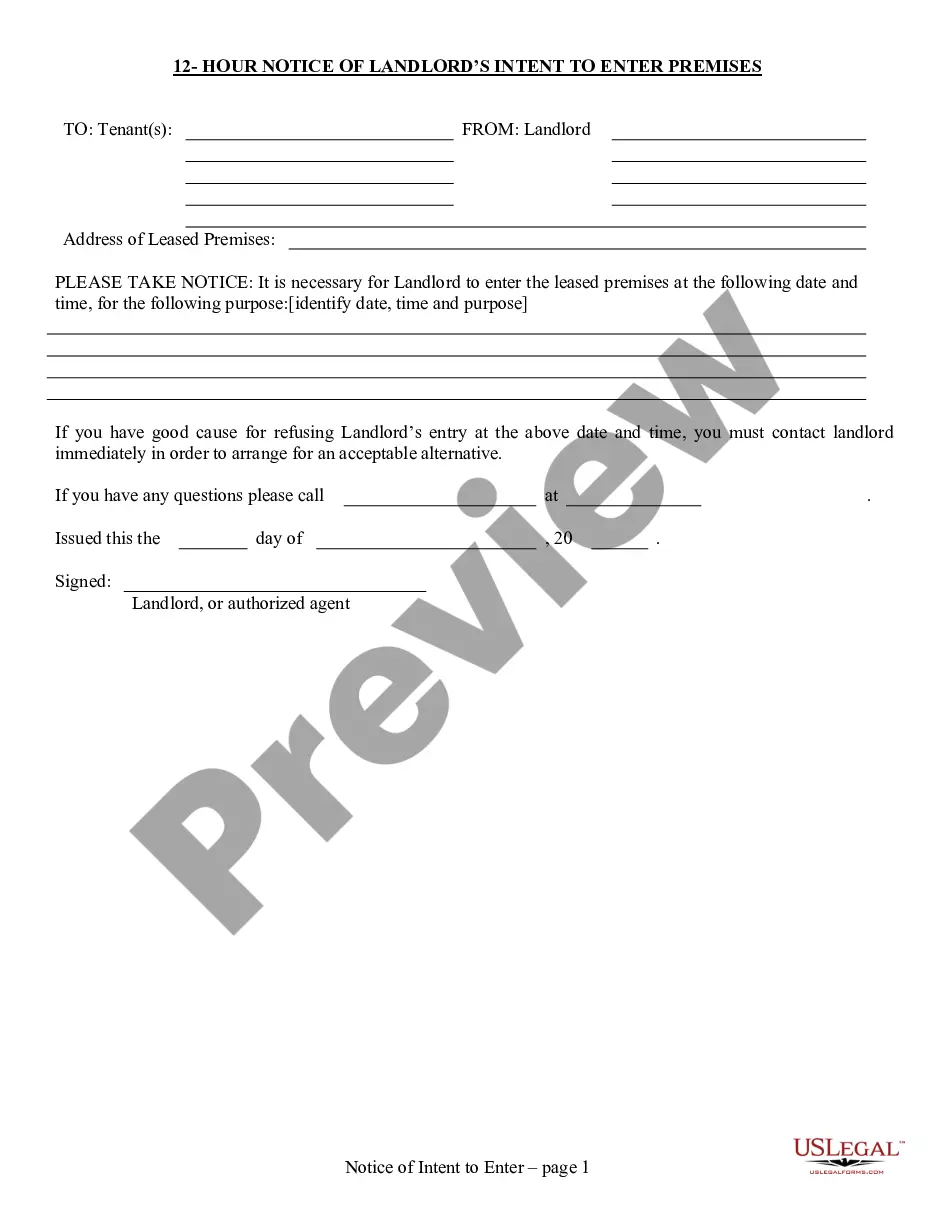
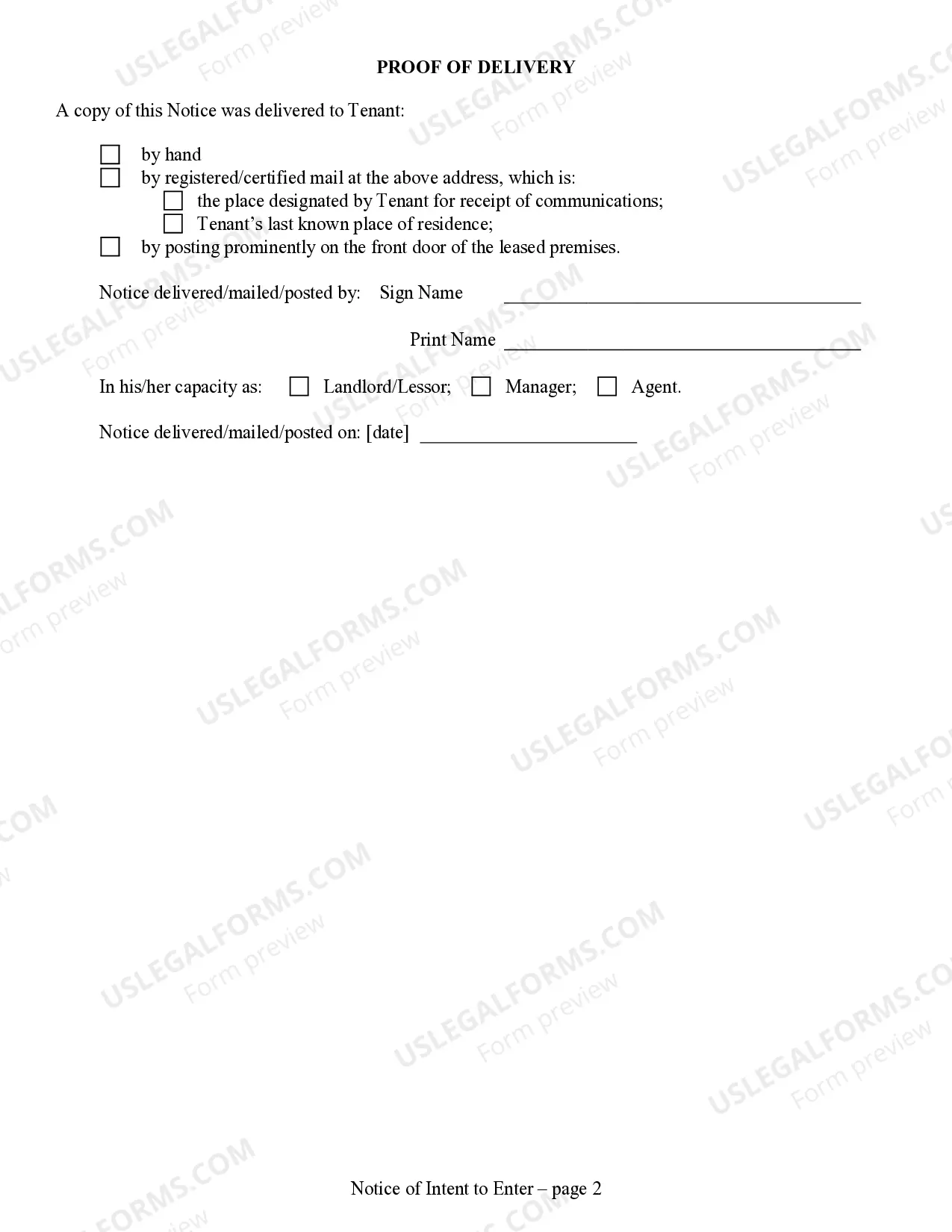
How to fill out Florida 12 Hour Notice Of Landlord's Intent To Enter Premises For Residential From Landlord To Tenant?
- Log in to your account if you're already a user. Make sure your subscription is active to access your desired forms.
- View the preview mode to confirm that the chosen form meets your needs and complies with local regulations.
- If the current template doesn’t fit, utilize the Search feature to locate the appropriate legal form.
- Select the Buy Now option for the document that suits your situation and pick a subscription plan that works best for you.
- Complete your payment via credit card or PayPal to gain access to the document.
- Download the completed form directly to your device and find it anytime in the My Forms section of your profile.
By following these simple steps, you can efficiently obtain the legal forms you need, backed by the extensive resources and expert assistance offered by US Legal Forms.
Don't hesitate—visit US Legal Forms today to empower yourself with the right legal documents. Start your journey towards hassle-free legal solutions!
Form popularity
FAQ
In Virginia, landlords must typically provide at least 24 hours of notice before entering a rental unit, except in emergencies. This requirement helps ensure tenants have adequate time to prepare for the visit. For more detailed insights into your rights under the notice intent enter landlord with no owner, consider reviewing resources provided by platforms like uslegalforms.
Yes, a non-owner can be a landlord as long as they have legal authority to rent the property. This arrangement often occurs in cases such as property management companies or when parents rent out property they own. If you need guidance on rights in such situations, researching the notice intent enter landlord with no owner may yield useful insights.
Yes, tenants can refuse entry to a landlord in Virginia if the landlord has not provided proper notice or if the entry is not justified. It is essential for tenants to assert their rights in these situations. Knowing about the notice intent enter landlord with no owner can be a vital aspect of navigating these discussions.
In Virginia, landlords have the right to enter a rental property under specific circumstances, such as for repairs or inspections. However, they must typically provide prior notice, ensuring tenants are informed. If you're unclear about this process, reviewing information about notice intent enter landlord with no owner can help clarify your understanding.
Renters in Virginia have several rights, including the right to a safe and habitable living environment, privacy, and protection against unfair eviction. It's important to know your rights to ensure you are treated fairly. Understanding the notice intent enter landlord with no owner can also empower you in discussions with your landlord.
If you need to refuse your landlord access, it is crucial to communicate your reasons clearly and respectfully. You should refer to your rights as a tenant and any lease agreements. Documenting your refusal in writing can provide clarity, especially when discussing the notice intent enter landlord with no owner.
To write a notification letter to your landlord, start by clearly stating your intention and the purpose of your communication. Include your name, the rental property address, and the date. Remember to specify any necessary details about the notice intent to enter landlord with no owner, and provide your signature at the end of the letter for authenticity.
A letter of intent to a landlord is a document expressing your desire to rent a property, detailing your intentions and any proposed terms. It outlines what you’re willing to offer and what you expect in return, creating a solid foundation for negotiations. By effectively communicating your goals, you can facilitate the process of noticing intent enter landlord with no owner.
While you do not necessarily need a lawyer to draft a letter of intent, having legal counsel can be beneficial. A lawyer can ensure that your document accurately reflects your intentions and protects your interests. If you plan to notice intent enter landlord with no owner, consider consulting a lawyer to address any nuances and strengthen your position.
Generally, a letter of intent is not legally binding, but it can carry legal weight if it includes specific terms and clear intentions. It usually serves more as a commitment to negotiate rather than a firm legal obligation. Understanding this distinction is essential when you intend to notice intent enter landlord with no owner, as it prepares you for further negotiation steps.