Tenant Evicting Eviction With Disability
Description




Get your form ready online
Our built-in tools help you complete, sign, share, and store your documents in one place.
Make edits, fill in missing information, and update formatting in US Legal Forms—just like you would in MS Word.
Download a copy, print it, send it by email, or mail it via USPS—whatever works best for your next step.
Sign and collect signatures with our SignNow integration. Send to multiple recipients, set reminders, and more. Go Premium to unlock E-Sign.
If this form requires notarization, complete it online through a secure video call—no need to meet a notary in person or wait for an appointment.
We protect your documents and personal data by following strict security and privacy standards.

Make edits, fill in missing information, and update formatting in US Legal Forms—just like you would in MS Word.

Download a copy, print it, send it by email, or mail it via USPS—whatever works best for your next step.

Sign and collect signatures with our SignNow integration. Send to multiple recipients, set reminders, and more. Go Premium to unlock E-Sign.

If this form requires notarization, complete it online through a secure video call—no need to meet a notary in person or wait for an appointment.

We protect your documents and personal data by following strict security and privacy standards.
Looking for another form?




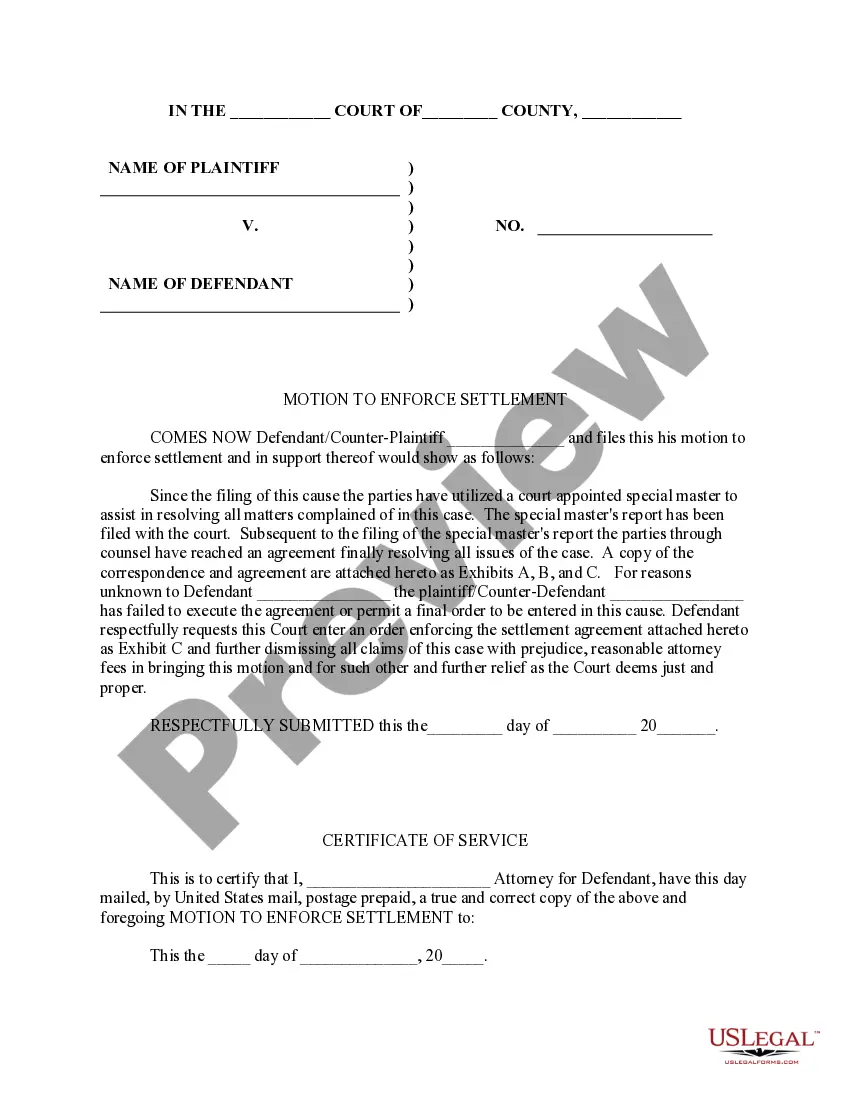
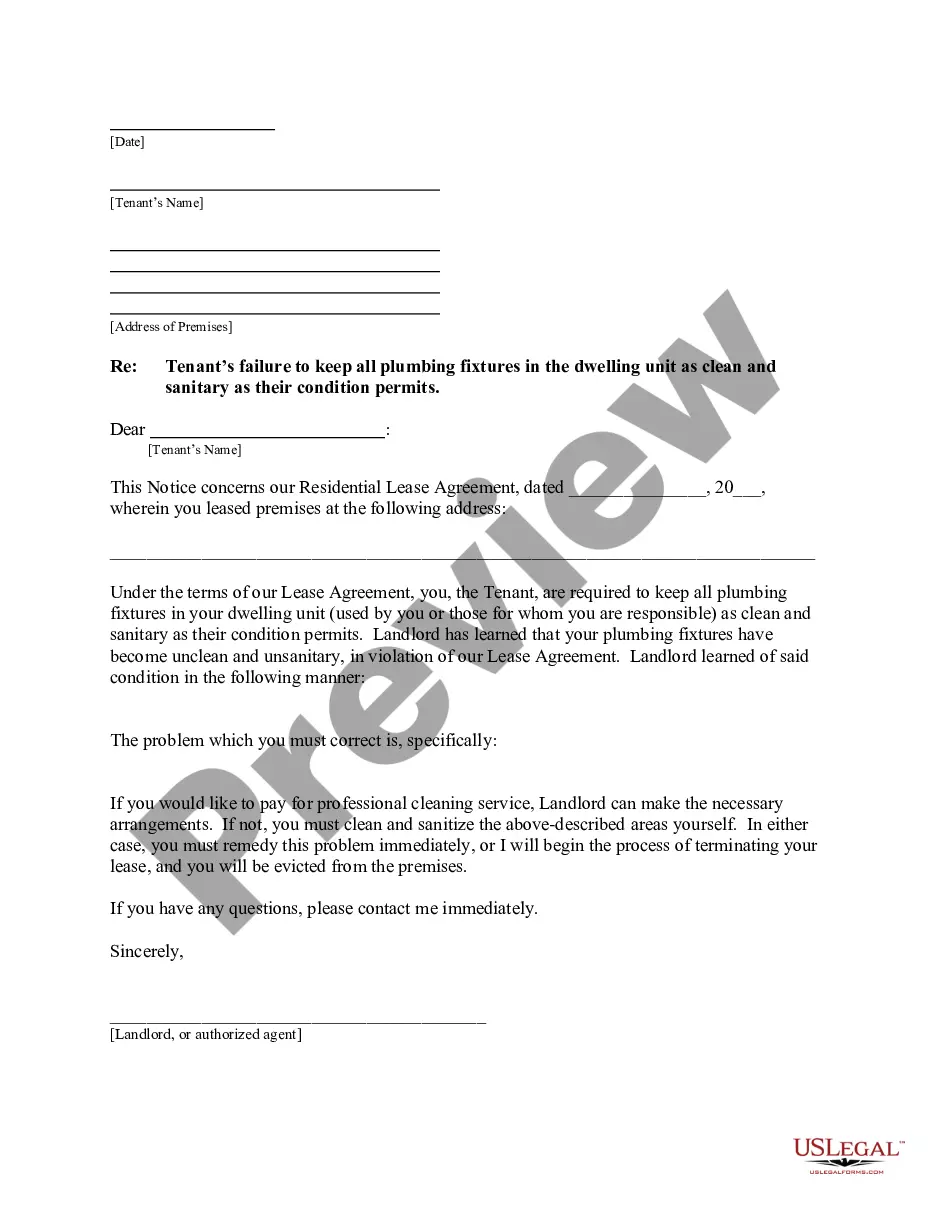



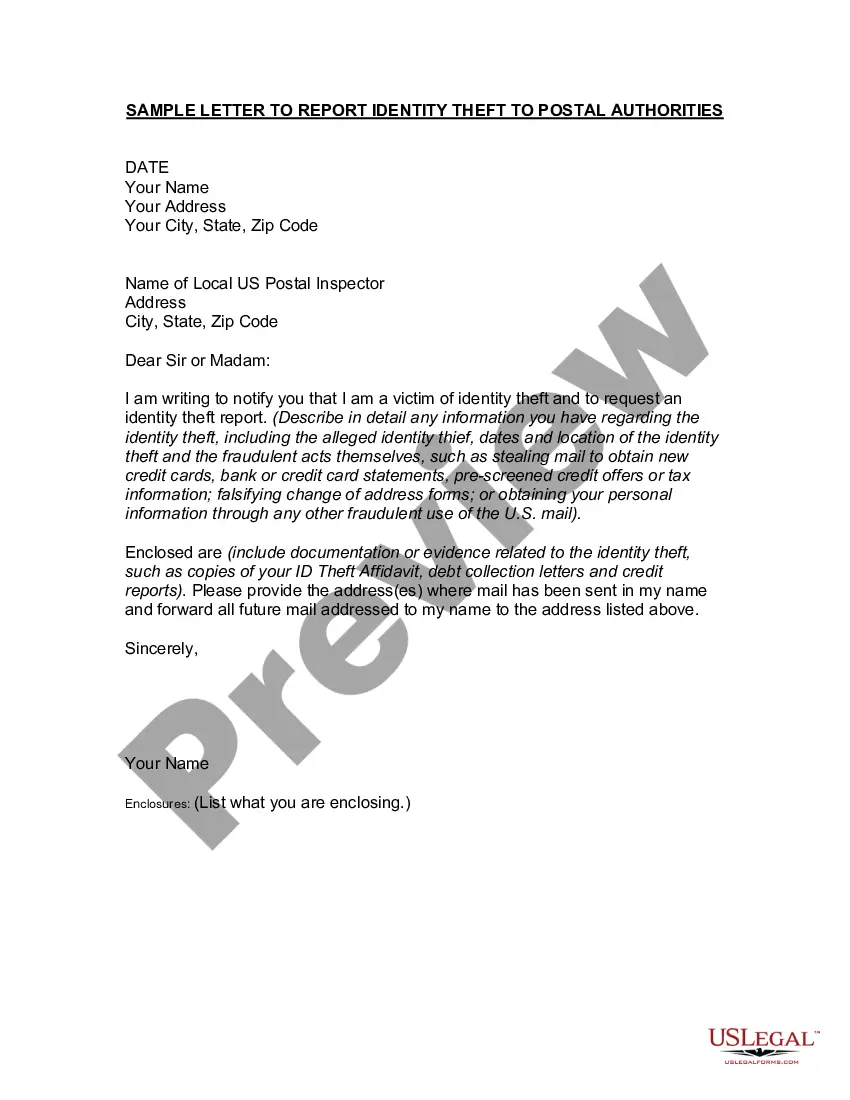
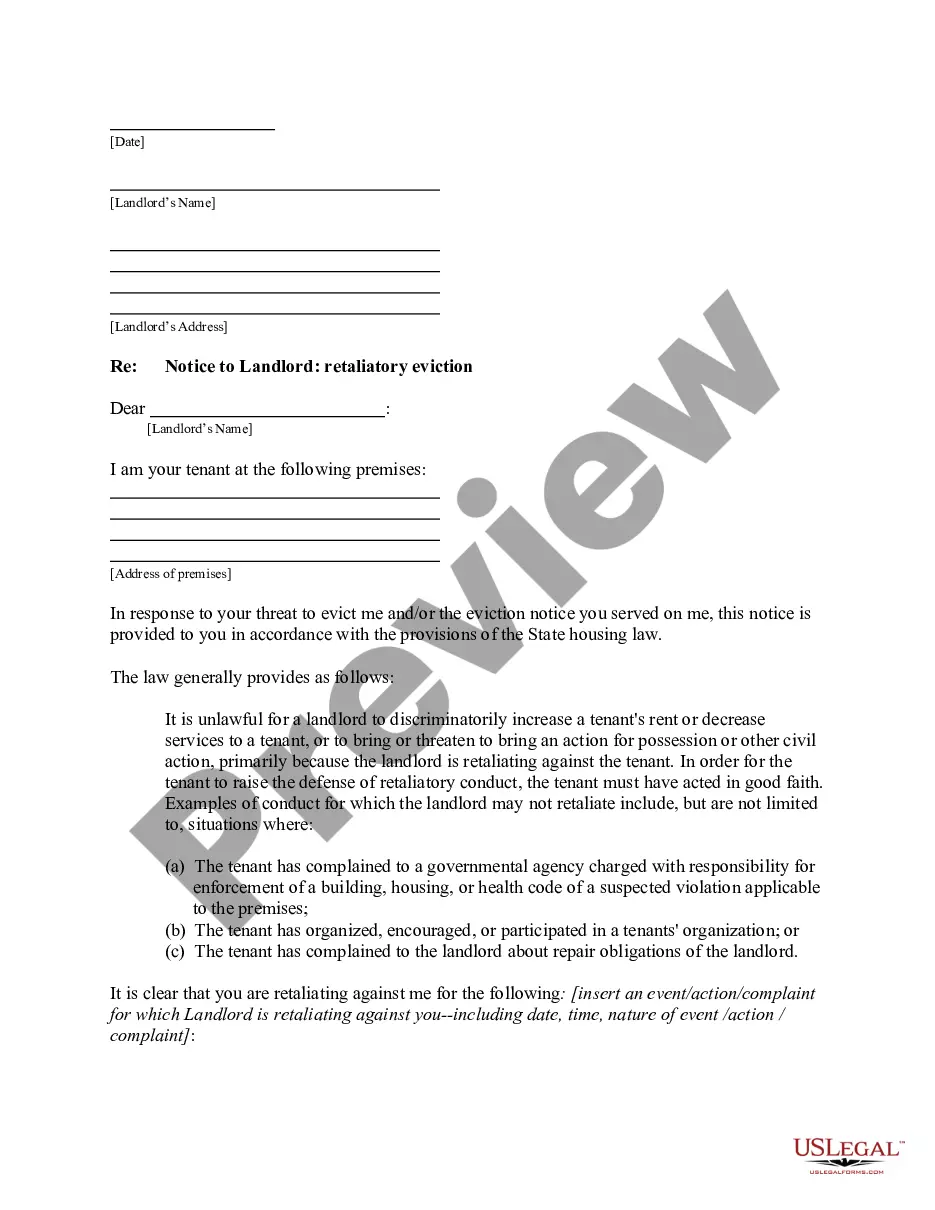
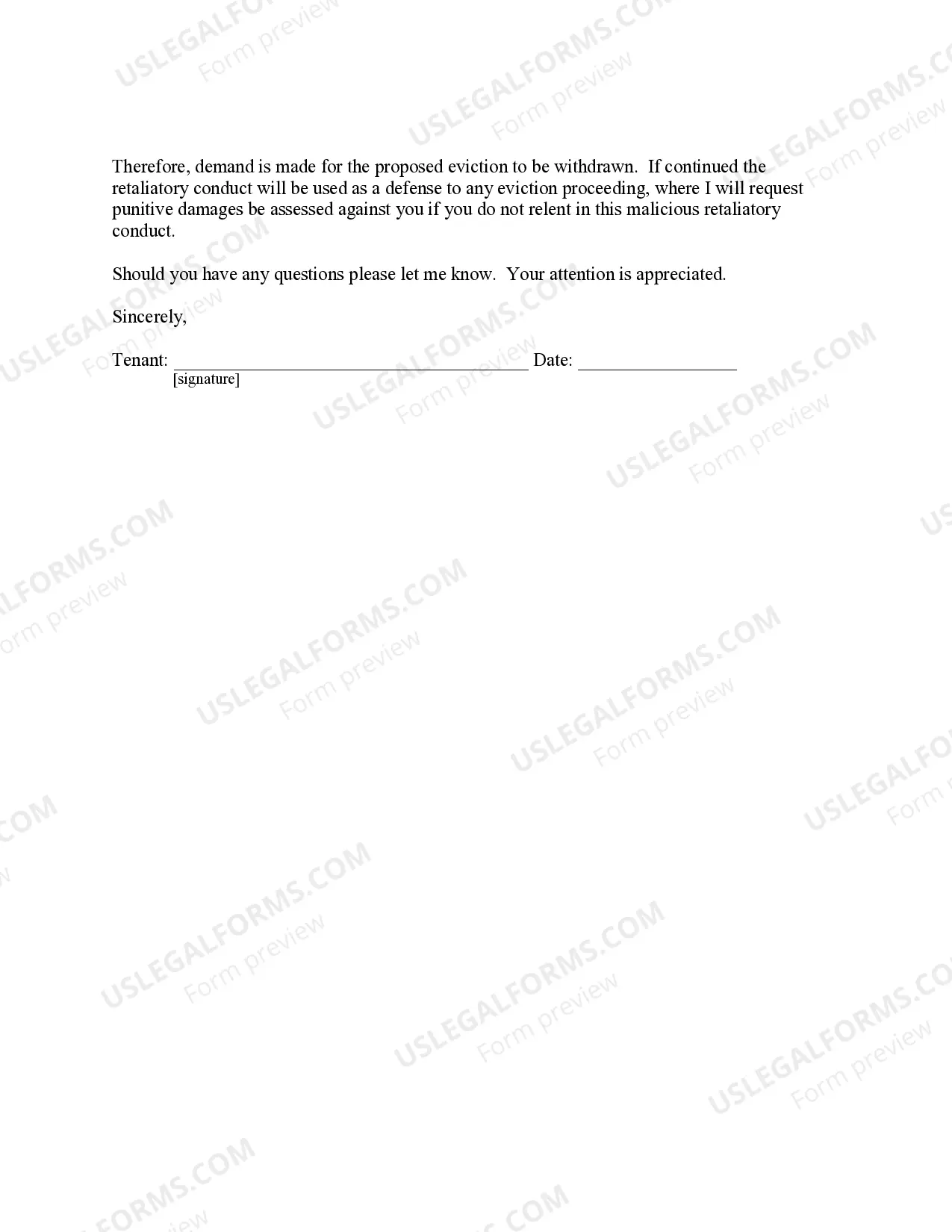
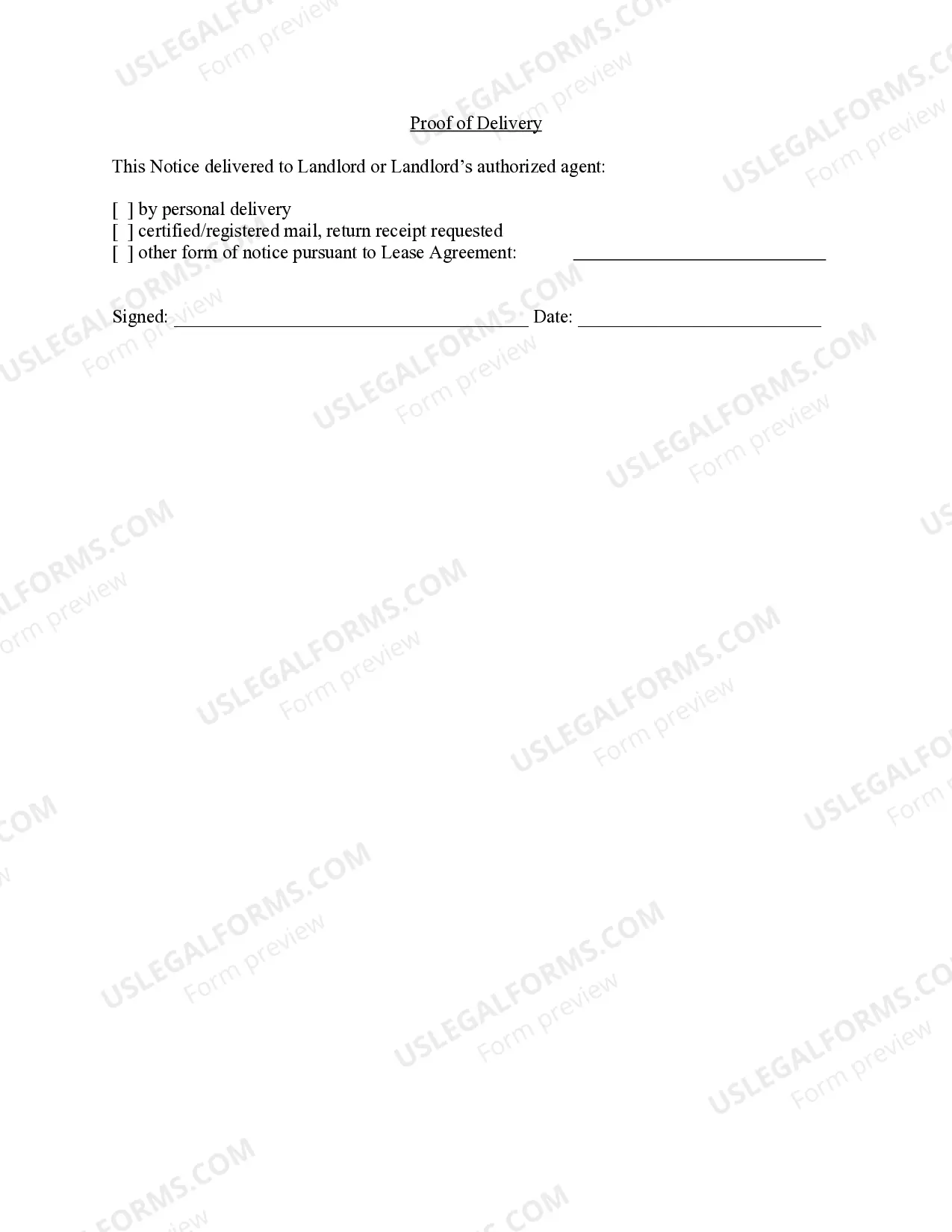
How to fill out Florida Letter From Tenant To Landlord Containing Notice To Landlord To Cease Retaliatory Threats To Evict Or Retaliatory Eviction?
Utilizing legal templates that comply with federal and local regulations is essential, and the web provides numerous options to select from.
However, what's the advantage of spending time searching for the suitable Tenant Evicting Eviction With Disability example online when the US Legal Forms digital library already has such templates gathered in one location.
US Legal Forms is the largest online legal repository with over 85,000 fillable templates crafted by lawyers for any commercial and personal necessity. They are straightforward to navigate with all documents organized by state and intended use. Our experts keep up with legislative updates, so you can always trust that your form is current and adheres to compliance when obtaining a Tenant Evicting Eviction With Disability from our site.
Select Buy Now once you've identified the appropriate form and opt for a subscription plan. Create an account or Log In, and process your payment with PayPal or a credit card. Choose the suitable format for your Tenant Evicting Eviction With Disability and download it. All templates you discover via US Legal Forms are reusable. To re-download and complete previously saved documents, navigate to the My documents tab in your profile. Take advantage of the most comprehensive and user-friendly legal documentation service!
- Acquiring a Tenant Evicting Eviction With Disability is fast and simple for both existing and new members.
- If you already possess an account with an active subscription, sign in and retrieve the document sample you require in your desired format.
- If you are a newcomer to our platform, adhere to the instructions below.
- Examine the template using the Preview option or via the text description to ensure it fulfills your requirements.
- If needed, find another example using the search feature at the top of the page.
Form popularity
FAQ
In New York State, evicting a disabled person involves strict legal regulations and protections. Landlords must provide reasonable accommodations and cannot evict tenants solely based on their disability. Understanding your rights as a disabled tenant is crucial to avoid wrongful eviction situations. Resources, such as US Legal Forms, can guide you through the process, ensuring your rights are upheld.
The new eviction law in New York State aims to provide more protections for tenants, including those with disabilities. These laws focus on preventing unjust evictions and ensure tenants can appeal eviction notices under certain circumstances. Familiarizing yourself with these regulations is crucial to understanding your rights. US Legal Forms can assist you in navigating these complex laws to protect yourself from eviction.
To avoid eviction, communicate consistently with your landlord about any issues. Paying rent on time and adhering to lease agreements is essential. If you face unexpected challenges, seek assistance from organizations that support tenants with disabilities. Using resources like US Legal Forms can help you understand your rights and obligations, ensuring a more stable living situation.
The eviction diversion program aims to assist tenants facing eviction by providing resources and support to help them remain in their homes. This program often includes mediation between landlords and tenants, as well as financial assistance to cover rent arrears. It is particularly beneficial for individuals going through a tenant evicting eviction with disability, as it focuses on helping those who may face additional challenges. Through platforms like US Legal Forms, landlords can learn more about this program and how it can positively impact their eviction cases.
Evicting a tenant in North Carolina can typically take around 3 to 6 weeks, depending on various factors. If the tenant contests the eviction, the process can take longer due to court appearances and legal procedures. It’s essential to follow proper legal channels, especially if you are dealing with a tenant evicting eviction with disability, as specific rules may apply. Utilizing resources like US Legal Forms can help streamline this process and ensure you comply with all regulations.
In Florida, eviction of a disabled person cannot occur based solely on their disability. State laws align with the ADA, ensuring protection against discrimination. However, eviction can happen for legitimate reasons related to non-compliance with the lease agreement. It's crucial to know your rights, and platforms like USLegalForms can help you navigate issues related to tenant evicting eviction with disability.
A violation of the ADA occurs when a landlord fails to provide reasonable accommodations, or discriminates against a tenant based on their disability. This could involve denying access to facilities, failing to make modifications, or evicting a tenant due to their disability. Understanding these violations helps tenants safeguard their rights. Always document instances of discrimination related to tenant evicting eviction with disability.
The ADA defines disability as a physical or mental impairment that significantly limits one or more major life activities. This includes conditions like mobility impairments, mental health issues, or chronic illnesses. To qualify under the ADA, the impairment must be recognized and substantial. Always consult legal resources for clarity on tenant evicting eviction with disability.
Landlords cannot evict tenants based solely on their disability status. The ADA and local fair housing laws protect tenants from such discrimination. However, if a tenant violates lease terms unrelated to the disability, eviction may still occur. It's crucial to understand that tenant evicting eviction with disability requires asserting your rights.
For renters, the American Disabilities Act establishes standards that landlords must meet to accommodate individuals with disabilities. This includes everything from modifications to rental units to accessibility in common areas. Renters have the right to request these changes so they can fully enjoy their homes. Knowing these rights can help prevent issues related to tenant evicting eviction with disability.