Landlord Harassment In Florida
Description



Get your form ready online
Our built-in tools help you complete, sign, share, and store your documents in one place.
Make edits, fill in missing information, and update formatting in US Legal Forms—just like you would in MS Word.
Download a copy, print it, send it by email, or mail it via USPS—whatever works best for your next step.
Sign and collect signatures with our SignNow integration. Send to multiple recipients, set reminders, and more. Go Premium to unlock E-Sign.
If this form requires notarization, complete it online through a secure video call—no need to meet a notary in person or wait for an appointment.
We protect your documents and personal data by following strict security and privacy standards.

Make edits, fill in missing information, and update formatting in US Legal Forms—just like you would in MS Word.

Download a copy, print it, send it by email, or mail it via USPS—whatever works best for your next step.

Sign and collect signatures with our SignNow integration. Send to multiple recipients, set reminders, and more. Go Premium to unlock E-Sign.

If this form requires notarization, complete it online through a secure video call—no need to meet a notary in person or wait for an appointment.

We protect your documents and personal data by following strict security and privacy standards.
Looking for another form?


Form popularity
FAQ
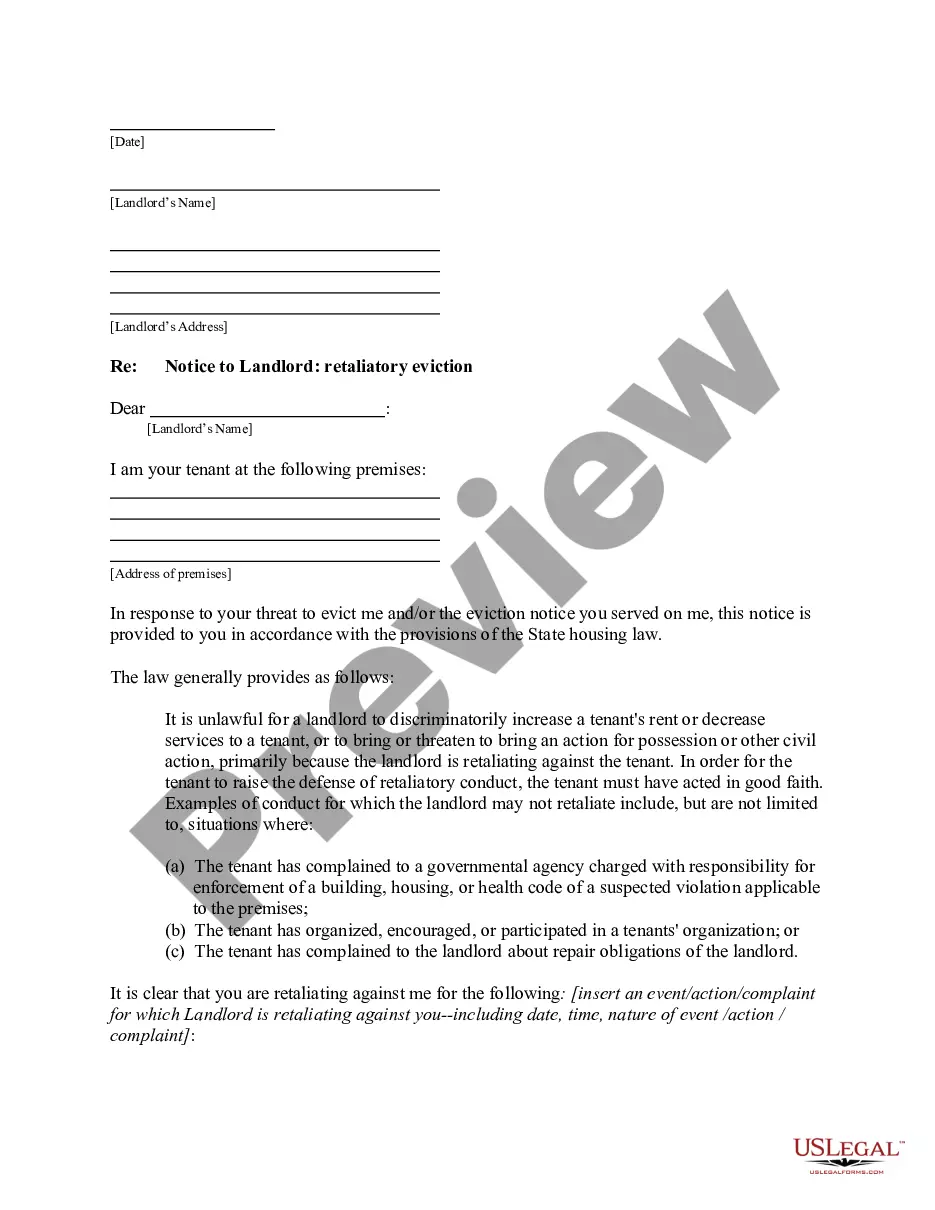
Landlord harassment in Florida may include behaviors such as withholding necessary repairs, entering a tenant's property without notice, or attempting to intimidate tenants. These actions violate tenant rights and can create a hostile living environment. If you suspect you are facing landlord harassment in Florida, it is crucial to seek guidance. USLegalForms can provide you with the necessary tools and information to help you understand your rights and take appropriate action.
In Florida, landlord harassment refers to any actions taken by a landlord that interfere with a tenant's right to quiet enjoyment of their home. This can include threats, frequent unannounced visits, or making unreasonable demands. If you believe you are experiencing landlord harassment in Florida, it is important to document these incidents. You may also want to use platforms like USLegalForms to find resources and legal forms to address your situation effectively.
In Florida, it is illegal for landlords to engage in landlord harassment, such as retaliating against tenants for asserting their rights or failing to maintain habitable living conditions. They cannot enter a rental unit without proper notice or cut off essential services like water and electricity. Tenants have legal protections to ensure they can live peacefully without unjustified interference. Staying informed about these laws can help you act against violations.
You can sue a landlord for emotional distress in Florida if you can prove their actions were egregious, such as persistent landlord harassment in Florida. Emotional distress claims require substantial evidence, making documentation crucial. Engage with a legal professional to understand your options and how to best present your case. The right guidance can make a difference in navigating this complex issue.
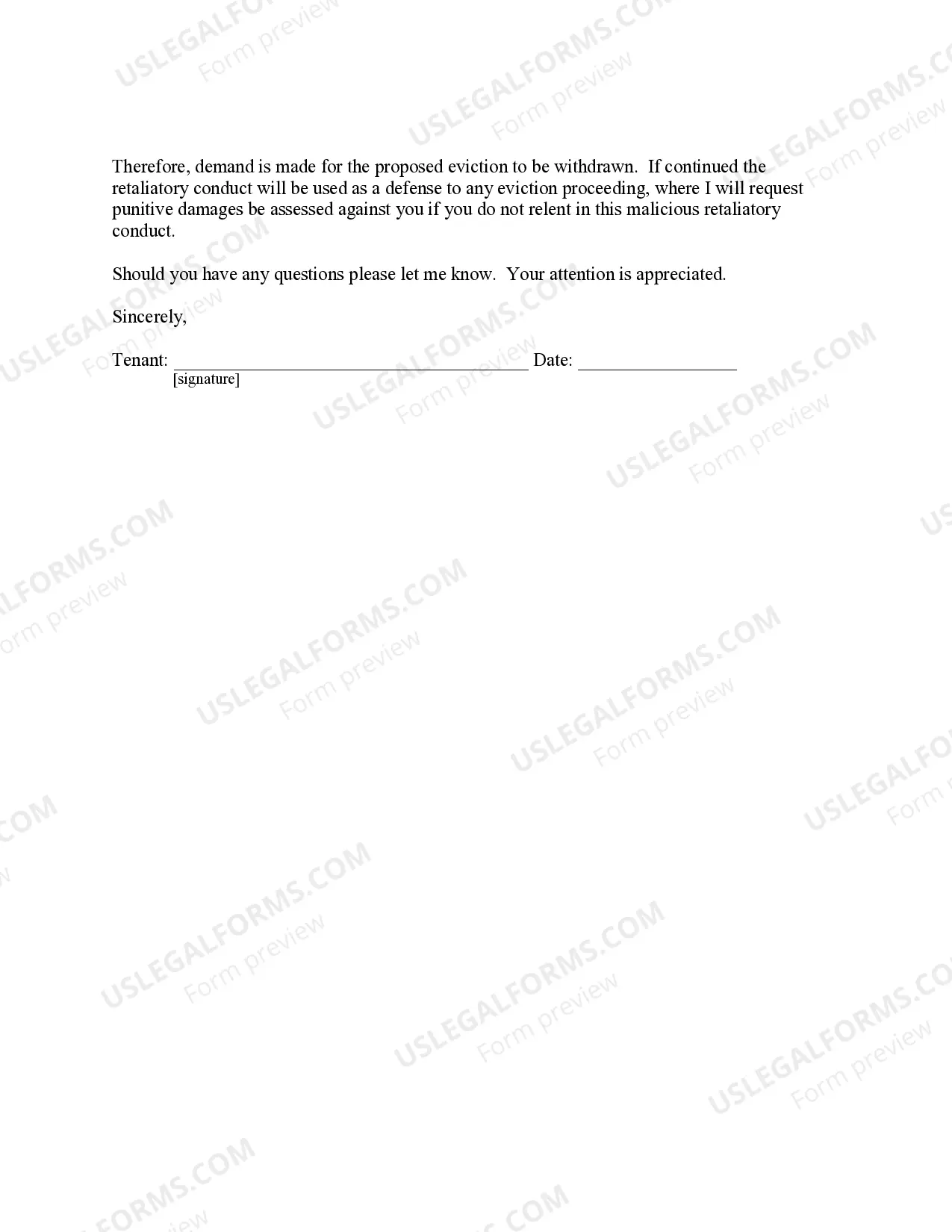
To report landlord harassment in Florida, tenants should first gather evidence of the harassment, such as emails, text messages, or witness statements. Afterward, you can submit a complaint to local housing authorities or file with the Florida Department of Business and Professional Regulation. To strengthen your case, consider using platforms like US Legal Forms, which provide resources for creating formal complaints. They can guide you through the necessary documentation process.
Yes, tenants may sue a landlord for emotional distress in Florida if they can demonstrate that the landlord's actions caused severe emotional harm. This falls under tort law, but it requires significant evidence of harmful behavior, such as landlord harassment in Florida. Consulting with a legal expert can provide clarity on how to approach your case effectively. You'll want to ensure you have all necessary documentation to support your claim.
Tenants facing landlord harassment in Florida can file complaints with local housing authorities or the Florida Department of Business and Professional Regulation. Additionally, you may seek help from local tenant advocacy groups. Collect any evidence of harassment to support your complaint. It is also advisable to consult with legal professionals for further guidance on your situation.
Landlord harassment in Florida includes actions that interfere with a tenant's peaceful enjoyment of their rental property. Examples include frequent unannounced visits, shutting off utilities, or threatening eviction without cause. It is important to recognize these behaviors as violations of tenant rights, designed to intimidate or coerce. Tenants experiencing such harassment should document incidents for potential legal action.
Proving harassment in Florida involves gathering evidence that showcases a pattern of abusive behavior by your landlord. This may include recorded communications, witness statements, and any written documentation of harassment. A comprehensive approach will strengthen your claim and support your case against landlord harassment in Florida.
To report a harassment landlord in Florida, start by documenting all incidents of harassment thoroughly. You can then file a complaint with local housing authorities or the Florida Commission on Human Relations. If the situation doesn't improve, consider seeking legal advice or using platforms like US Legal Forms to explore your options for formal action.