Landlord Eviction Form For Personal Use
Description
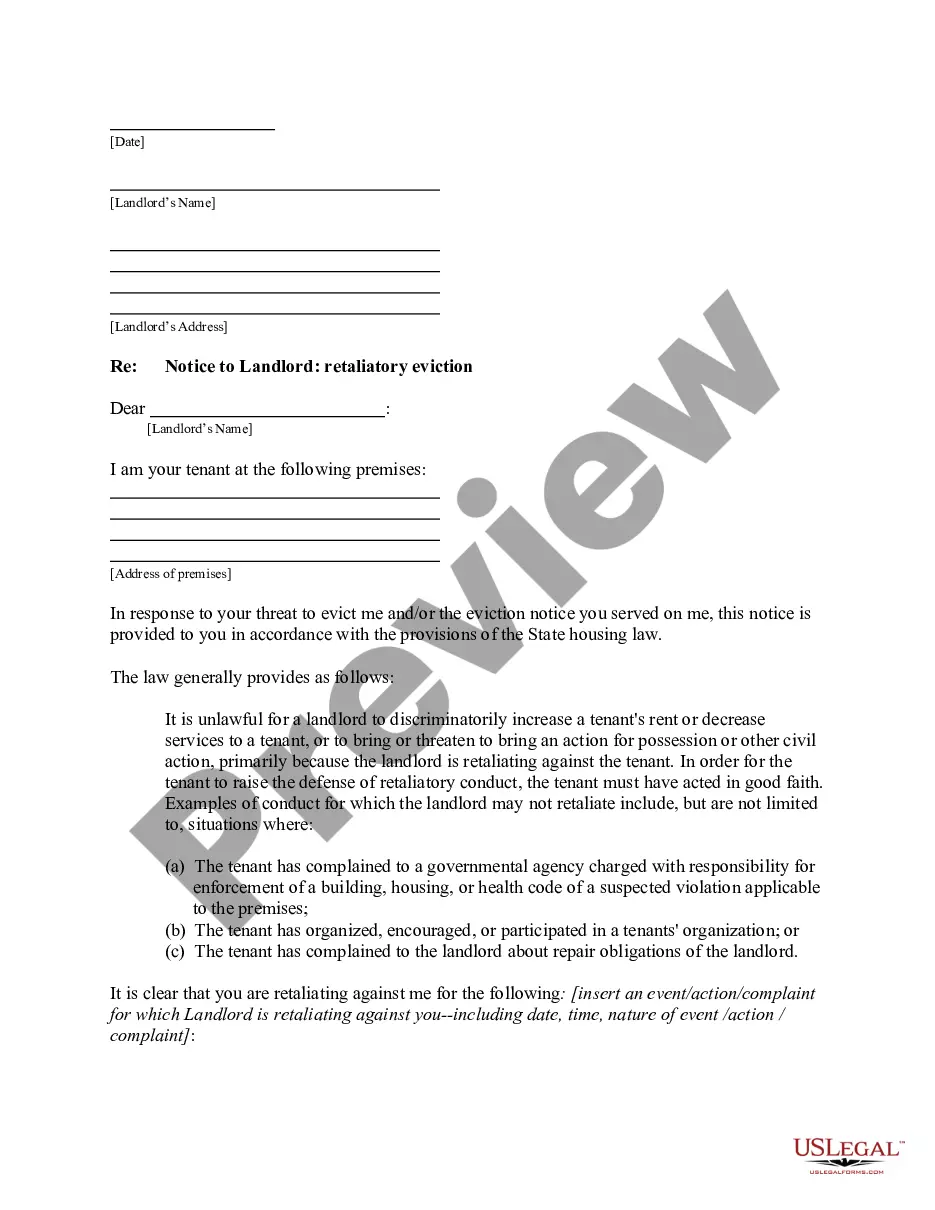
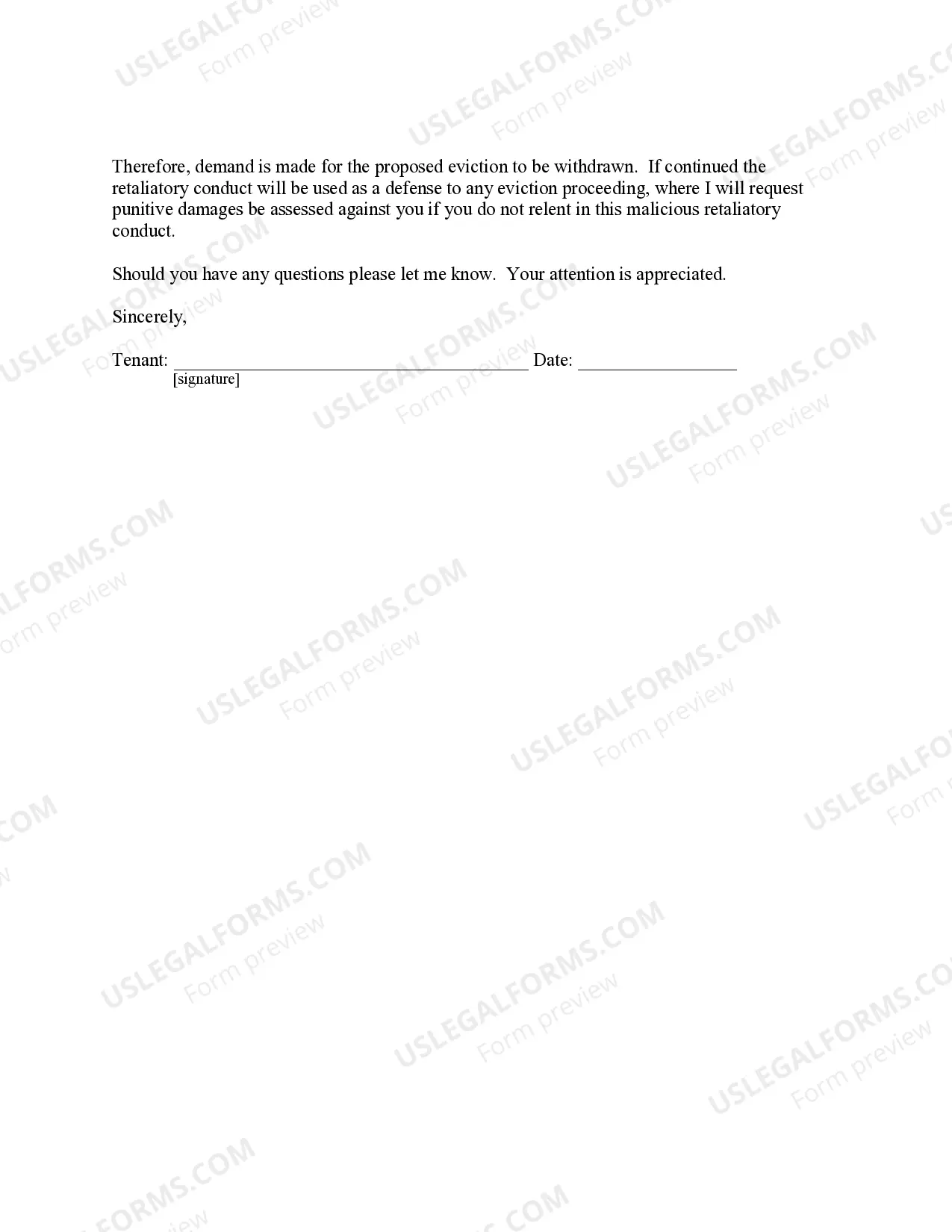
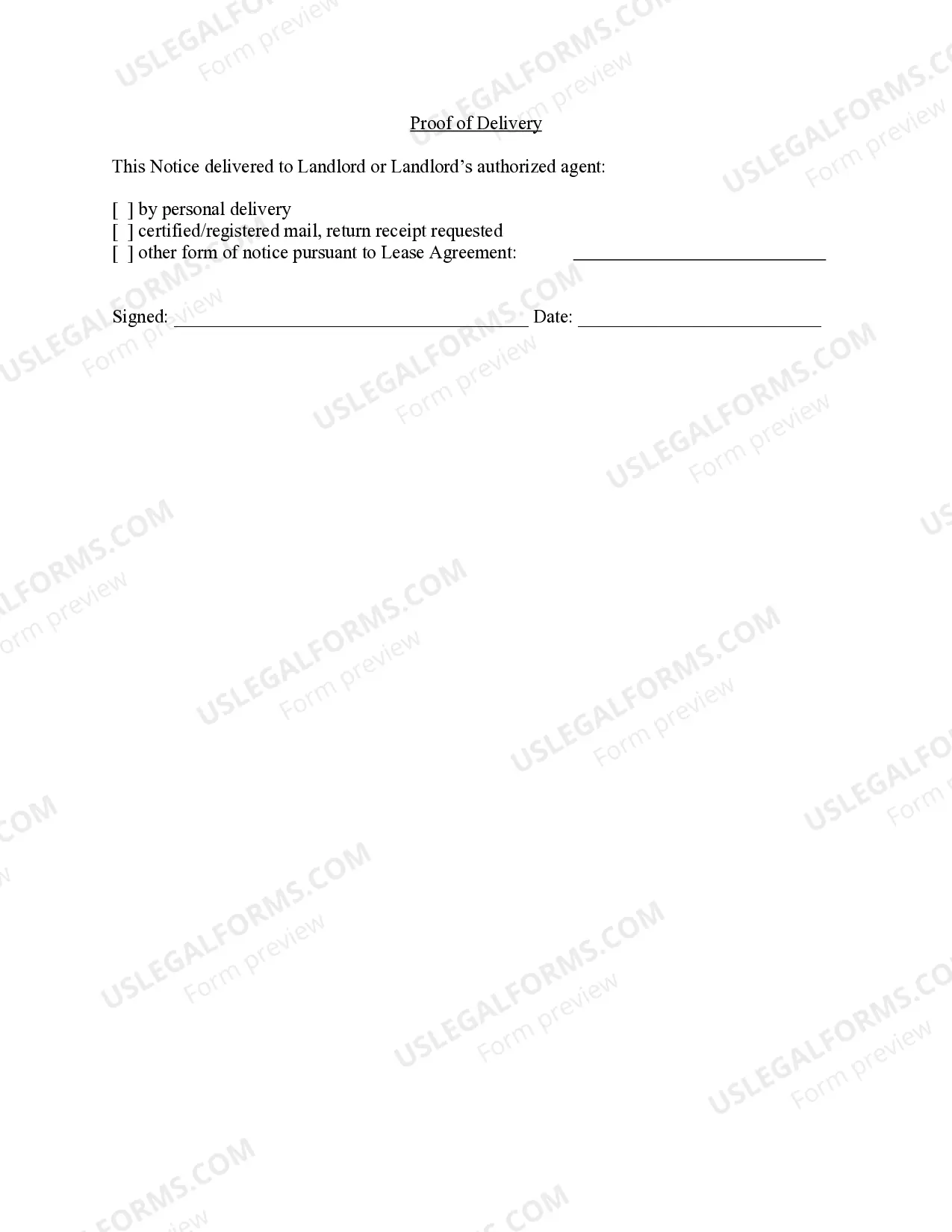

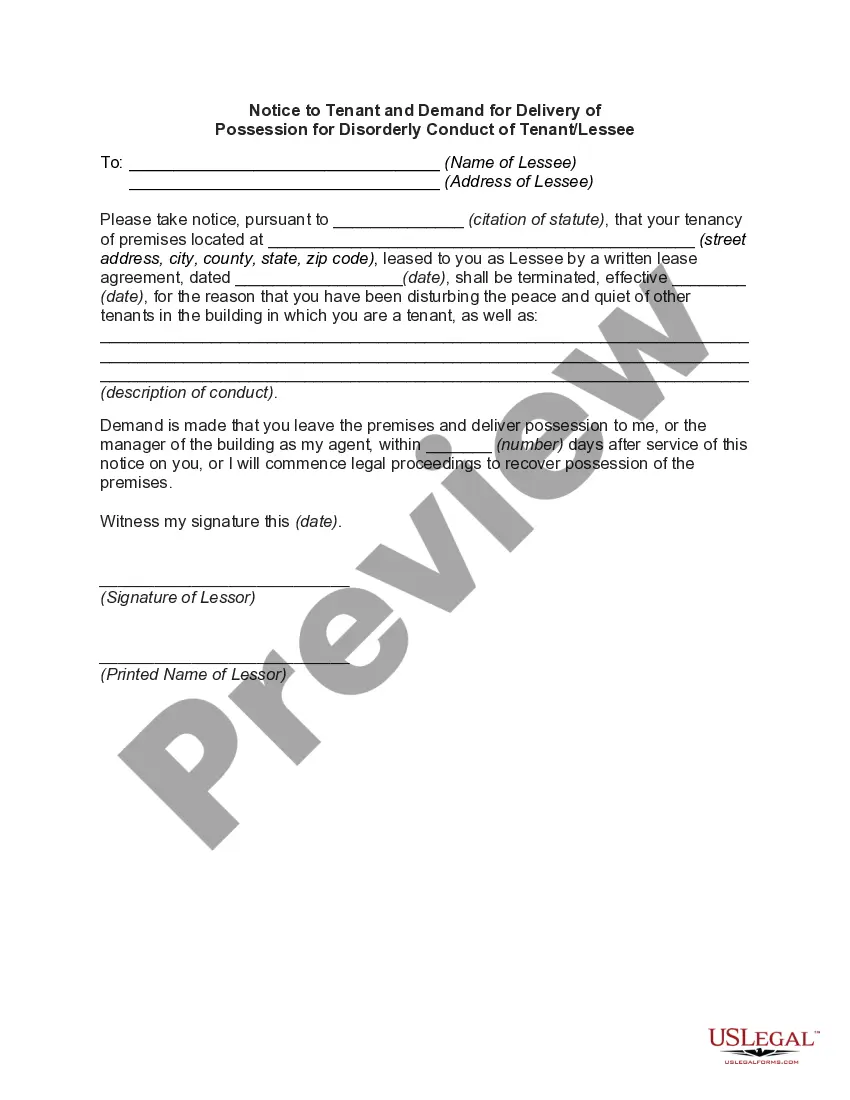


Get your form ready online
Our built-in tools help you complete, sign, share, and store your documents in one place.
Make edits, fill in missing information, and update formatting in US Legal Forms—just like you would in MS Word.
Download a copy, print it, send it by email, or mail it via USPS—whatever works best for your next step.
Sign and collect signatures with our SignNow integration. Send to multiple recipients, set reminders, and more. Go Premium to unlock E-Sign.
If this form requires notarization, complete it online through a secure video call—no need to meet a notary in person or wait for an appointment.
We protect your documents and personal data by following strict security and privacy standards.

Make edits, fill in missing information, and update formatting in US Legal Forms—just like you would in MS Word.

Download a copy, print it, send it by email, or mail it via USPS—whatever works best for your next step.

Sign and collect signatures with our SignNow integration. Send to multiple recipients, set reminders, and more. Go Premium to unlock E-Sign.

If this form requires notarization, complete it online through a secure video call—no need to meet a notary in person or wait for an appointment.

We protect your documents and personal data by following strict security and privacy standards.
Looking for another form?

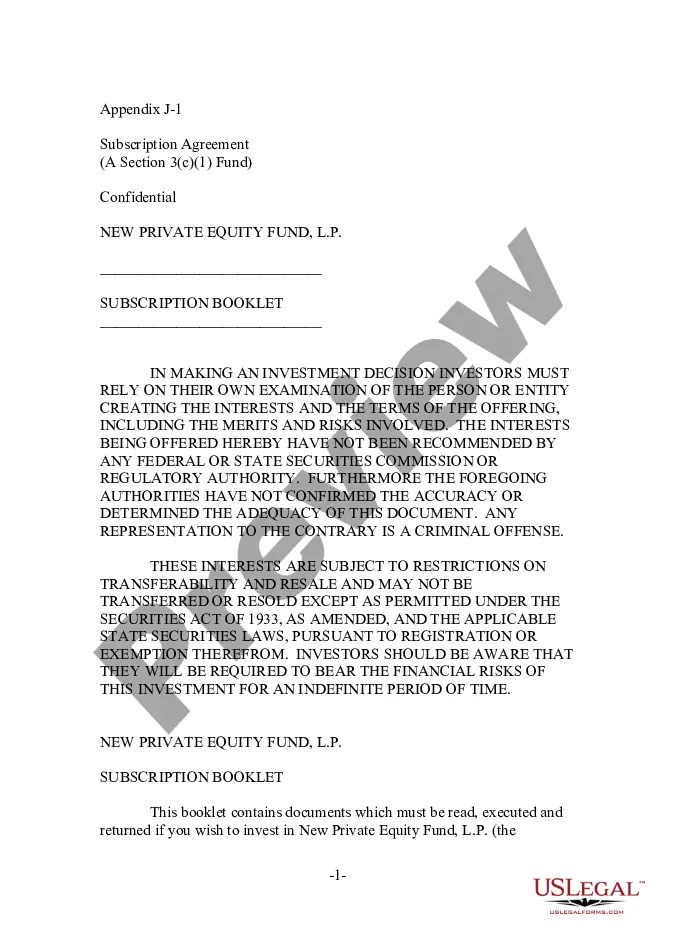
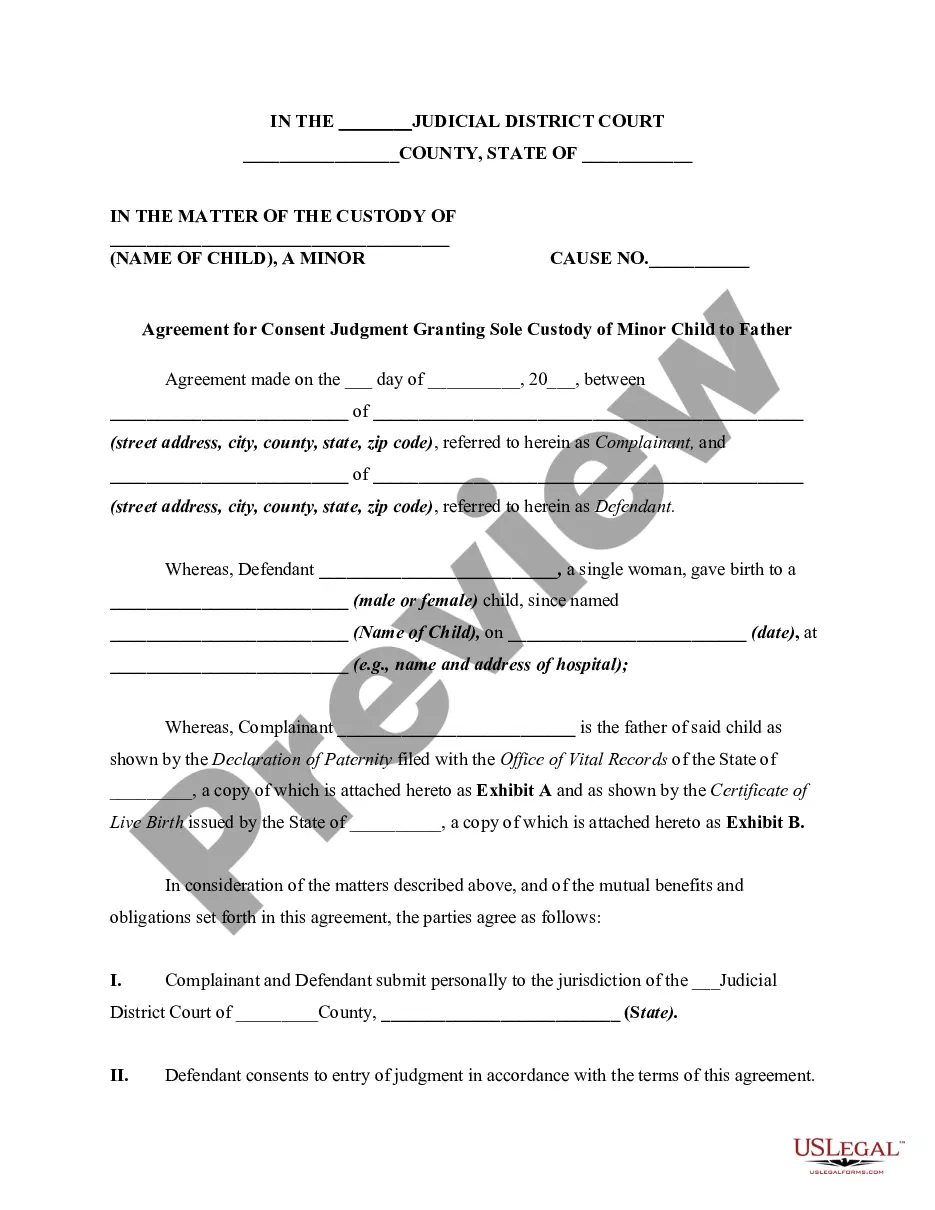






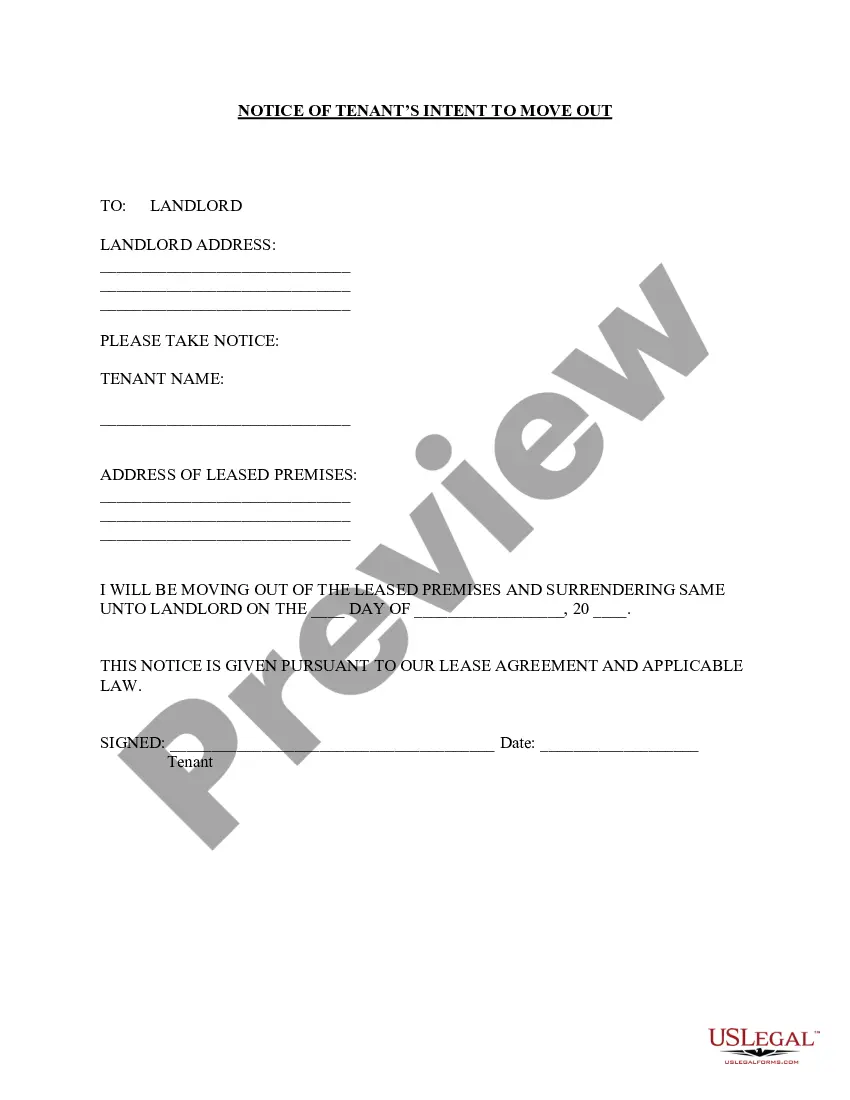
How to fill out Florida Letter From Tenant To Landlord Containing Notice To Landlord To Cease Retaliatory Threats To Evict Or Retaliatory Eviction?
Accessing legal templates that meet the federal and regional laws is essential, and the internet offers numerous options to choose from. But what’s the point in wasting time searching for the correctly drafted Landlord Eviction Form For Personal Use sample on the web if the US Legal Forms online library already has such templates accumulated in one place?
US Legal Forms is the biggest online legal catalog with over 85,000 fillable templates drafted by lawyers for any business and life case. They are easy to browse with all papers arranged by state and purpose of use. Our professionals stay up with legislative changes, so you can always be sure your form is up to date and compliant when getting a Landlord Eviction Form For Personal Use from our website.
Obtaining a Landlord Eviction Form For Personal Use is fast and simple for both current and new users. If you already have an account with a valid subscription, log in and download the document sample you need in the right format. If you are new to our website, follow the guidelines below:
- Examine the template using the Preview option or through the text outline to make certain it meets your requirements.
- Browse for another sample using the search function at the top of the page if needed.
- Click Buy Now when you’ve located the right form and choose a subscription plan.
- Register for an account or log in and make a payment with PayPal or a credit card.
- Choose the right format for your Landlord Eviction Form For Personal Use and download it.
All documents you locate through US Legal Forms are multi-usable. To re-download and fill out earlier obtained forms, open the My Forms tab in your profile. Take advantage of the most extensive and simple-to-use legal paperwork service!
Form popularity
FAQ
In most cases, a 30-day notice is required, but in some types of cases, a landlord is required to give the tenant as much as 90, 120, or 180-days notice before an eviction lawsuit can be filed.
A landlord cannot evict tenants or remove their belongings from a rental home without first getting a judgment for possession and then a warrant of removal from the court. Only a special civil part officer can perform the eviction on behalf of a landlord.
A letter of eviction is used to evict a tenant from a property, usually an apartment or a house. It could be for not paying the rent, or for violating the contract they signed when they got the lease.
Tenants cannot be legally ordered to vacate their residential units unless they have been properly notified of the beginning of the eviction process. State law provides for 3 types of notices: 3-day notice, 7-day notice with a chance to 'cure,' and an 'unconditional quit' 7-day notice.
Your landlord must give you notice in writing. It must: say why your landlord wants you to leave - the reason they're using to evict you and why. say the date after which they can start the court process - they must give you the right amount of notice, depending on when they send you the notice seeking possession.