Florida Landlord Evict Without Notice
Description

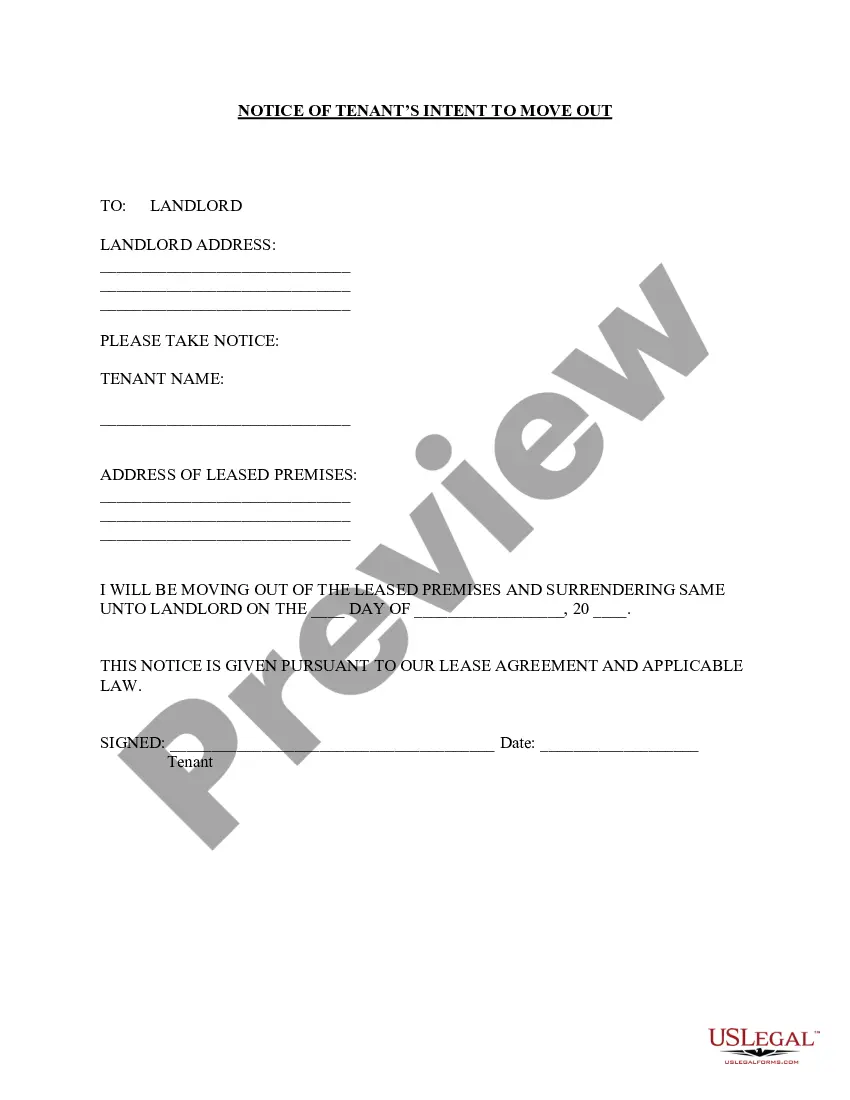


Get your form ready online
Our built-in tools help you complete, sign, share, and store your documents in one place.
Make edits, fill in missing information, and update formatting in US Legal Forms—just like you would in MS Word.
Download a copy, print it, send it by email, or mail it via USPS—whatever works best for your next step.
Sign and collect signatures with our SignNow integration. Send to multiple recipients, set reminders, and more. Go Premium to unlock E-Sign.
If this form requires notarization, complete it online through a secure video call—no need to meet a notary in person or wait for an appointment.
We protect your documents and personal data by following strict security and privacy standards.

Make edits, fill in missing information, and update formatting in US Legal Forms—just like you would in MS Word.

Download a copy, print it, send it by email, or mail it via USPS—whatever works best for your next step.

Sign and collect signatures with our SignNow integration. Send to multiple recipients, set reminders, and more. Go Premium to unlock E-Sign.

If this form requires notarization, complete it online through a secure video call—no need to meet a notary in person or wait for an appointment.

We protect your documents and personal data by following strict security and privacy standards.
Looking for another form?
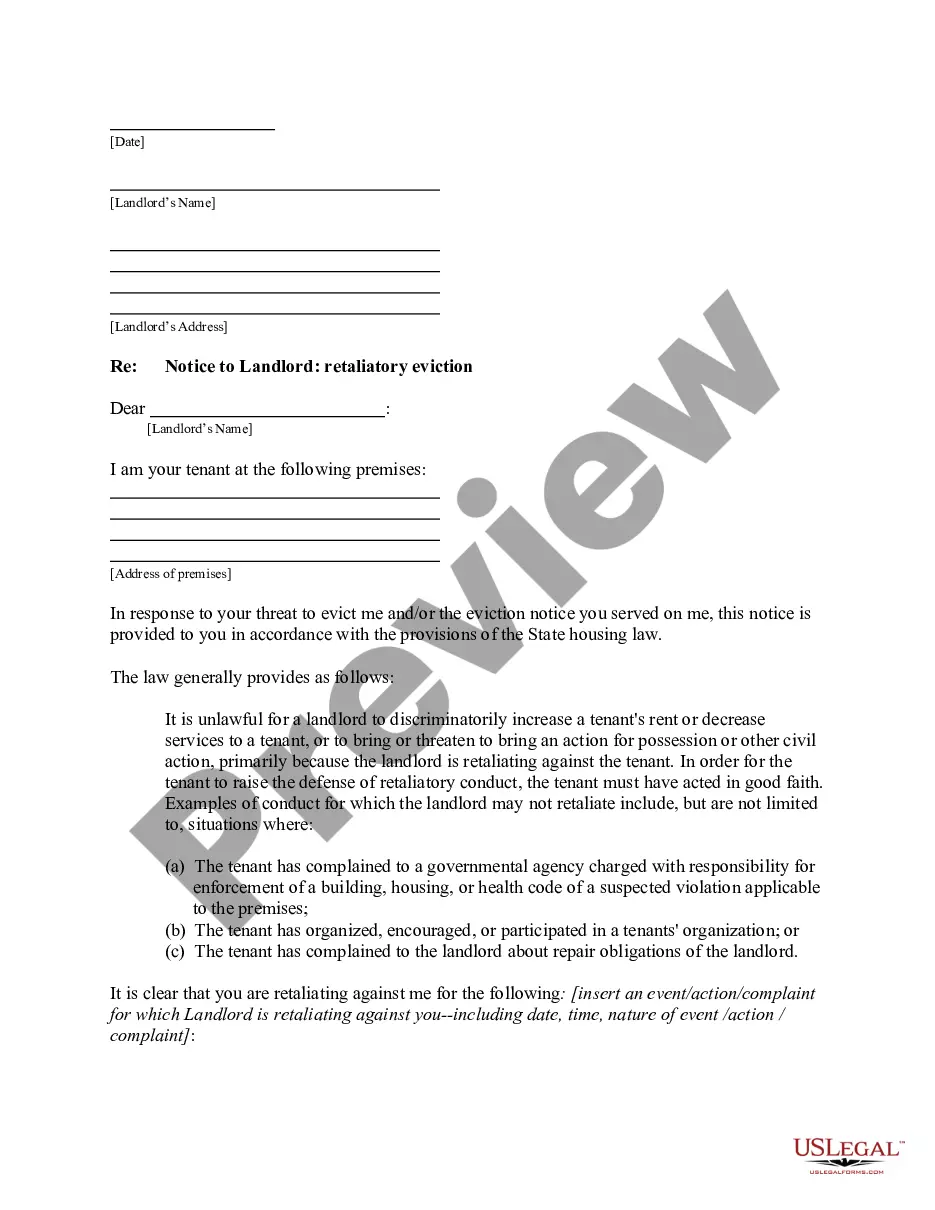
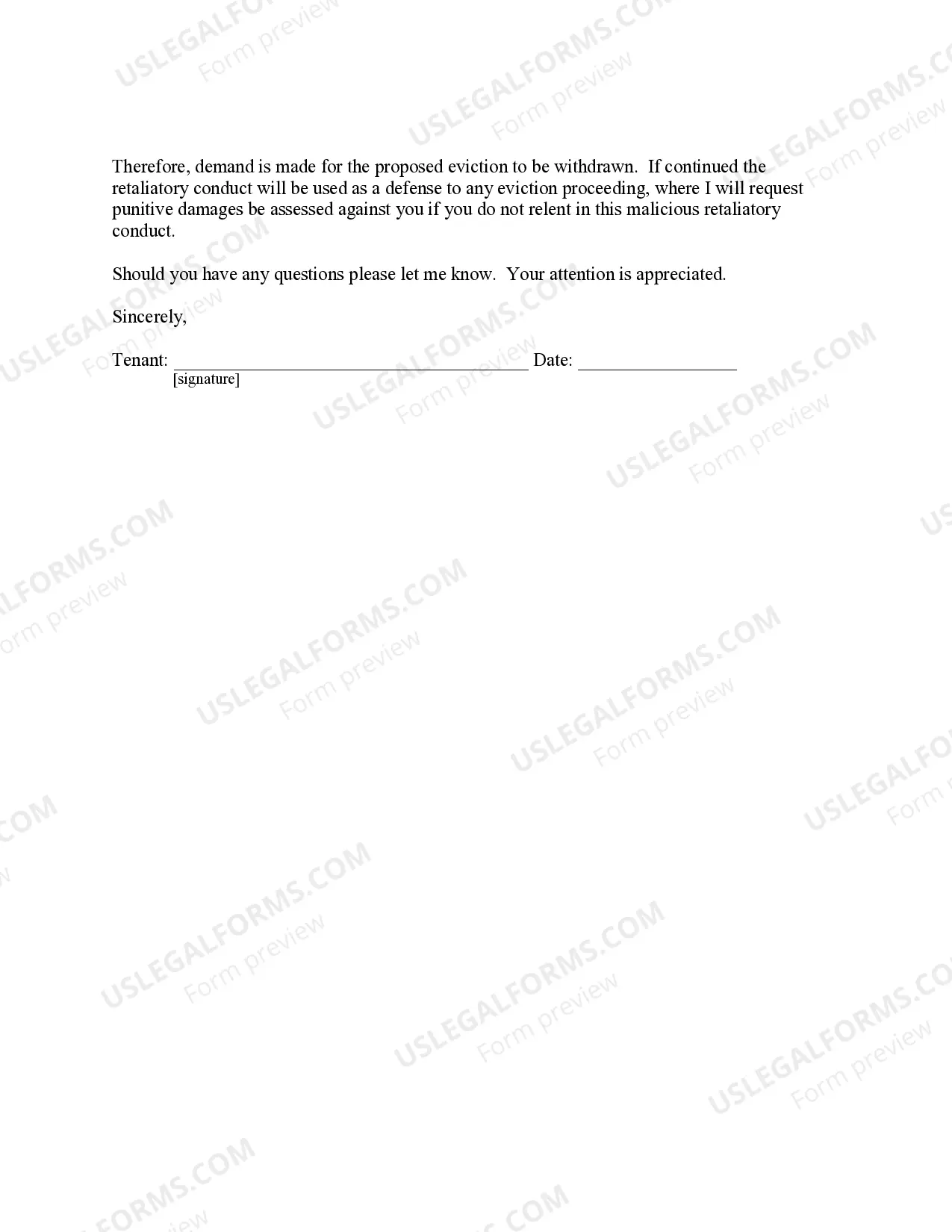
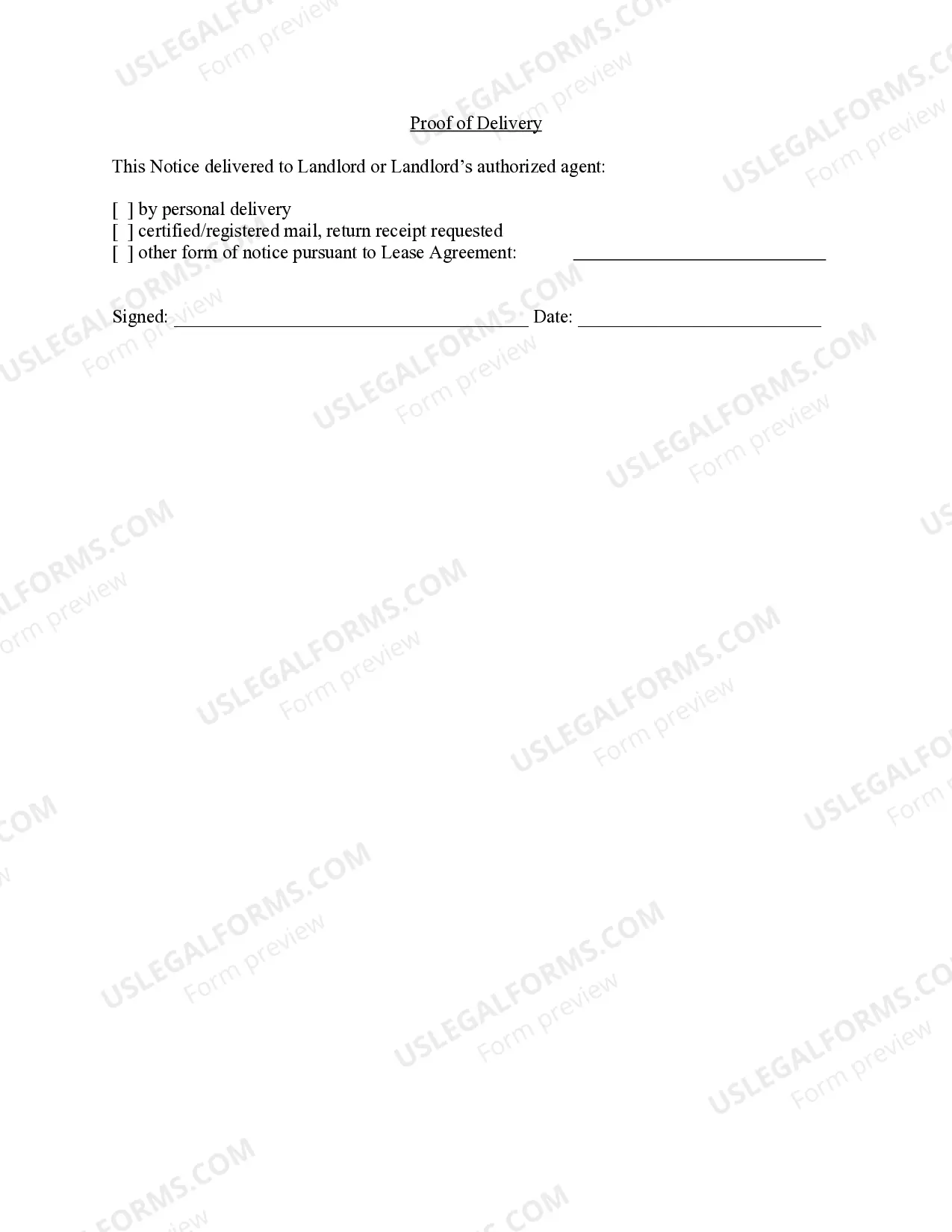
How to fill out Florida Letter From Tenant To Landlord Containing Notice To Landlord To Cease Retaliatory Threats To Evict Or Retaliatory Eviction?
Creating legal documents from the beginning can occasionally be daunting.
Certain situations may require extensive research and significant financial expenditure.
If you’re looking for a simpler and more affordable method of generating Florida Landlord Evict Without Notice or any other paperwork without unnecessary obstacles, US Legal Forms is always available for you.
Our online library containing over 85,000 current legal documents encompasses nearly every facet of your financial, legal, and personal matters.
Examine the document preview and descriptions to make sure you are viewing the document you need.
- With just a few clicks, you can promptly access state- and county-specific forms expertly assembled for you by our legal experts.
- Utilize our platform whenever you need dependable and trustworthy services for swiftly locating and downloading the Florida Landlord Evict Without Notice.
- If you’re already familiar with our website and have previously registered an account with us, simply Log In to your account, choose the template, and download it instantly or retrieve it again at any time in the My documents section.
- Have yet to create an account? Don’t worry. Setting it up takes very little time, and navigating through the catalog is straightforward.
- However, before diving straight into downloading Florida Landlord Evict Without Notice, consider these guidelines.
Form popularity
FAQ
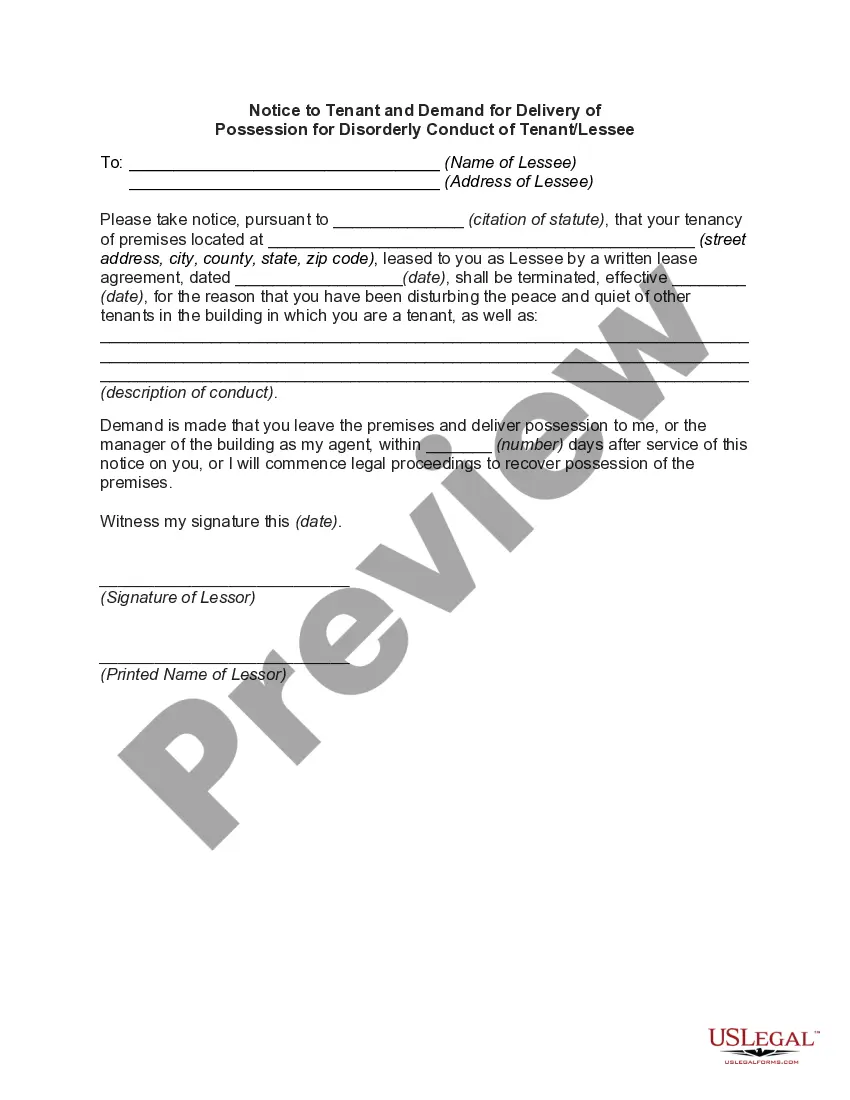
Writing an eviction letter in Florida involves clarity and adherence to legal standards. The letter should include the tenant's name, the property address, the reason for eviction, and the date by which the tenant must vacate. Using templates from platforms like US Legal Forms can help you create a compliant eviction letter, ensuring Florida landlords evict without notice when justified.
To evict a tenant quickly in Florida, it's essential to follow the specific legal process. First, you must determine the grounds for eviction, which may include non-payment of rent or lease violations. Next, file a complaint with your local court and provide relevant documentation. Using a service like US Legal Forms can simplify getting the necessary forms, helping Florida landlords evict without notice when applicable.
The timeframe for a landlord to evict a tenant in Florida varies based on several factors, including the grounds for eviction and the tenant's response. After filing an eviction lawsuit, the process can take as little as a few weeks or significantly longer if disputes arise. Understanding the timeline helps both landlords and tenants prepare for the necessary legal steps.
In Florida, a landlord generally cannot evict a tenant without providing notice, except in certain emergency situations. The notice requirements depend on the reason for eviction, and failing to give notice can lead to delays in the eviction process. For landlords contemplating eviction without notice, knowing the legal obligations is essential to avoid complications.
An illegal eviction in Florida occurs when a landlord removes a tenant without following the legal eviction process. This could include changing locks, shutting off utilities, or physically removing a tenant without a court order. Understanding your rights can prevent illegal evictions, ensuring that you remain protected under Florida law.
In most cases, a landlord cannot evict you immediately in Florida. There are specific legal processes that must be followed, including providing proper notice. However, certain situations, such as non-payment of rent or lease violations, can lead to quicker evictions, though landlords still must follow lawful procedures before evicting without notice.
The new eviction law in Florida allows landlords to follow a streamlined process for evictions. It aims to make it easier for landlords to regain possession of their properties while also requiring them to adhere to certain legal steps. Understanding the new eviction law can help tenants and landlords navigate the process effectively, especially in scenarios where a landlord may need to evict without notice.