Eviction Process In Florida With Lease
Description



Get your form ready online
Our built-in tools help you complete, sign, share, and store your documents in one place.
Make edits, fill in missing information, and update formatting in US Legal Forms—just like you would in MS Word.
Download a copy, print it, send it by email, or mail it via USPS—whatever works best for your next step.
Sign and collect signatures with our SignNow integration. Send to multiple recipients, set reminders, and more. Go Premium to unlock E-Sign.
If this form requires notarization, complete it online through a secure video call—no need to meet a notary in person or wait for an appointment.
We protect your documents and personal data by following strict security and privacy standards.

Make edits, fill in missing information, and update formatting in US Legal Forms—just like you would in MS Word.

Download a copy, print it, send it by email, or mail it via USPS—whatever works best for your next step.

Sign and collect signatures with our SignNow integration. Send to multiple recipients, set reminders, and more. Go Premium to unlock E-Sign.

If this form requires notarization, complete it online through a secure video call—no need to meet a notary in person or wait for an appointment.

We protect your documents and personal data by following strict security and privacy standards.
Looking for another form?







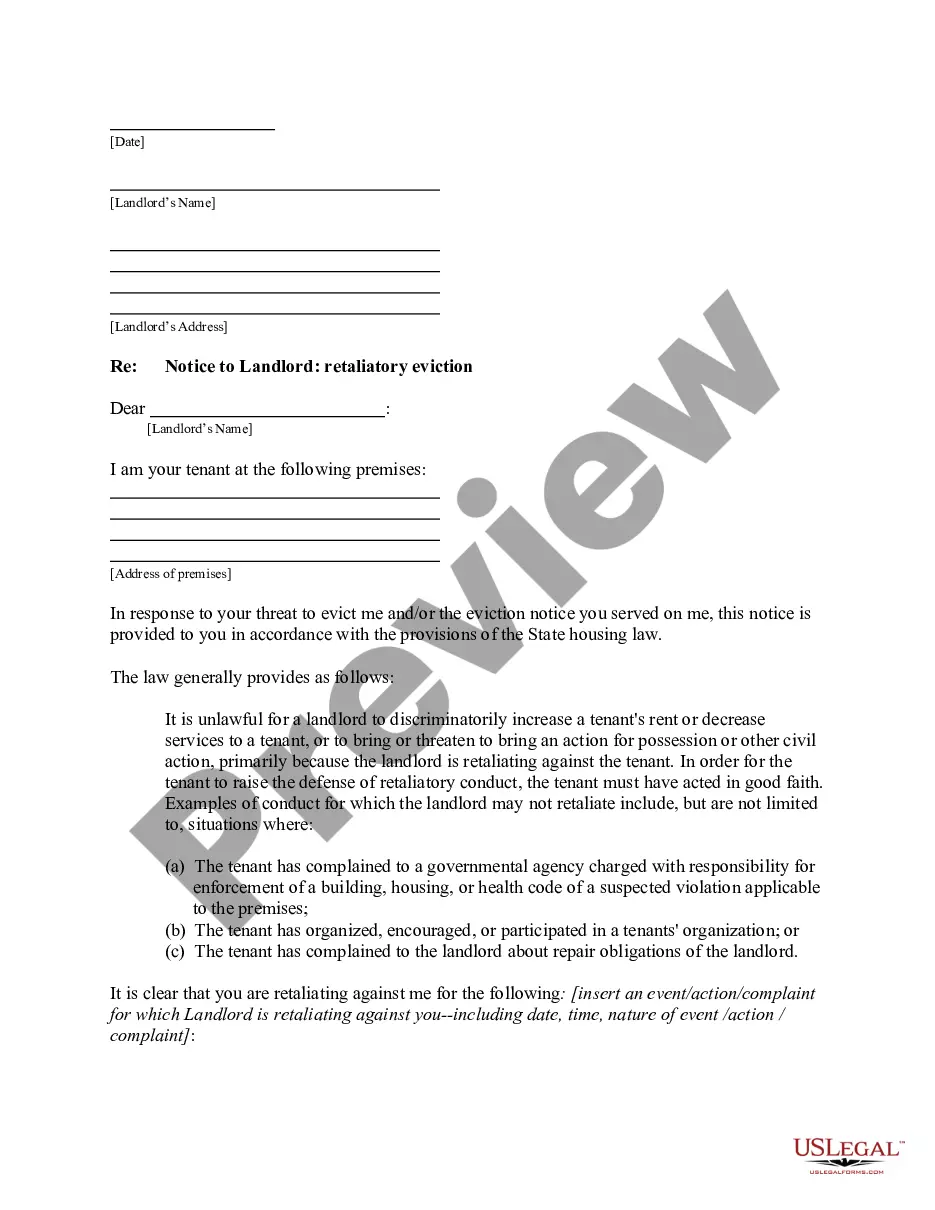
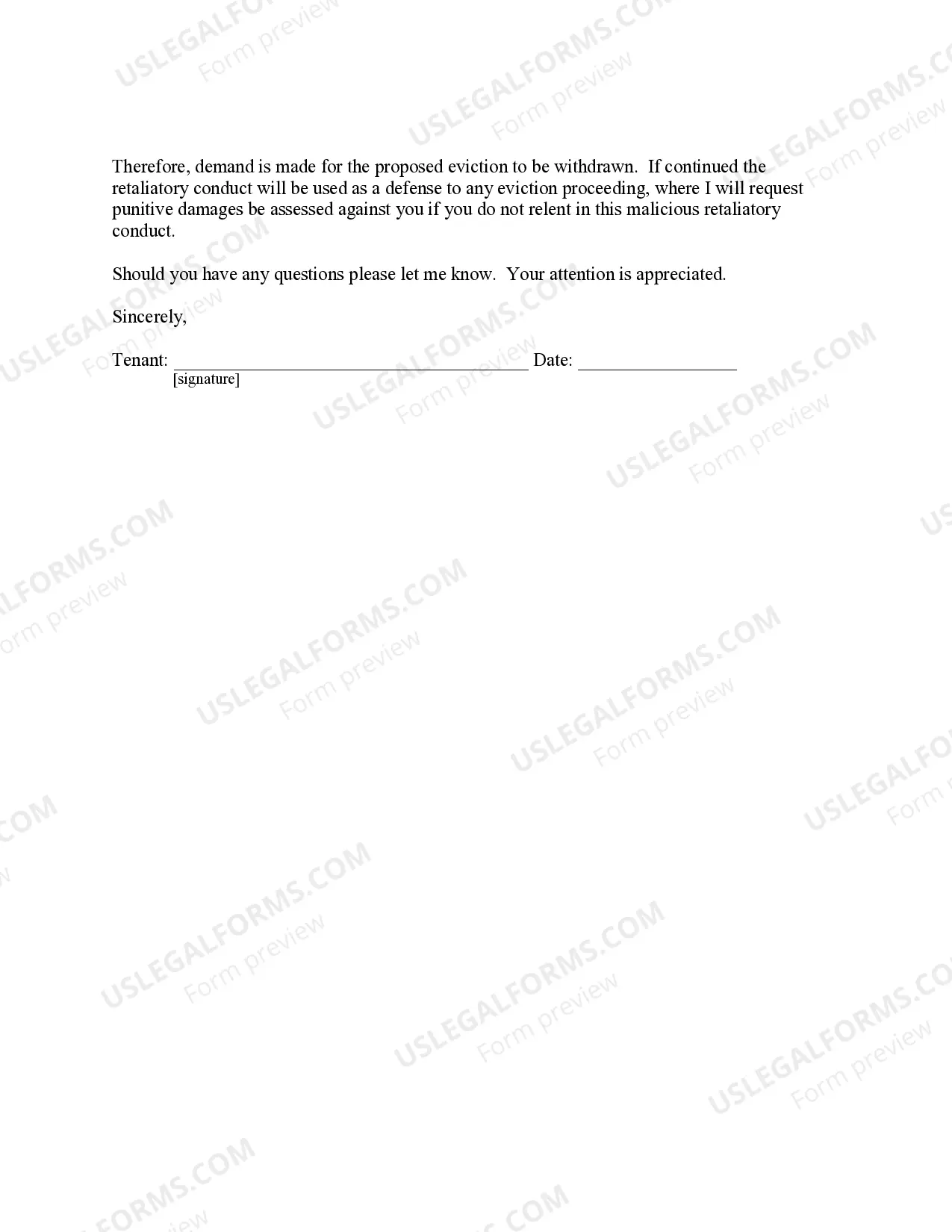
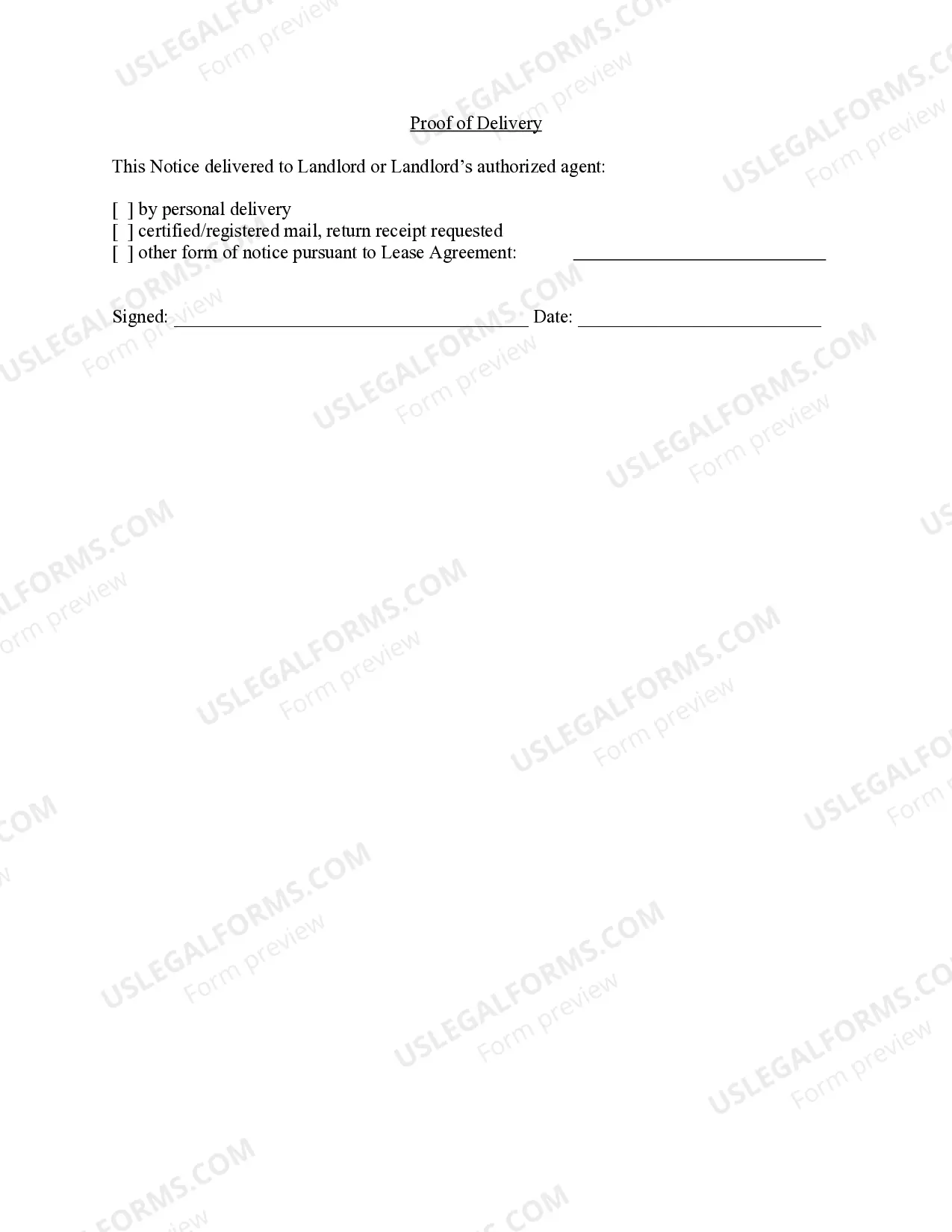
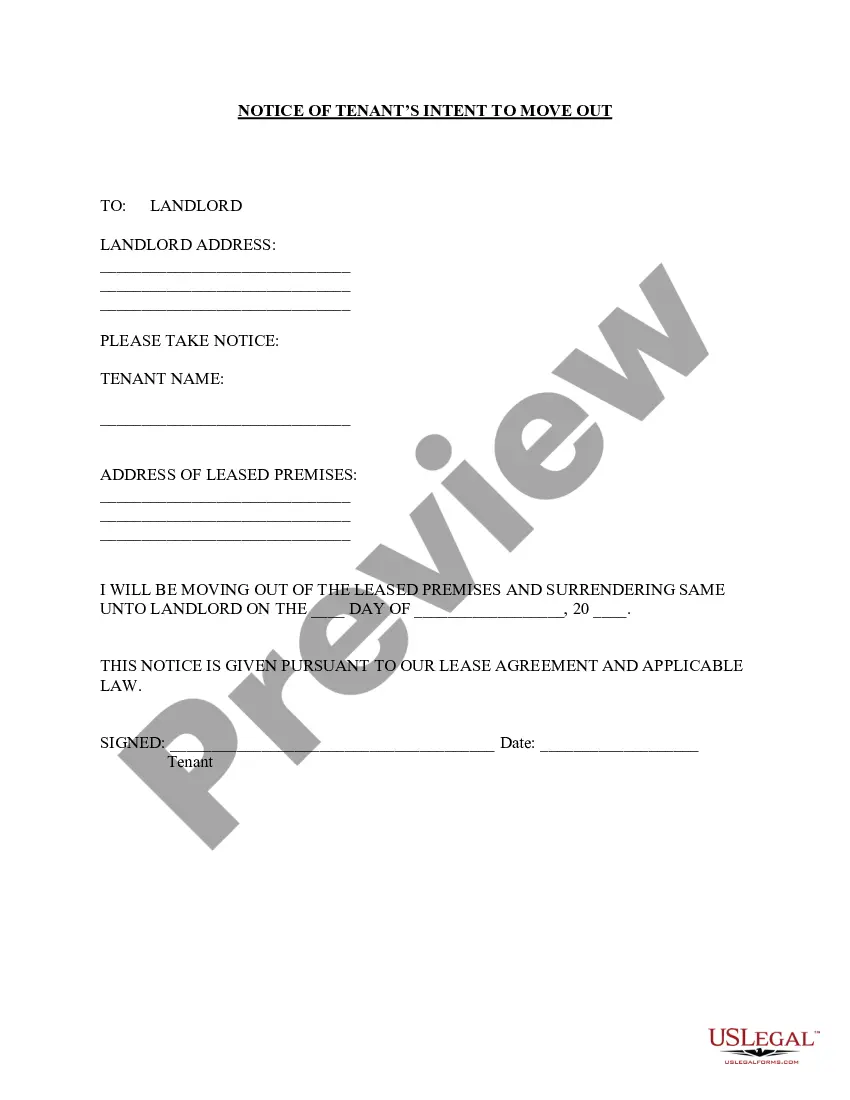
How to fill out Florida Letter From Tenant To Landlord Containing Notice To Landlord To Cease Retaliatory Threats To Evict Or Retaliatory Eviction?
Discovering a reliable source for the latest and pertinent legal documents is a significant part of navigating bureaucracy.
Identifying suitable legal documents requires accuracy and carefulness, which is why it is essential to obtain samples of the Eviction Process In Florida With Lease exclusively from credible sources, such as US Legal Forms.
Eliminate the complications associated with your legal documentation. Navigate the extensive US Legal Forms library where you can acquire legal samples, verify their applicability to your situation, and download them instantly.
- Utilize the library navigation or search option to find your template.
- Review the form’s details to verify it complies with the requirements of your state and county.
- Preview the form, if available, to confirm it is the correct document you need.
- Return to the search to find an alternative document if the Eviction Process In Florida With Lease does not meet your needs.
- If you are confident about the form’s appropriateness, download it.
- If you are a registered user, click Log in to verify and access your selected forms in My documents.
- If you don’t yet have an account, click Buy now to purchase the form.
- Select the pricing plan that suits your requirements.
- Proceed to the registration process to complete your purchase.
- Finalize your payment by choosing a payment method (credit card or PayPal).
- Choose the file format for downloading the Eviction Process In Florida With Lease.
- Once the form is on your device, you can modify it with the editor or print it for manual completion.
Form popularity
FAQ
Evicting someone who is not on your lease, even if they are your girlfriend, follows a specific process. You need to provide a notice to vacate, allowing her time to leave the property. If she does not comply, you can file for eviction in Florida, keeping it within legal boundaries. Services like USLegalForms can help streamline this process with the necessary paperwork.
Removing someone from a lease without their consent in Florida generally requires the agreement of all parties involved. If someone refuses to leave, you may need to initiate the eviction process in Florida with a lease to legally remove them. It's advisable to consult legal resources or professionals to navigate this situation effectively.
To start the eviction process in Florida, you first need to provide the tenant with a written notice that outlines the reason for eviction. If the tenant does not vacate the property within the specified time frame, you can file for eviction in the local court. Utilizing platforms like USLegalForms can guide you through the necessary documentation and legal requirements.
Kicking someone out of your apartment in Florida can be complicated. You must follow the legal eviction process in Florida with a lease, which typically involves providing written notice and possibly filing a lawsuit. It's crucial to adhere to the legal procedures to avoid potential claims of wrongful eviction.
Yes, a landlord can evict one person from a lease if that individual is not fulfilling their lease obligations. However, this must be done in line with Florida's eviction process, which requires proper notice and documentation. If you've included a co-tenant in the lease, you may need to follow additional steps to remove them legally.
The recent updates to eviction laws in Florida focus on emphasizing tenant rights and providing more clarity in the eviction process. These laws may outline new procedures landlords must follow before initiating an eviction. Staying informed about these changes ensures that both landlords and tenants understand their rights. You can explore more about these laws through platforms like USLegalForms.
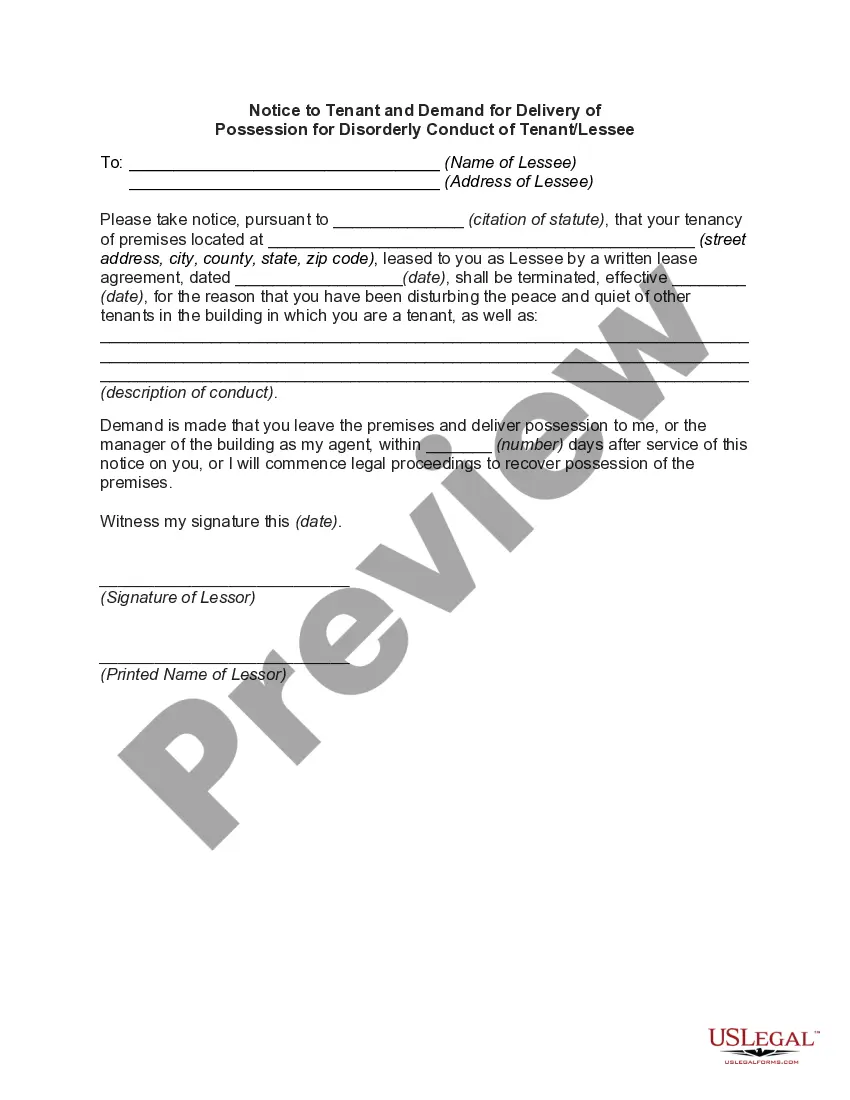
Yes, you can evict someone with a lease in Florida, but certain conditions must be met. The eviction process in Florida with lease requires landlords to have a valid reason, such as non-payment of rent or violation of lease terms. Following a proper procedure is necessary to carry out the eviction legally, ensuring you follow all state laws.
Typically, after receiving an eviction notice in Florida, you may have several days to respond, often around five to fifteen days. If you do not respond, the landlord may proceed with the eviction process, which can lead to court involvement. Tenants need to understand their rights under the eviction process in Florida with lease to protect their interests effectively.
In some cases, the eviction process in Florida can be initiated quickly, sometimes within just a few days after serving an eviction notice. However, the entire process may take longer due to legal requirements and court schedules. It's crucial for landlords to follow the proper procedures to avoid delays. Therefore, staying informed about the eviction process can expedite outcomes.
The eviction timeline in Florida can vary depending on the circumstances. Generally, it may take around 30 days or more to complete the eviction process in Florida with lease. This includes time for filing, court scheduling, and potential delays. Understanding this time frame helps landlords and tenants navigate their rights and responsibilities effectively.