Fl Increase Rent Form 4
Description
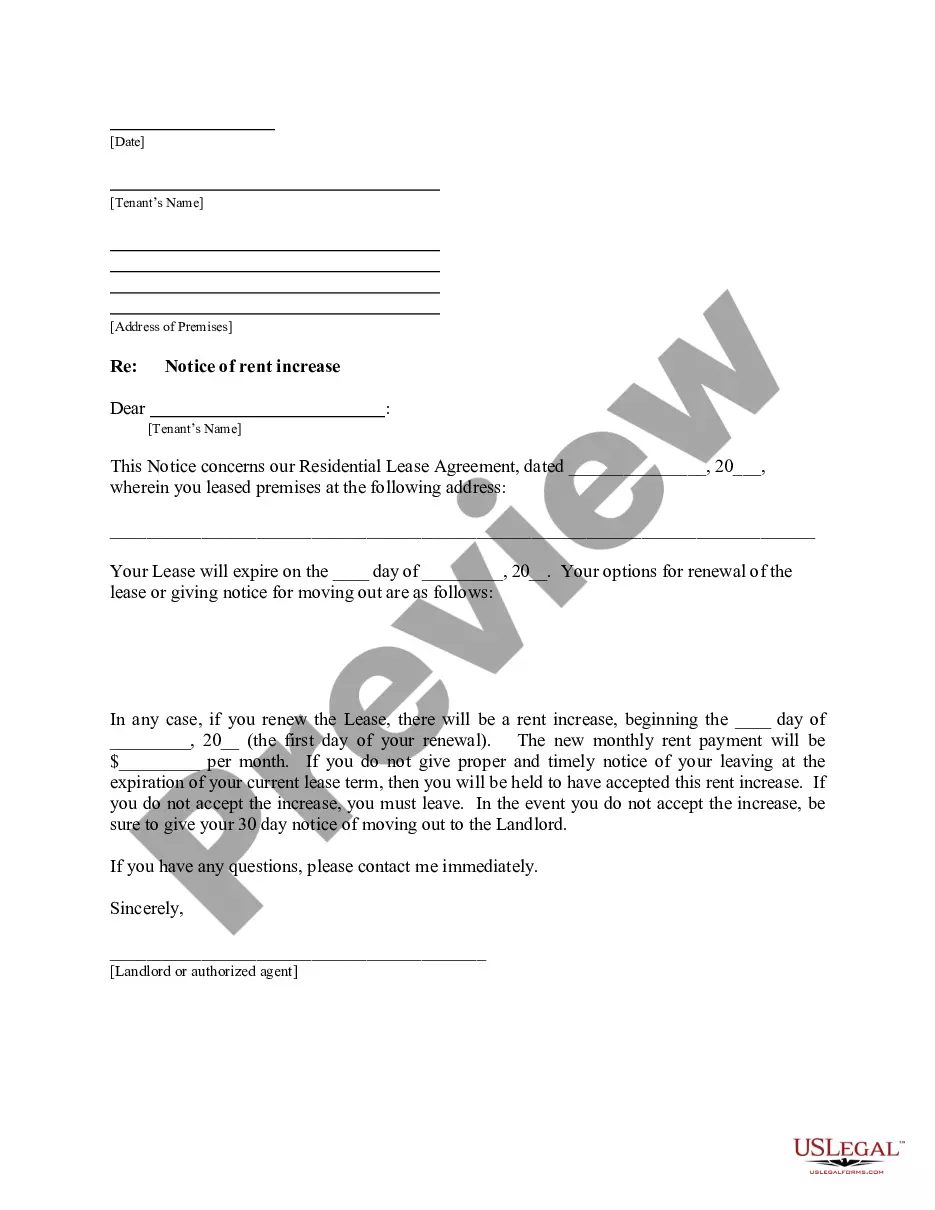
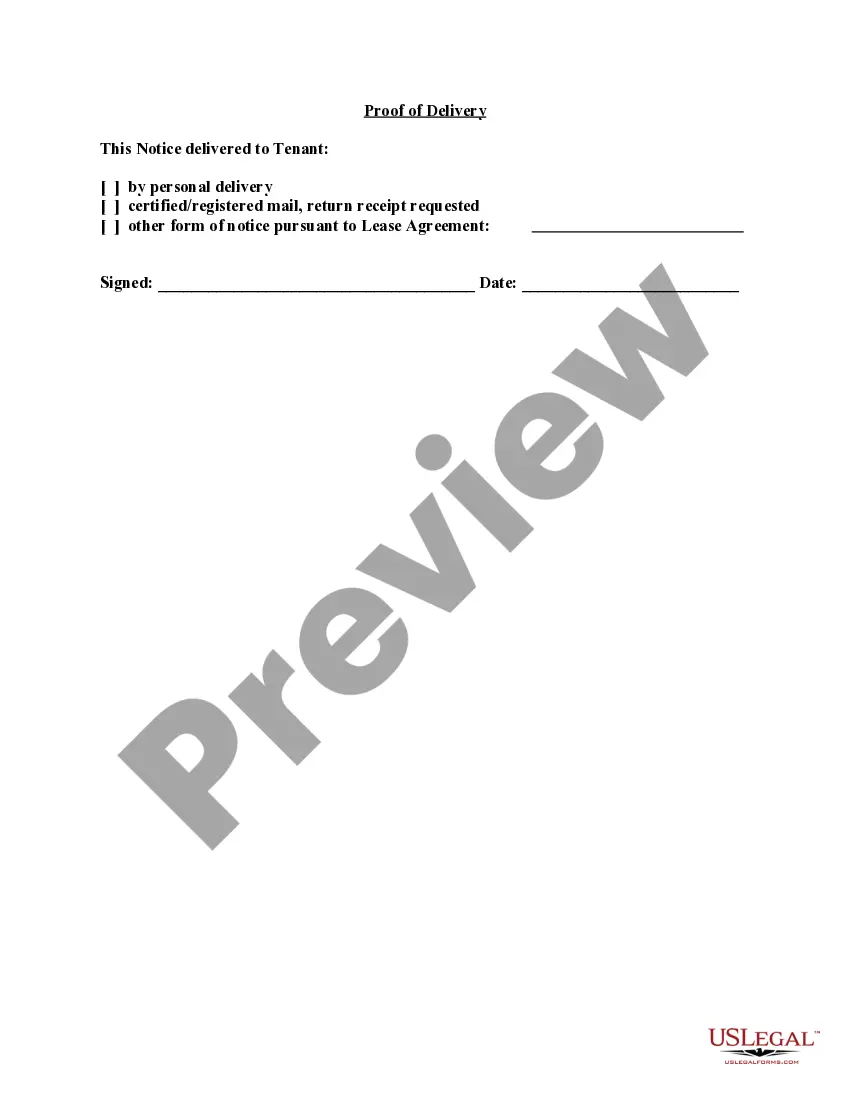
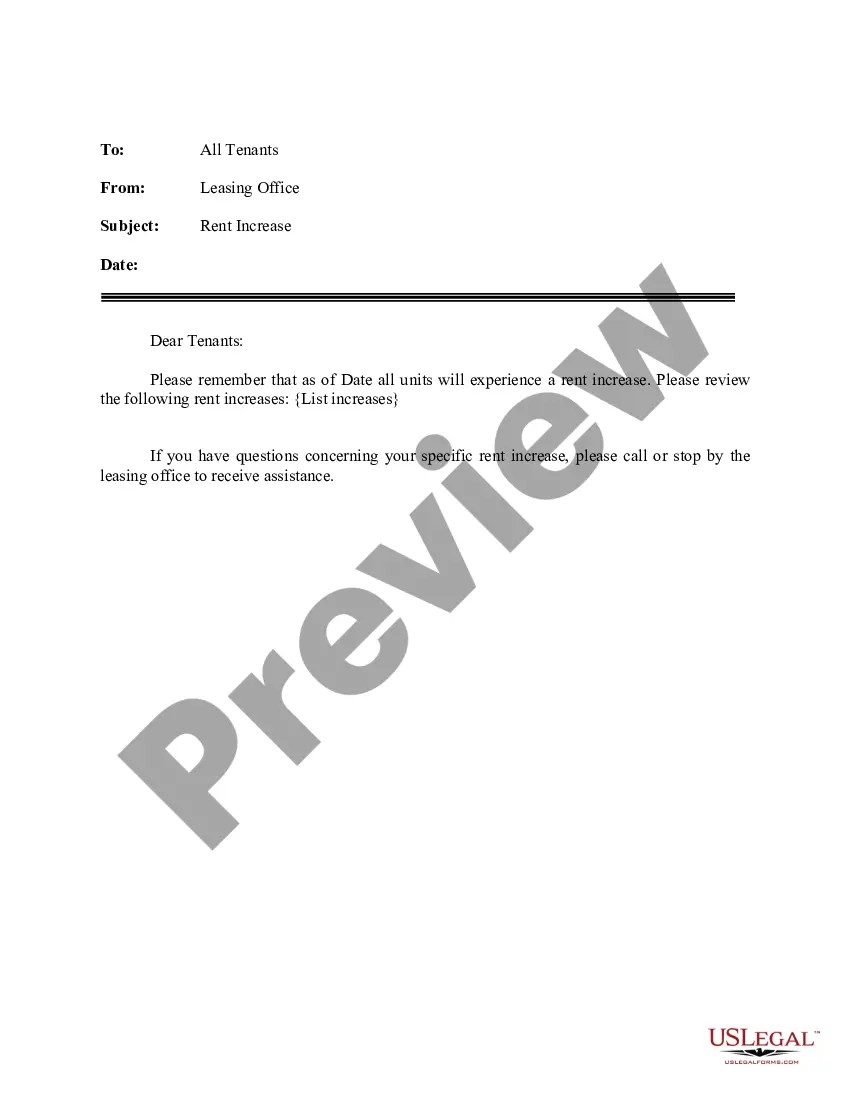

Get your form ready online
Our built-in tools help you complete, sign, share, and store your documents in one place.
Make edits, fill in missing information, and update formatting in US Legal Forms—just like you would in MS Word.
Download a copy, print it, send it by email, or mail it via USPS—whatever works best for your next step.
Sign and collect signatures with our SignNow integration. Send to multiple recipients, set reminders, and more. Go Premium to unlock E-Sign.
If this form requires notarization, complete it online through a secure video call—no need to meet a notary in person or wait for an appointment.
We protect your documents and personal data by following strict security and privacy standards.

Make edits, fill in missing information, and update formatting in US Legal Forms—just like you would in MS Word.

Download a copy, print it, send it by email, or mail it via USPS—whatever works best for your next step.

Sign and collect signatures with our SignNow integration. Send to multiple recipients, set reminders, and more. Go Premium to unlock E-Sign.

If this form requires notarization, complete it online through a secure video call—no need to meet a notary in person or wait for an appointment.

We protect your documents and personal data by following strict security and privacy standards.
Looking for another form?







How to fill out Florida Letter From Landlord To Tenant About Intent To Increase Rent And Effective Date Of Rental Increase?
Creating legal documents from the ground up can occasionally be daunting.
Certain situations may require extensive research and substantial financial investment.
If you're seeking a simpler and more budget-friendly method for preparing Fl Increase Rent Form 4 or any other documents without unnecessary complications, US Legal Forms is always available to assist you.
Our online library of over 85,000 current legal forms encompasses nearly every aspect of your financial, legal, and personal affairs.
Examine the document preview and descriptions to confirm that you are looking at the correct document. Ensure that the template you choose meets the standards of your state and county. Select the most suitable subscription plan to purchase the Fl Increase Rent Form 4. Download the file, then fill it out, sign it, and print it. US Legal Forms has a solid reputation and over 25 years of expertise. Join us today and make form completion an easy and efficient process!
- With just a few clicks, you can swiftly obtain state- and county-compliant forms meticulously crafted for you by our legal experts.
- Utilize our platform whenever you require trustworthy and dependable services to easily find and download the Fl Increase Rent Form 4.
- If you're already familiar with our site and have an existing account, simply Log In, choose the form, and download it or re-download it anytime later in the My documents section.
- Don't have an account? No worries. It only takes a few minutes to set one up and explore the library.
- However, before proceeding to download Fl Increase Rent Form 4, please follow these suggestions.
Form popularity
FAQ
There is not a statewide law that places limits on how much a landlord can increase the rent when a lease is renewed. In fact, Texas law only allows cities to establish local rent control ordinances in certain cases. A state of disaster has to have been declared and the city must find that a housing emergency exists.
To serve a Section 13 notice on your tenant, you must fill out form 4, which can be downloaded from the gov.uk website here. You can send the notice via post to the tenant's address or hand-deliver it. If the tenancy agreement stipulates a specific delivery method, then this must be followed.
Process for Section 13 rent increase using Form 4. So long as it's not during a fixed term tenancy, a landlord can serve a Section 13 notice on the tenants to increase the rent, once every 12 months. The landlord needs to serve the notice using Form 4 ? click here for a free template.
Florida landlords can raise rent by any amount they want to. In fact, Florida doesn't have any legal limits or caps on rent increases.
How do I write a notice of rent increase? The full names of both landlord and tenant. The type of property you are leasing. The location of the property. The type of tenancy (fixed term or periodic) Details about the rent (current rent vs. new rent and effective dates) Details about the lease (start date and signing date)