Tenant Landlord Florida
Description

Get your form ready online
Our built-in tools help you complete, sign, share, and store your documents in one place.
Make edits, fill in missing information, and update formatting in US Legal Forms—just like you would in MS Word.
Download a copy, print it, send it by email, or mail it via USPS—whatever works best for your next step.
Sign and collect signatures with our SignNow integration. Send to multiple recipients, set reminders, and more. Go Premium to unlock E-Sign.
If this form requires notarization, complete it online through a secure video call—no need to meet a notary in person or wait for an appointment.
We protect your documents and personal data by following strict security and privacy standards.

Make edits, fill in missing information, and update formatting in US Legal Forms—just like you would in MS Word.

Download a copy, print it, send it by email, or mail it via USPS—whatever works best for your next step.

Sign and collect signatures with our SignNow integration. Send to multiple recipients, set reminders, and more. Go Premium to unlock E-Sign.

If this form requires notarization, complete it online through a secure video call—no need to meet a notary in person or wait for an appointment.

We protect your documents and personal data by following strict security and privacy standards.
Looking for another form?
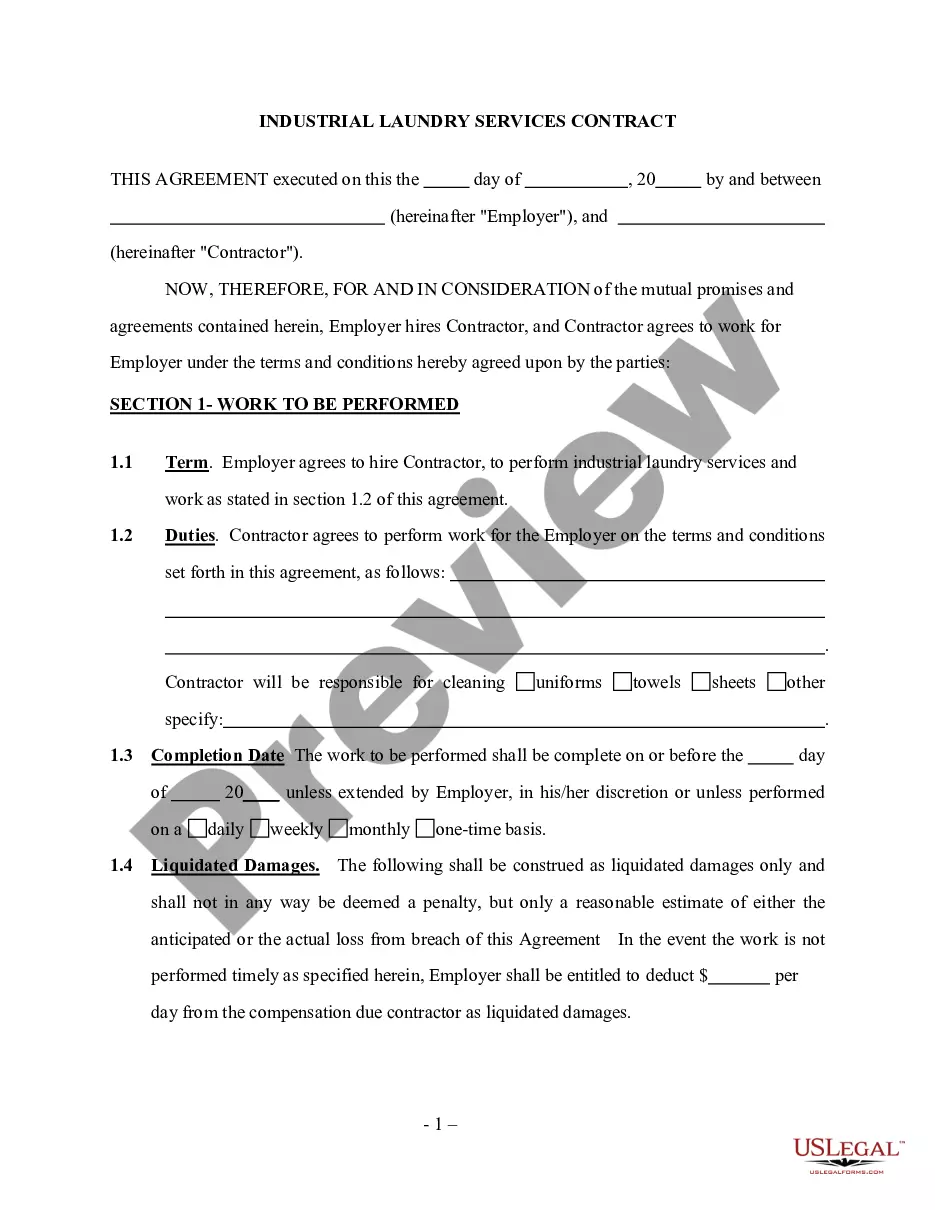






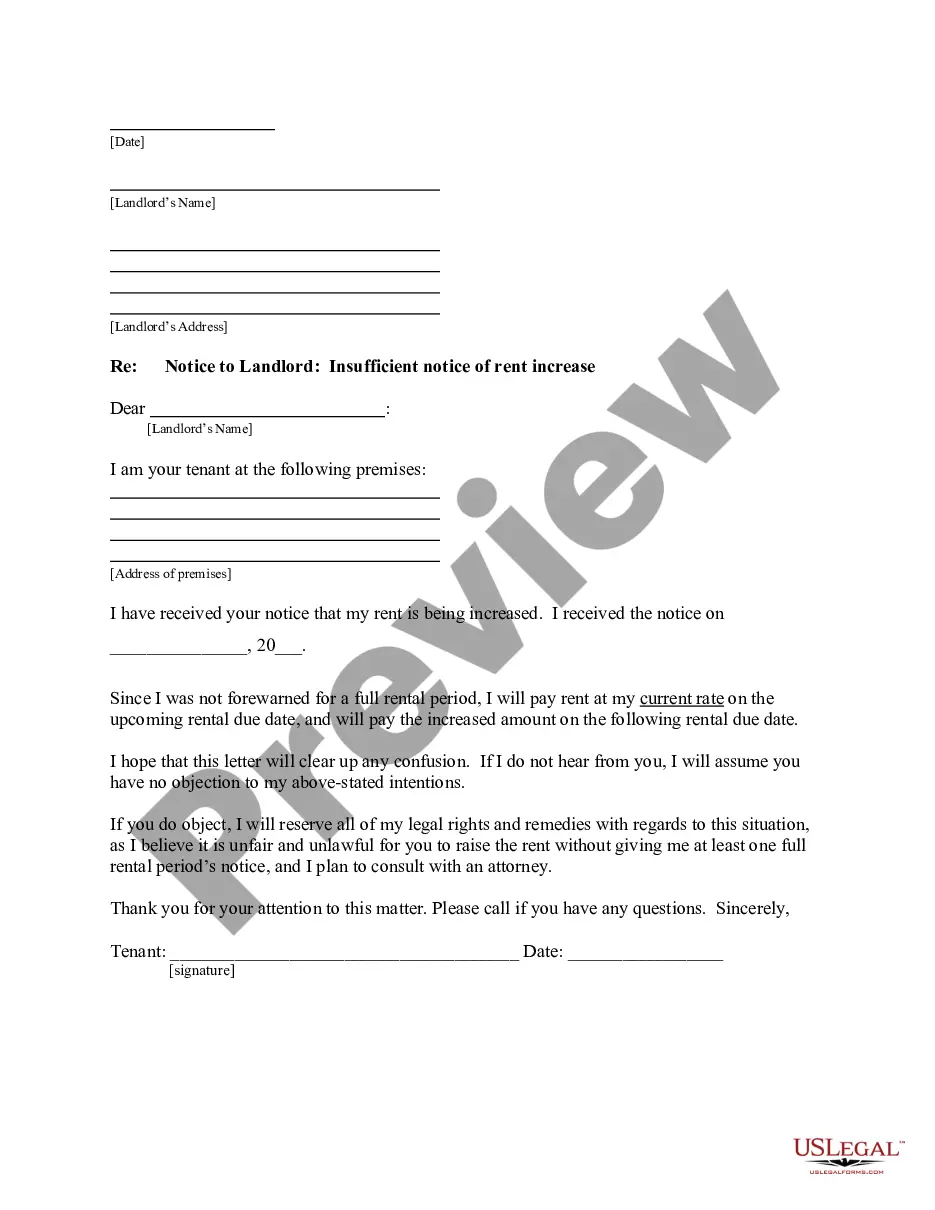
How to fill out Florida Letter From Tenant To Landlord About Insufficient Notice Of Rent Increase?
- If you are a returning user, log in to your account and verify that your subscription is active. Click the Download button to save the required form template.
- For first-time users, start by reviewing the Preview mode and description of the forms available. Ensure that the selected template aligns with your needs and meets local jurisdiction requirements.
- If you need a different document, utilize the Search tab at the top to find the appropriate template.
- Once you've decided on a form, click the Buy Now button and choose your preferred subscription plan. Register an account to unlock access to the entire library.
- Complete your purchase by entering your credit card information or using your PayPal account.
- After payment, download the form to your device for further editing, and find it in the My Forms section of your profile.
By utilizing US Legal Forms, you gain access to over 85,000 fillable and editable legal documents. Their robust form collection is designed to meet a variety of legal needs at a competitive cost.
Don’t hesitate—empower yourself with the necessary legal documents today! Visit US Legal Forms and take control of your tenant-landlord obligations in Florida.
Form popularity
FAQ
Red flags on a rental application can include a low credit score, inconsistent rental history, or a history of evictions. Additionally, failing to provide necessary documents or having multiple recent applications can raise concerns. It's important to address any potential red flags proactively by explaining your situation to the landlord. By being transparent, you enhance your candidacy as a reliable tenant landlord in Florida.
To fill out a landlord application effectively, start with your personal details, such as your name and contact information. Next, include your employment and income details, as well as previous rental history. Additionally, you should provide references who can vouch for your reliability as a tenant. By taking the time to fill out your landlord application accurately, you demonstrate responsibility and increase your chances of approval.
If you encounter issues with your landlord in Florida, you can report them to your local housing authority or the Florida Department of Business and Professional Regulation. These organizations can help you understand your rights as a tenant and investigate any violations of tenant laws. Document your concerns thoroughly, as this can aid in your case. Remember, understanding your rights as a tenant landlord in Florida is essential for a smoother rental experience.
You can report your landlord to the local housing authority or the Department of Business and Professional Regulation if they fail to comply with leasing laws. Alternatively, tenant advocacy groups can provide support and guidance in addressing issues. Understanding the roles of these authorities is crucial for tackling problems effectively. Remember, being proactive as a tenant landlord Florida can lead to better living conditions.
As a renter in Florida, you have the right to a habitable residence, privacy, and protection against discrimination. Your landlord must maintain essential services like heat, water, and electricity, and cannot evict you without proper legal procedures. Being aware of your rights equips you to address any issues with your landlord effectively. For detailed guidance, check resources like uslegalforms to help you understand tenant landlord Florida regulations.
If your landlord refuses to make necessary repairs, you can contact local building or health department officials to report the problem. They can inspect the property and ensure compliance with safety standards. Additionally, consider withholding rent or taking other legal actions if the repairs are not made in a timely manner. Knowing the tenant landlord Florida laws can help you choose the best course of action.
If you need to report your landlord in Florida, start by contacting your local housing or code enforcement agency. They will evaluate your complaint and take action if necessary. You can also reach out to organizations that specialize in tenant rights for further guidance and support. Being informed about your rights as a tenant landlord Florida will help you navigate the reporting process.
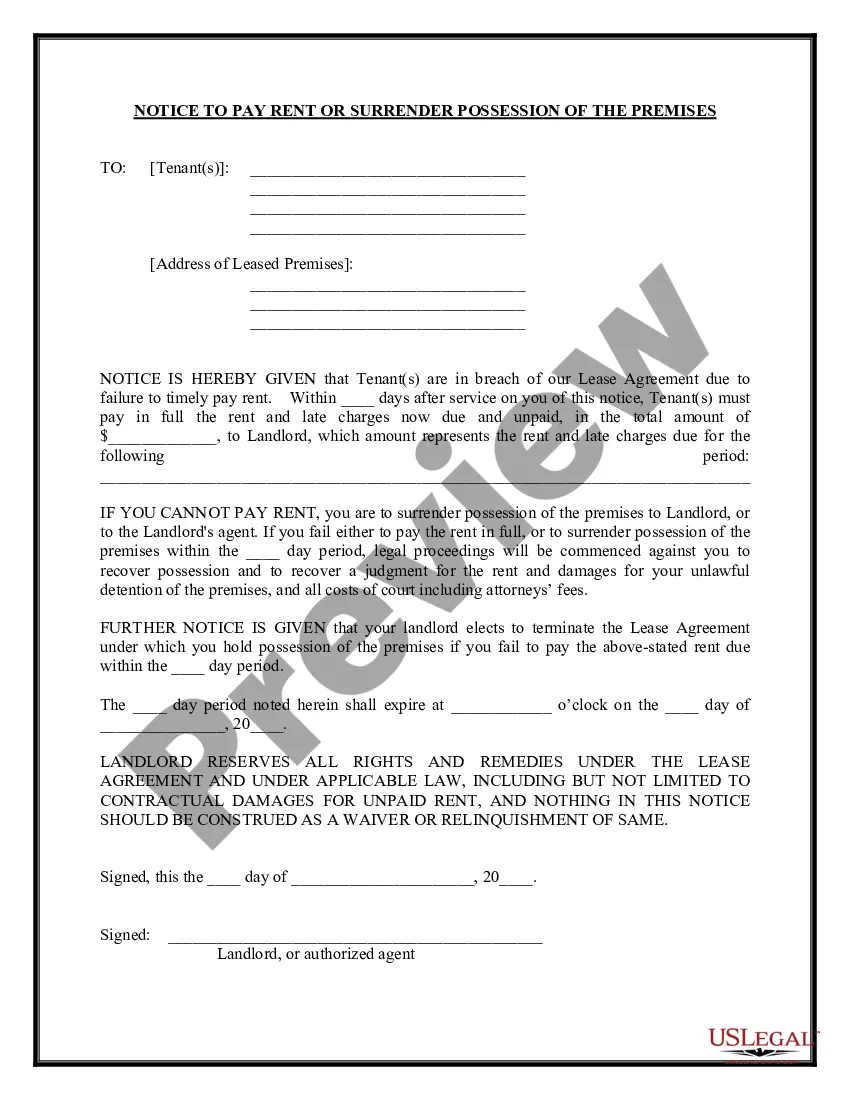
To give a tenant a notice to vacate in Florida, you must provide a written notice specifying the reason for eviction and the time frame within which they must leave. The typical notice period is three days for non-payment of rent and a seven-day notice for other lease violations. Ensure you follow the legal requirements, as improper notice can lead to complications. For assistance, consulting uslegalforms can guide you through the right process.
In Florida, a landlord cannot retaliate against a tenant for exercising their legal rights, such as reporting safety violations. Additionally, landlords must provide habitable living conditions, meaning they must address issues like pests, plumbing problems, and other maintenance needs. Violating tenant privacy by entering without notice is also illegal. Knowing your rights as a tenant landlord Florida can empower you.
In Florida, you generally do not need a license to be a landlord. However, certain types of rentals, like short-term rentals, may require a business license or specific permits. It is important to check local regulations in your area as some counties or cities might have additional licensing requirements for landlords. Understanding the rules around tenant landlord Florida can protect you from potential issues.