Tenant Landlord Act Florida
Description

Get your form ready online
Our built-in tools help you complete, sign, share, and store your documents in one place.
Make edits, fill in missing information, and update formatting in US Legal Forms—just like you would in MS Word.
Download a copy, print it, send it by email, or mail it via USPS—whatever works best for your next step.
Sign and collect signatures with our SignNow integration. Send to multiple recipients, set reminders, and more. Go Premium to unlock E-Sign.
If this form requires notarization, complete it online through a secure video call—no need to meet a notary in person or wait for an appointment.
We protect your documents and personal data by following strict security and privacy standards.

Make edits, fill in missing information, and update formatting in US Legal Forms—just like you would in MS Word.

Download a copy, print it, send it by email, or mail it via USPS—whatever works best for your next step.

Sign and collect signatures with our SignNow integration. Send to multiple recipients, set reminders, and more. Go Premium to unlock E-Sign.

If this form requires notarization, complete it online through a secure video call—no need to meet a notary in person or wait for an appointment.

We protect your documents and personal data by following strict security and privacy standards.
Looking for another form?






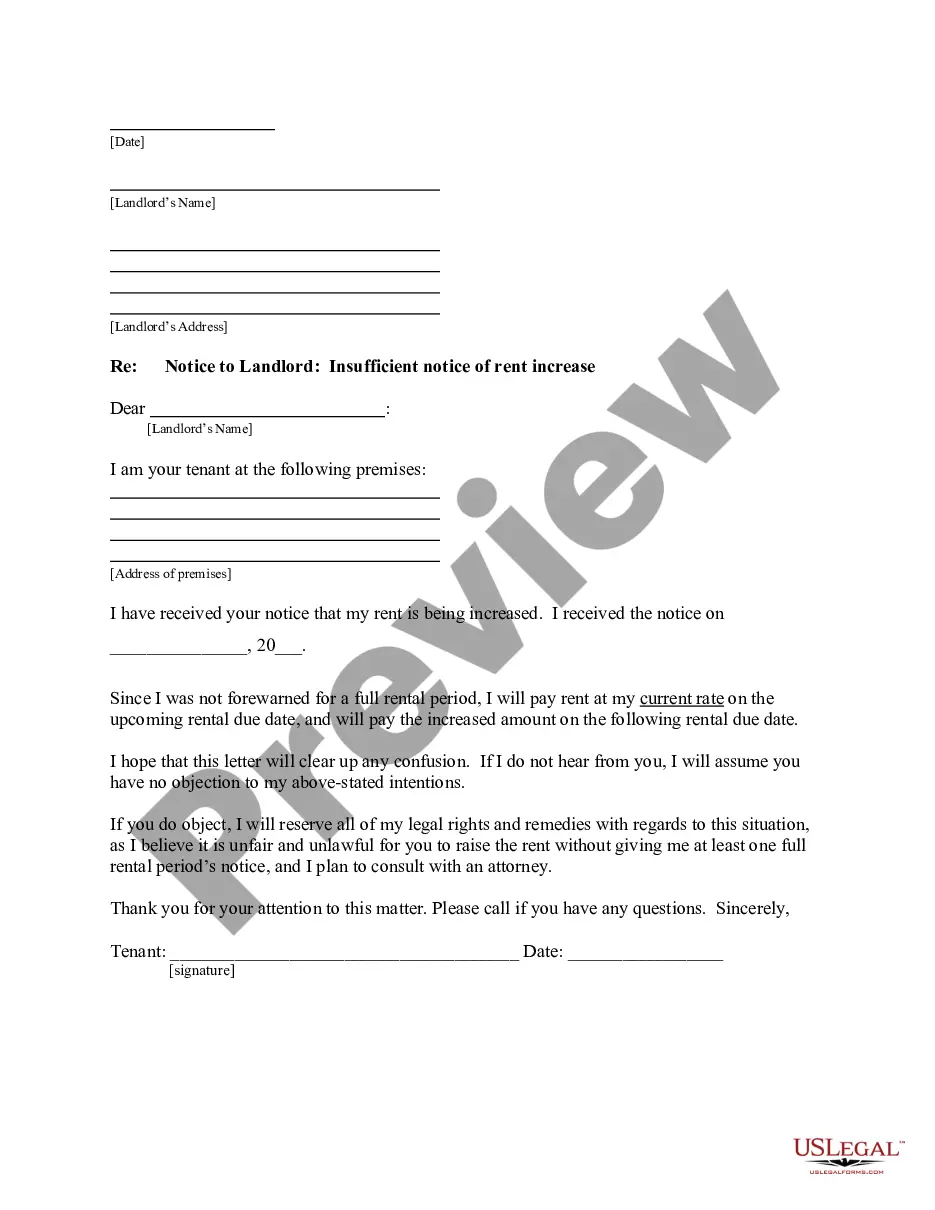
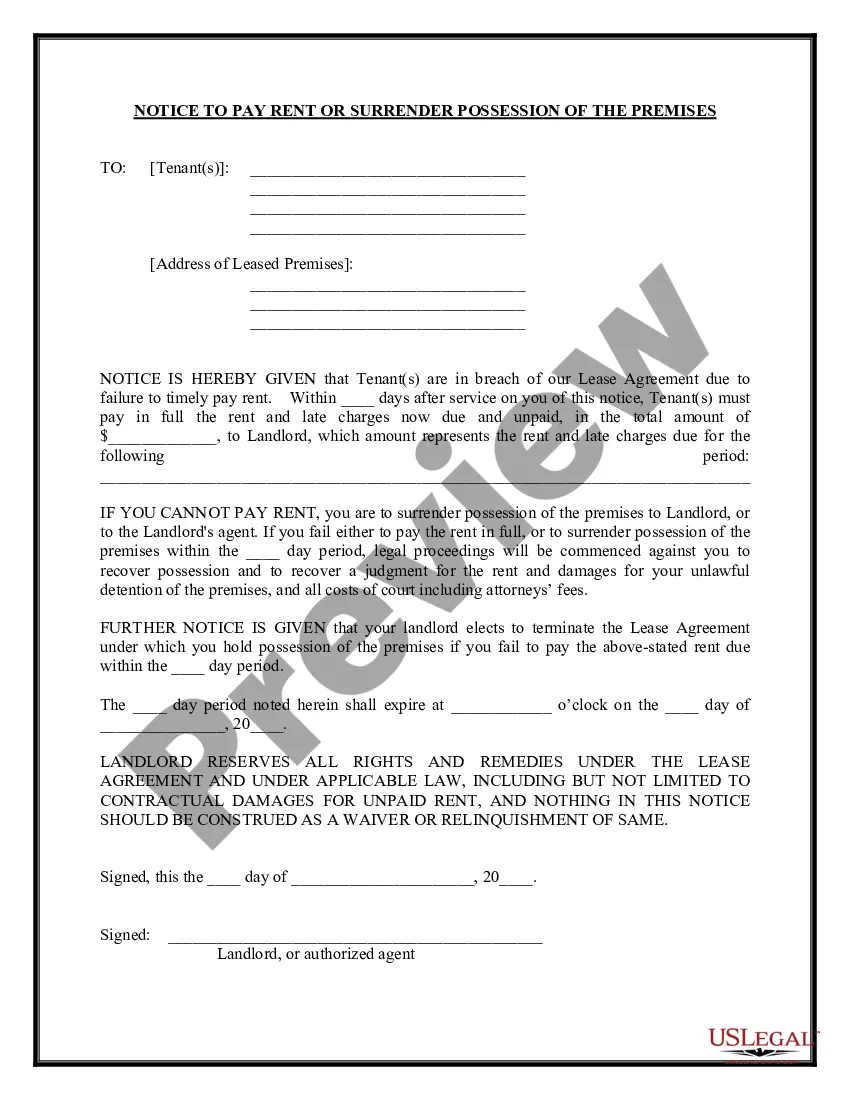
How to fill out Florida Letter From Tenant To Landlord About Insufficient Notice Of Rent Increase?
- If you have an existing US Legal Forms account, log in to access your dashboard and download the required template by clicking the Download button. Ensure your subscription remains active; if it has lapsed, be sure to renew it according to your plan.
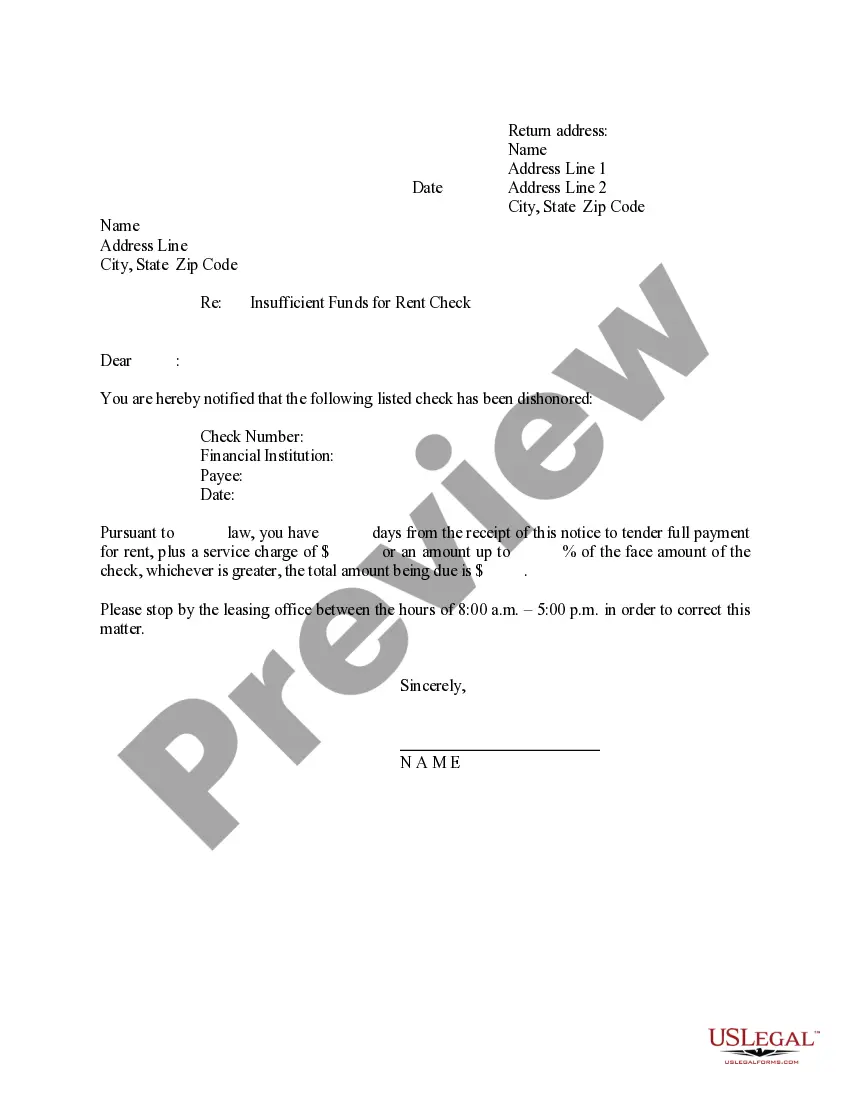
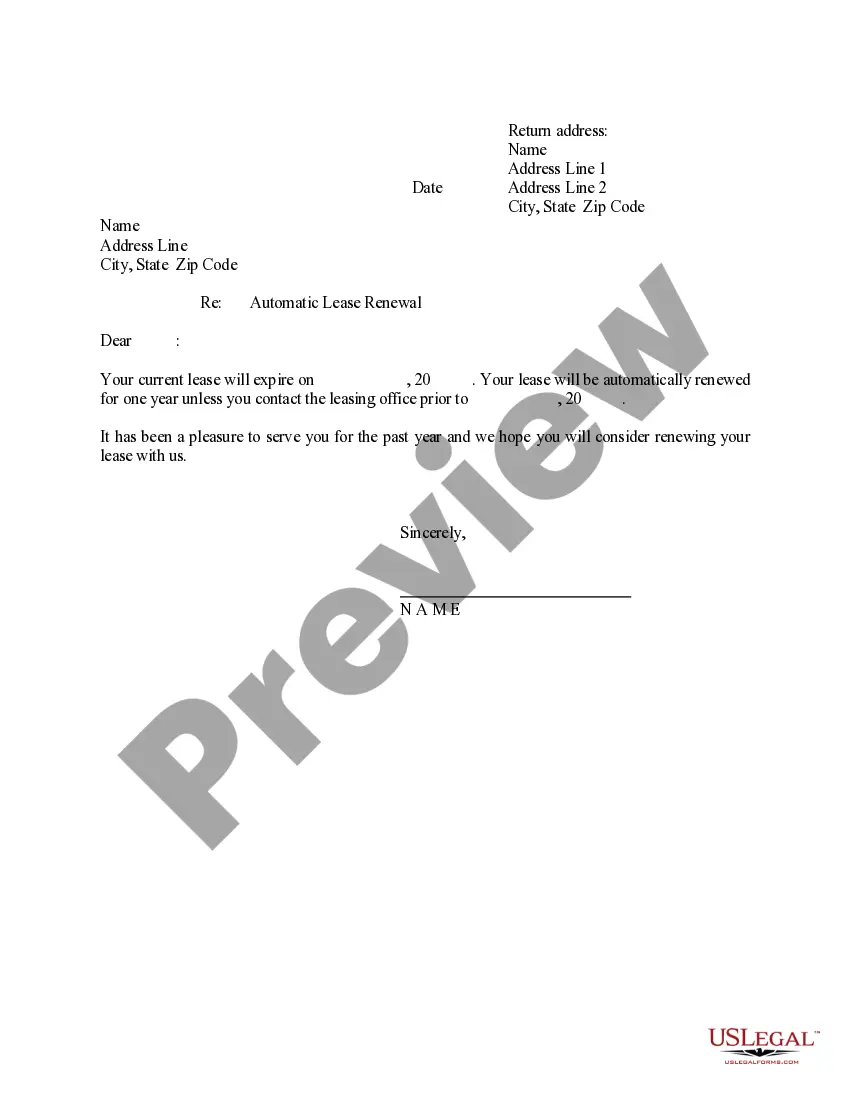
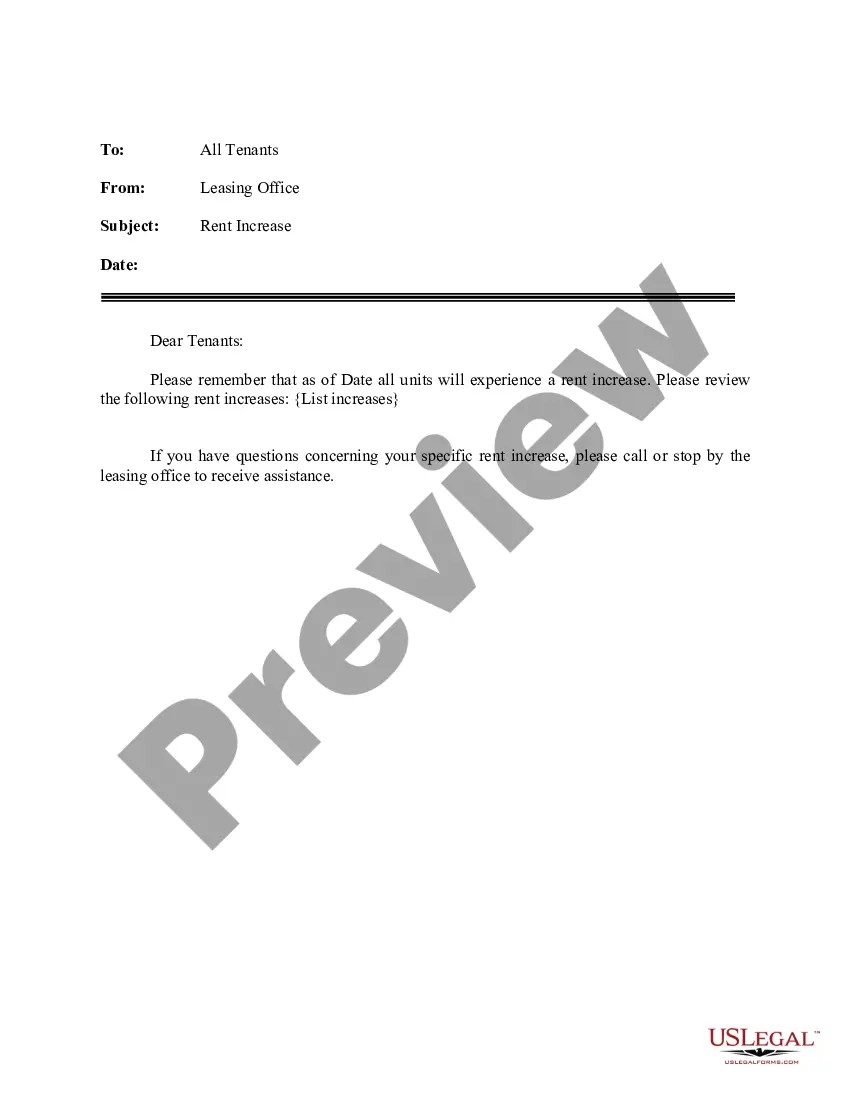
- For first-time users, start by previewing the available templates. Verify that the form you choose aligns with your needs and complies with local jurisdiction requirements.
- If you do not find the appropriate form, utilize the search feature to discover templates that meet your criteria.
- Once you've selected the correct document, click on 'Buy Now' and select your preferred subscription plan. Be prepared to create an account to access the full library of forms.
- Proceed to payment by entering your credit card information or using your PayPal account to finalize the subscription.
- After your purchase is confirmed, download your form and save it to your device. You can also access it later through the My Forms section of your profile.
Following these simple steps will allow you to obtain the necessary legal documents efficiently. US Legal Forms not only offers a robust collection of forms but also provides access to expert assistance, ensuring that your documents are both accurate and legally sound.
Don't hesitate—start simplifying your legal processes today with US Legal Forms!
Form popularity
FAQ
In Florida, the requirement for a 60-day notice at the end of a lease depends on the lease agreement itself. Many leases stipulate a 30-day notice, but longer terms may exist for specific situations. It is crucial to review your lease and communicate clearly with your landlord. Platforms like US Legal Forms can assist you in understanding these nuances and providing the necessary documentation.
The Tenant Landlord Act Florida outlines clear rules for lease termination. Generally, tenants must provide written notice in accordance with their lease duration, which often is 30 days. Additionally, if there are violations or non-compliance, there may be grounds for immediate termination. If you are unsure about your rights and responsibilities, US Legal Forms can provide helpful guidance.
Yes, under the Tenant Landlord Act Florida, landlords typically require a 30-day notice for tenants to vacate. This notice is essential for ensuring a smooth transition for both parties. However, the specific timeframe can vary depending on the terms of the lease agreement. Always consult your lease and consider reaching out to legal resources for clarity regarding your situation.
Florida does not impose a statewide limit on rent increases, but landlords must follow the terms set in the lease agreements. If the lease is month-to-month, landlords must provide at least 60 days' notice before a rental increase. Being aware of these conditions under the Tenant Landlord Act Florida can help both landlords and tenants avoid misunderstandings and disputes. Consider consulting a legal expert or resources from USLegalForms for clarity.
The Florida Landlord and Tenant Act allows landlords to enter rental properties for specific reasons, like repairs or inspections, after providing proper notice. However, it is important for landlords to respect a tenant's right to privacy and only enter under legitimate circumstances. Familiarizing yourself with these rights helps both parties understand their responsibilities. Using resources from USLegalForms can assist you in navigating these regulations.
Recently, Florida has updated various regulations that affect landlords and tenants. Key changes include stricter guidelines on security deposits and improved processes for eviction. Staying informed about these updates under the Tenant Landlord Act Florida helps landlords maintain compliant practices. Regularly reviewing these rules can help ensure a smooth rental experience.
Filling out a landlord application is a straightforward process. Begin by gathering necessary information, such as personal identification, financial details, and rental history. It’s crucial to provide accurate information to ensure compliance with the Tenant Landlord Act Florida. If you need assistance, consider using platforms like USLegalForms, which offer guidance and templates.
Under the Tenant Landlord Act Florida, a landlord generally must provide written notice to a tenant before terminating a lease. The notice period varies based on the lease agreement duration. For month-to-month leases, a landlord must give at least 15 days' notice before the end of the rental period. Understanding these timelines ensures that both parties are informed and protected.
Under the Tenant Landlord Act Florida, landlords are permitted to ask for a security deposit equal to one month's rent or more in some cases. However, requesting 3 times the rent as a security deposit might be seen as excessive unless justified by specific factors. To navigate these situations, consider consulting resources on the US Legal Forms platform, which can provide clarity and template documents.
According to the Tenant Landlord Act Florida, a landlord must give a tenant reasonable notice before asking them to vacate. Generally, this notice is 30 days unless otherwise stated in the lease. Make sure to review your rental agreement to confirm any specific rules or timelines that apply to your situation.