Rent Increase Letter For Commercial Property
Description


Get your form ready online
Our built-in tools help you complete, sign, share, and store your documents in one place.
Make edits, fill in missing information, and update formatting in US Legal Forms—just like you would in MS Word.
Download a copy, print it, send it by email, or mail it via USPS—whatever works best for your next step.
Sign and collect signatures with our SignNow integration. Send to multiple recipients, set reminders, and more. Go Premium to unlock E-Sign.
If this form requires notarization, complete it online through a secure video call—no need to meet a notary in person or wait for an appointment.
We protect your documents and personal data by following strict security and privacy standards.

Make edits, fill in missing information, and update formatting in US Legal Forms—just like you would in MS Word.

Download a copy, print it, send it by email, or mail it via USPS—whatever works best for your next step.

Sign and collect signatures with our SignNow integration. Send to multiple recipients, set reminders, and more. Go Premium to unlock E-Sign.

If this form requires notarization, complete it online through a secure video call—no need to meet a notary in person or wait for an appointment.

We protect your documents and personal data by following strict security and privacy standards.
Looking for another form?










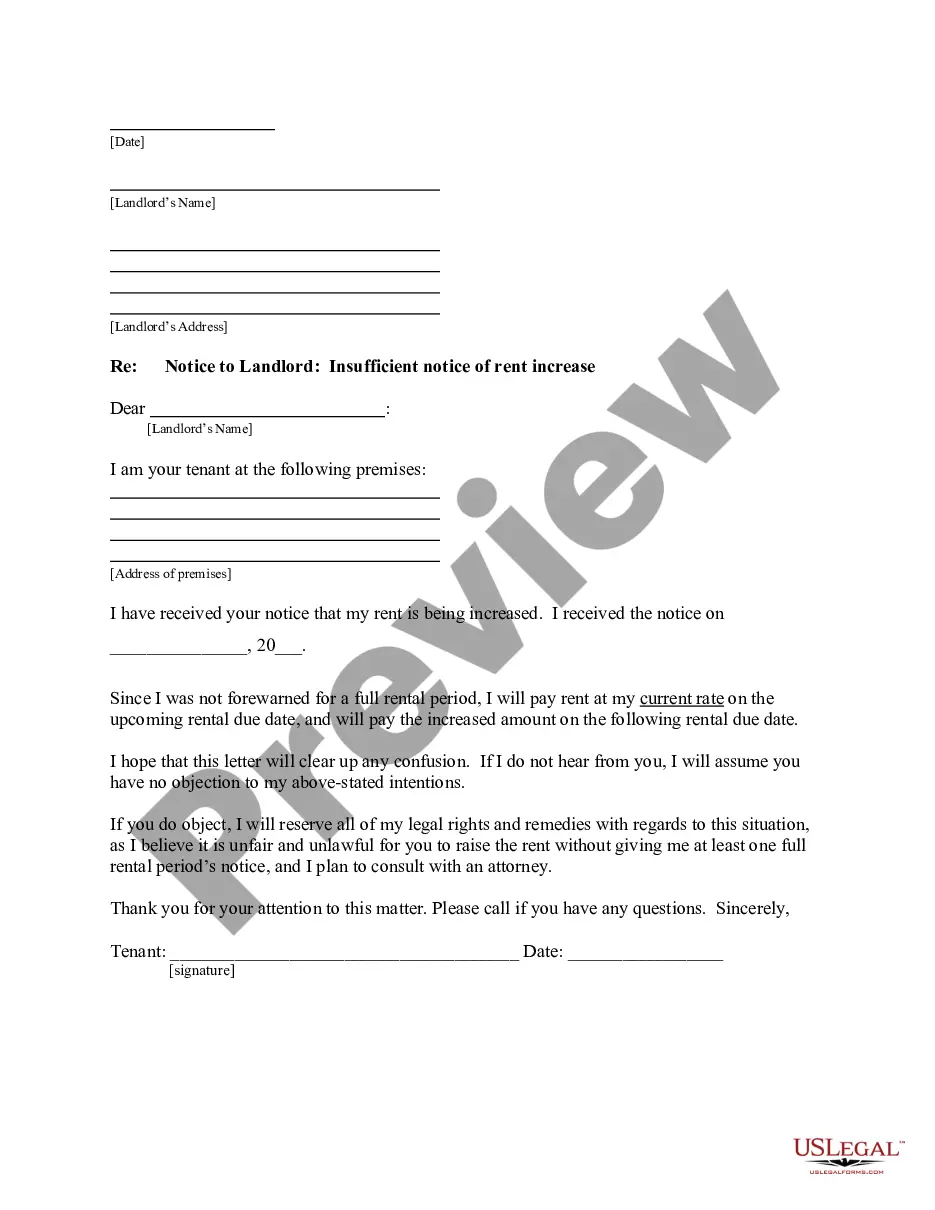
How to fill out Florida Letter From Tenant To Landlord About Insufficient Notice Of Rent Increase?
- Log into your US Legal Forms account. If you're a returning user, simply log in to download the necessary template.
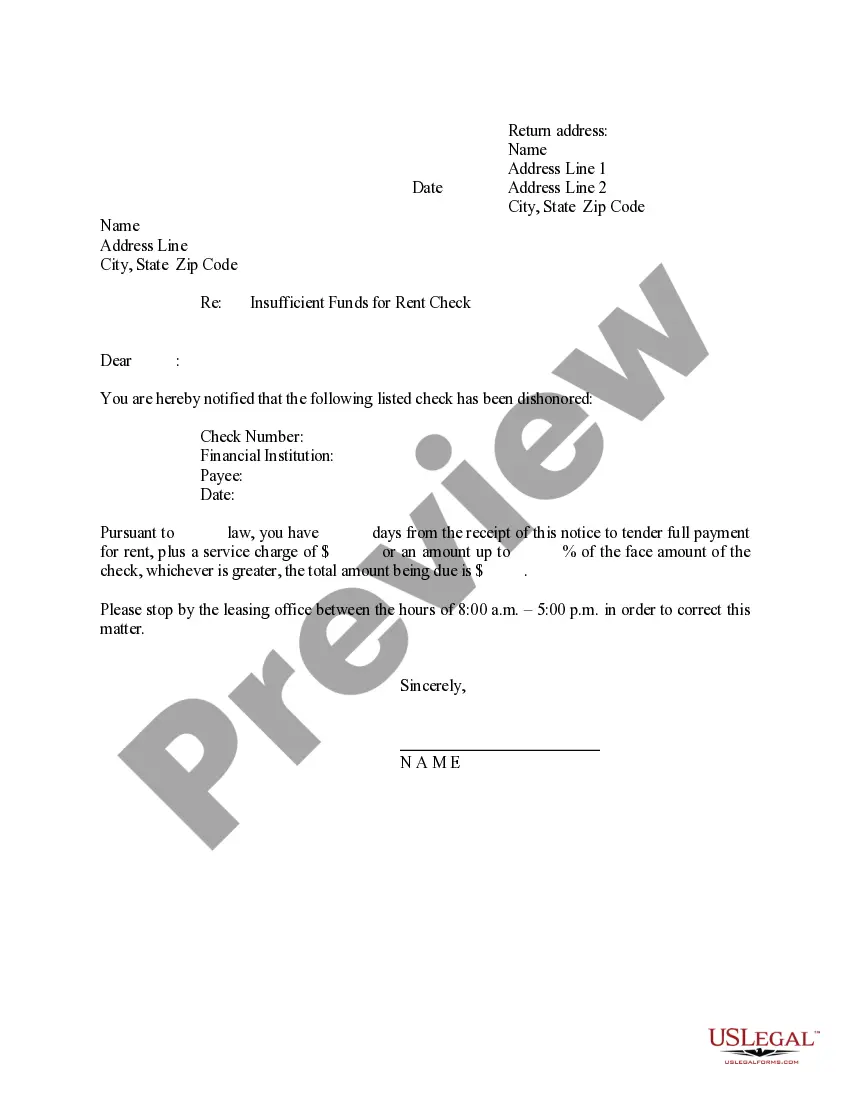
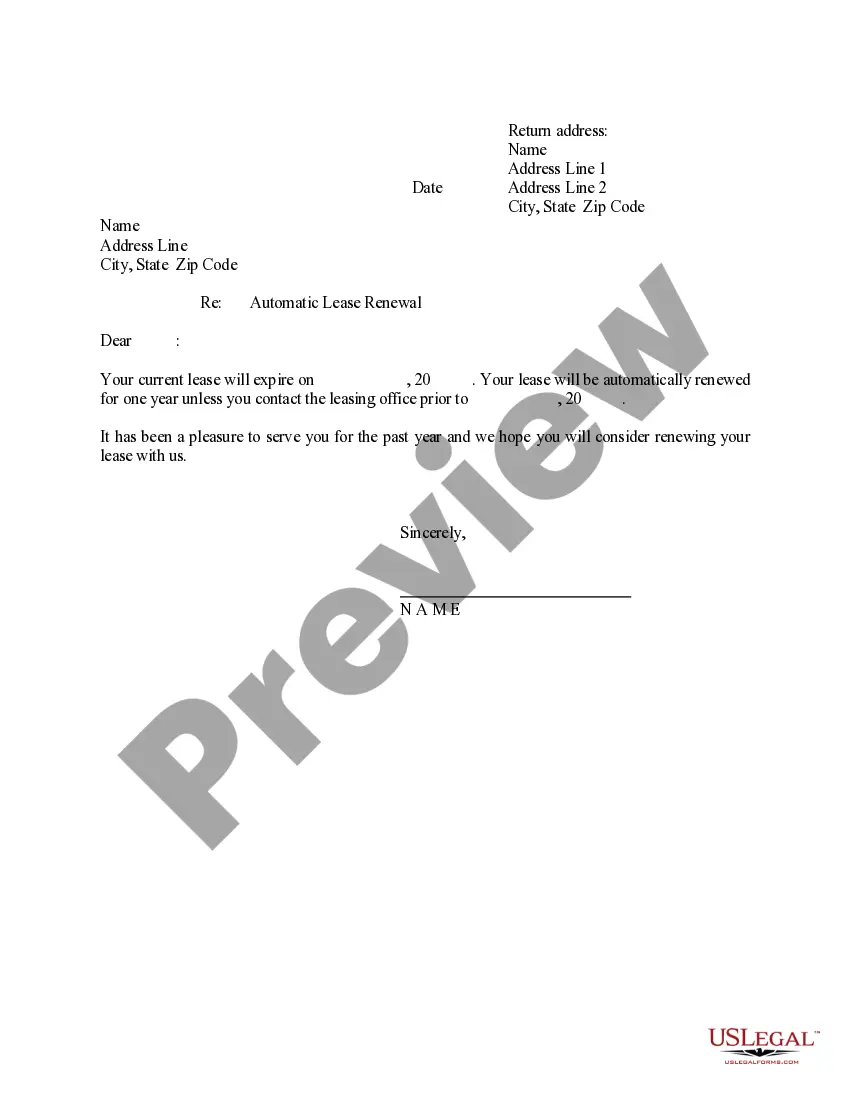
- Browse the extensive library. Use the Preview mode to check the description, ensuring the selected letter fits your jurisdiction's requirements.
- Search for additional templates if necessary. If you find any discrepancies, use the Search tab to locate the right document.
- Purchase the document. Click on 'Buy Now' and select your preferred subscription plan. Registration is required to access the resources.
- Complete the payment. Enter your credit card information or utilize your PayPal account to finalize your subscription.
- Download your form. Save the template to your device and access it anytime from the My Forms section of your account.
In conclusion, leveraging US Legal Forms for your rent increase letter simplifies the process, ensuring you stay compliant while saving time. By following these steps, you'll be well-equipped to communicate effectively with your tenants.
Start using US Legal Forms today to make your legal documentation easier!
Form popularity
FAQ
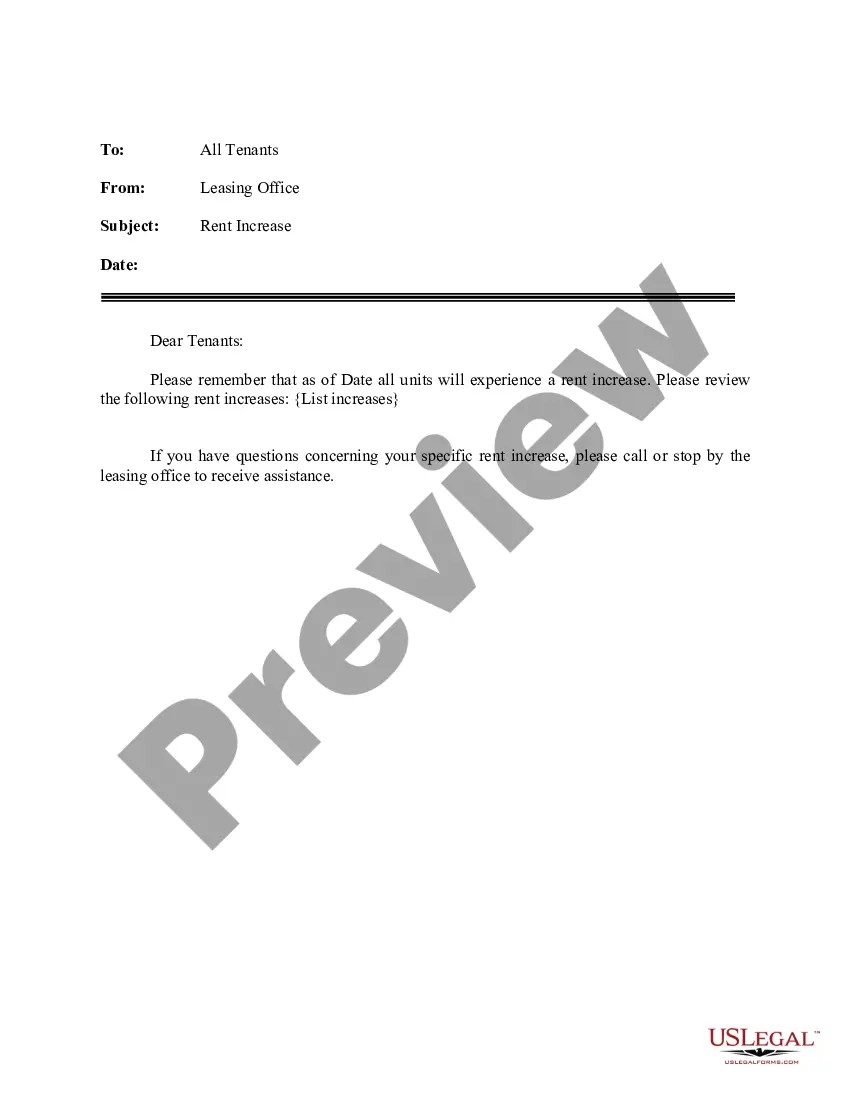
Begin with a polite introduction explaining the purpose of the letter. Specify the new rental amount and the effective date of the increase, ensuring that it aligns with lease terms and local laws. Clear communication helps to maintain a good relationship with tenants. To craft a professional document, you may opt for a rent increase letter for commercial property template available at US Legal Forms.
Start by clearly stating your intention to lease the property. Include important details such as the proposed rental amount, lease duration, and any specific terms you wish to negotiate. Make sure to express your interest in the property and your readiness to move forward with the leasing process. For assistance, consider using a rent increase letter for commercial property template from US Legal Forms, which can simplify your drafting.
In California, there are no statewide limits on how much a landlord can increase rent for a commercial property. This gives landlords significant flexibility, though they must also consider the local market and the terms of existing leases. When a landlord decides to increase rent, using a rent increase letter for commercial property is essential to ensure proper communication with tenants. Always ensure that your letter clearly states the new rental terms and reflects any lease agreements.
To calculate annual commercial rent, multiply the monthly rent by 12. Factors like lease terms and any additional charges should be considered to ensure accuracy. Understanding your rent calculation can empower both tenants and landlords to negotiate clearly and effectively when discussing potential increases through a rent increase letter for commercial property.
The average annual increase in commercial rent usually ranges from 3% to 6%, but this can differ based on location and economic conditions. Keeping track of market trends can help landlords and tenants set realistic expectations for future rent discussions. To navigate these increases, it may be helpful to consult resources or templates for drafting a rent increase letter for commercial property.
To write a commercial rent increase letter, start with your contact information and the tenant's details, followed by a clear statement regarding the rent increase. Include the amount, the effective date, and any reasons for the adjustment supported by market analysis. A formal letter sets the right tone and assures that both parties understand the changes being made.
A fair annual rent increase typically aligns with inflation rates and local market conditions, generally ranging from 2% to 5%. Both landlords and tenants should consider factors like property improvements and the overall economic climate. Agreeing on a fair increase can foster a positive landlord-tenant relationship, making communication essential in a rent increase letter for commercial property.
The maximum rent increase per year often depends on state or local laws, which can set specific percentage limits. Many jurisdictions cap increases at a certain percentage or require a specific notification period. It is crucial to consult local laws and include information in any rent increase letter for commercial property to ensure compliance and transparency.
When asking your landlord to reduce commercial rent, it is essential to approach the situation respectfully and with valid reasoning. Outline your reasons, such as changes in market rates or economic challenges you face. Supporting your request with data can strengthen your case, and consider following up with a rent increase letter for commercial property to document any agreements.
To write a notice letter for a rent increase, start by outlining the key details such as the current rent, the new proposed amount, and the effective date. Clearly reference any lease agreements or local regulations that support your decision. A well-structured letter not only maintains professionalism but also ensures that all parties are fully informed about the change.