Letter Rent Increase With Deposits
Description



Get your form ready online
Our built-in tools help you complete, sign, share, and store your documents in one place.
Make edits, fill in missing information, and update formatting in US Legal Forms—just like you would in MS Word.
Download a copy, print it, send it by email, or mail it via USPS—whatever works best for your next step.
Sign and collect signatures with our SignNow integration. Send to multiple recipients, set reminders, and more. Go Premium to unlock E-Sign.
If this form requires notarization, complete it online through a secure video call—no need to meet a notary in person or wait for an appointment.
We protect your documents and personal data by following strict security and privacy standards.

Make edits, fill in missing information, and update formatting in US Legal Forms—just like you would in MS Word.

Download a copy, print it, send it by email, or mail it via USPS—whatever works best for your next step.

Sign and collect signatures with our SignNow integration. Send to multiple recipients, set reminders, and more. Go Premium to unlock E-Sign.

If this form requires notarization, complete it online through a secure video call—no need to meet a notary in person or wait for an appointment.

We protect your documents and personal data by following strict security and privacy standards.
Looking for another form?





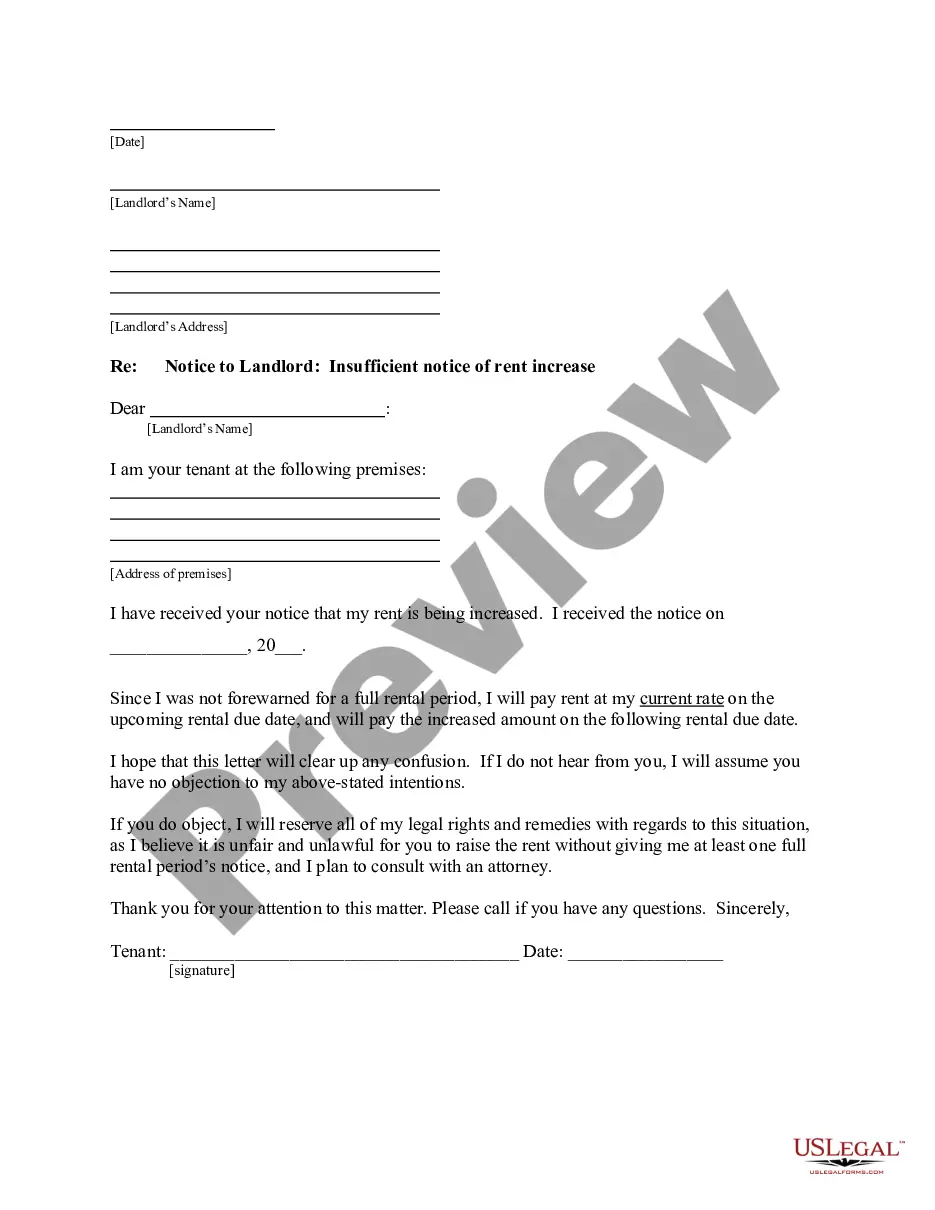
How to fill out Florida Letter From Tenant To Landlord About Insufficient Notice Of Rent Increase?
- If you're a returning user, log into your account and download the necessary form template by clicking the Download button, ensuring your subscription is active.
- For first-time users, start by reviewing the form preview and description to ensure it fits your local jurisdiction's guidelines.
- If the form isn't suitable, utilize the Search tab to explore additional templates until you find the right one.
- Click the Buy Now button, select your preferred subscription plan, and create an account to access the extensive library.
- Complete your purchase using your credit card or PayPal account for seamless transaction processing.
- Finally, download the form to save it to your device, making it accessible anytime via the My Forms section.
In conclusion, US Legal Forms helps you create legally sound documents efficiently, offering an extensive library that simplifies the process. Explore your options today and ensure your legal paperwork is handled professionally.
Ready to get started? Visit US Legal Forms now to access a wealth of legal resources.
Form popularity
FAQ
When informing tenants about a rent increase, a respectful tone sets the right atmosphere. Begin the Letter rent increase with deposits by expressing appreciation for their tenancy. Clearly state the new rent amount and the reason for the increase to maintain transparency. Additionally, remind them of any benefits or improvements that justify the change, fostering understanding and goodwill.
When drafting a Letter rent increase with deposits, clarity is essential. Start by stating the current rent amount, followed by the new rate, and the effective date of the change. It's a good practice to include a brief reason for the increase, such as rising maintenance costs or improvements made to the property. Lastly, ensure you provide contact information for any questions or concerns.
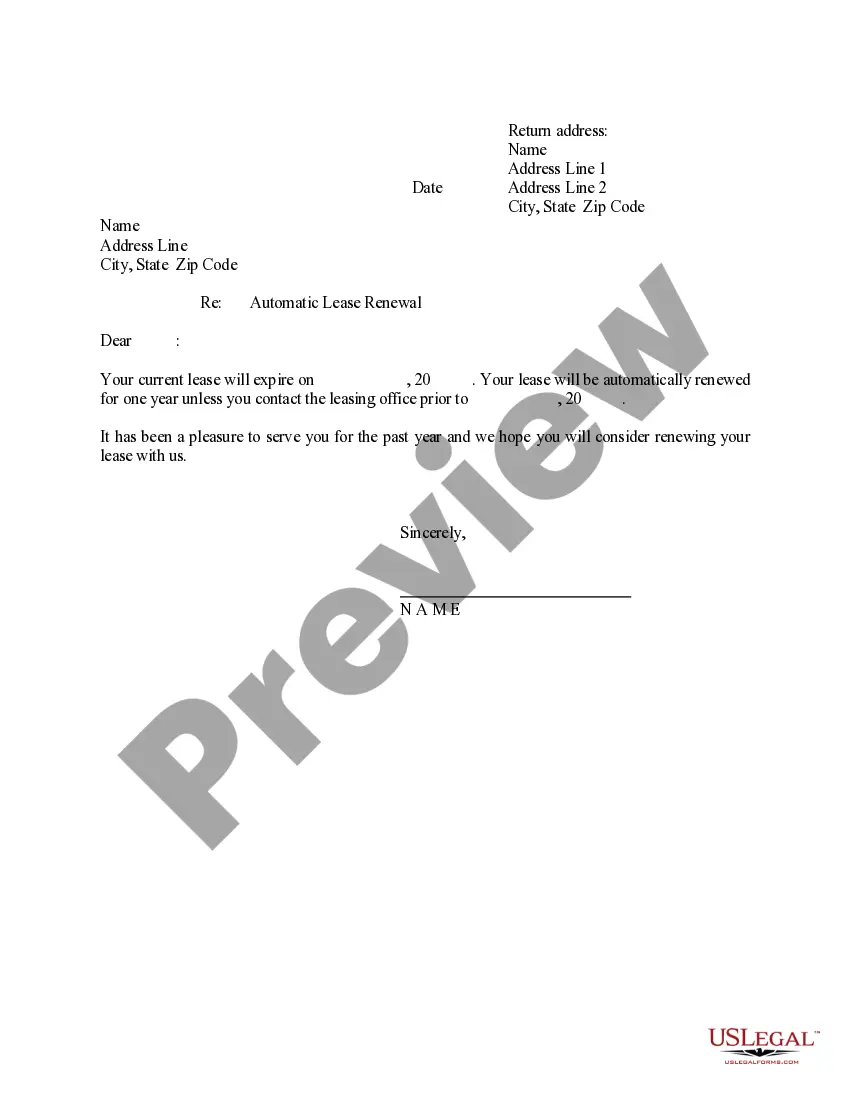
Mailing a rent increase notice involves preparing a formal letter that outlines the new rent terms and clearly states when the increase takes effect. It’s best to use certified mail or another trackable service to confirm delivery to your tenant. Ensure your letter adheres to local regulations regarding notification periods. For templates and guidance, you might find our service on letter rent increase with deposits particularly useful.
To write a letter to increase your rental, start by clearly stating your intention to request a rent increase. Include specific details such as the new rental amount and the effective date of the increase. It's important to be professional and provide justifications for the increase, like property enhancements or current market analysis. Our resources on drafting a letter rent increase with deposits can help you create a well-structured letter.
In New Jersey, a landlord can raise your rent, but the amount is regulated depending on various factors such as the type of rental property and municipality rules. A $300 increase might be excessive unless justified by significant property improvements or changes in market rates. To determine the legality of this increase, review your lease and local laws. Consider utilizing our platform to draft a letter rent increase with deposits if you plan to discuss this with your landlord.
The maximum a landlord can increase rent often depends on state laws and local regulations. In many areas, there are limits to how much rent can rise within a certain timeframe. You should carefully read your lease agreement, as it may also include specific provisions regarding rent increases. If you're unsure, consulting resources on letter rent increase with deposits may provide clarity.
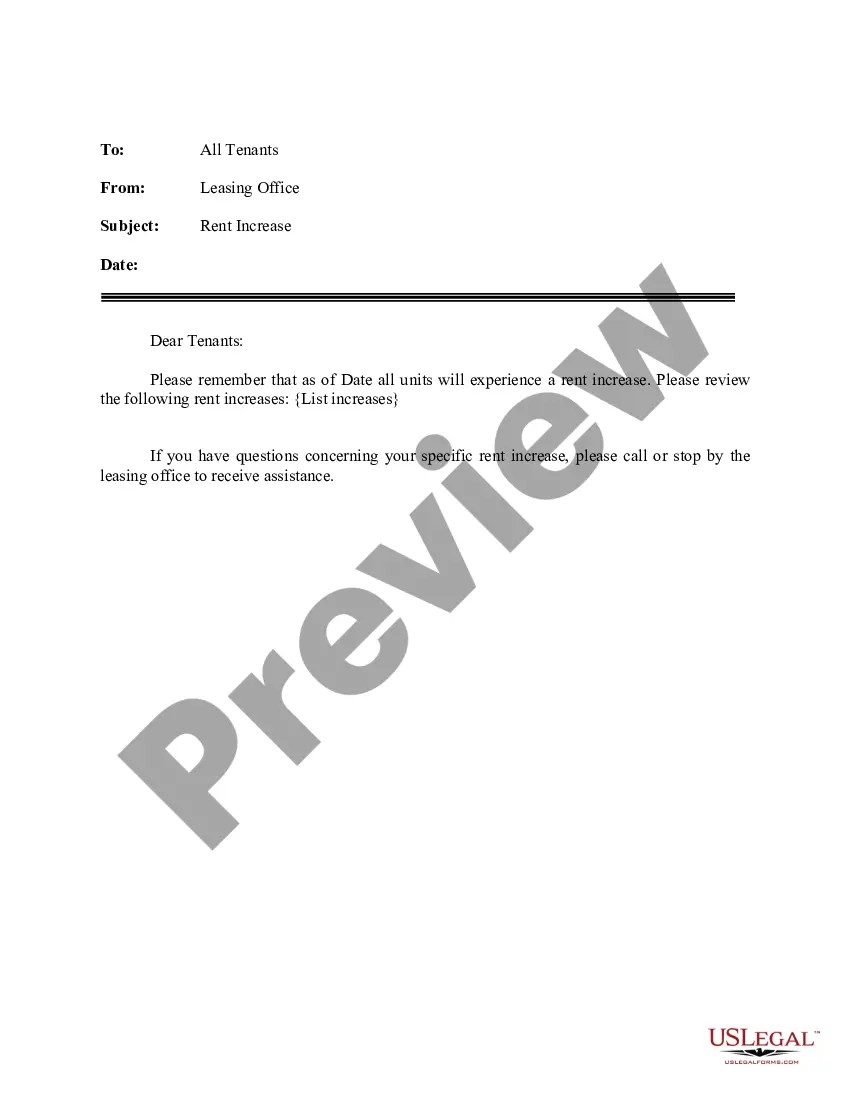
To inform a tenant about a rent increase, consider drafting a sample letter that states the increase clearly. Begin with a polite greeting, then specify the new rent amount, effective date, and the rationale behind the decision, including details about deposits. This approach not only clarifies the situation but also respects the tenant's position, making the transition smoother.
When informing a tenant about a rent increase, it's essential to communicate clearly and respectfully. Start by explaining the reason for the increase, whether it's due to rising costs or property improvements. By emphasizing the value they receive, including any changes to deposits, you help maintain a positive tenant relationship.
The maximum amount you can raise someone's rent often depends on local rent control laws. Generally, you should research these regulations before deciding on a specific increase. Additionally, consider the current market trends and the condition of the property to determine a fair rent adjustment that accommodates both you and your tenant.
To write a letter about increasing rent, start with a clear statement that outlines the new rent amount and its effective date. Include relevant details like the reason for the increase and any adjustments to deposits. This transparency fosters trust between you and your tenants, enhancing your relationship while you address sensitive changes in rental payments.