Quiet Enjoyment Letter Without Landlord
Description
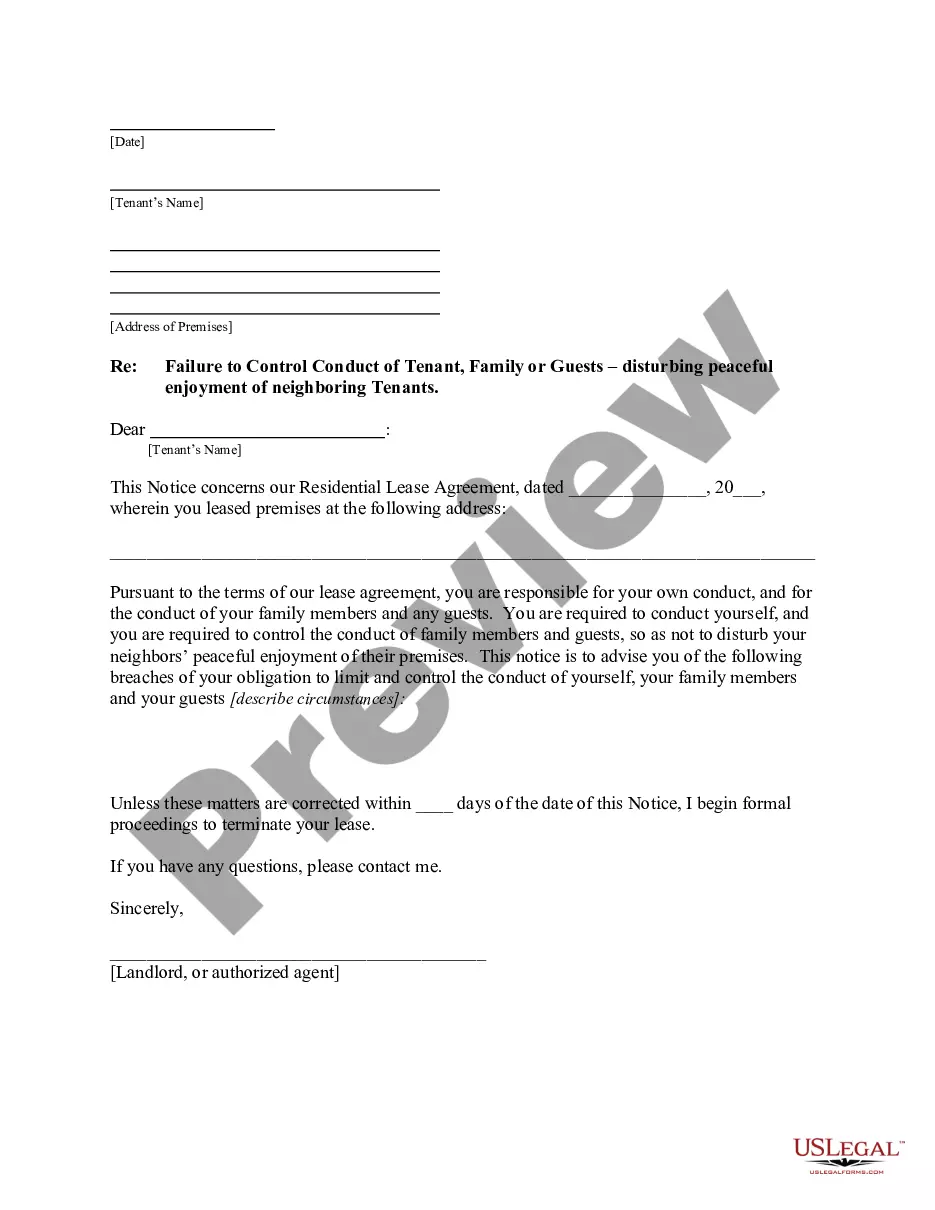
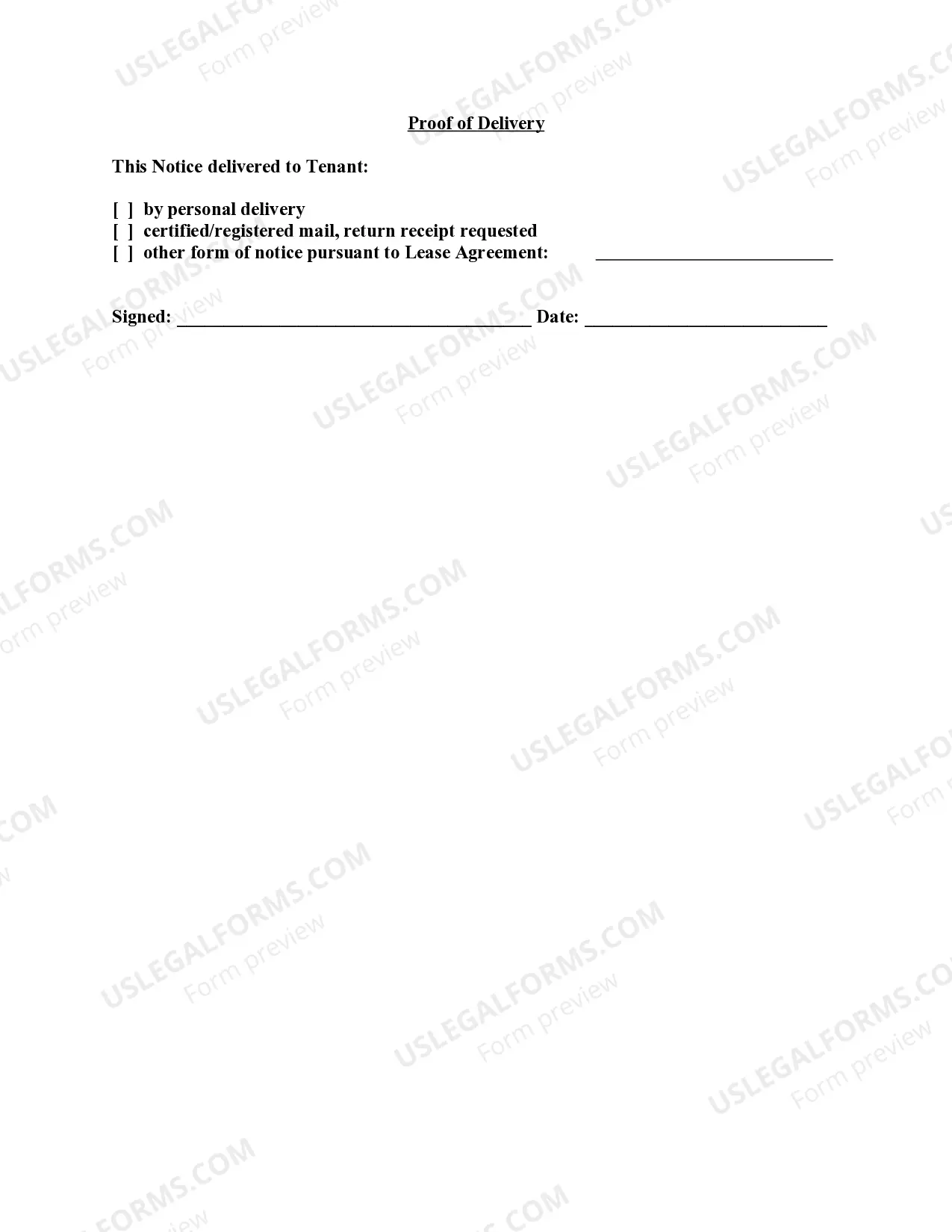
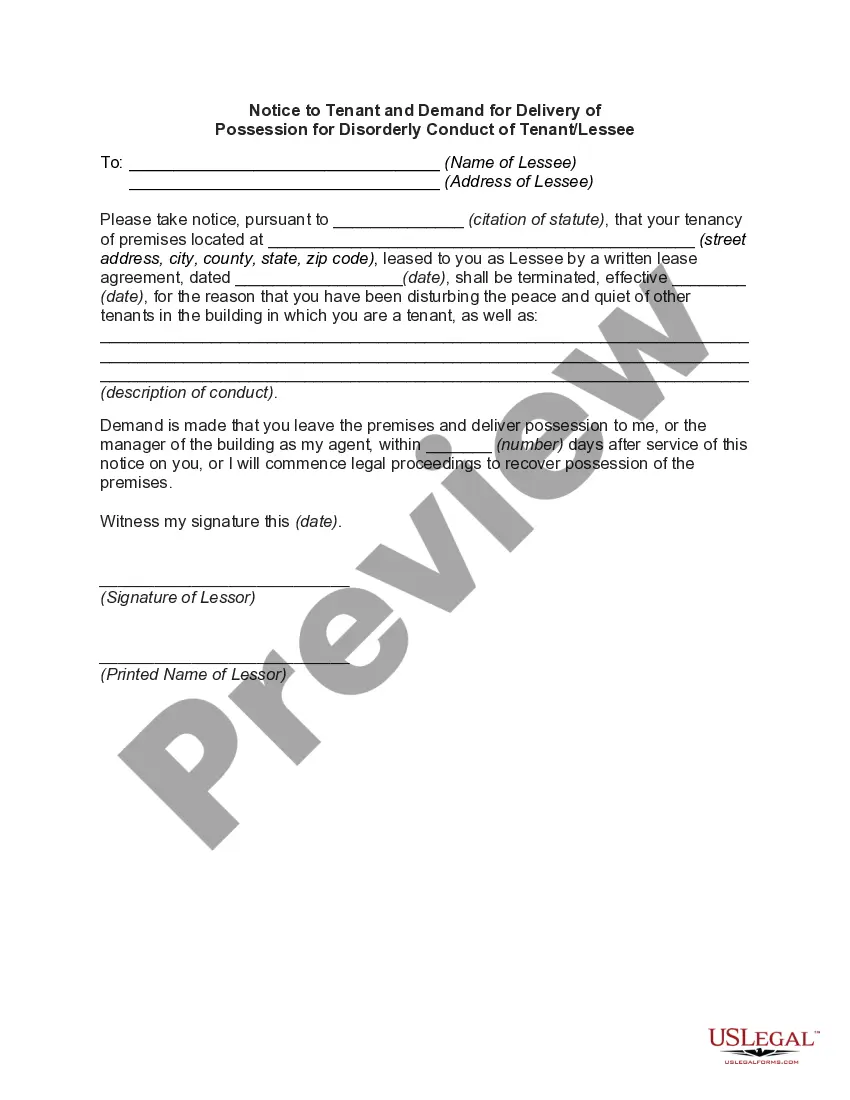


Get your form ready online
Our built-in tools help you complete, sign, share, and store your documents in one place.
Make edits, fill in missing information, and update formatting in US Legal Forms—just like you would in MS Word.
Download a copy, print it, send it by email, or mail it via USPS—whatever works best for your next step.
Sign and collect signatures with our SignNow integration. Send to multiple recipients, set reminders, and more. Go Premium to unlock E-Sign.
If this form requires notarization, complete it online through a secure video call—no need to meet a notary in person or wait for an appointment.
We protect your documents and personal data by following strict security and privacy standards.

Make edits, fill in missing information, and update formatting in US Legal Forms—just like you would in MS Word.

Download a copy, print it, send it by email, or mail it via USPS—whatever works best for your next step.

Sign and collect signatures with our SignNow integration. Send to multiple recipients, set reminders, and more. Go Premium to unlock E-Sign.

If this form requires notarization, complete it online through a secure video call—no need to meet a notary in person or wait for an appointment.

We protect your documents and personal data by following strict security and privacy standards.
Looking for another form?









Form popularity
FAQ
Writing a warning letter to a tenant involves clearly outlining the issue and referencing any relevant lease terms. Start with specifics about the behavior causing concern, and then invite the tenant to take corrective action. Utilizing a quiet enjoyment letter without landlord involvement can provide an avenue for expressing expectations while maintaining a respectful tone.
A breach of the right of quiet enjoyment often occurs when a landlord fails to address noise complaints or allows disruptive behavior on the property. Other examples include entering the rental space without notice or failing to rectify significant maintenance issues. Understanding these breaches can empower you to take appropriate action.
The right to quiet enjoyment law in California protects tenants from disturbances that hinder their use and enjoyment of their rental property. This legal right allows you to live without undue interference from landlords or neighbors. Understanding this law helps you assert your rights confidently when issues arise.
In California, tenant nuisances include excessive noise, disruptive behavior, or activities that disturb the peace of others in the property. These actions violate your right to quiet enjoyment. If you experience a nuisance, it’s essential to document the incidents and communicate with your landlord effectively.
Quiet enjoyment of the leased premises ensures that you have the right to use and enjoy your rental space without disturbances. It protects you from interference by landlords or other tenants. This right is essential for creating a comfortable living environment, contributing to your overall satisfaction with the property.
To write an effective complaint letter about noise, start by detailing the nature and frequency of the disturbance. Include specific dates and times to illustrate the issue clearly. You can use a quiet enjoyment letter without landlord involvement to formally address these complaints while maintaining a clear and professional tone.
Quiet enjoyment hours in New York City generally align with local noise ordinances, often observed between 10 PM and 7 AM during weekdays. This guideline helps ensure residents can enjoy their homes peacefully. If this time is disrupted, a quiet enjoyment letter without landlord interference can serve as documentation of the disturbance.
In California, a breach of quiet enjoyment can happen if a landlord fails to provide timely repairs or allows third parties to disturb a tenant’s peace. Actions like unauthorized entry or harassment also qualify as breaches. If your quiet enjoyment is limited, consider drafting a quiet enjoyment letter without landlord participation to assert your rights.
A breach of quiet enjoyment occurs when a landlord substantially disrupts a tenant's right to use and enjoy their rental unit. Common examples include excessive noise, harassment, or failure to provide basic services. If you feel your quiet enjoyment is compromised, writing a quiet enjoyment letter without landlord involvement can formally address the situation.
The most frequent action that landlords take is issuing a formal eviction notice for nonpayment of rent or lease violations. This action often follows attempts to resolve the issues directly with the tenant. If you are experiencing this situation, a quiet enjoyment letter without landlord pressure might help you address grievances effectively.
