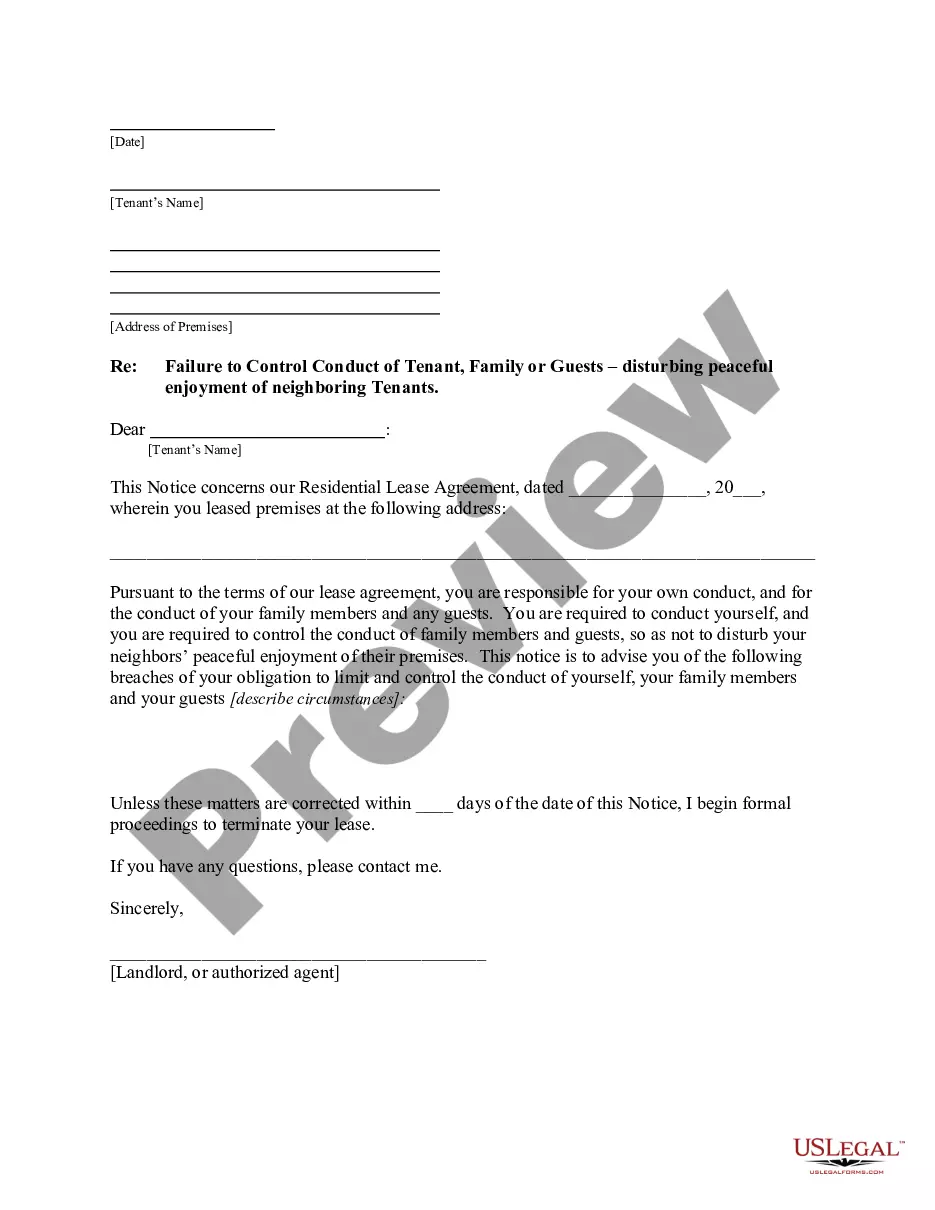
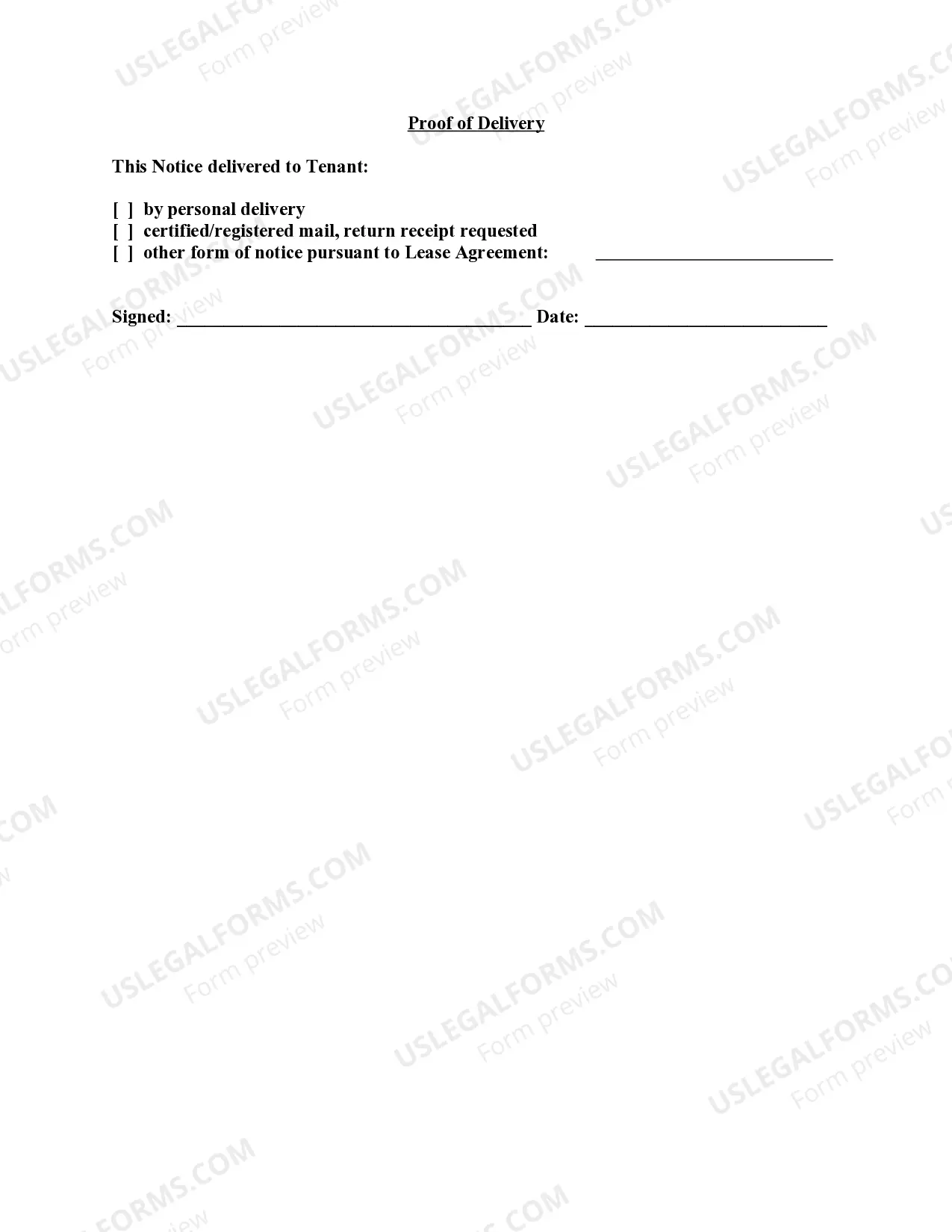
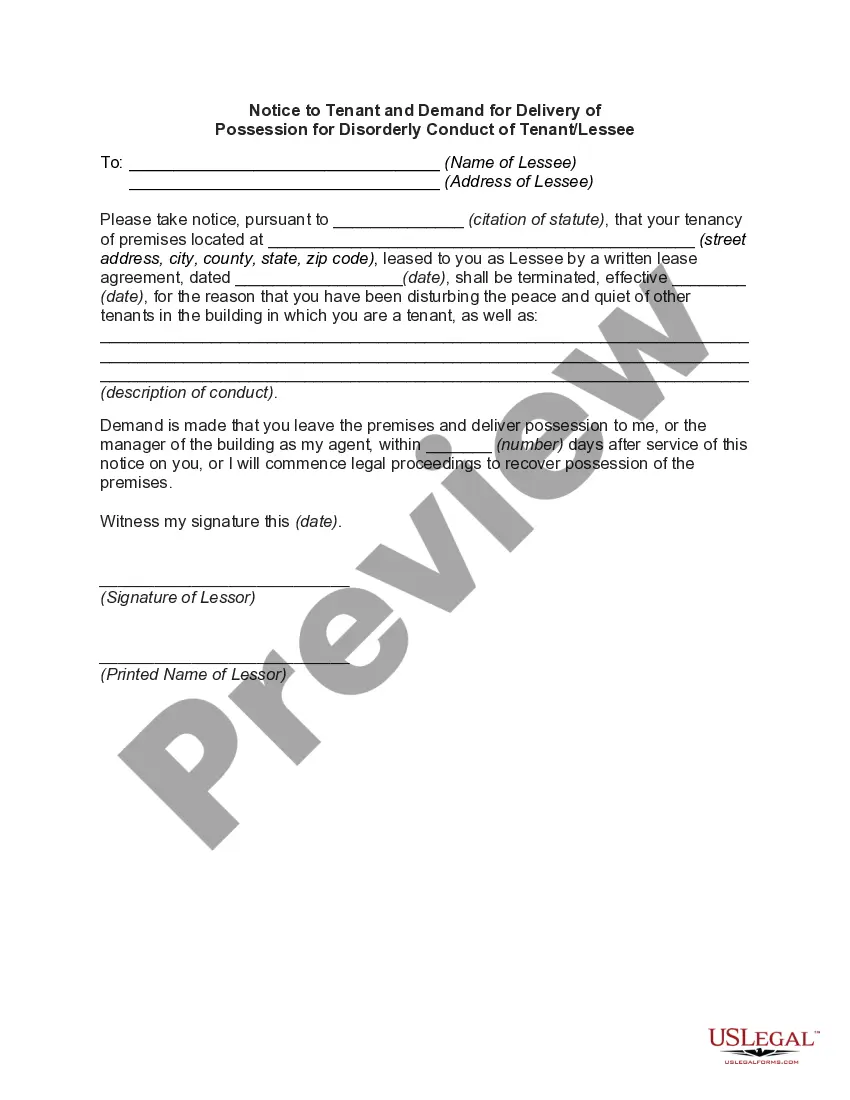
Quiet Enjoyment Letter For Tenant
Description


Get your form ready online
Our built-in tools help you complete, sign, share, and store your documents in one place.
Make edits, fill in missing information, and update formatting in US Legal Forms—just like you would in MS Word.
Download a copy, print it, send it by email, or mail it via USPS—whatever works best for your next step.
Sign and collect signatures with our SignNow integration. Send to multiple recipients, set reminders, and more. Go Premium to unlock E-Sign.
If this form requires notarization, complete it online through a secure video call—no need to meet a notary in person or wait for an appointment.
We protect your documents and personal data by following strict security and privacy standards.

Make edits, fill in missing information, and update formatting in US Legal Forms—just like you would in MS Word.

Download a copy, print it, send it by email, or mail it via USPS—whatever works best for your next step.

Sign and collect signatures with our SignNow integration. Send to multiple recipients, set reminders, and more. Go Premium to unlock E-Sign.

If this form requires notarization, complete it online through a secure video call—no need to meet a notary in person or wait for an appointment.

We protect your documents and personal data by following strict security and privacy standards.
Looking for another form?




Form popularity
FAQ
As a landlord, addressing a noise complaint starts with listening to the tenant's concerns. Acknowledge the issue and show your willingness to maintain a peaceful environment. You may opt to speak directly with the tenant causing the noise, reminding them of their obligations under the lease agreement. If the complaints persist, consider providing a formal quiet enjoyment letter for tenant, outlining expectations and potential consequences for continued disturbances.
Yes, a tenant may face eviction due to consistent noise complaints, especially if such disturbances violate the lease agreement. Landlords have the right to uphold the terms of a lease concerning quiet enjoyment. However, it is crucial for landlords to follow proper legal procedures before taking any action. It may be beneficial to educate tenants about their rights and obligations, potentially utilizing a quiet enjoyment letter for tenant to clarify expectations.
Writing a friendly noise complaint letter involves a calm and polite tone while addressing the issue with your neighbor or landlord. Start by expressing your understanding, then explain how the noise affects your enjoyment of the property. It's essential to propose a friendly conversation or potential solutions, keeping your appeal amicable. This approach might lead to a more productive outcome, and if needed, you could follow up with a quiet enjoyment letter for tenant to formalize your concerns.
To write a strongly worded letter of complaint to your landlord, clearly state your issues regarding your right to quiet enjoyment. Begin with a concise and direct introduction, and then outline specific incidents where your peace has been disturbed. Make sure to refer to the lease terms that support your claim, emphasizing the importance of maintaining a respectful living environment. You might also mention your intention to send a formal quiet enjoyment letter for tenant if the issue remains unresolved.
In legal terms, quiet enjoyment refers to a tenant's right to use and enjoy their rented space without interference. This fundamental principle protects tenants from disruptions and establishes their entitlement to a peaceful living environment. Violations of this right can lead to legal issues for landlords. Understanding these concepts is essential for both tenants and landlords, and accessing resources like uslegalforms can help in navigating these legal matters effectively.
A covenant of quiet enjoyment letter is a formal communication addressed to a landlord. It asserts the tenant's right to live without unreasonable disturbances in their rented property. This letter can remind landlords of their obligation to maintain a peaceful environment, reinforcing the tenant's legal rights. Utilizing a quiet enjoyment letter for tenant can strengthen your position in case of disputes regarding noise or other disruptions.
Writing a noise complaint letter to a tenant involves clearly stating the issues related to disturbances and their impact on others. Start by specifying the nature of the noise and the times it occurs, so that the tenant understands the problem. Additionally, emphasize the importance of quiet enjoyment, reminding them of their obligations under the rental agreement. If you need assistance drafting this letter, the uslegalforms platform can provide templates to simplify the process.
A quiet enjoyment letter serves as a formal notice to ensure that tenants can live in their rented space without disturbances or interference. This letter highlights the tenant's right to peace and privacy in their home, reminding landlords of their responsibilities. It typically outlines what constitutes a violation of this right, helping tenants assert their legal protections. When dealing with issues related to peace and comfort, a quiet enjoyment letter for tenant can be an important tool.
When writing a noise complaint letter to a tenant, be clear and concise about the issue. Begin by stating the purpose of your letter, followed by specific instances of noise disturbances. Aim to maintain a respectful tone and reference any relevant lease clauses regarding noise. To ensure clarity and cover your bases, a quiet enjoyment letter for tenant can serve as a formal document to address these issues professionally and effectively.
To address noise issues with your tenant, start with a friendly conversation discussing your concerns. If informal talks do not yield results, consider writing a polite letter outlining your expectations for noise levels and referring to the lease agreement. It's important to maintain open communication to resolve the issue amicably. A well-crafted quiet enjoyment letter for tenant can provide a formal yet friendly touch to remind them of their obligations.