Tenant Landlord Rent With A Lease
Description
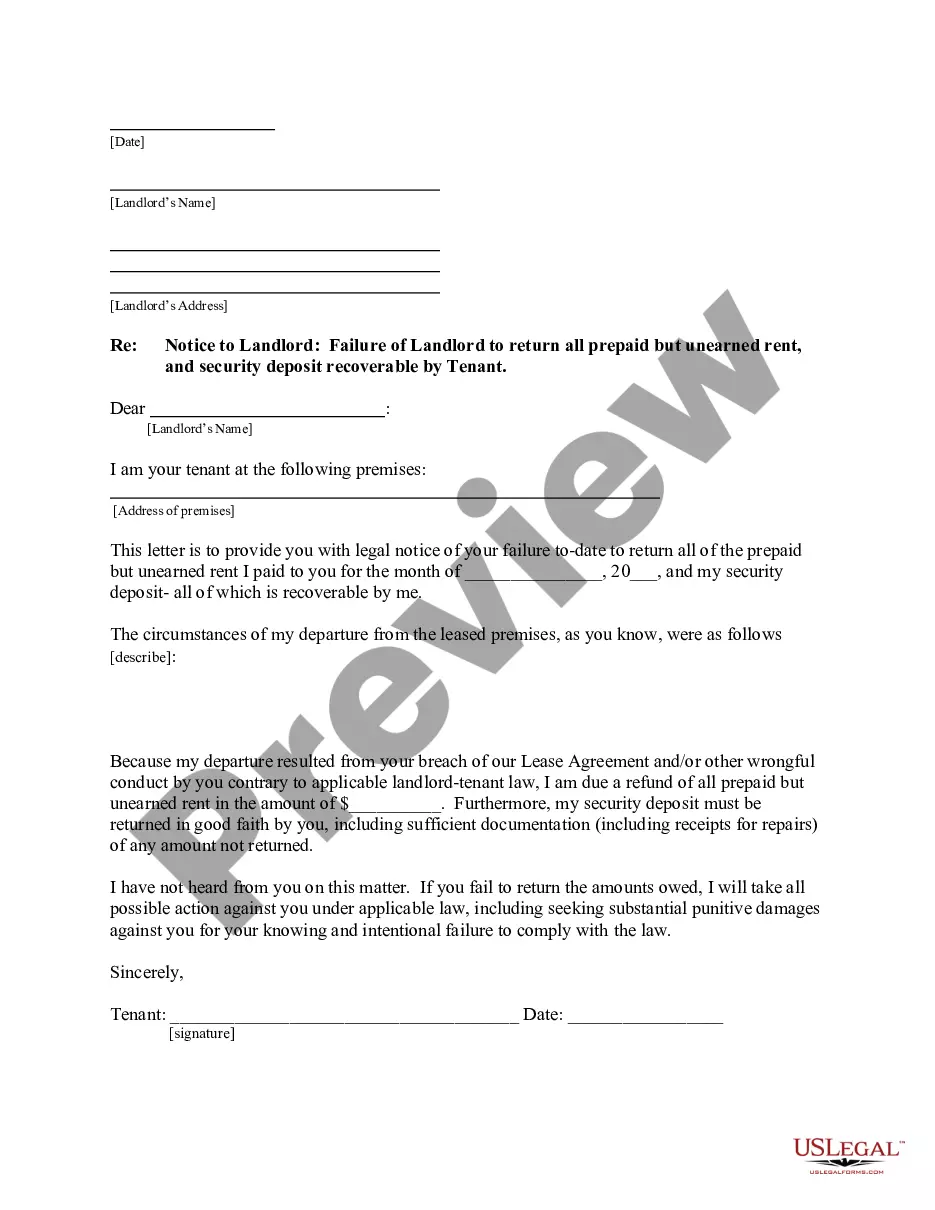



Get your form ready online
Our built-in tools help you complete, sign, share, and store your documents in one place.
Make edits, fill in missing information, and update formatting in US Legal Forms—just like you would in MS Word.
Download a copy, print it, send it by email, or mail it via USPS—whatever works best for your next step.
Sign and collect signatures with our SignNow integration. Send to multiple recipients, set reminders, and more. Go Premium to unlock E-Sign.
If this form requires notarization, complete it online through a secure video call—no need to meet a notary in person or wait for an appointment.
We protect your documents and personal data by following strict security and privacy standards.

Make edits, fill in missing information, and update formatting in US Legal Forms—just like you would in MS Word.

Download a copy, print it, send it by email, or mail it via USPS—whatever works best for your next step.

Sign and collect signatures with our SignNow integration. Send to multiple recipients, set reminders, and more. Go Premium to unlock E-Sign.

If this form requires notarization, complete it online through a secure video call—no need to meet a notary in person or wait for an appointment.

We protect your documents and personal data by following strict security and privacy standards.
Looking for another form?
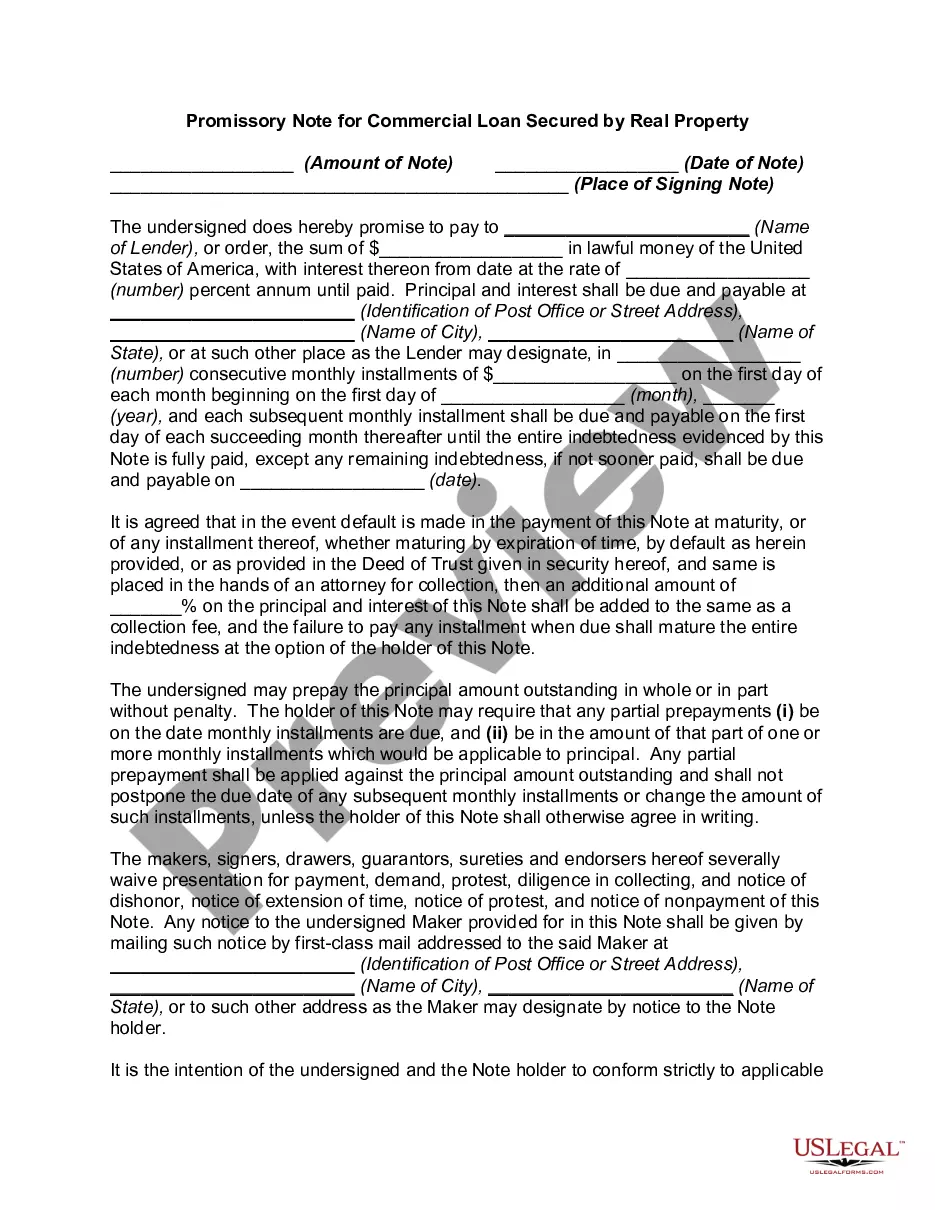
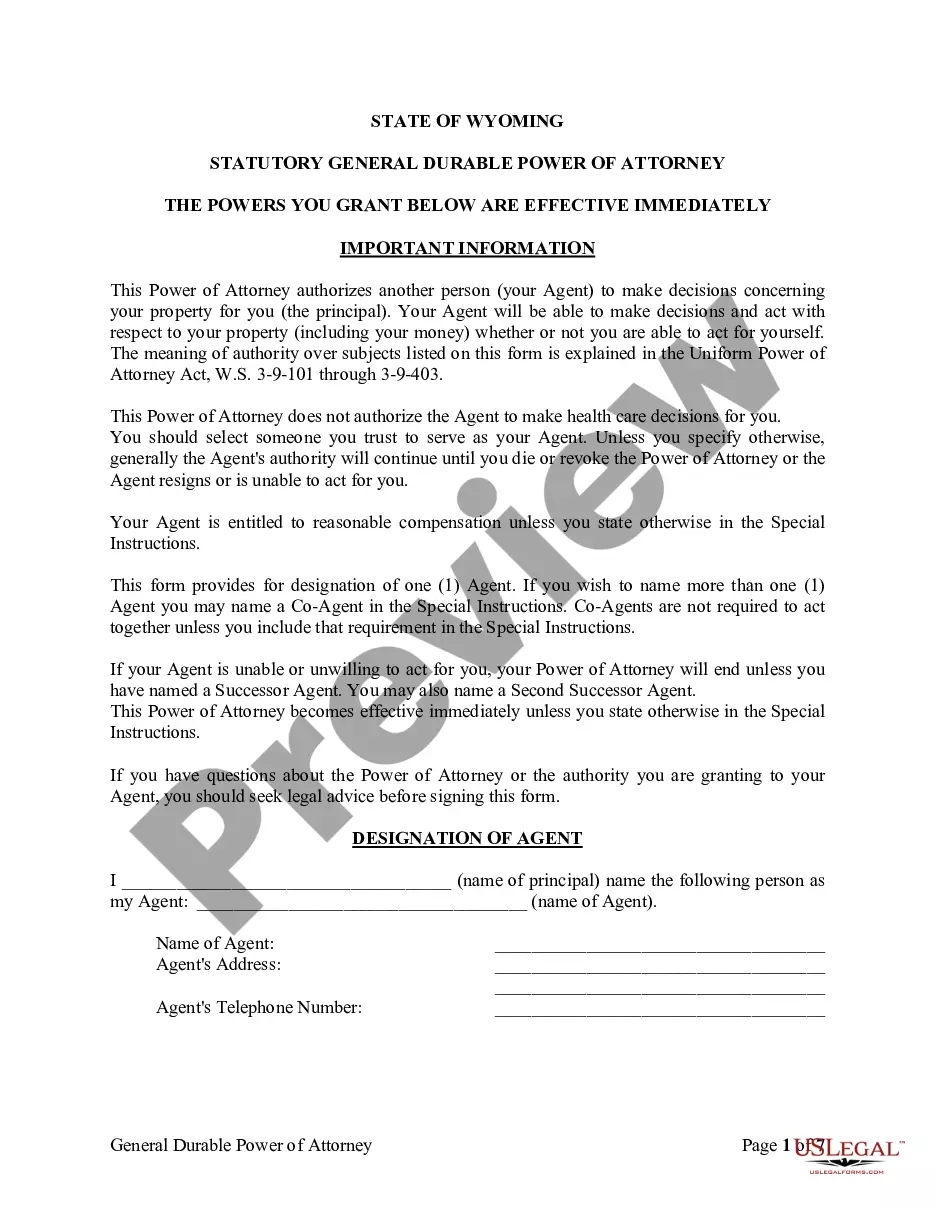
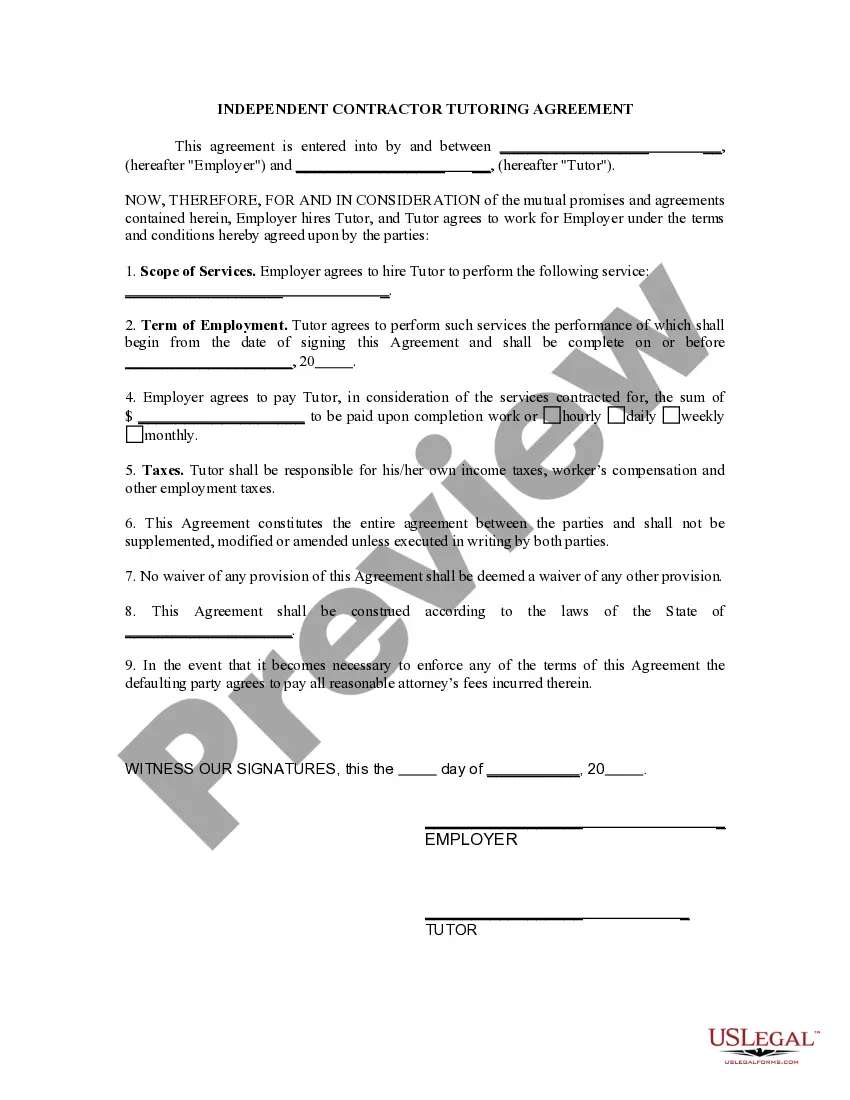



How to fill out Florida Letter From Tenant To Landlord For Failure Of Landlord To Return All Prepaid And Unearned Rent And Security Recoverable By Tenant?
- If you are a returning user, simply log in to your account. Check that your subscription is active and download the lease template you need.
- For new users, start by reviewing the Preview mode and description of available forms. Confirm that the chosen lease aligns with your local jurisdiction and needs.
- If the selected document isn't suitable, utilize the Search function to find additional relevant templates.
- Once you locate the correct lease form, click the Buy Now button and select your preferred subscription plan, ensuring you create an account for library access.
- Finalize your purchase by entering credit card information or using your PayPal account to complete the transaction.
- Download the completed lease form to your device for easy access and fill it out as required. You can revisit and manage your documents anytime through the My Forms section of your profile.
US Legal Forms empowers users to efficiently handle legal document needs with its vast collection of forms and resources.
Don’t hesitate to explore your options — start today and ensure your legal documentation is both precise and reliable!
Form popularity
FAQ
A lease that balances flexibility and security often benefits a landlord most effectively. For example, a long-term lease may provide stable income, while adding an option for rent increases can maximize profitability over time. Additionally, including clauses that protect the landlord’s interests can enhance overall success. Utilizing platforms like uslegalforms can ensure that you draft a strong lease agreement tailored to maximize your benefits as a landlord.
The most popular type of lease is the fixed-term lease, commonly lasting from six months to a year. This lease type offers stability for both tenants and landlords, as it locks in terms during the agreed period. Landlords often appreciate predictable income, while tenants value the certainty of housing security. Choosing the right lease structure can significantly affect the tenant landlord rent with a lease relationship.
The best lease for a landlord often depends on their specific goals and the rental market. A fixed-term lease typically provides more security for landlords, ensuring consistent rent collection over the lease duration. They may also consider month-to-month leases if they seek flexibility. Using a well-structured lease agreement helps set clear expectations for both parties.
Many landlords prefer longer leases because they offer stability and a guaranteed rent income for an extended period. Longer leases also reduce turnover costs and minimize the effort involved in finding new tenants. However, preferences can vary based on individual landlord strategies. A clearly defined lease can improve tenant security and landlord peace of mind.
In New York, a tenant cannot stay indefinitely without paying rent. Typically, landlords can start eviction proceedings after a tenant misses just one month’s rent. The process can take several months, so it’s advisable for tenants to address payment issues promptly. For both tenants and landlords, understanding lease terms is essential to navigating these situations effectively.
In Ohio, a landlord cannot illegally evict a tenant, discriminate based on race or other protected statuses, or interfere with a tenant's right to quiet enjoyment of the property. Understanding these prohibitions is vital to ensuring compliance in tenant landlord rent with a lease. For more assistance, platforms like USLegalForms can provide relevant resources.
To add a tenant to an existing lease, you typically need the original landlord's consent and may require a lease amendment. This document should outline the new tenant's rights and responsibilities. Properly managing these changes is part of a successful tenant landlord rent with a lease.
Landlords in Ohio are required to address issues that affect the safety and habitability of the property, such as plumbing, heating, and electrical problems. They must also handle pest infestations and structural repairs as necessary. Knowing these responsibilities supports a healthy tenant landlord rent with a lease.
In Ohio, a tenant can refuse entry to a landlord if the landlord does not provide reasonable notice or if the entry is not a legal necessity, such as for repairs. However, tenants must allow entry in emergencies or as agreed upon in the lease. This balance is vital for maintaining a positive tenant landlord rent with a lease.
Landlord harassment in Ohio includes actions such as frequent unannounced visits, threatening eviction without cause, or cutting off utilities to pressure a tenant. These behaviors violate tenant rights and can lead to legal issues. Understanding these points is crucial for both parties in a tenant landlord rent with a lease.