Florida Personal Representative Form With 2 Points
Description
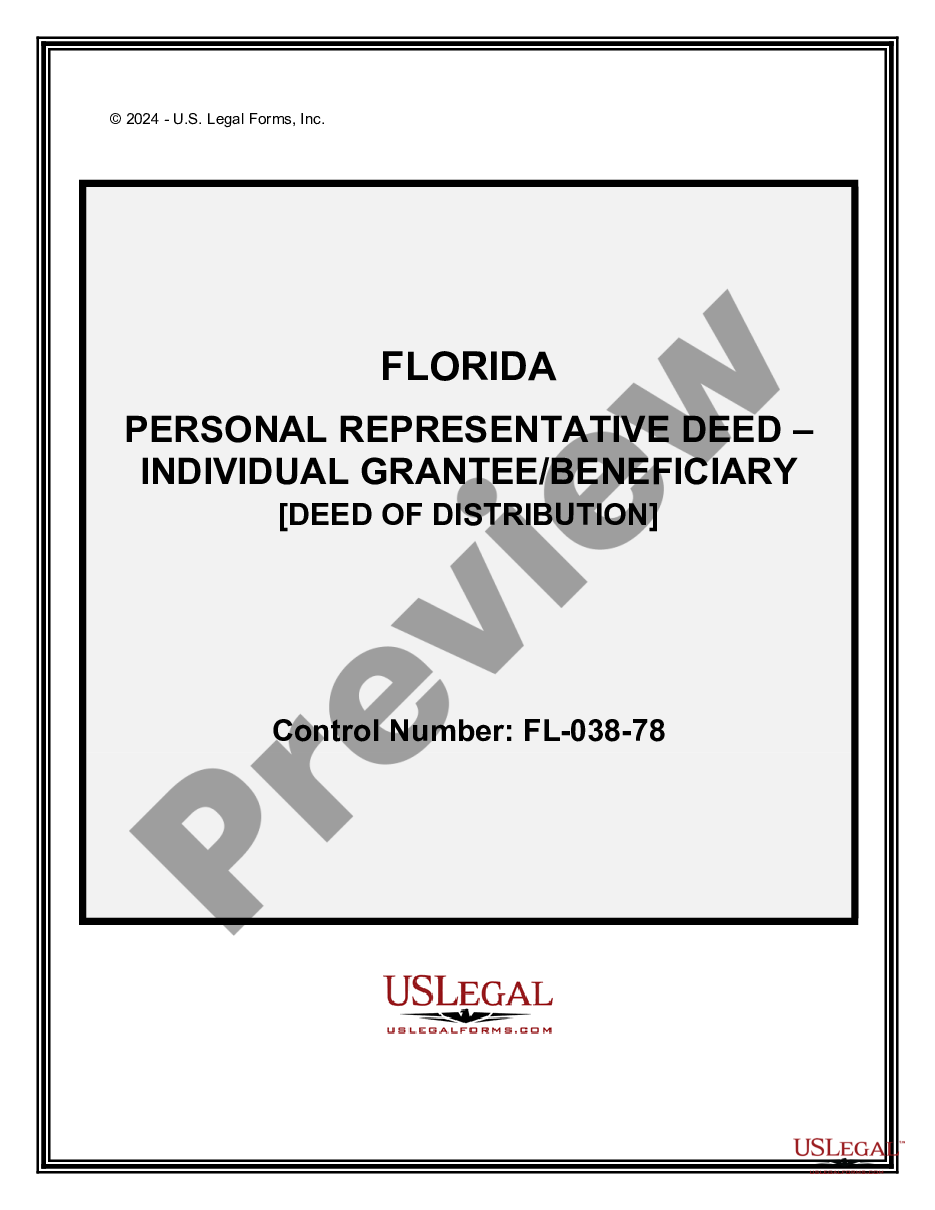
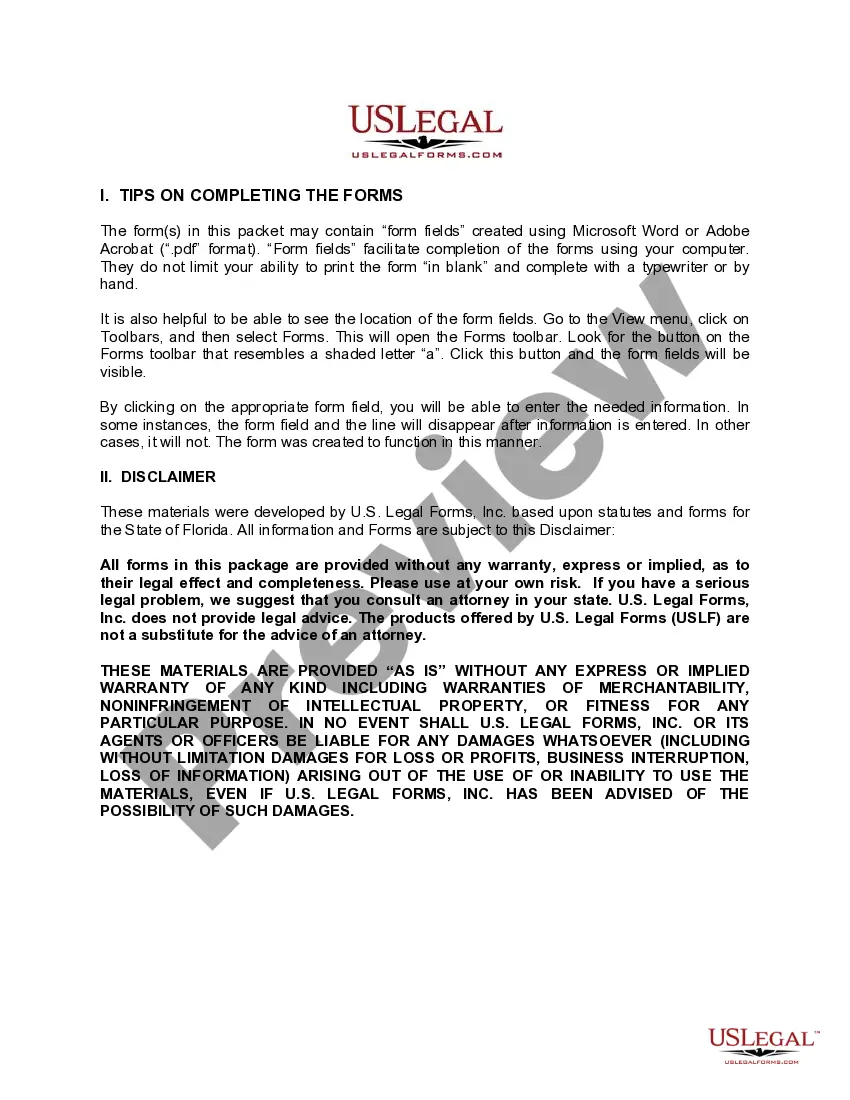
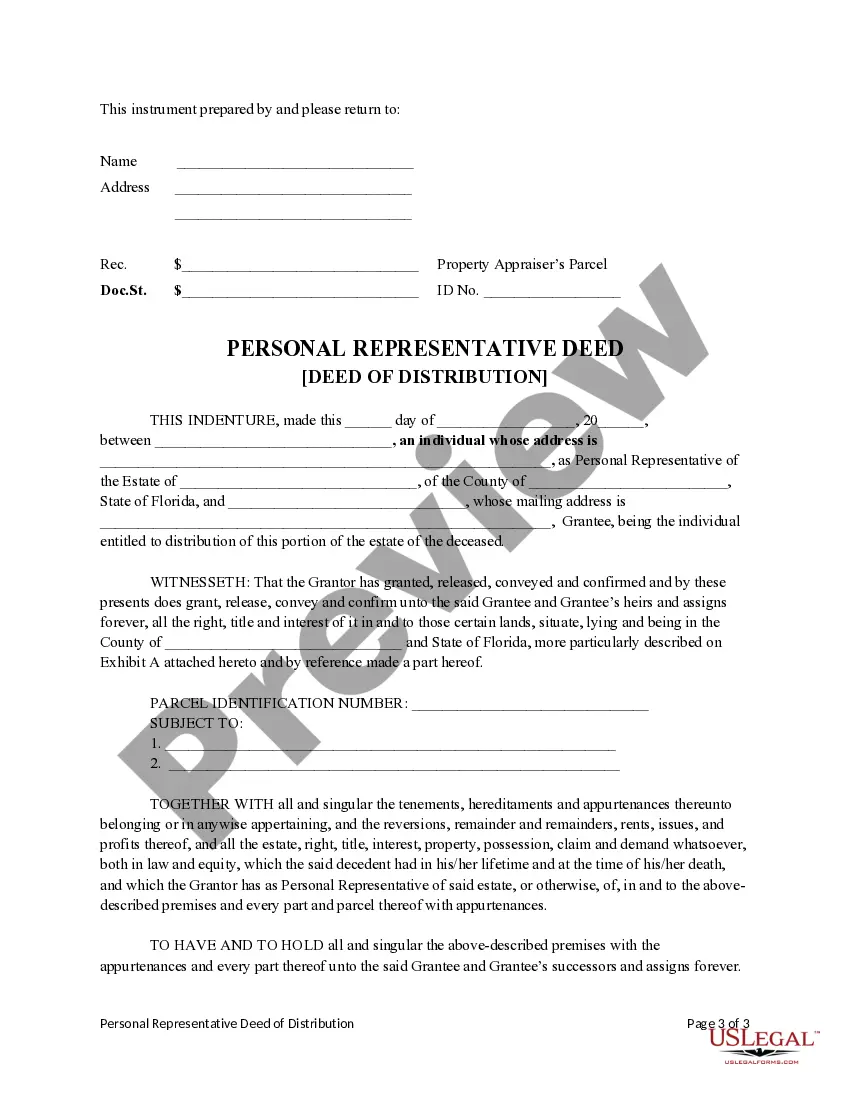
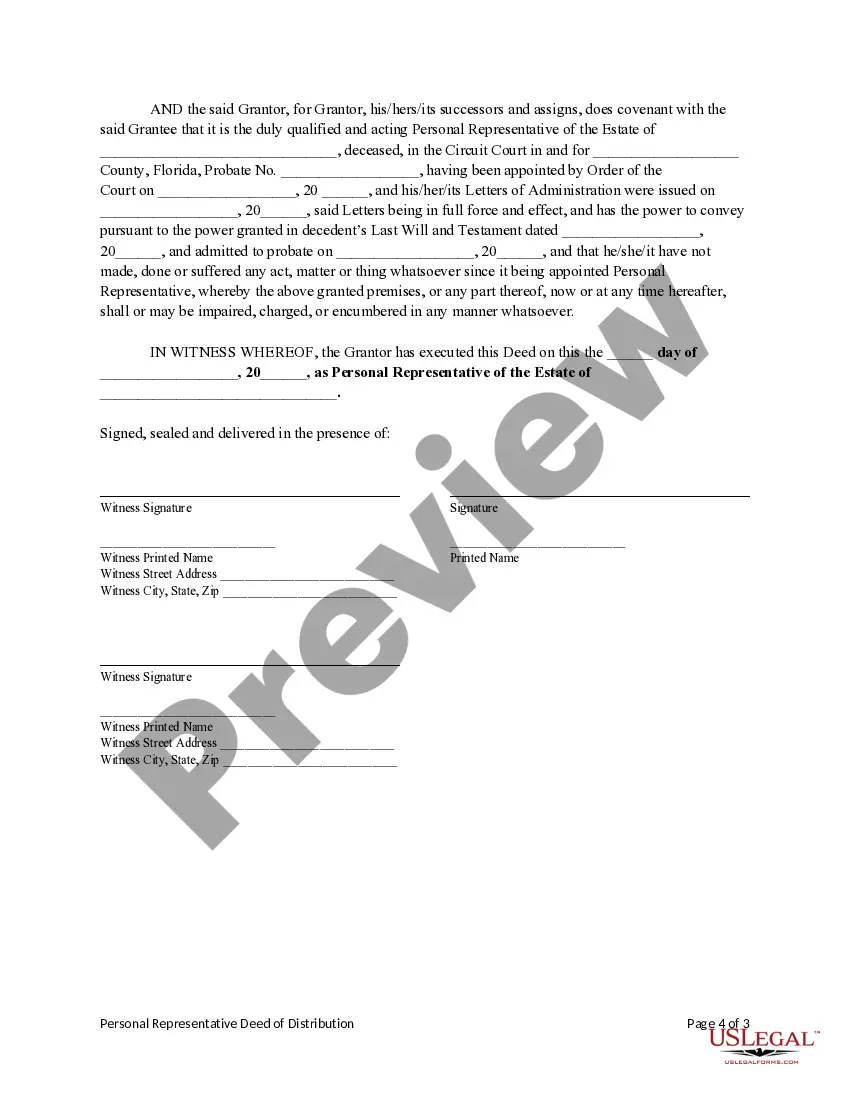

Get your form ready online
Our built-in tools help you complete, sign, share, and store your documents in one place.
Make edits, fill in missing information, and update formatting in US Legal Forms—just like you would in MS Word.
Download a copy, print it, send it by email, or mail it via USPS—whatever works best for your next step.
Sign and collect signatures with our SignNow integration. Send to multiple recipients, set reminders, and more. Go Premium to unlock E-Sign.
If this form requires notarization, complete it online through a secure video call—no need to meet a notary in person or wait for an appointment.
We protect your documents and personal data by following strict security and privacy standards.

Make edits, fill in missing information, and update formatting in US Legal Forms—just like you would in MS Word.

Download a copy, print it, send it by email, or mail it via USPS—whatever works best for your next step.

Sign and collect signatures with our SignNow integration. Send to multiple recipients, set reminders, and more. Go Premium to unlock E-Sign.

If this form requires notarization, complete it online through a secure video call—no need to meet a notary in person or wait for an appointment.

We protect your documents and personal data by following strict security and privacy standards.
Looking for another form?







How to fill out Florida Personal Representative's Deed Of Distribution?
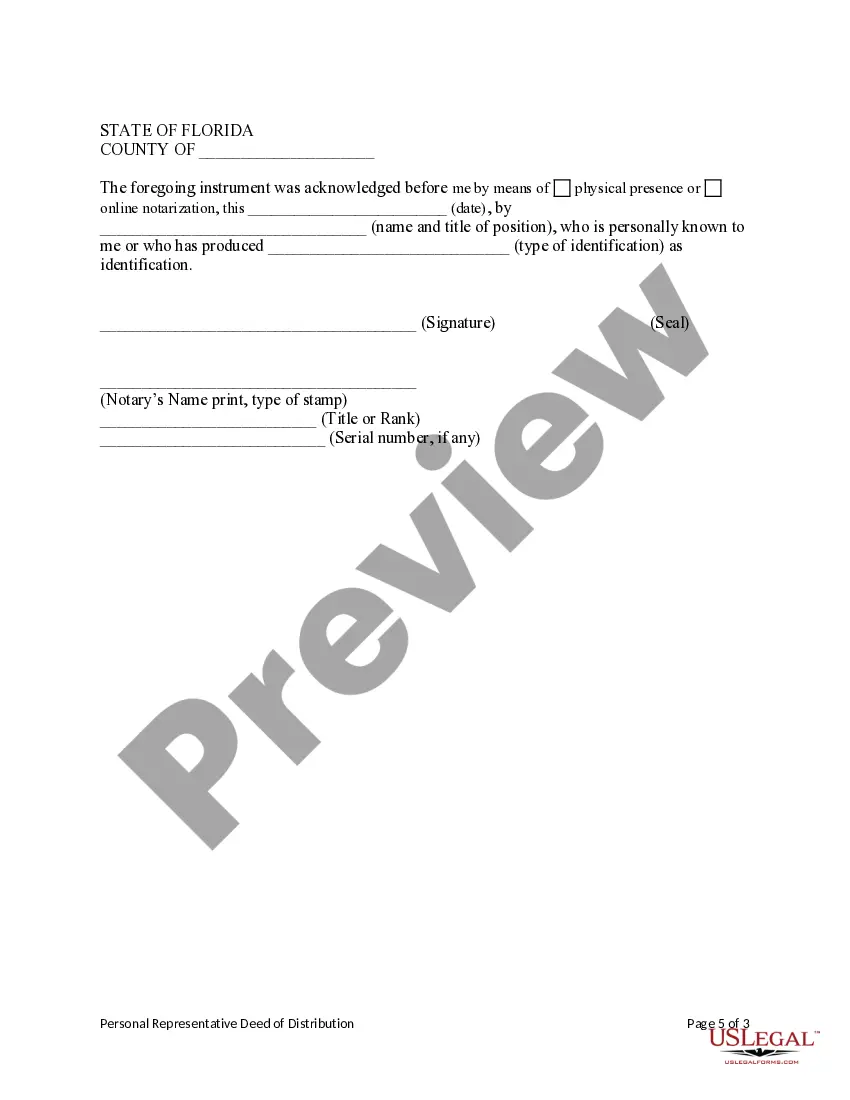
The Florida Personal Representative Document With 2 Points displayed on this page is a versatile legal template created by experienced attorneys in compliance with federal and state laws and regulations.
For over 25 years, US Legal Forms has supplied individuals, entities, and legal practitioners with more than 85,000 authenticated, state-specific documents for any corporate and personal situation. It’s the fastest, most uncomplicated, and most reliable method to acquire the paperwork you require, as the service ensures bank-level data security and anti-malware safeguards.
Subscribe to US Legal Forms to access verified legal templates for every aspect of life.
- Search for the document you require and examine it.
- Choose the pricing option that works for you and set up an account. Make a swift payment using PayPal or a credit card. If you already possess an account, Log In and verify your subscription to proceed.
- Select the format you wish for your Florida Personal Representative Document With 2 Points (PDF, Word, RTF) and store the sample on your device.
- Print the template to fill it out manually. Alternatively, use an online multifunctional PDF editor to quickly and accurately complete and sign your form with an eSignature.
- Re-download your documents whenever necessary. Access the My documents section in your profile to retrieve any previously acquired forms.
Form popularity
FAQ
Yes, you can prepare a deed yourself in Florida, but it is important to understand the requirements. Using a Florida personal representative form can help guide you through the necessary elements and legal language. However, be mindful of the potential complexities that may arise, especially if the property has multiple owners or if there are disputes among heirs. If you feel uncertain, consulting with a professional can provide peace of mind.
Filling out a personal representative deed requires specific information about the estate and the property involved. Start by gathering the required details, including the legal description of the property and the names of the beneficiaries. A Florida personal representative form can serve as an excellent template to streamline this process and ensure accuracy. Make sure to review all entries carefully before finalizing the deed.
Writing a simple will in Florida involves a few key steps. First, you should clearly state your intentions regarding your assets and beneficiaries. Next, utilize a Florida personal representative form to designate an executor for your estate. This form can guide you through the necessary legal language, ensuring your wishes are respected.
You do not necessarily need a lawyer to complete a deed transfer in Florida. However, having one can help ensure that all legal requirements are met. Using a Florida personal representative form can simplify the process, making it easier to transfer property. If you choose to proceed without a lawyer, make sure to follow all state guidelines closely.
To fill out an affidavit of heirs in Florida, start by gathering vital information about the deceased, including their full name, date of death, and details of their heirs. Next, use the Florida personal representative form to ensure you include all necessary signatures and notarizations. It's crucial to list each heir's name, relationship to the deceased, and any relevant information about their share of the estate. If you need assistance, consider using the resources available on uslegalforms, which can simplify the process and help you ensure compliance with Florida law.
The requirements to be a personal representative in Florida include being a minimum of 18 years old and either a resident of the state or a close relative of the decedent. Additionally, you cannot have been convicted of a felony without having your rights restored. Understanding these requirements is essential when filling out the Florida personal representative form, as it ensures you are eligible to serve in this important role.
To be a representative in Florida, you must meet specific criteria established by the state's probate laws. You need to be at least 18 years old and either a resident of Florida or a relative of the deceased. It is also important that you have the mental capacity to carry out the responsibilities required. Completing the Florida personal representative form accurately will help ensure that you meet these requirements.
The time it takes to be appointed as a personal representative in Florida can vary depending on several factors. Generally, once you file the Florida personal representative form with the court, the appointment can take a few weeks to a couple of months. The court will review your application, and any objections from interested parties may lengthen the process. Staying informed and organized can help expedite your appointment.
You can file for summary administration in Florida without a lawyer by following specific steps. First, you must complete the Florida personal representative form, which outlines the details of the estate and the beneficiaries. Then, you should gather necessary documents, such as the death certificate and the will, and file them with the probate court. While navigating the process can be challenging, resources like USLegalForms can provide guidance and templates to simplify your filing.
In Florida, a personal representative must be at least 18 years old and a resident of the state, or a close relative of the deceased. This individual is responsible for managing the decedent's estate, including settling debts and distributing assets. Additionally, certain people, like convicted felons, cannot serve as personal representatives unless they have had their civil rights restored. Therefore, understanding the requirements is crucial when completing the Florida personal representative form.