Notarized Translation
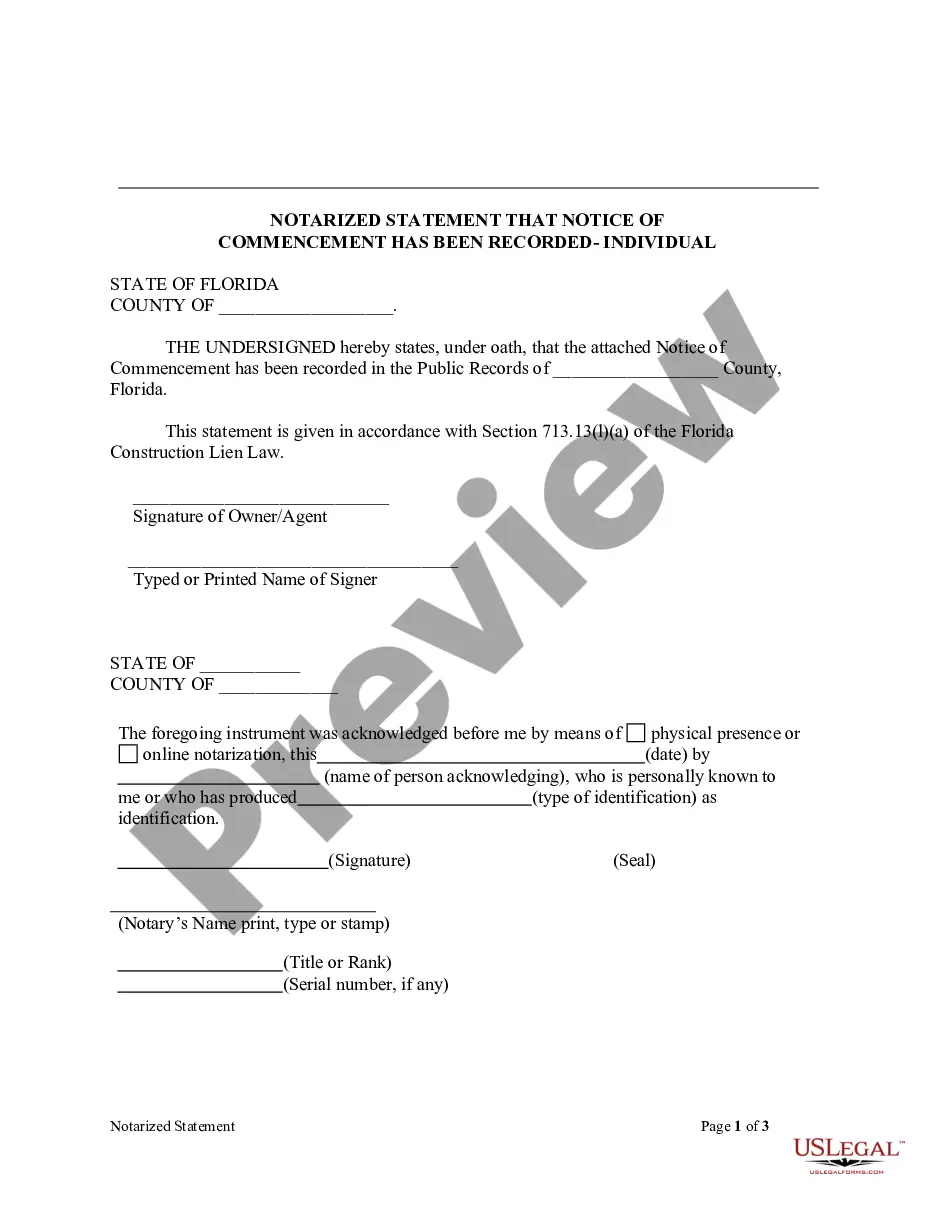
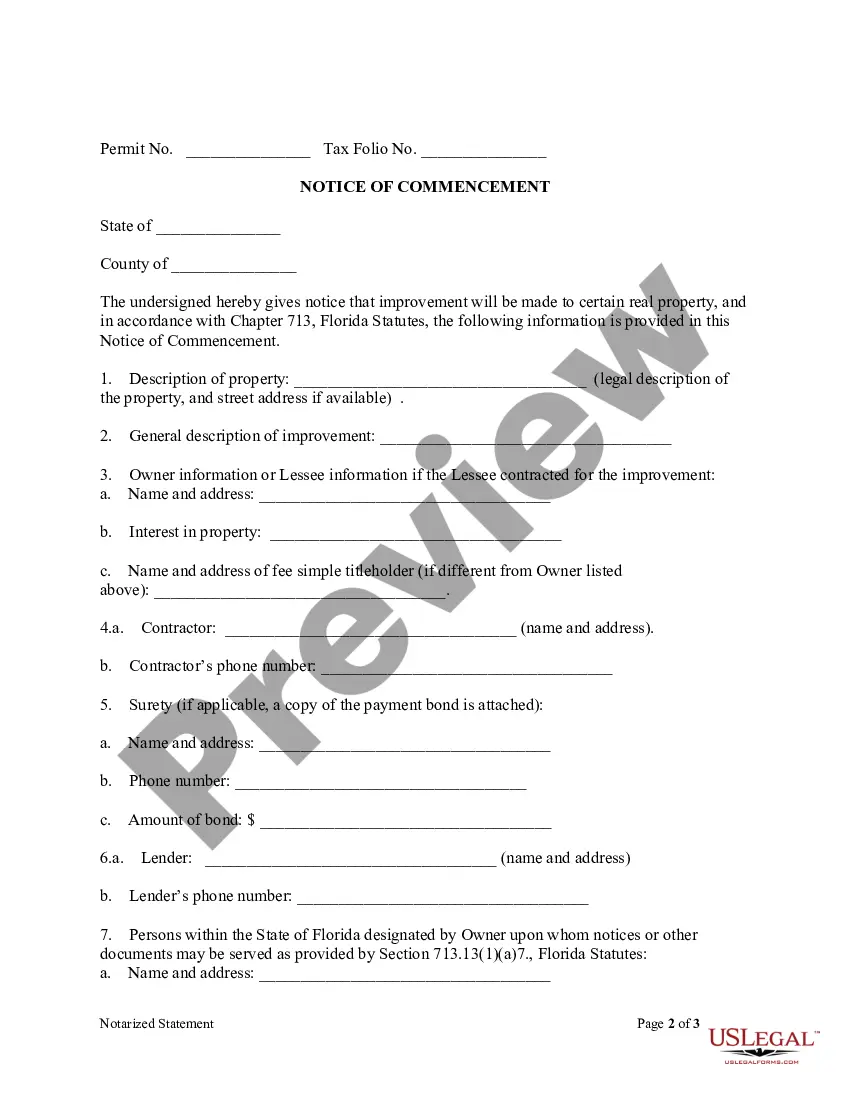
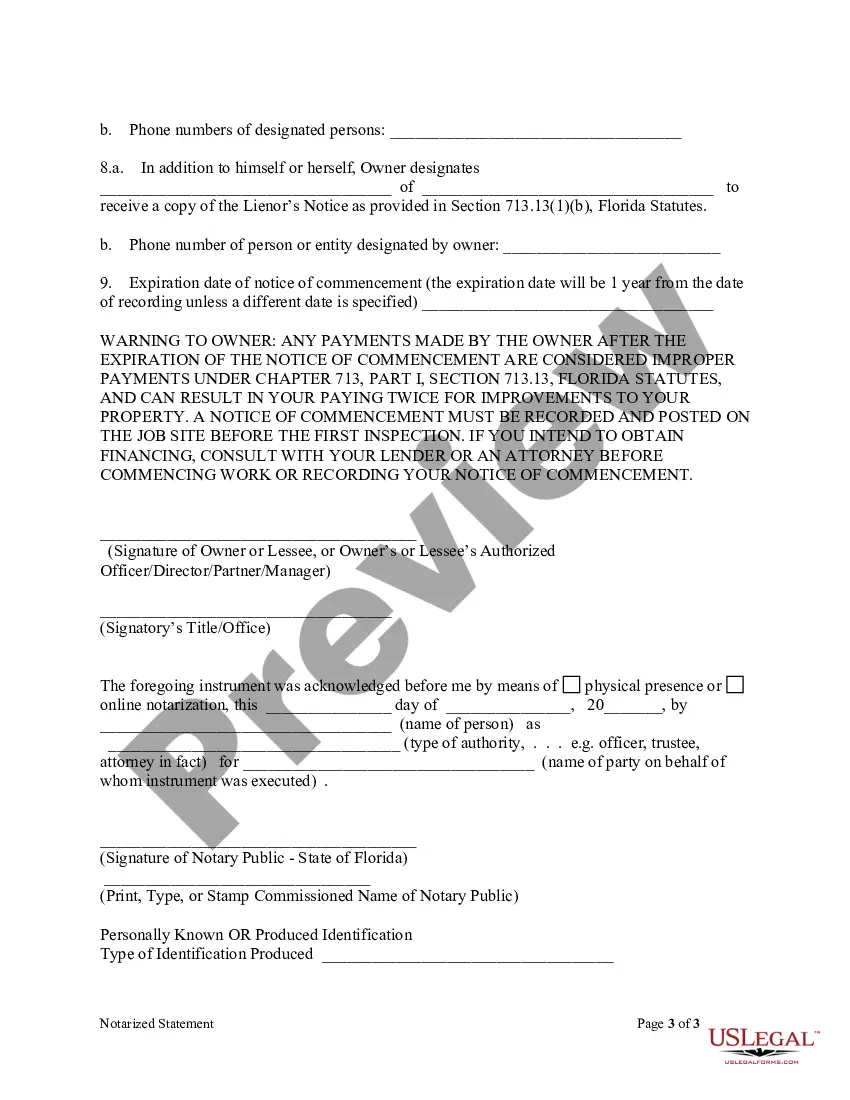
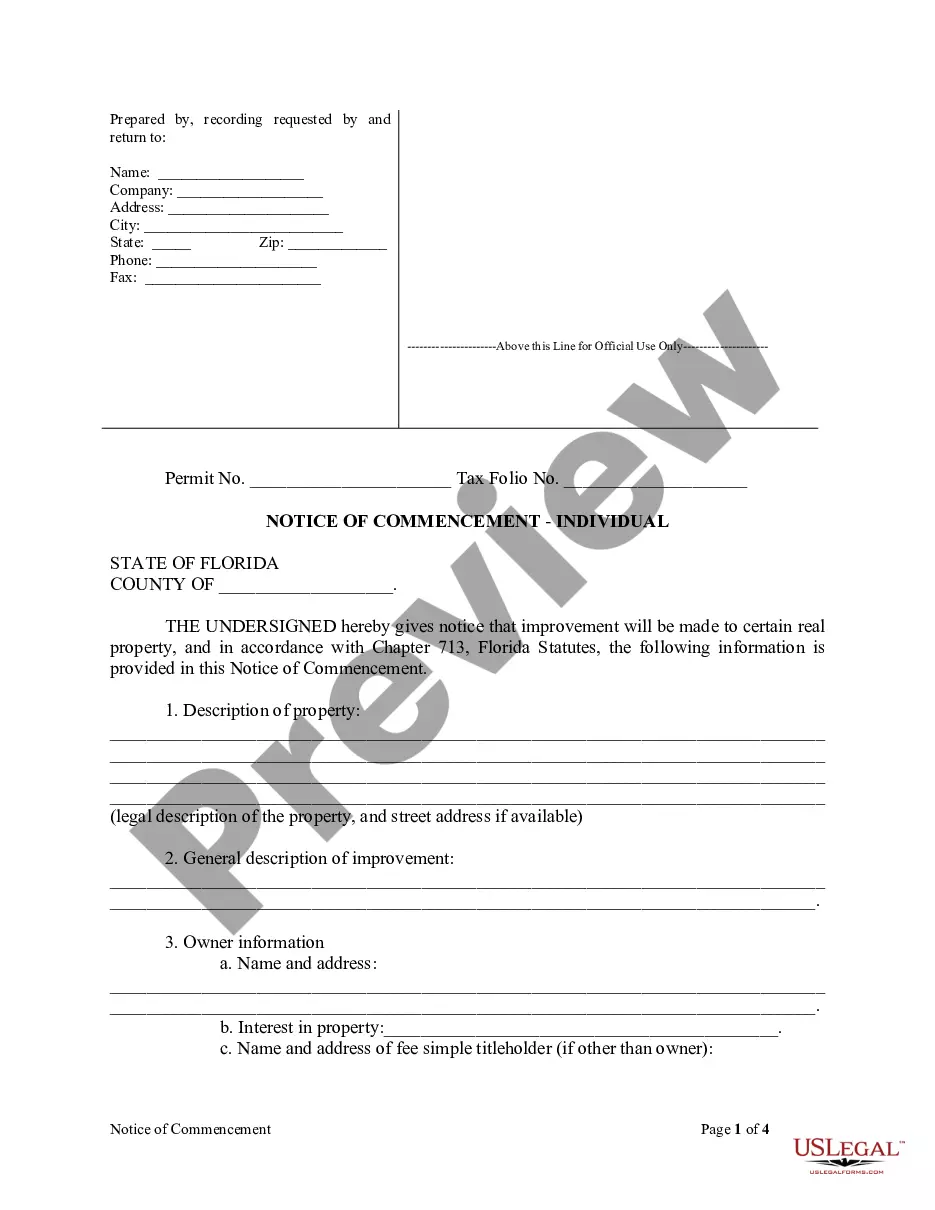
Description
Get your form ready online
Our built-in tools help you complete, sign, share, and store your documents in one place.
Make edits, fill in missing information, and update formatting in US Legal Forms—just like you would in MS Word.
Download a copy, print it, send it by email, or mail it via USPS—whatever works best for your next step.
Sign and collect signatures with our SignNow integration. Send to multiple recipients, set reminders, and more. Go Premium to unlock E-Sign.
If this form requires notarization, complete it online through a secure video call—no need to meet a notary in person or wait for an appointment.
We protect your documents and personal data by following strict security and privacy standards.

Make edits, fill in missing information, and update formatting in US Legal Forms—just like you would in MS Word.

Download a copy, print it, send it by email, or mail it via USPS—whatever works best for your next step.

Sign and collect signatures with our SignNow integration. Send to multiple recipients, set reminders, and more. Go Premium to unlock E-Sign.

If this form requires notarization, complete it online through a secure video call—no need to meet a notary in person or wait for an appointment.

We protect your documents and personal data by following strict security and privacy standards.
Looking for another form?
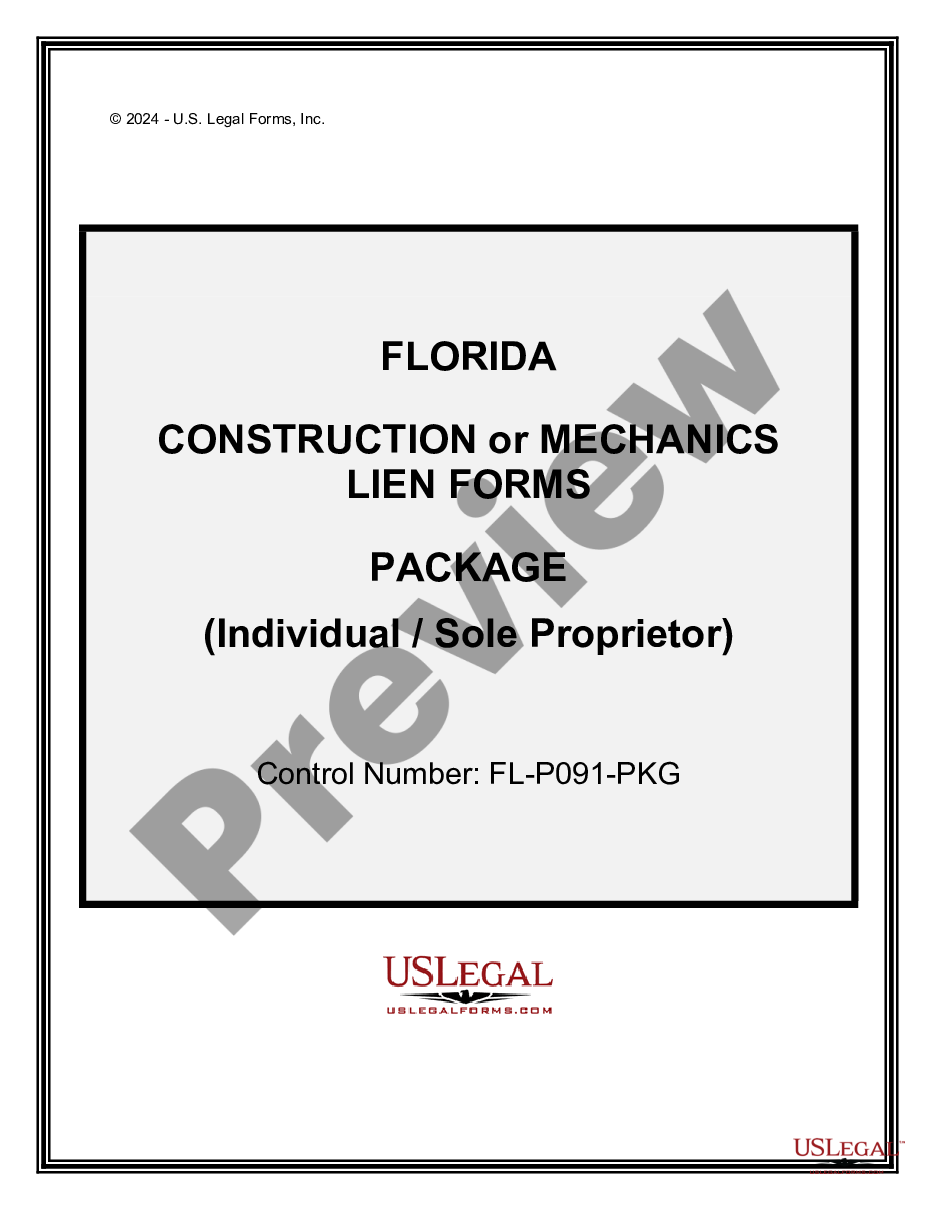






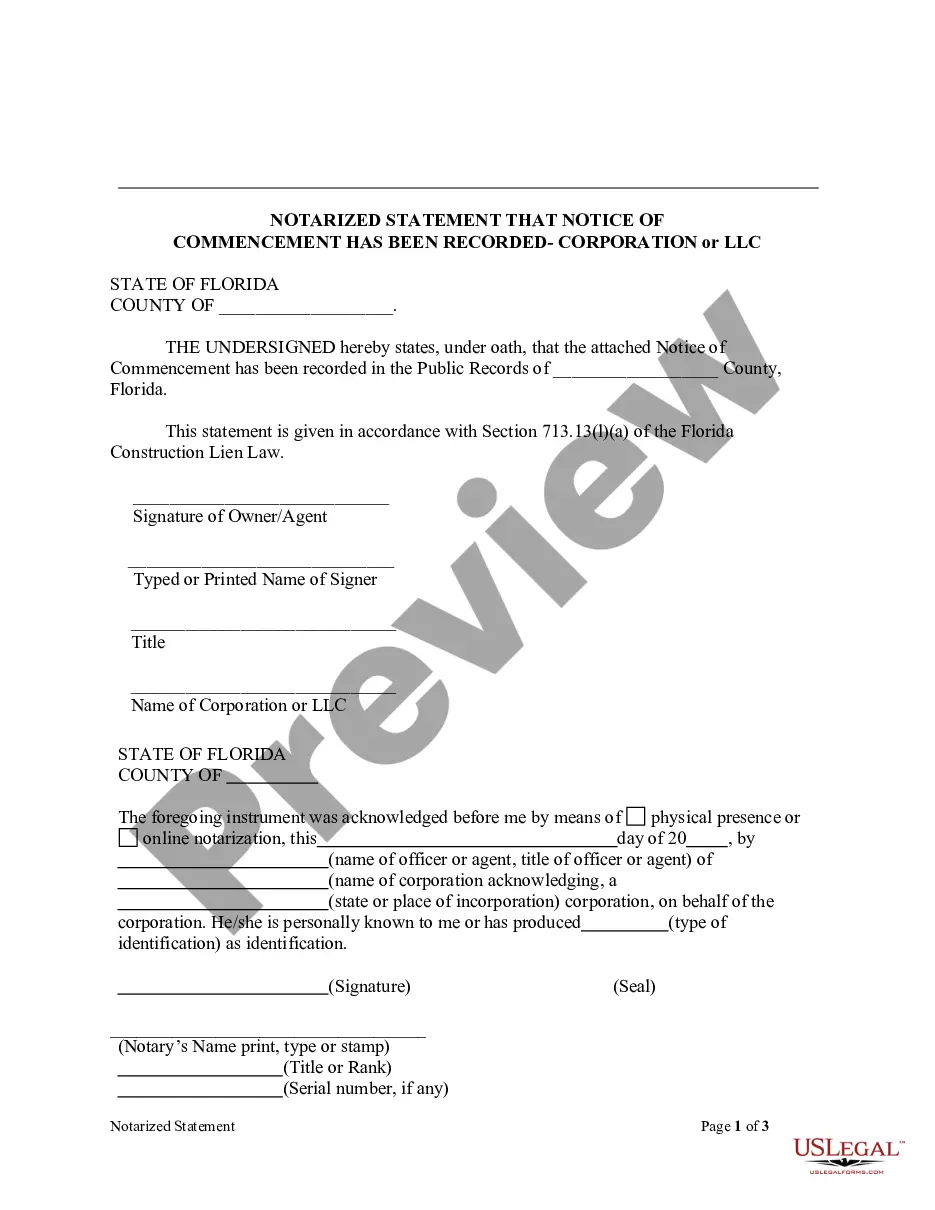
How to fill out Florida Notarized Statement Regarding Notice Of Commencement Form - Construction - Mechanic Liens - Individual?
- Begin by visiting the US Legal Forms website and logging into your account if you are a returning user. Otherwise, create a new account to access our extensive library.
- Once logged in, browse the preview mode and read the form descriptions carefully. Ensure the form fits your needs for notarized translation according to your local regulations.
- If your selected form does not meet your criteria, utilize the Search tab to find a more suitable template. Be thorough to avoid any discrepancies.
- After finding the correct document, click on the ‘Buy Now’ button and select your preferred subscription plan to gain access to our resources.
- Complete your purchase by entering your payment details through credit card or PayPal. You’ll then receive confirmation of your transaction.
- Finally, download your notarized translation form and save it to your device. You can easily revisit it through the 'My Forms' section in your profile whenever needed.
By following these simple steps, you can leverage US Legal Forms' robust collection of over 85,000 legal documents tailored for various needs.
Start your hassle-free experience with notarized translation today to ensure your legal documents are properly managed. Explore our services now!
Form popularity
FAQ
To be a successful translator, you typically need strong command of at least two languages, along with cultural understanding. Formal education in linguistics, translation studies, or a related field can be beneficial. Additional qualifications, such as certification from recognized organizations, can enhance your credibility, especially for notarized translation services.
Yes, a notary can notarize a translation if they verify the identity of the translator and witness the signing of the document. This process creates a notarized translation, adding an extra layer of credibility. Many people choose to use services that specialize in notarized translations to ensure compliance with various legal requirements.
To work as a translator, you often need a relevant certificate that proves your proficiency in your chosen languages. Many employers prefer candidates with certifications from recognized institutions, which validate your skills. Certifications may include those from the American Translators Association, especially for notarized translation requirements.
Becoming a notarized translator usually requires a combination of language skills and legal knowledge. First, you should become fluent in both your source and target languages. Then, you can seek certification or training in translation, followed by obtaining a notary public license to perform notarized translations, ensuring they meet legal standards.
To certify a translated document, you typically need to provide the translated text along with a signed statement, affirming that the translation is accurate. This process often involves a notarized translation, where a notary public verifies your identity and witnesses the signing. By using a reliable service, such as USLegalForms, you can ensure a smooth certification process with legal validity.
To certify a translation for USCIS, include a statement that the translation is accurate and complete, signed and dated by the translator. If applicable, highlight your qualifications and include your contact information. This certified notarized translation will help ensure that your documentation aligns with the expectations of USCIS and supports your application.
To certify as a translator, you generally need to demonstrate proficiency in the source and target languages, usually through formal education or testing. You may also acquire certification from recognized language associations, which sets you apart as a qualified translator. This recognition is crucial, especially for creating a reliable notarized translation.
USCIS does not always require notarized translations, but having one can enhance the credibility of your documents. If your translation includes legal or sensitive information, it is wise to provide a notarized translation for added assurance. It's still best to confirm specific requirements with USCIS related to your application.
Certifying translation wording involves creating a declaration that accompanies the translated document. In this declaration, the translator should detail their qualifications, the accuracy of the translation, and affirm their understanding of the source and target languages. This process adds value to your notarized translation, ensuring it meets necessary standards.
To certify a translation, the translator typically includes a statement affirming that the translation is accurate and complete to the best of their knowledge. This statement may include the translator's name, signature, date, and contact information, establishing their credentials. This certification strengthens the credibility of the notarized translation.