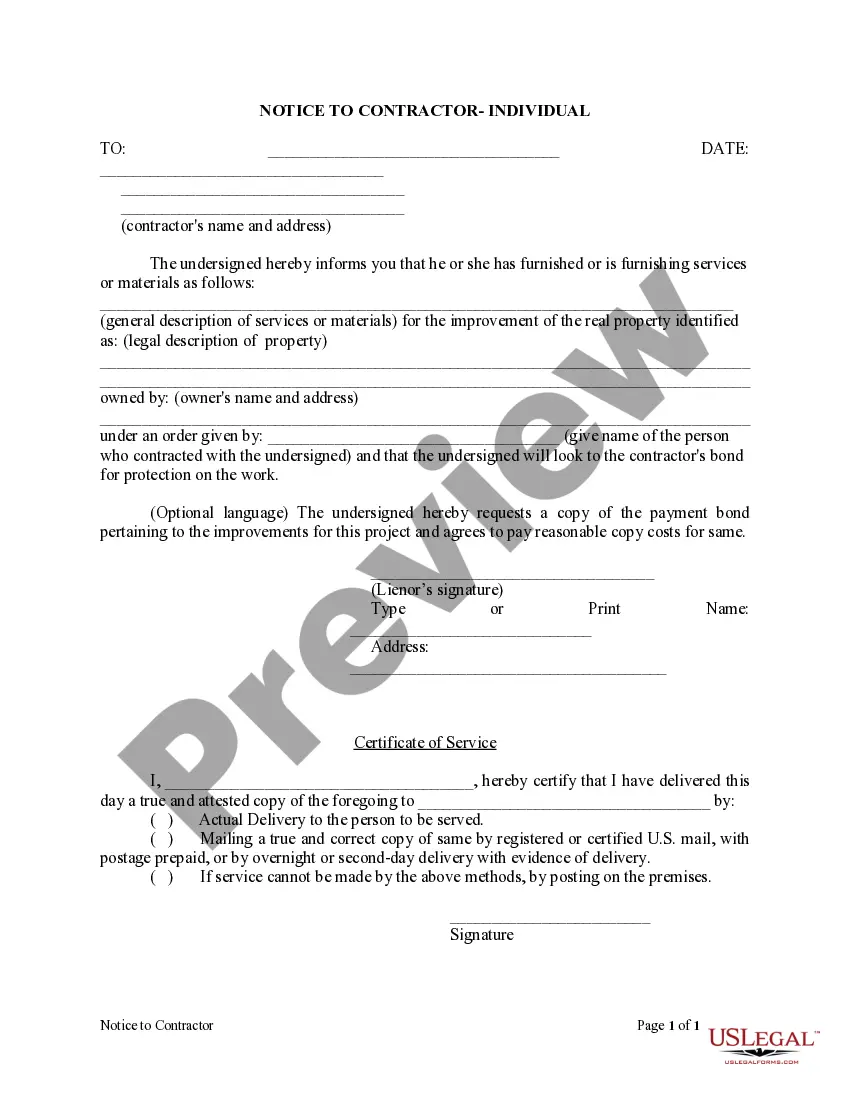
Florida Construction Liens Within 30 Days
Description
Get your form ready online
Our built-in tools help you complete, sign, share, and store your documents in one place.
Make edits, fill in missing information, and update formatting in US Legal Forms—just like you would in MS Word.
Download a copy, print it, send it by email, or mail it via USPS—whatever works best for your next step.
Sign and collect signatures with our SignNow integration. Send to multiple recipients, set reminders, and more. Go Premium to unlock E-Sign.
If this form requires notarization, complete it online through a secure video call—no need to meet a notary in person or wait for an appointment.
We protect your documents and personal data by following strict security and privacy standards.

Make edits, fill in missing information, and update formatting in US Legal Forms—just like you would in MS Word.

Download a copy, print it, send it by email, or mail it via USPS—whatever works best for your next step.

Sign and collect signatures with our SignNow integration. Send to multiple recipients, set reminders, and more. Go Premium to unlock E-Sign.

If this form requires notarization, complete it online through a secure video call—no need to meet a notary in person or wait for an appointment.

We protect your documents and personal data by following strict security and privacy standards.
Looking for another form?
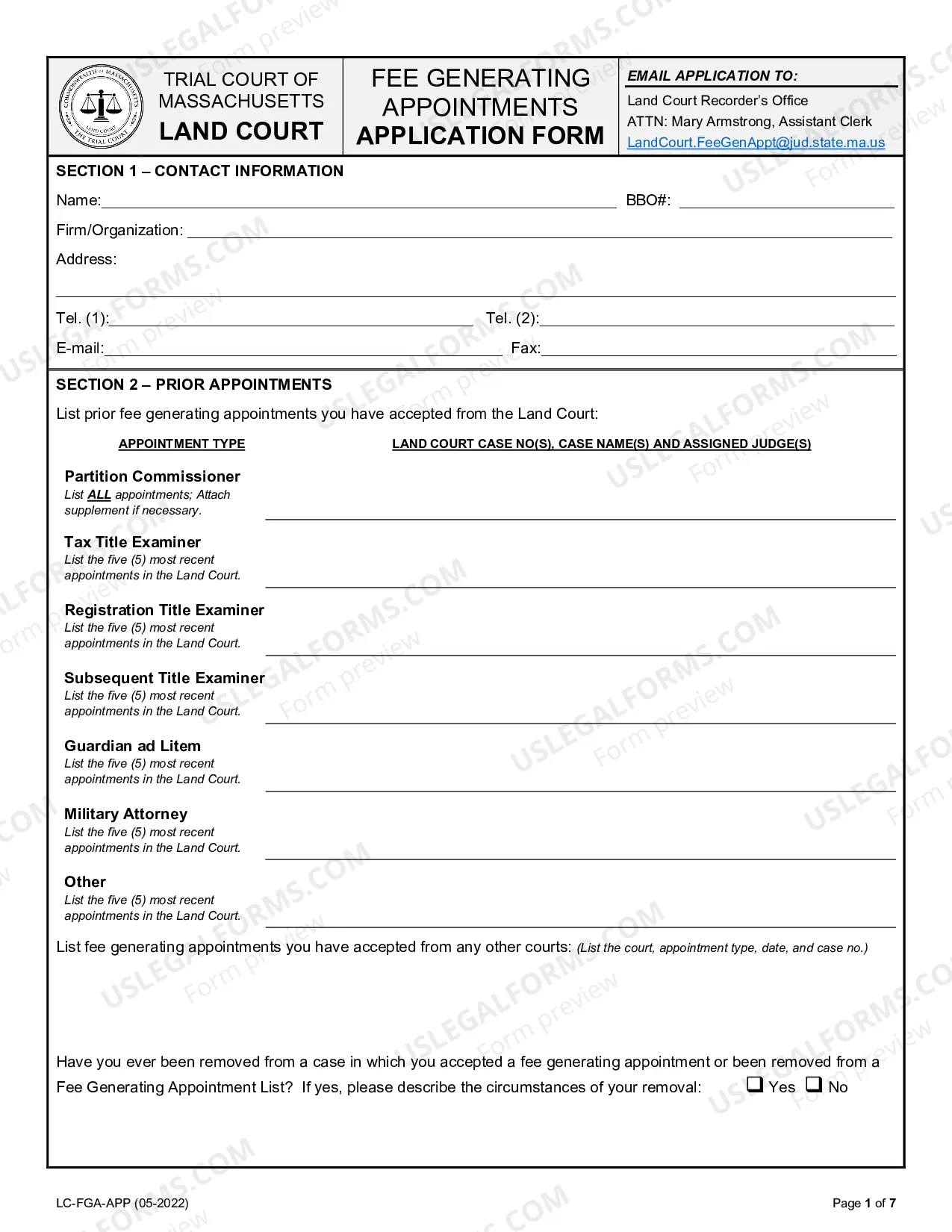


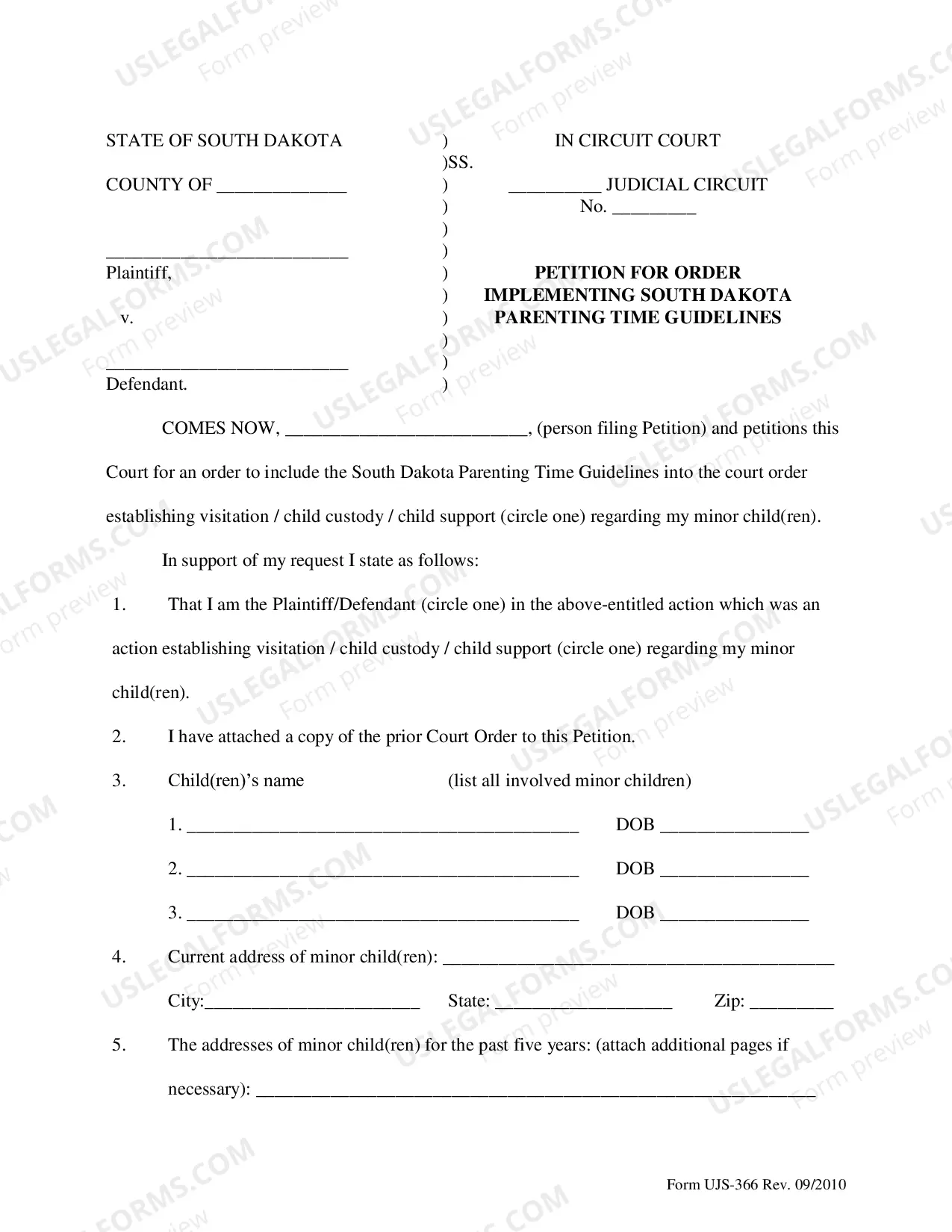
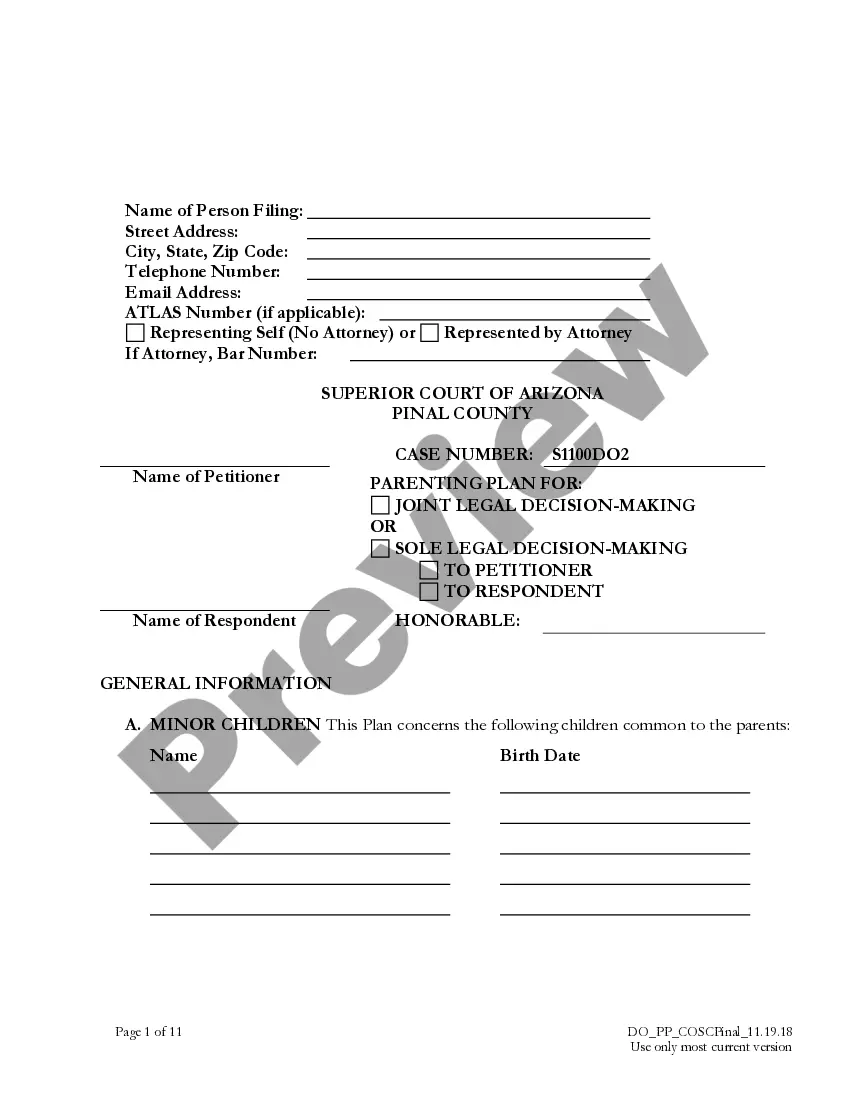
How to fill out Florida Notice To Contractor Form - Construction - Mechanic Liens - Individual?
Regardless of whether it is for professional objectives or personal matters, everyone must confront legal issues at some point in their lives.
Completing legal documents requires meticulous attention, beginning with choosing the correct form template.
With an extensive US Legal Forms collection available, you won't need to waste time searching for the right template online. Take advantage of the library’s user-friendly navigation to find the suitable template for any occasion.
- For instance, if you select an incorrect version of a Florida Construction Liens Within 30 Days, it will be rejected upon submission.
- Consequently, it is vital to have a trustworthy source of legal documents such as US Legal Forms.
- If you need to obtain a Florida Construction Liens Within 30 Days template, adhere to these straightforward steps.
- Locate the template you require using the search box or catalog browsing.
- Review the form’s details to ensure it aligns with your situation, jurisdiction, and area.
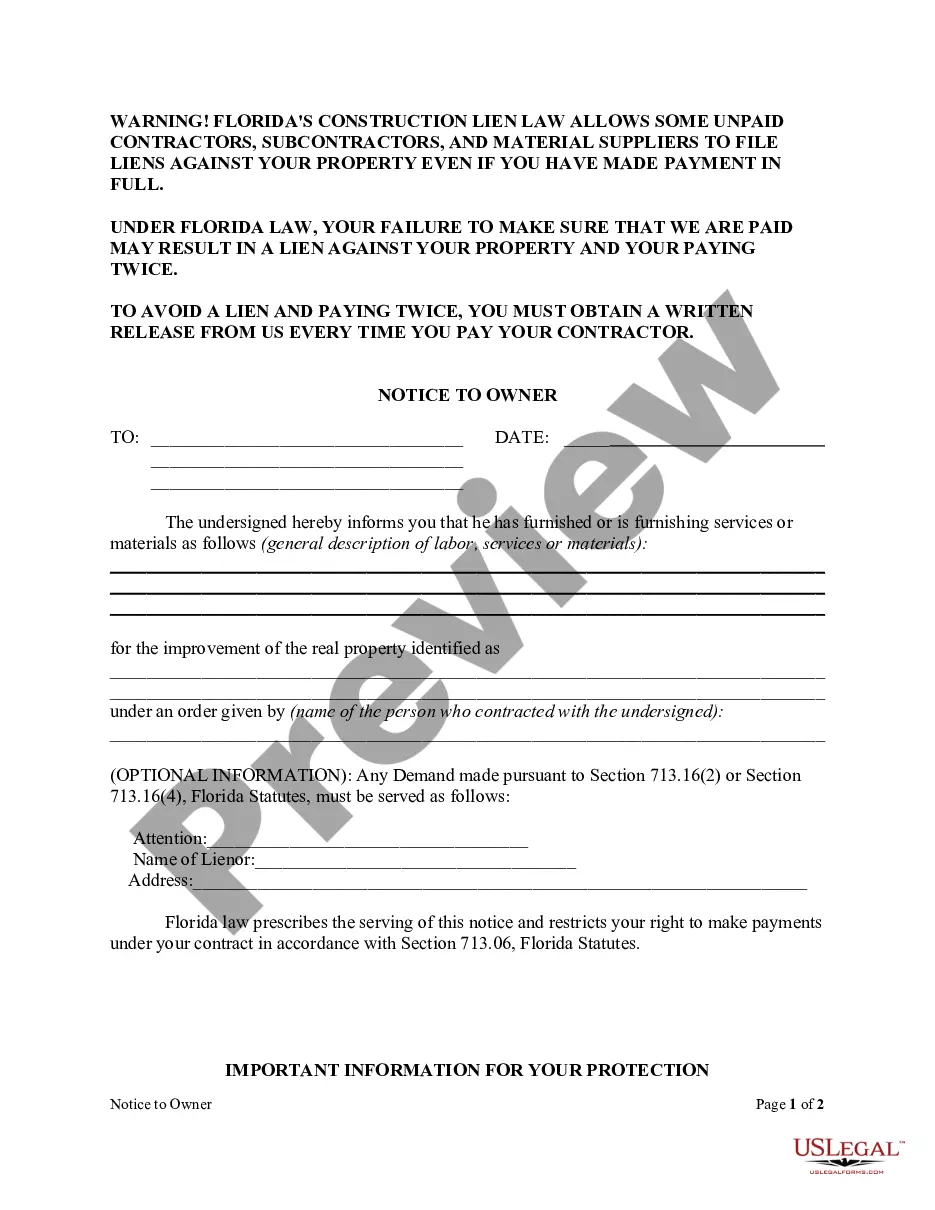
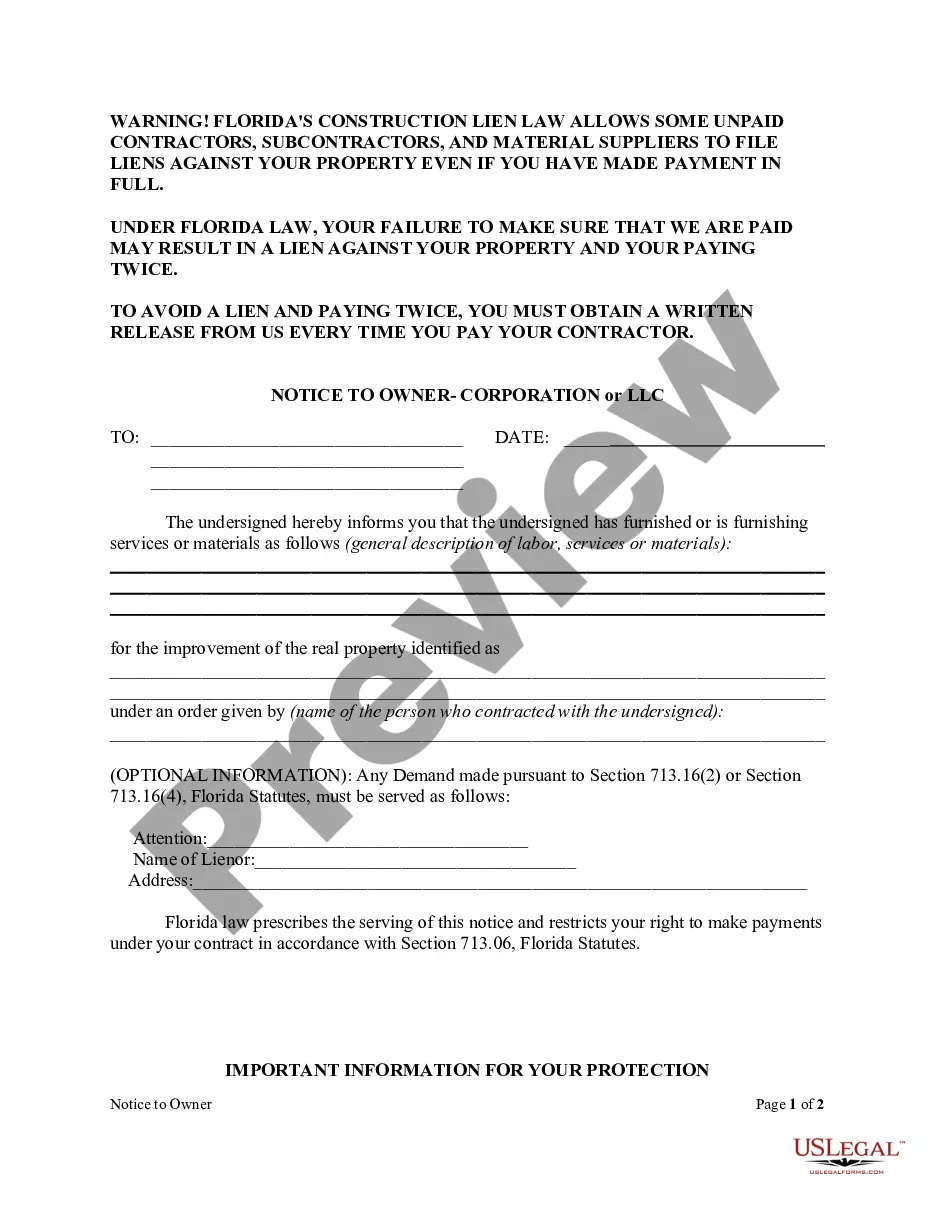
- Click on the form’s preview to inspect it.
- If it is the wrong document, return to the search feature to find the Florida Construction Liens Within 30 Days sample you require.
- Download the file if it meets your specifications.
- If you possess a US Legal Forms account, click Log in to access previously stored documents in My documents.
- In case you do not yet have an account, you can acquire the form by clicking Buy now.
- Select the appropriate pricing option.
- Fill out the account registration form.
- Choose your payment method: use a credit card or PayPal account.
- Select the file format you desire and download the Florida Construction Liens Within 30 Days.
- Once it is saved, you can complete the form using editing software or print it out and finish it by hand.
Form popularity
FAQ
Recording of Claim of Lien. The claim of lien must be recorded in the county where the improved property is located not later than 90 days from the lienor's last work, or 90 days from the termination of the contractor under whom the lienor is working, whichever is sooner.
Ing to Florida Statute 713, Part 1, anyone who works on your property or provides materials and is not paid in full has a right to enforce their claim for payment against your property. This claim is known as a construction lien.
A lien is enforced by filing a lawsuit to foreclose the lien. Most often, this lawsuit will need to be filed in a county or circuit court based on the property's location. In some scenarios, your suit can be filed using Florida Small Claims Rules.
After filing the ?Notice to Owner,? the official lien is to be filed within 90 days of the final furnishings of service or 90 days from the termination of the contract between the general contractor and the owner, whichever comes first.
Florida Construction Lien Law (Contractor & Property Owner How to Guide) File a Florida Notice to Owner. Record the Lien with the Local County Clerk. File an Amended Lien Claim if Necessary. Enforce the Lien Against the Property Owner. Discharge or Release the Lien Once Paid in Full.