Florida Attorney Property With Boat Dock
Description
Get your form ready online
Our built-in tools help you complete, sign, share, and store your documents in one place.
Make edits, fill in missing information, and update formatting in US Legal Forms—just like you would in MS Word.
Download a copy, print it, send it by email, or mail it via USPS—whatever works best for your next step.
Sign and collect signatures with our SignNow integration. Send to multiple recipients, set reminders, and more. Go Premium to unlock E-Sign.
If this form requires notarization, complete it online through a secure video call—no need to meet a notary in person or wait for an appointment.
We protect your documents and personal data by following strict security and privacy standards.

Make edits, fill in missing information, and update formatting in US Legal Forms—just like you would in MS Word.

Download a copy, print it, send it by email, or mail it via USPS—whatever works best for your next step.

Sign and collect signatures with our SignNow integration. Send to multiple recipients, set reminders, and more. Go Premium to unlock E-Sign.

If this form requires notarization, complete it online through a secure video call—no need to meet a notary in person or wait for an appointment.

We protect your documents and personal data by following strict security and privacy standards.
Looking for another form?





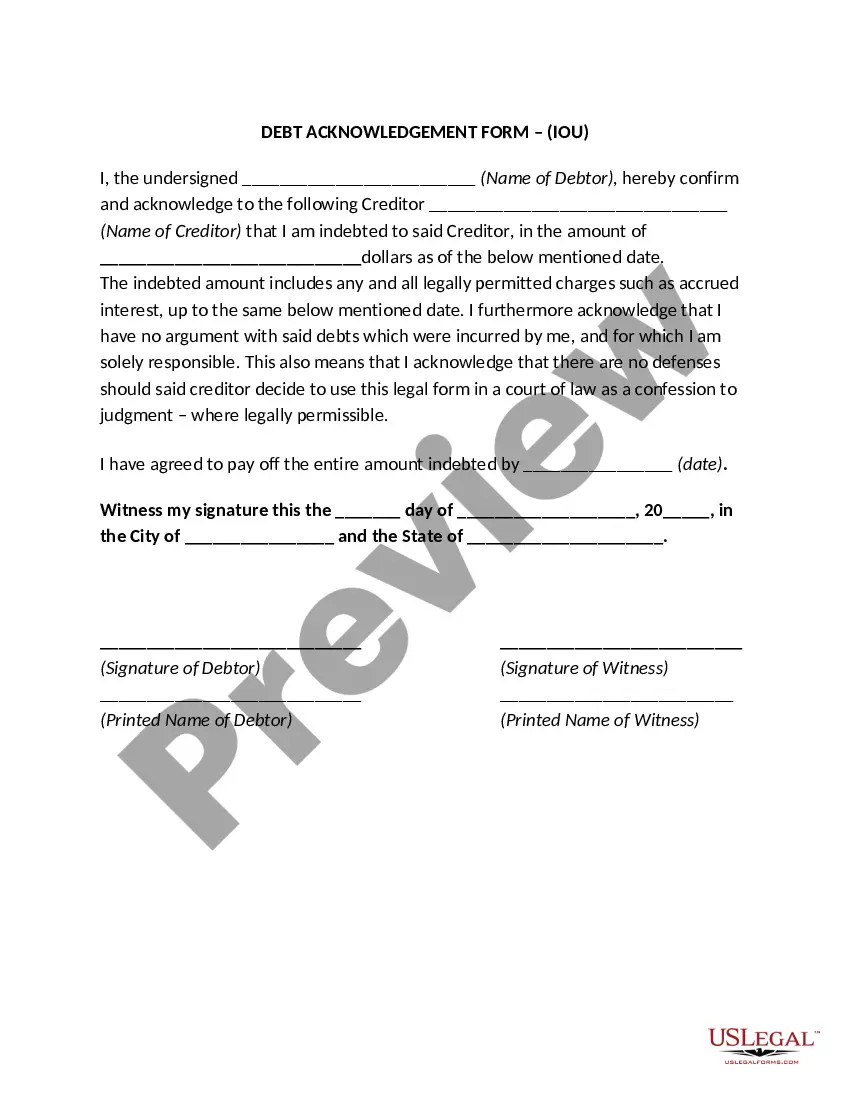


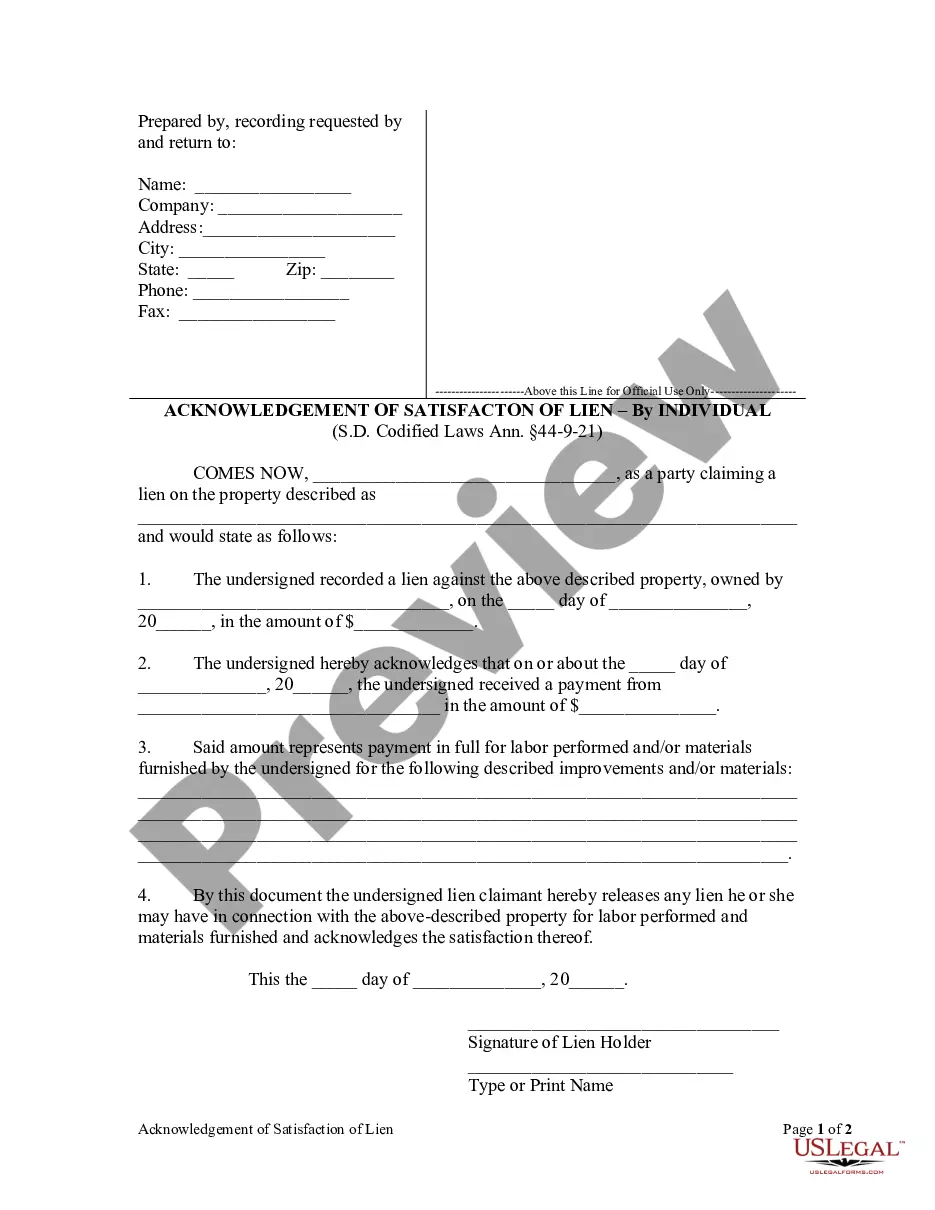

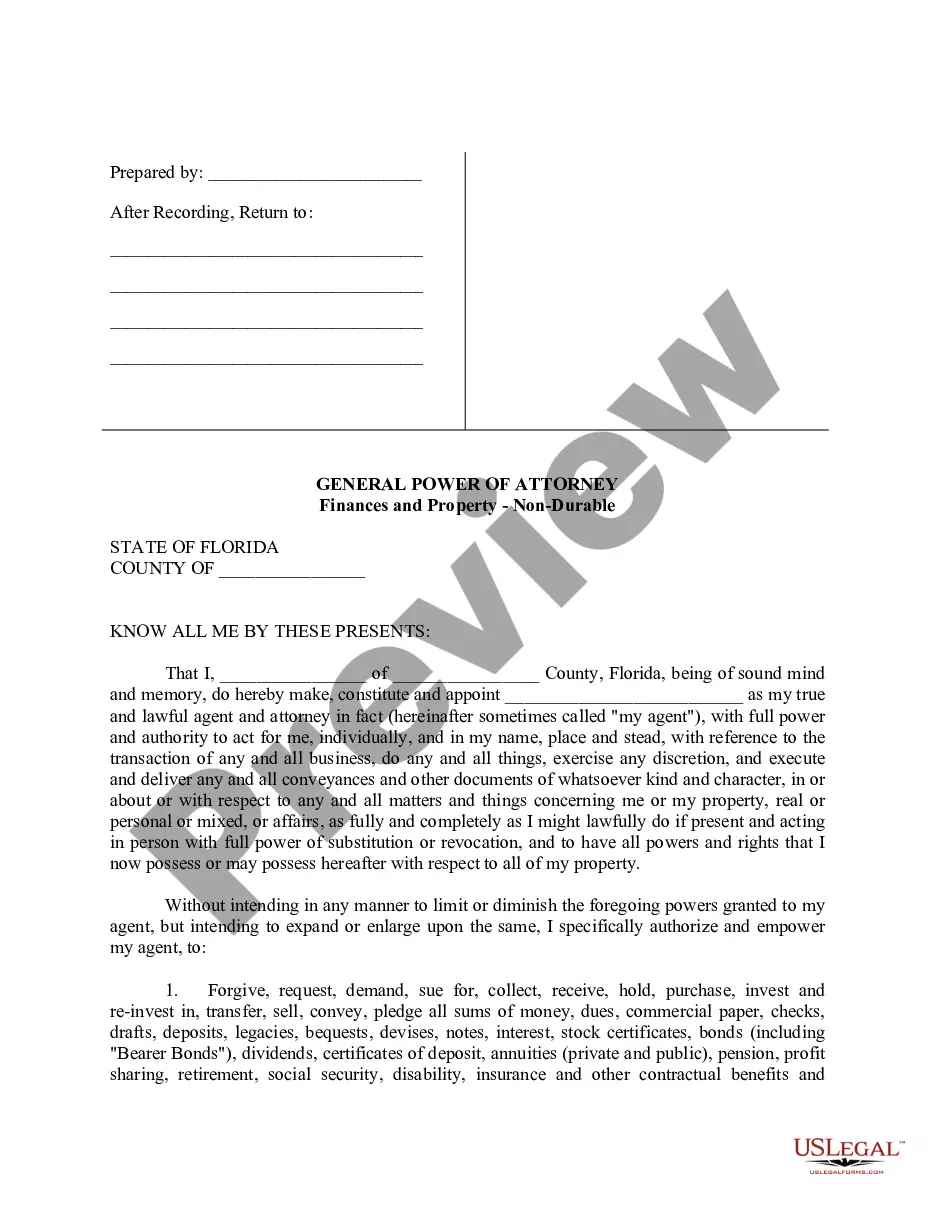
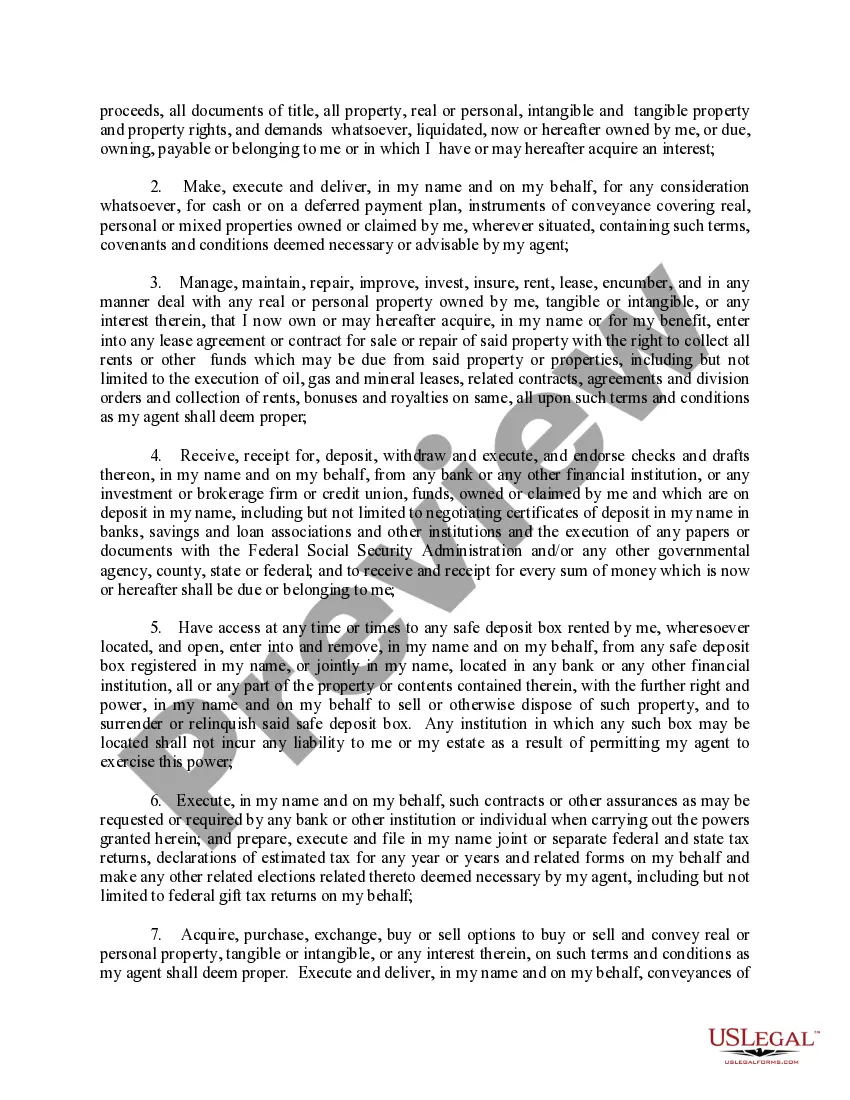
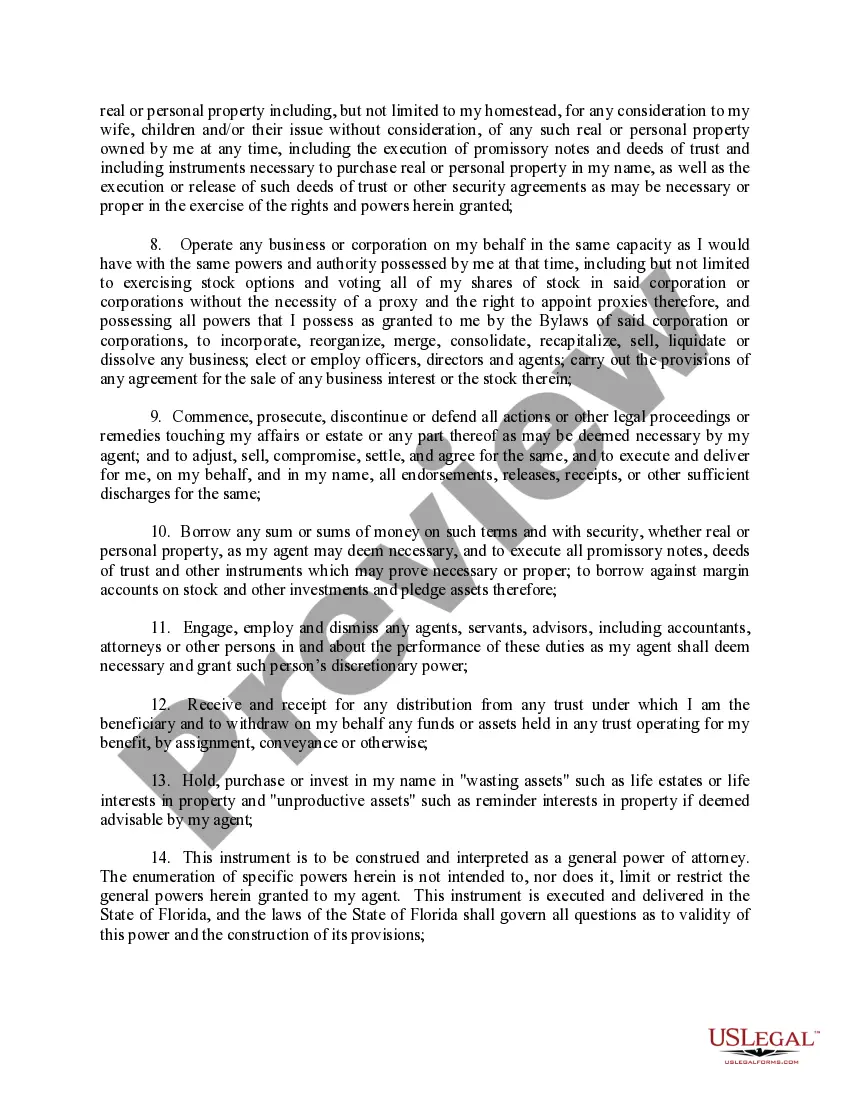
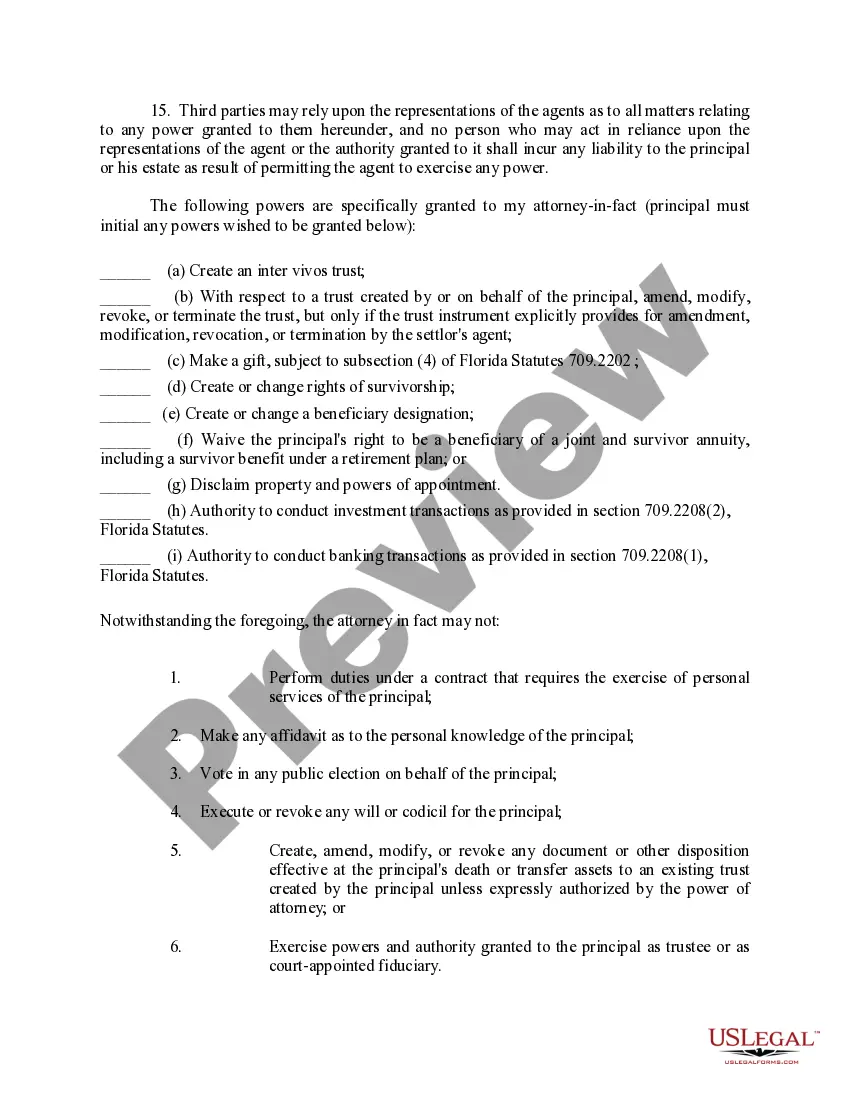
How to fill out Florida General Power Of Attorney For Property And Finances - Nondurable?
Whether for commercial reasons or personal issues, everyone must confront legal circumstances sooner or later in their life.
Filling out legal documents requires meticulous consideration, beginning with selecting the right form template.
Choose your payment method: use a credit card or PayPal account. Select the document format you desire and download the Florida Attorney Property With Boat Dock. Once downloaded, you can fill out the form using editing software or print it and complete it by hand. With an extensive US Legal Forms catalog available, you don’t need to waste time searching for the right template online. Utilize the library’s user-friendly navigation to find the suitable form for any circumstance.
- For example, if you choose an incorrect version of a Florida Attorney Property With Boat Dock, it will be declined upon submission.
- Thus, it is vital to obtain a trustworthy source of legal paperwork like US Legal Forms.
- If you need to acquire a Florida Attorney Property With Boat Dock template, follow these straightforward steps.
- Obtain the sample you need by utilizing the search bar or catalog navigation.
- Review the form’s description to confirm it matches your situation, state, and county.
- Click on the form’s preview to examine it.
- If it is the wrong document, return to the search function to locate the Florida Attorney Property With Boat Dock template you need.
- Download the file if it fulfills your requirements.
- If you already possess a US Legal Forms account, click Log in to retrieve previously saved documents in My documents.
- If you haven’t created an account yet, you can acquire the form by clicking Buy now.
- Select the appropriate pricing option.
- Fill out the account registration form.
Form popularity
FAQ
Waterfront property owners in Florida typically do not own the water itself. Instead, they own the land up to the mean high water line, which is the average level of high tides. The water remains under the jurisdiction of the state, allowing public access and use. If you have questions about your rights as a waterfront property owner, consulting a Florida attorney specializing in property with boat dock issues can provide clarity and guidance.
Yes, in most cases, you will need a permit to install a dock in Florida. The permitting process ensures that your dock complies with local laws and environmental guidelines. For those interested in Florida attorney property with boat dock, understanding these requirements can simplify your planning and construction process, ensuring a smoother experience.
Florida's rules for docks include regulations on their size, placement, and materials used. Additionally, these rules often require compliance with local zoning laws and environmental protections. When dealing with Florida attorney property with boat dock, it is crucial to stay updated on these regulations to avoid potential penalties or disputes.
Florida has specific laws governing docks, which vary by county and municipality. These laws address construction, maintenance, and usage, ensuring that docks are safe and comply with environmental regulations. If you own Florida attorney property with boat dock, consulting with an experienced attorney can help you navigate these laws effectively.
Yes, a dock is generally considered a permanent structure. In Florida, this classification means that it can impact property values and zoning regulations. When navigating the complexities of Florida attorney property with boat dock, understanding these definitions helps in making informed decisions about property investments.
Any activity conducted without a required permit is considered a ?public nuisance? and may be required to be removed. State and local governmental regulations provide specific criteria intended to protect waters and other natural resources which must be met before a permit will be issued.
The location of the dock Docks, moored vessels, hoists, and other structures allowed by the permit will often be required to be offset at least 5 feet from the adjoining property line. More often than not, a minimum gap of 10 feet will be required between adjoining docks, moored boats, or hoists.
Thus, riparian property owners in Florida have a qualified right to build docks or "wharf out" to navigable water and have exclusive rights to use their private property.