Life Estate Grant Foreclosure
Description
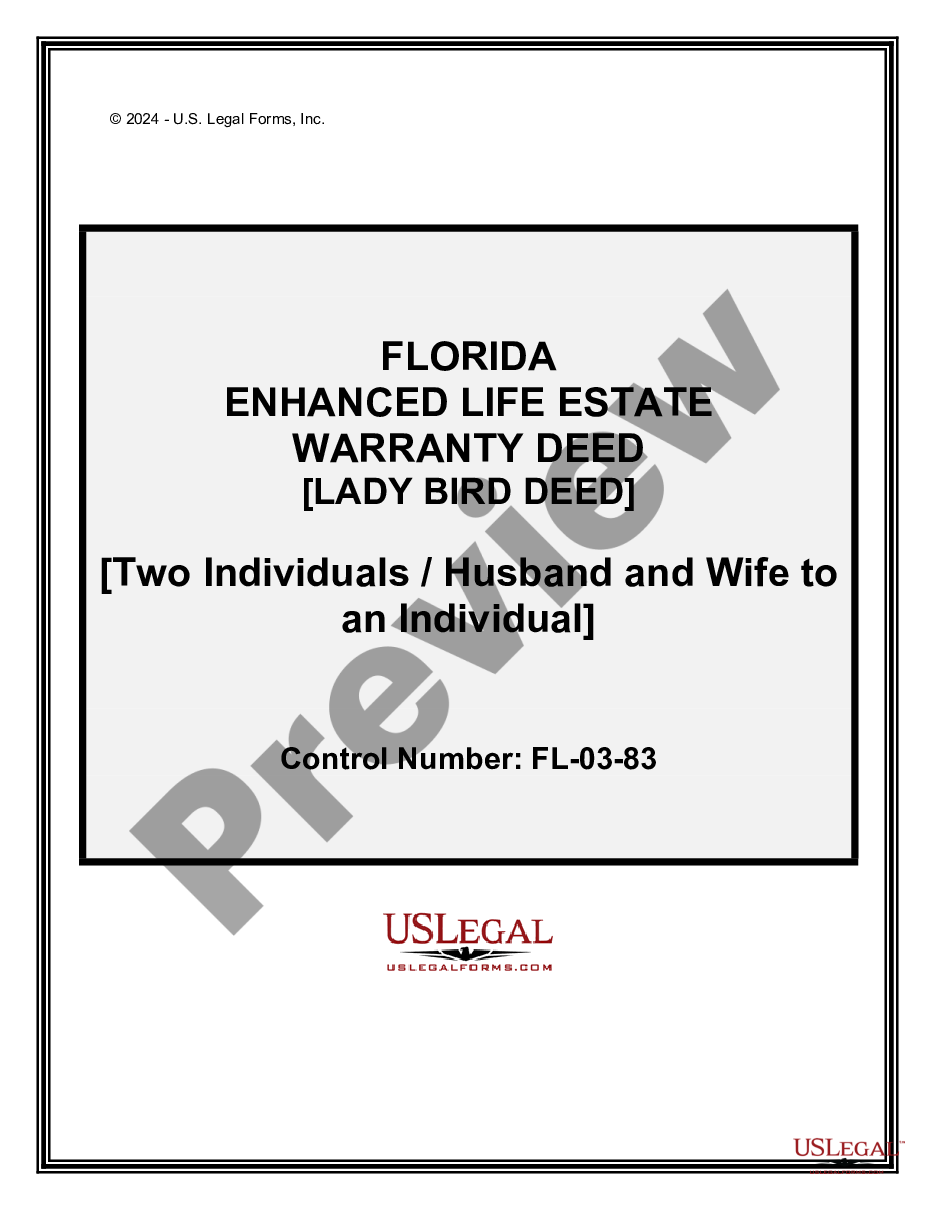
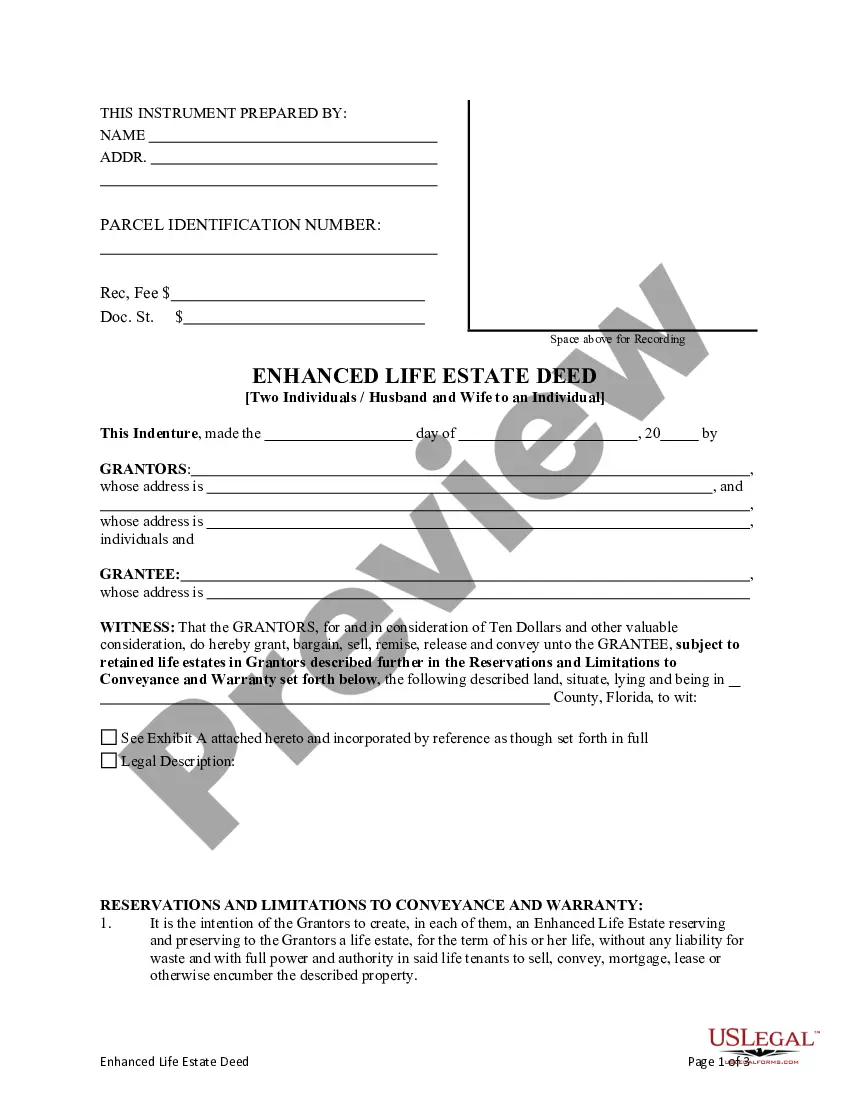
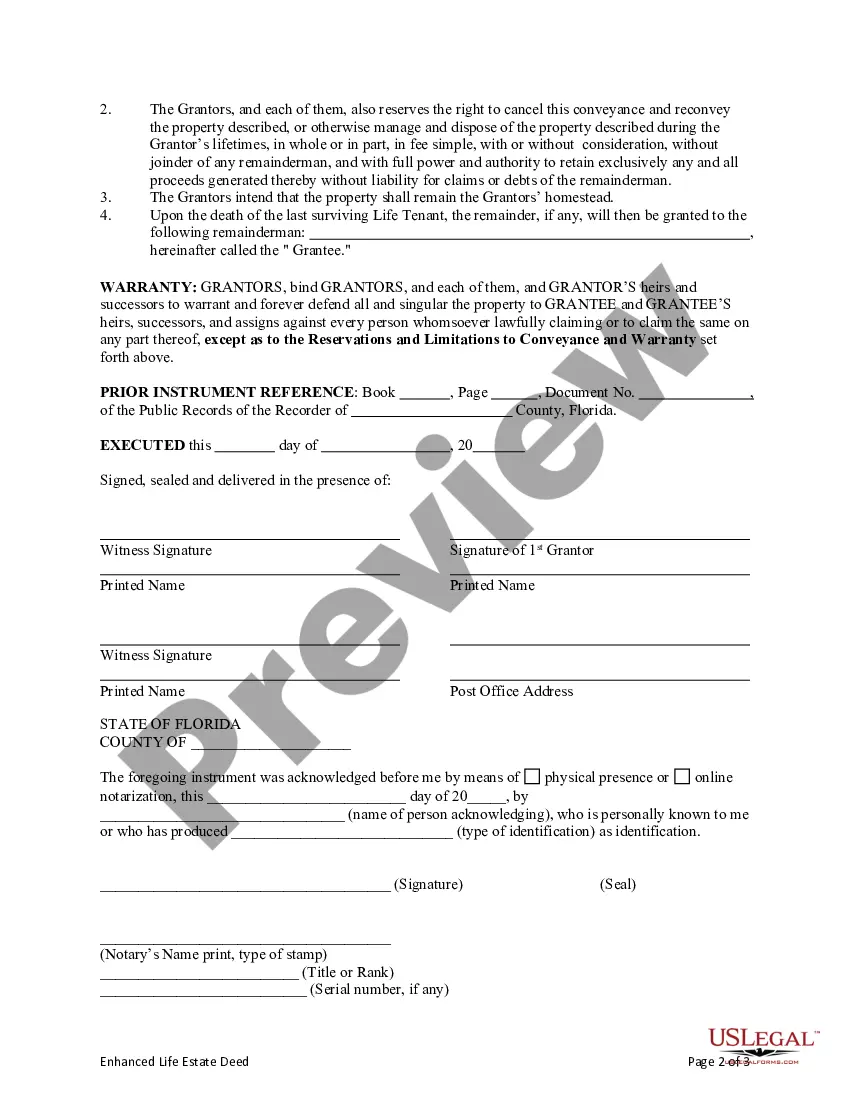

Get your form ready online
Our built-in tools help you complete, sign, share, and store your documents in one place.
Make edits, fill in missing information, and update formatting in US Legal Forms—just like you would in MS Word.
Download a copy, print it, send it by email, or mail it via USPS—whatever works best for your next step.
Sign and collect signatures with our SignNow integration. Send to multiple recipients, set reminders, and more. Go Premium to unlock E-Sign.
If this form requires notarization, complete it online through a secure video call—no need to meet a notary in person or wait for an appointment.
We protect your documents and personal data by following strict security and privacy standards.

Make edits, fill in missing information, and update formatting in US Legal Forms—just like you would in MS Word.

Download a copy, print it, send it by email, or mail it via USPS—whatever works best for your next step.

Sign and collect signatures with our SignNow integration. Send to multiple recipients, set reminders, and more. Go Premium to unlock E-Sign.

If this form requires notarization, complete it online through a secure video call—no need to meet a notary in person or wait for an appointment.

We protect your documents and personal data by following strict security and privacy standards.
Looking for another form?

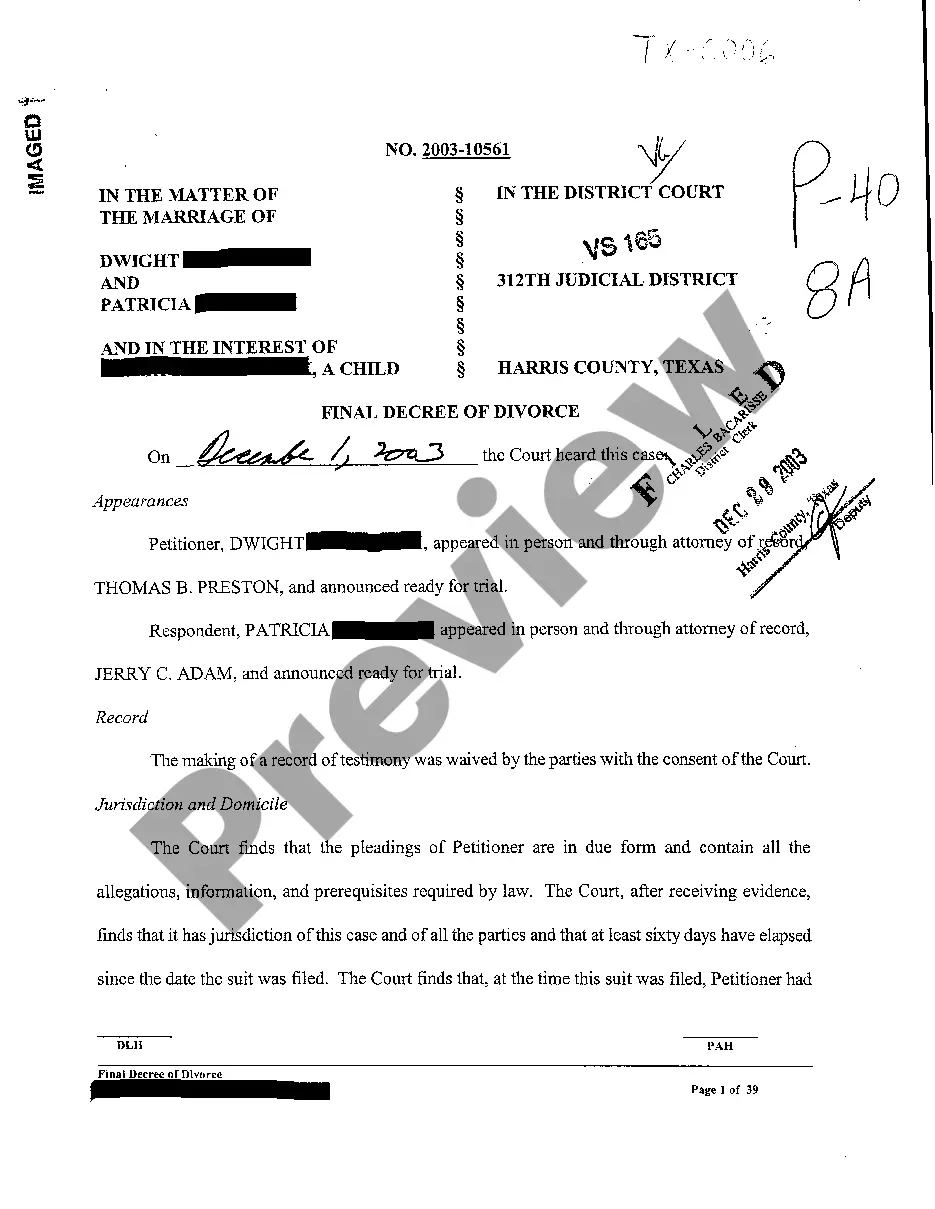





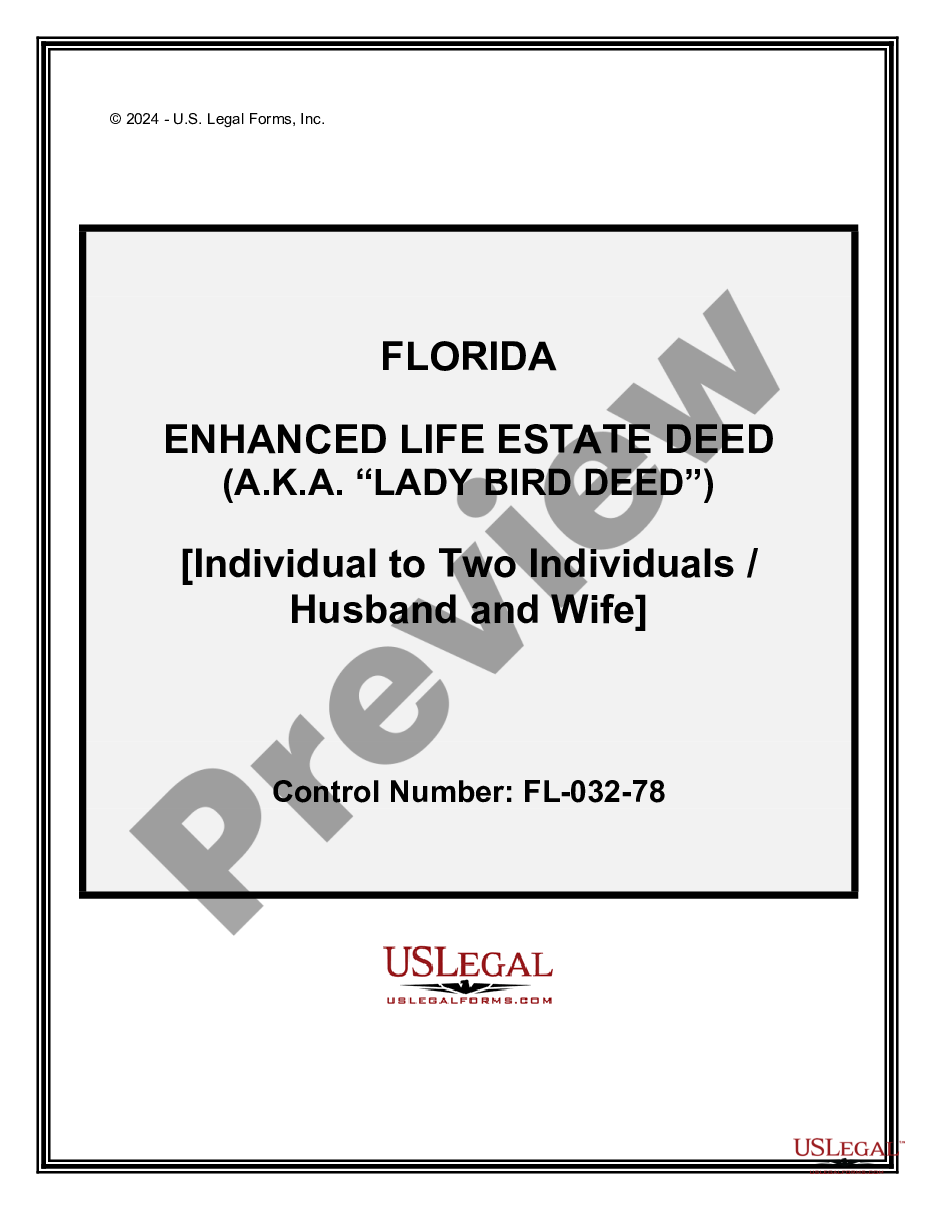
How to fill out Florida Enhanced Life Estate Or Lady Bird Deed - Two Individual / Husband And Wife To Individual?
Whether for commercial reasons or for individual matters, everyone must confront legal issues sooner or later in their lives.
Filling out legal documents requires meticulous focus, beginning with choosing the correct form template.
After downloading, you can fill out the form using editing software or print it to complete it by hand. With a comprehensive US Legal Forms library available, you no longer need to waste time searching for the right template on the internet. Take advantage of the library’s simple navigation to locate the correct form for any scenario.
- Obtain the form you need by utilizing the search bar or catalog browsing.
- Review the form’s details to confirm it aligns with your circumstance, state, and county.
- Click on the form’s preview to inspect it.
- If it is the wrong document, return to the search feature to find the Life Estate Grant Foreclosure template you need.
- Download the form when it meets your requirements.
- If you possess a US Legal Forms account, simply click Log in to access previously saved documents in My documents.
- If you do not have an account yet, you can download the document by clicking Buy now.
- Select the appropriate pricing option.
- Complete the account sign-up form.
- Choose your payment method: use a credit card or PayPal.
- Select the document format you desire and download the Life Estate Grant Foreclosure.
Form popularity
FAQ
There is no simple way to reverse a life estate because a life estate deed is a legal transfer of the title of a property. This is legally binding and the transaction is complete when the life estate is executed. Essentially, in order to reverse a life estate both parties would need to agree to make it happen.
You will be entitled to any equity in the property after the bank sells it, however, there will be legal and selling costs to cover. The property may sell below market price, and if you had an insured mortgage you can be sued for any remaining balance.
The trust's beneficiary may be a spouse, the grantor's children, or a charitable organization. A life estate is also "irrevocable." Once a life estate deed is filed, the life tenant cannot alter the agreement without the consent of the remainderman.
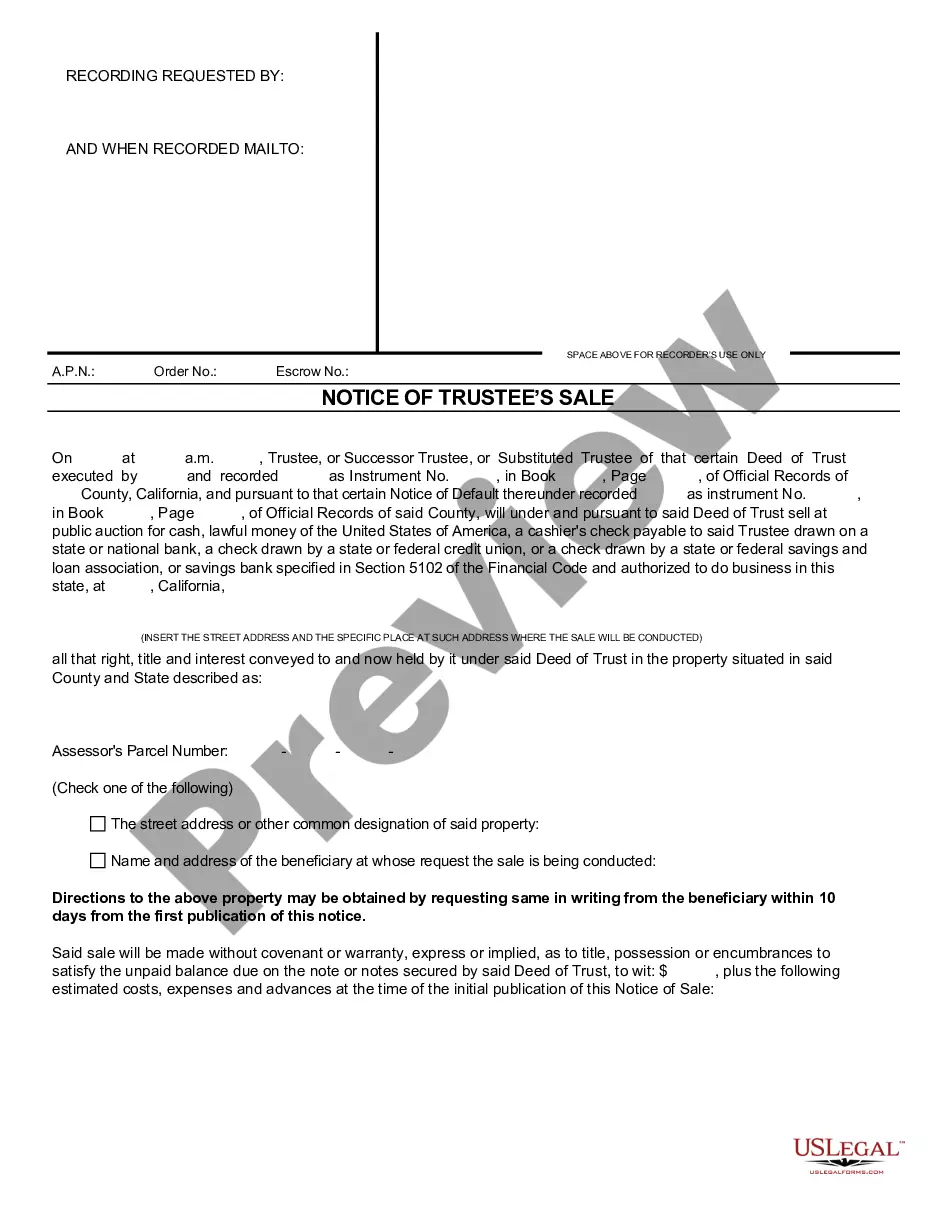
For this reason, it is recommended that the homeowner acts immediately to try to stop the foreclosure. In general, a power of sale takes around 6 months to complete and a foreclosure takes at least a year to complete. Both legal processes begin when a Notice of Sale is sent.
If there is a shortfall after the bank forecloses, CMHC (Canada Mortgage and Housing Corporation) steps in, pays the bank, and then pursues the client for the remaining balance.