Florida Court For Child Support
Description
Get your form ready online
Our built-in tools help you complete, sign, share, and store your documents in one place.
Make edits, fill in missing information, and update formatting in US Legal Forms—just like you would in MS Word.
Download a copy, print it, send it by email, or mail it via USPS—whatever works best for your next step.
Sign and collect signatures with our SignNow integration. Send to multiple recipients, set reminders, and more. Go Premium to unlock E-Sign.
If this form requires notarization, complete it online through a secure video call—no need to meet a notary in person or wait for an appointment.
We protect your documents and personal data by following strict security and privacy standards.

Make edits, fill in missing information, and update formatting in US Legal Forms—just like you would in MS Word.

Download a copy, print it, send it by email, or mail it via USPS—whatever works best for your next step.

Sign and collect signatures with our SignNow integration. Send to multiple recipients, set reminders, and more. Go Premium to unlock E-Sign.

If this form requires notarization, complete it online through a secure video call—no need to meet a notary in person or wait for an appointment.

We protect your documents and personal data by following strict security and privacy standards.
Looking for another form?
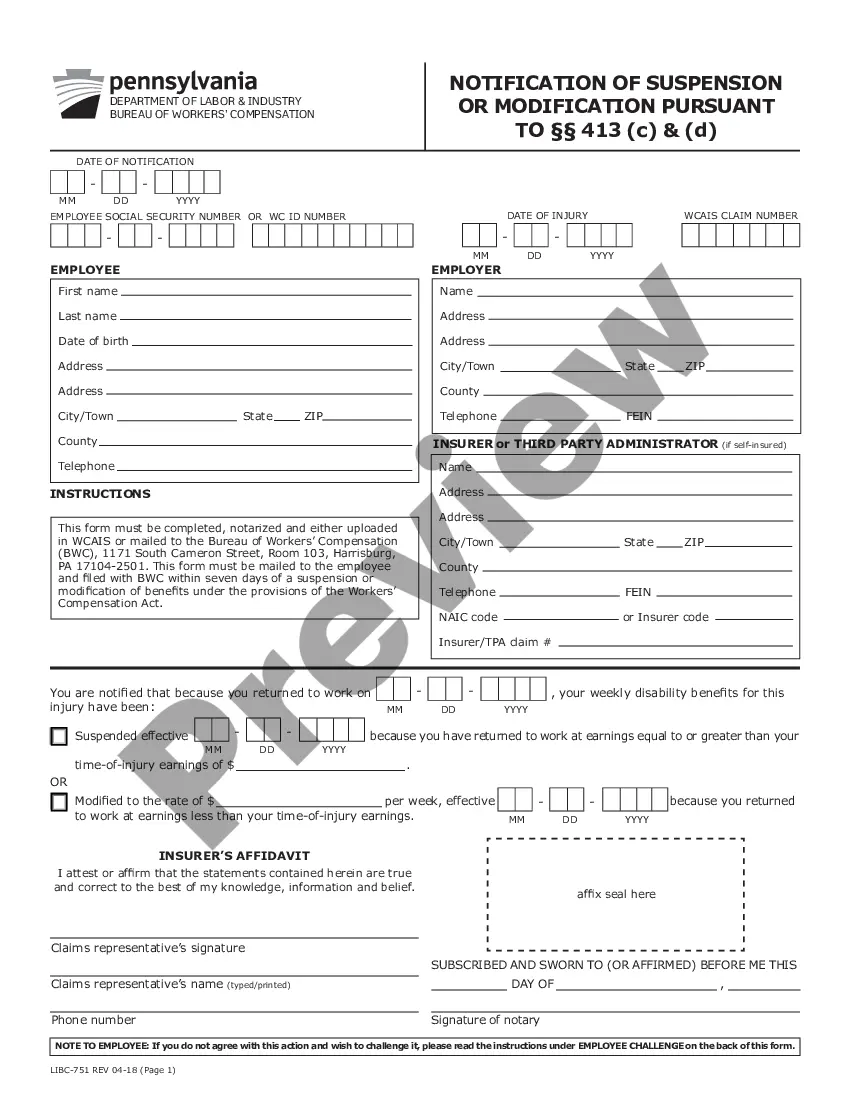

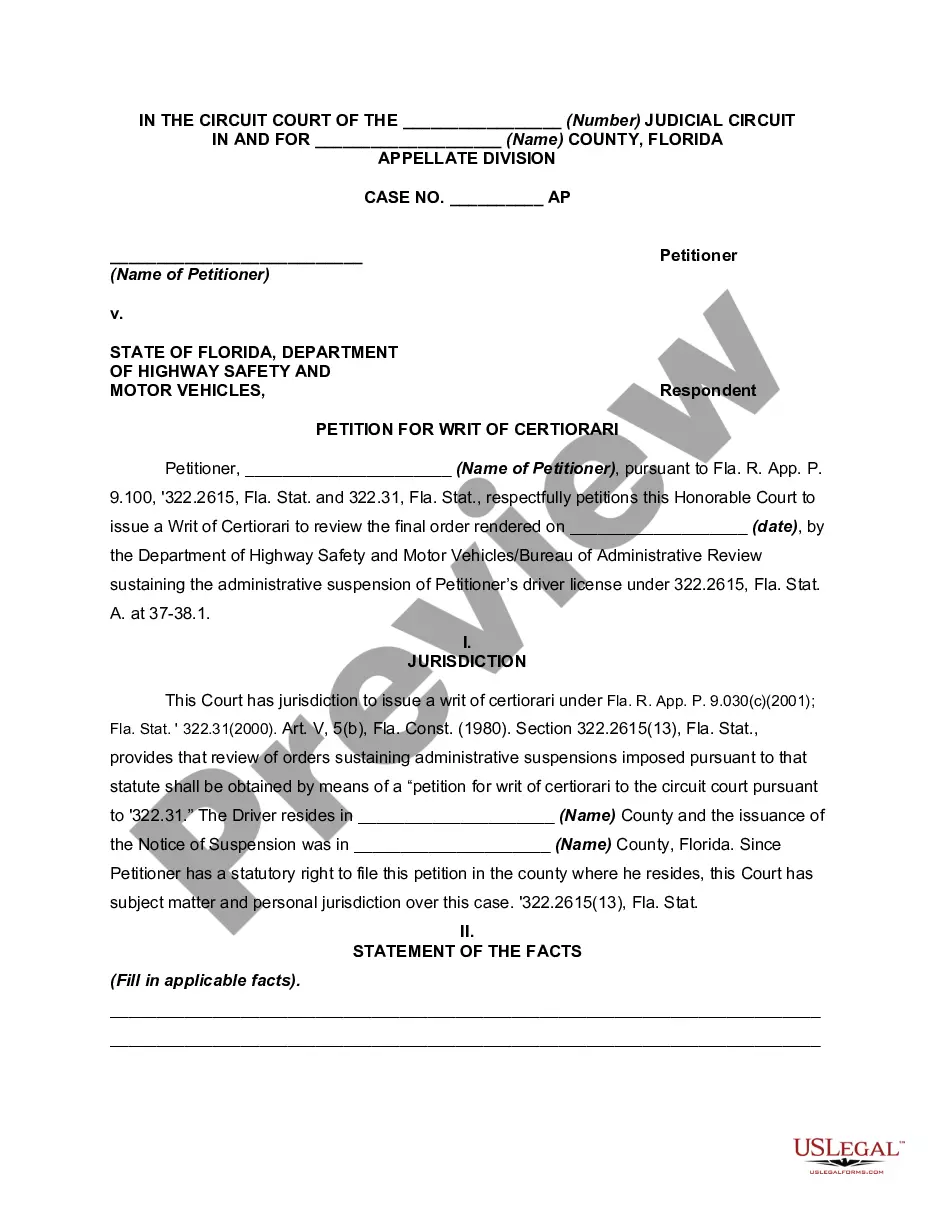
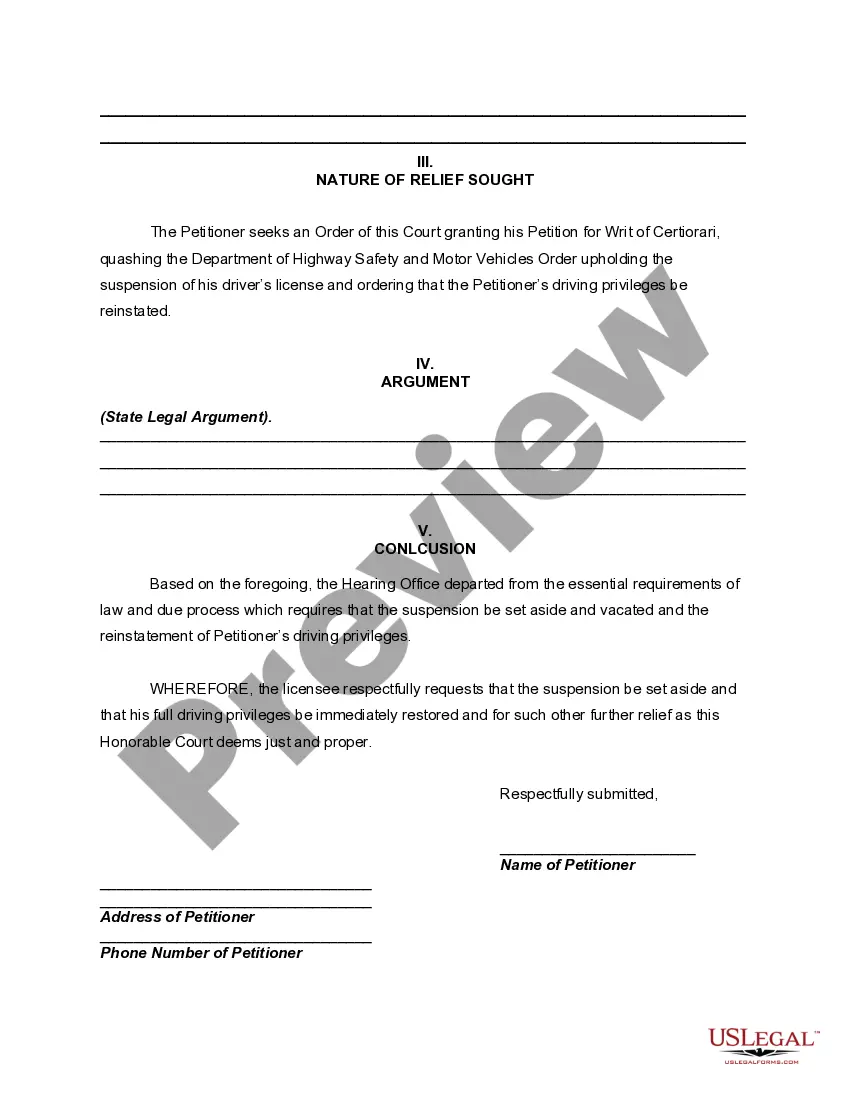
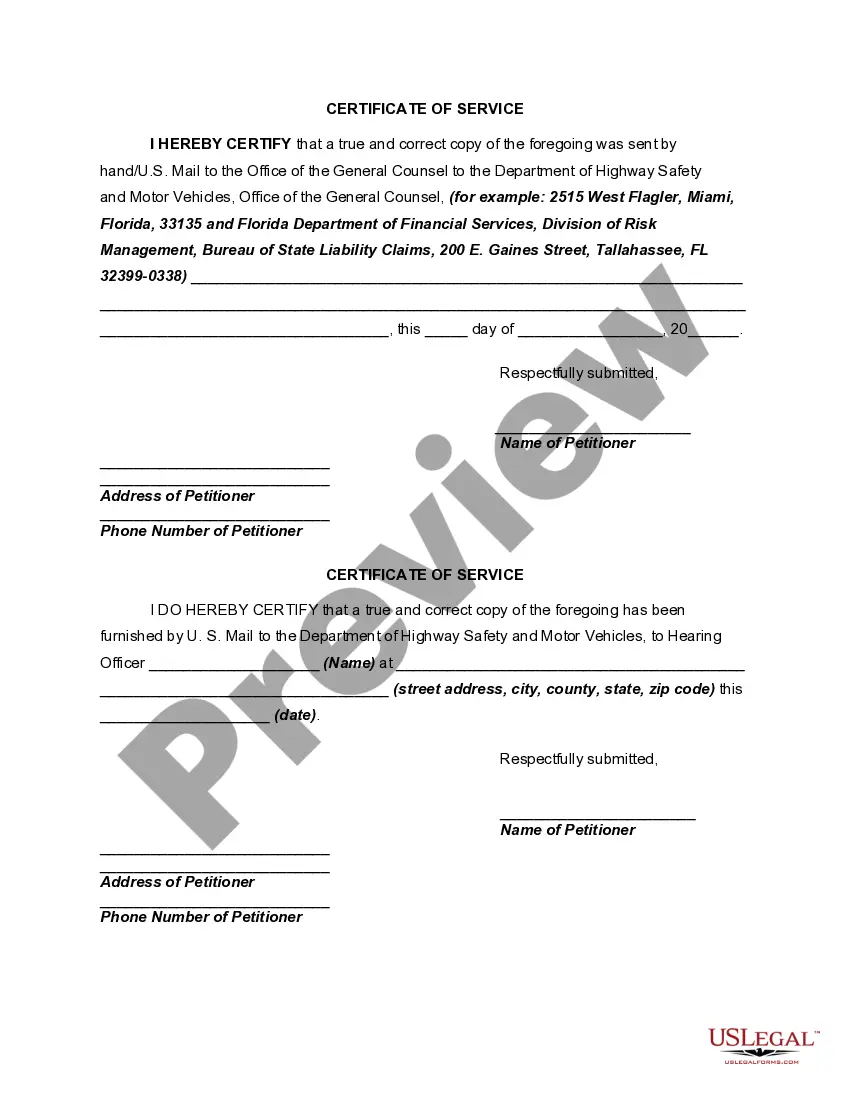
How to fill out Florida Writ Of Certiorari And Appeal Of License Suspension?
How to locate professional legal documents that conform to your state regulations and create the Florida Court for Child Support without enlisting a lawyer.
Numerous services online provide templates to address various legal circumstances and requirements.
However, identifying which of the existing samples satisfies both your use case and legal standards may require time.
If you're not registered with US Legal Forms, follow these steps: Review the webpage you've accessed and verify if the form meets your requirements. Utilize the form description and preview options if available. Search for an alternative template in the header that provides your state if necessary. Click the Buy Now button upon finding the suitable document. Select the most appropriate pricing plan, then Log In or register for an account. Choose your payment method (via credit card or PayPal). Adjust the file format for your Florida Court for Child Support and select Download. The obtained templates are yours to keep: you can always revisit them in the My documents section of your account. Enroll in our library and draft legal documents independently like a seasoned legal professional!
- US Legal Forms is a recognized service that assists you in locating formal papers crafted according to the latest state law revisions and economizes on legal support.
- US Legal Forms is not a mere online directory; it boasts a compilation of over 85,000 authenticated templates for diverse business and personal situations.
- All documents are organized by region and state to expedite your search and simplify the process.
- Moreover, it incorporates robust solutions for PDF modification and eSignature, permitting users with a Premium subscription to quickly complete their forms online.
- Securing the necessary paperwork takes minimal time and effort.
- If you possess an account, Log In and confirm that your subscription is active.
- Download the Florida Court for Child Support using the relevant button adjacent to the file name.
Form popularity
FAQ
Yes, Florida recently updated its child support laws to improve the system's efficiency and fairness. These changes reflect a shift towards ensuring that both parents contribute appropriately, supporting children’s needs more effectively. Staying informed about these laws is essential for navigating the Florida court for child support successfully.
To file for child support in Florida, you begin by submitting a petition to the local circuit court. Ensure you provide necessary documentation about income and other relevant financial information. Using resources like USLegalForms can simplify this process, guiding you through the necessary steps required in the Florida court for child support.
The updated law in Florida regarding child support focuses on ensuring fair calculations based on both parents' income and the child’s needs. It also encourages timely payments by incorporating measures that hold parents accountable within the Florida court for child support framework. These changes aim to support children’s wellbeing more effectively.
The new parenting law in Florida emphasizes shared parenting arrangements. It encourages both parents to remain actively involved in their child's life, balancing responsibilities. This shift aims to promote healthier relationships between parents and children, specifically in Florida court for child support cases.
In Florida, the percentage of a father's income allocated for child support is determined by specific guidelines that consider various factors. Typically, this could range from 18% to 25%, depending on how many children are involved and the overall income of both parents. The Florida court for child support aims to ensure that the child's needs are met without placing undue burden on either parent. Using platforms like USLegalForms can help clarify obligations and facilitate understanding of these percentages.
The duration of the child support process in a Florida court can vary depending on the specific circumstances and complexity of the case. Generally, if both parents agree on terms, the process can be resolved more quickly. However, contested cases may require several hearings and take longer. It is wise to prepare for potential delays and stay informed throughout the process.
In a Florida court for child support, child support amounts are typically calculated using guidelines based on the parents' incomes and the child’s needs. The state uses an income shares model to ensure both parents contribute to support. Factors like healthcare costs, education expenses, and visitation schedules also influence the final decision. Consulting with a knowledgeable professional can help clarify these calculations.
A Florida court for child support operates to determine fair financial support for children whose parents do not live together. Both parents must present evidence related to their income, expenses, and the child's needs. The court follows state guidelines to assess how much support is appropriate, considering various factors. Understanding the process can make it easier to navigate your responsibilities.
During a child support hearing in a Florida court, both parents present evidence regarding their finances and the needs of the child. The court will review documentation, such as income statements and expense reports. After considering this information, the judge will make a decision regarding the amount of support necessary to ensure the child’s wellbeing. This process emphasizes the child’s best interests.
When attending a hearing at a Florida court for child support, avoid negative statements about your child’s other parent. Refrain from making personal attacks or accusations, as they do not help your case. Focus on providing clear information about your financial situation and your child's needs. Keeping the conversation respectful can significantly impact the court's perception.