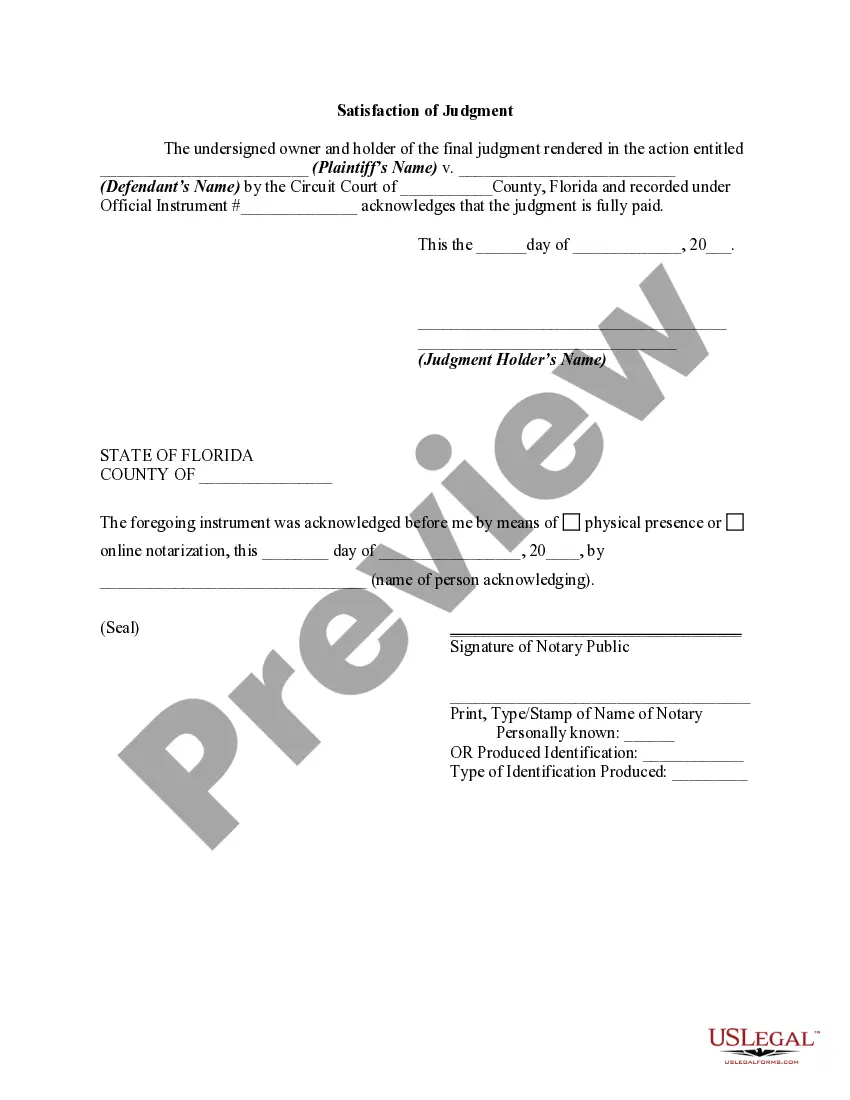
Satisfaction Of Judgment Form Michigan
Description
Get your form ready online
Our built-in tools help you complete, sign, share, and store your documents in one place.
Make edits, fill in missing information, and update formatting in US Legal Forms—just like you would in MS Word.
Download a copy, print it, send it by email, or mail it via USPS—whatever works best for your next step.
Sign and collect signatures with our SignNow integration. Send to multiple recipients, set reminders, and more. Go Premium to unlock E-Sign.
If this form requires notarization, complete it online through a secure video call—no need to meet a notary in person or wait for an appointment.
We protect your documents and personal data by following strict security and privacy standards.

Make edits, fill in missing information, and update formatting in US Legal Forms—just like you would in MS Word.

Download a copy, print it, send it by email, or mail it via USPS—whatever works best for your next step.

Sign and collect signatures with our SignNow integration. Send to multiple recipients, set reminders, and more. Go Premium to unlock E-Sign.

If this form requires notarization, complete it online through a secure video call—no need to meet a notary in person or wait for an appointment.

We protect your documents and personal data by following strict security and privacy standards.
Looking for another form?


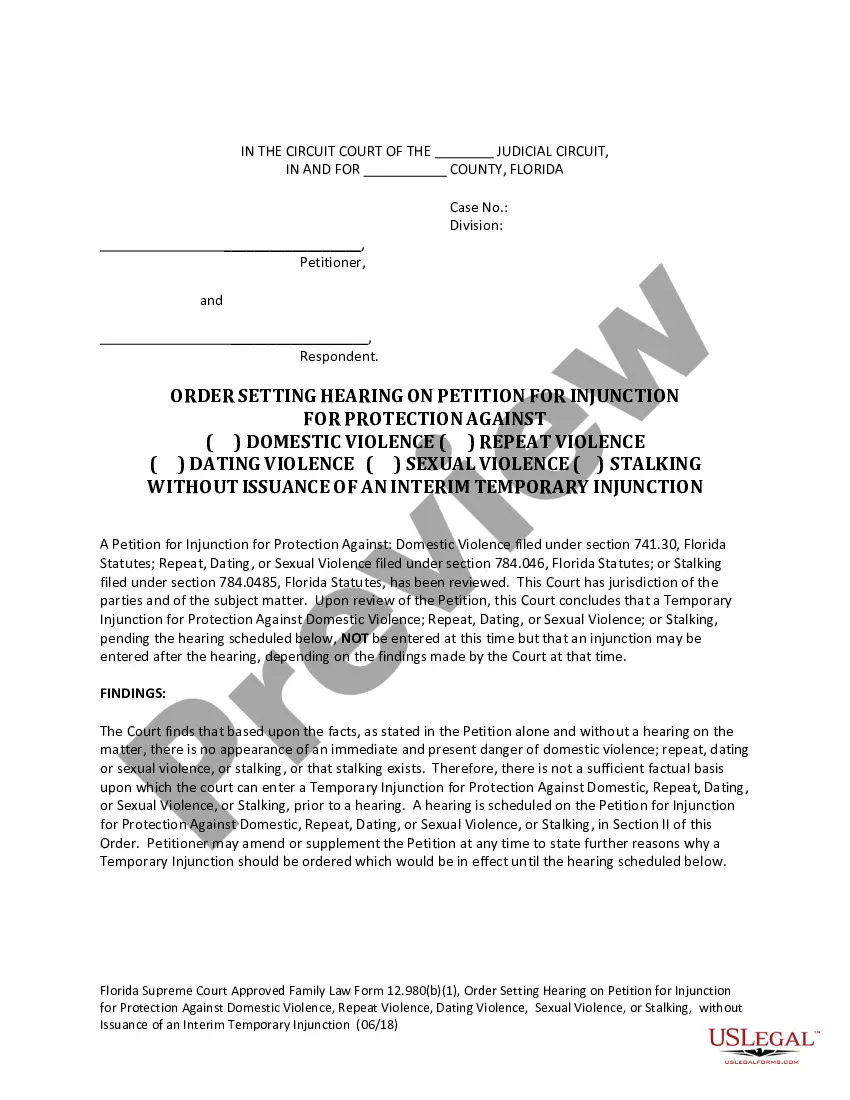
How to fill out Florida Satisfaction Of Judgment?
Accessing legal document samples that comply with federal and state regulations is essential, and the internet provides numerous alternatives to select from.
But what’s the benefit of wasting time searching for the accurately drafted Satisfaction Of Judgment Form Michigan sample online when the US Legal Forms digital library already has such templates gathered in one location.
US Legal Forms is the largest online legal repository with over 85,000 fillable templates created by attorneys for any professional and personal situation. They are easy to navigate with all documents categorized by state and intended use. Our experts stay updated with legislative changes, ensuring your paperwork is always current and compliant when acquiring a Satisfaction Of Judgment Form Michigan from our site.
All documents you find through US Legal Forms are reusable. To re-download and complete previously acquired forms, access the My documents section in your account. Take advantage of the most comprehensive and user-friendly legal documentation service!
- Examine the template using the Preview feature or through the text outline to confirm it suits your requirements.
- If needed, find another sample using the search function at the top of the page.
- When you’ve found the correct form, click Buy Now and select a subscription plan.
- Create an account or Log In and process a payment via PayPal or a credit card.
- Select the appropriate format for your Satisfaction Of Judgment Form Michigan and download it.
Form popularity
FAQ
In Michigan, you generally have 21 days to file a response to a motion. However, this timeframe can vary based on the specific court rules or the nature of the motion. It’s essential to consult the court’s guidelines or consider using the Satisfaction of Judgment form Michigan to ensure all your paperwork is in order and submitted on time.
In Michigan, a 6500 motion refers to a request for a judgment to be set aside or vacated. This motion typically involves demonstrating that there were valid reasons for not responding to the initial court order. Understanding the implications of a 6500 motion can help you navigate your legal options effectively, and resources like the Satisfaction of Judgment form Michigan can assist in formalizing your requests.
To request court documents in Michigan, you generally need to contact the specific court where your case was heard. You can submit a written request or visit the court in person to obtain the necessary documents. For convenience, consider using online platforms like US Legal Forms, which provide resources and templates, including the Satisfaction of Judgment form Michigan, to help you navigate the process efficiently. This approach ensures you receive the correct documentation while saving you time and effort.
In Michigan, the 7 day rule refers to the requirement that a party must wait at least seven days after a judgment is entered before filing a Satisfaction of Judgment form. This waiting period allows time for any potential appeals or motions to be filed. Once this period has passed, you can proceed to complete and submit the Satisfaction of Judgment form Michigan to ensure that the judgment is officially recorded as satisfied. This process is crucial for restoring your creditworthiness and clearing your legal obligations.
In Michigan, you generally have 10 years to collect on a judgment. This period can be extended under certain circumstances, such as renewing the judgment before it expires. It’s essential to take action within this timeframe to enforce your rights effectively. For assistance in managing your judgment collection process, check out the Satisfaction of judgment form Michigan available on US Legal Forms.
In Michigan, not paying a court judgment typically does not result in jail time. Courts focus on collecting the awarded amount rather than punishing the debtor with incarceration. However, if you ignore court orders or fail to comply with payment plans, you might face legal consequences. To understand your obligations better, consider using the Satisfaction of judgment form Michigan through US Legal Forms.
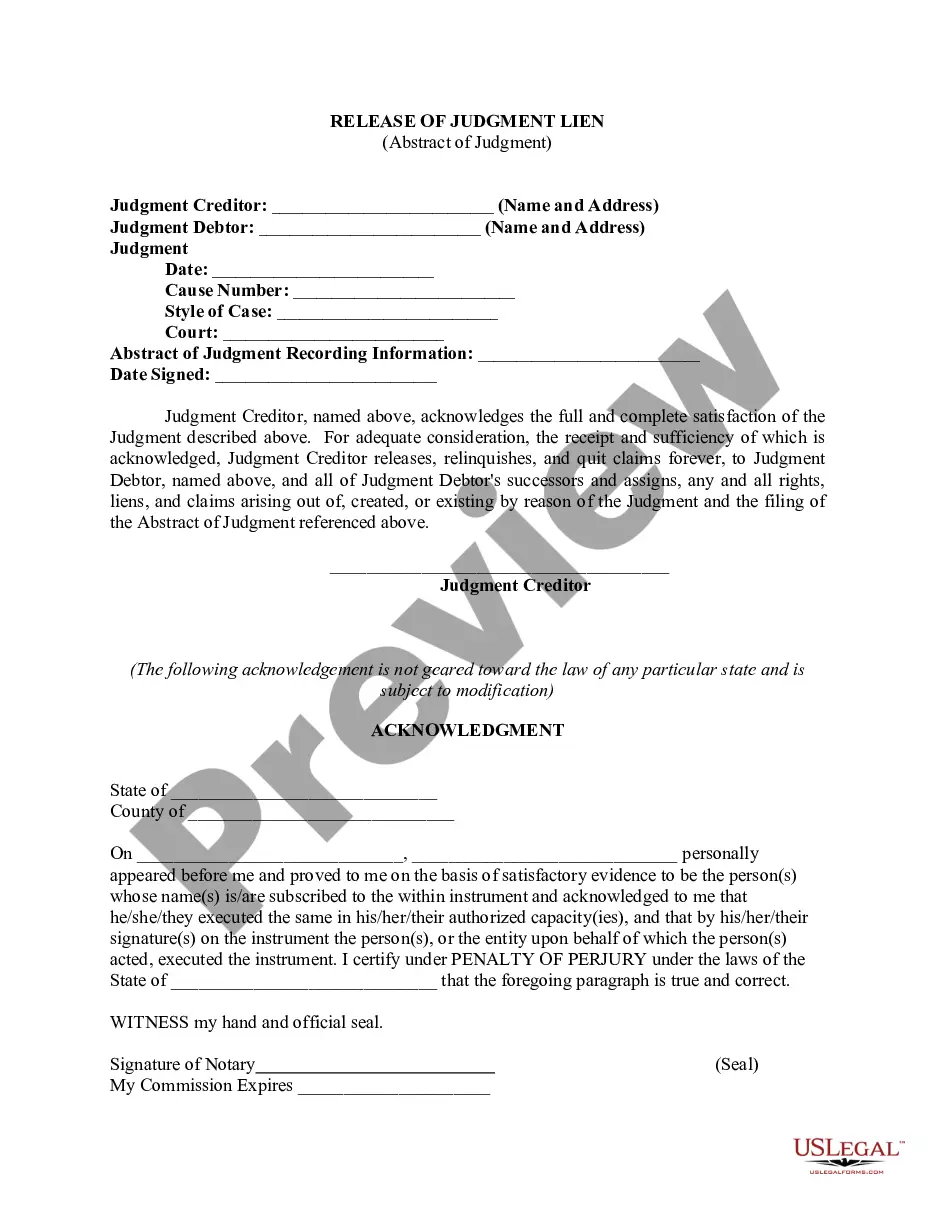
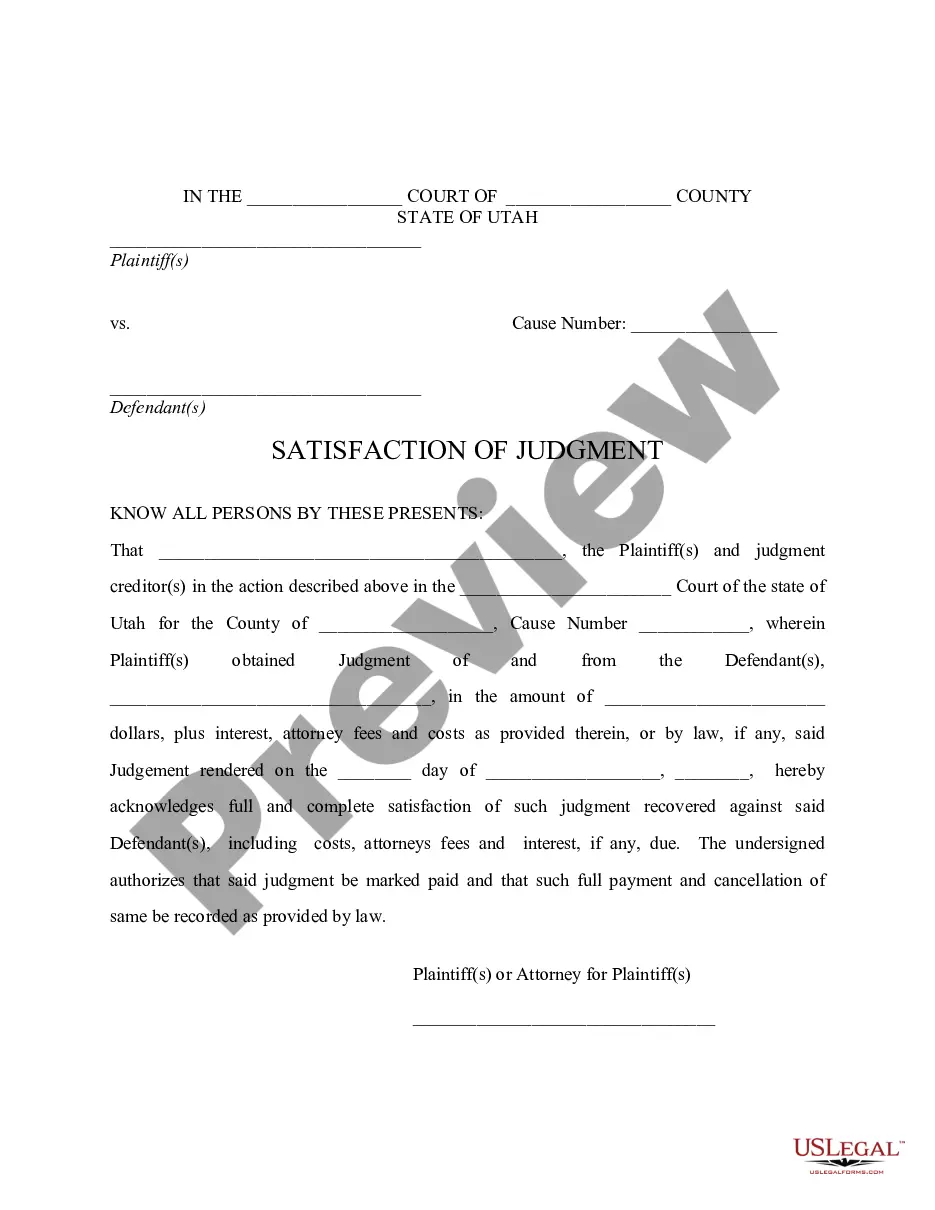
Tells the court and others that a judgment has been paid in full or in part. Can be recorded with a county to release a lien against the judgment debtor's land or filed with the Secretary of State to release a lien against the debtor's personal property.
If the defendant does not pay the judgment as ordered, you will have to collect your money through an execution against property or a garnishment. To get an execution against property or garnishment, you will first need to know: Where the defendant lives and works.
Garnishment is a court procedure that allows you to collect the money owed to you by taking in from the judgment debtor's wages, bank account, or another source (such as income tax refunds). To file a garnishment, contact the court clerk for the proper forms. Instructions are provided with the form.
If you want to file a request to seize property, you may use form MC 19, Request and Order to Seize Property. If the court officer is successful in collecting money from the defendant, this process costs you nothing. The defendant is required to pay all court officer expenses as well as the judgment.