Legal. Wife
Description
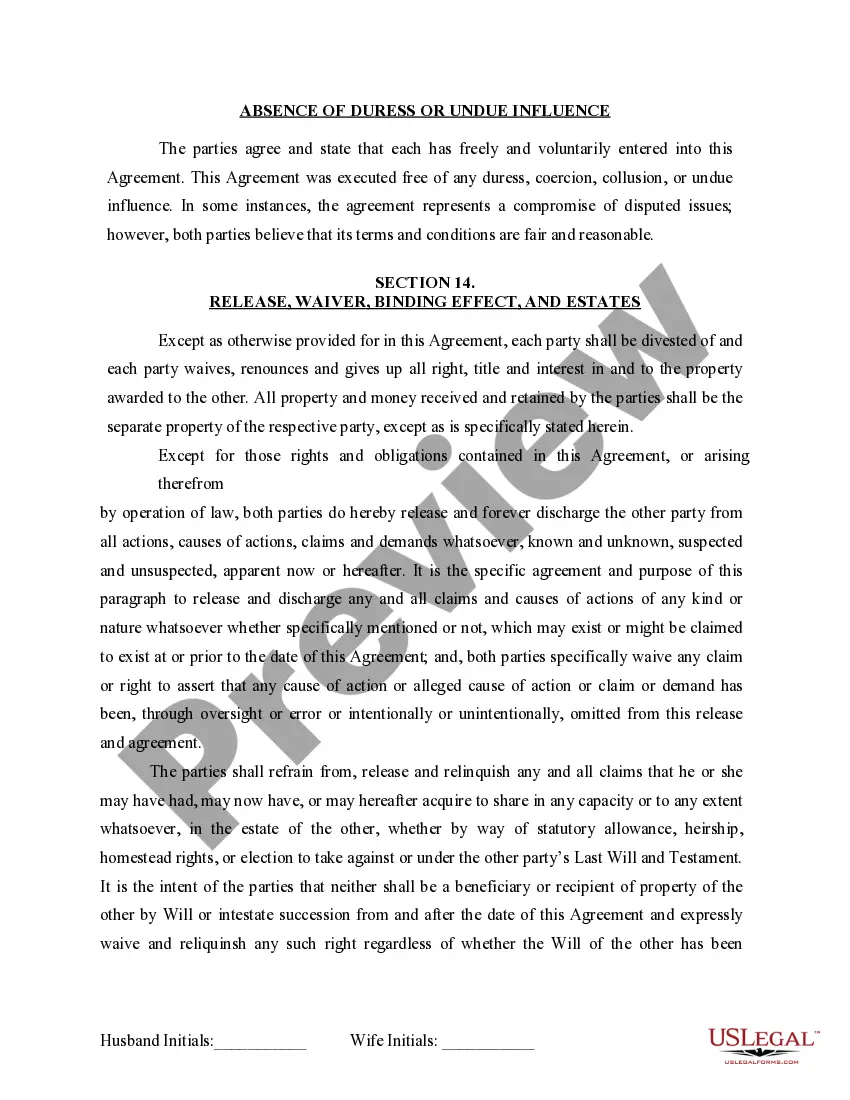

Get your form ready online
Our built-in tools help you complete, sign, share, and store your documents in one place.
Make edits, fill in missing information, and update formatting in US Legal Forms—just like you would in MS Word.
Download a copy, print it, send it by email, or mail it via USPS—whatever works best for your next step.
Sign and collect signatures with our SignNow integration. Send to multiple recipients, set reminders, and more. Go Premium to unlock E-Sign.
If this form requires notarization, complete it online through a secure video call—no need to meet a notary in person or wait for an appointment.
We protect your documents and personal data by following strict security and privacy standards.

Make edits, fill in missing information, and update formatting in US Legal Forms—just like you would in MS Word.

Download a copy, print it, send it by email, or mail it via USPS—whatever works best for your next step.

Sign and collect signatures with our SignNow integration. Send to multiple recipients, set reminders, and more. Go Premium to unlock E-Sign.

If this form requires notarization, complete it online through a secure video call—no need to meet a notary in person or wait for an appointment.

We protect your documents and personal data by following strict security and privacy standards.
Looking for another form?






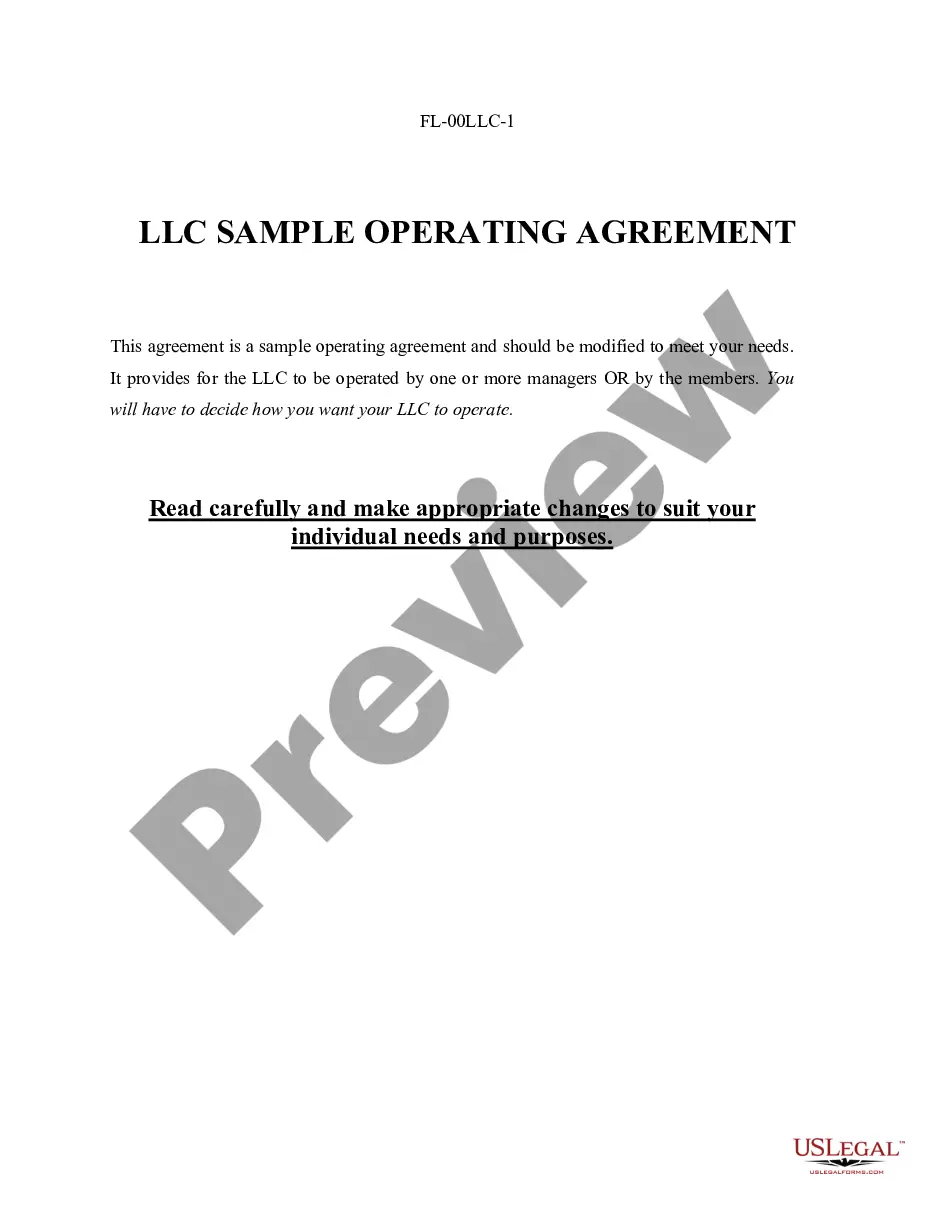
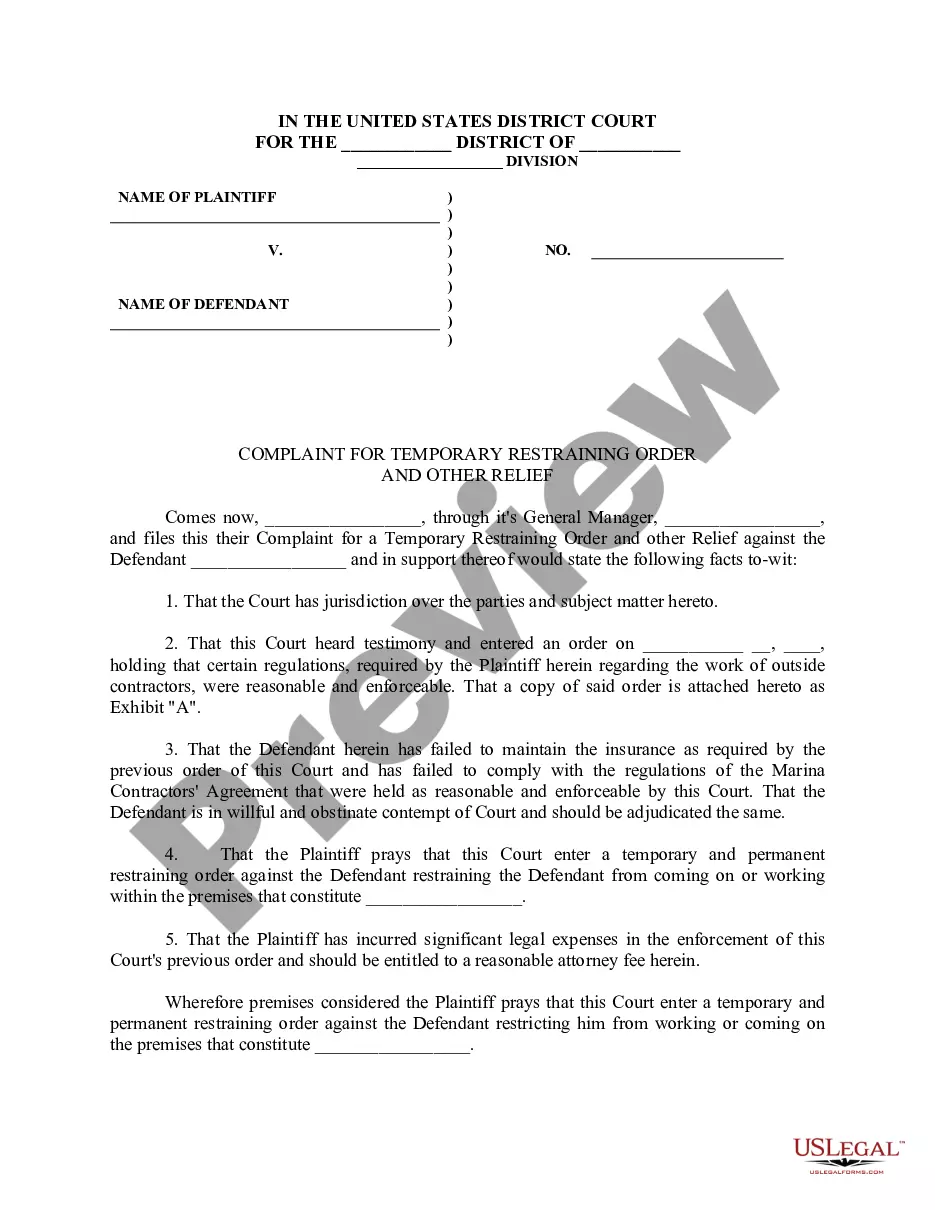


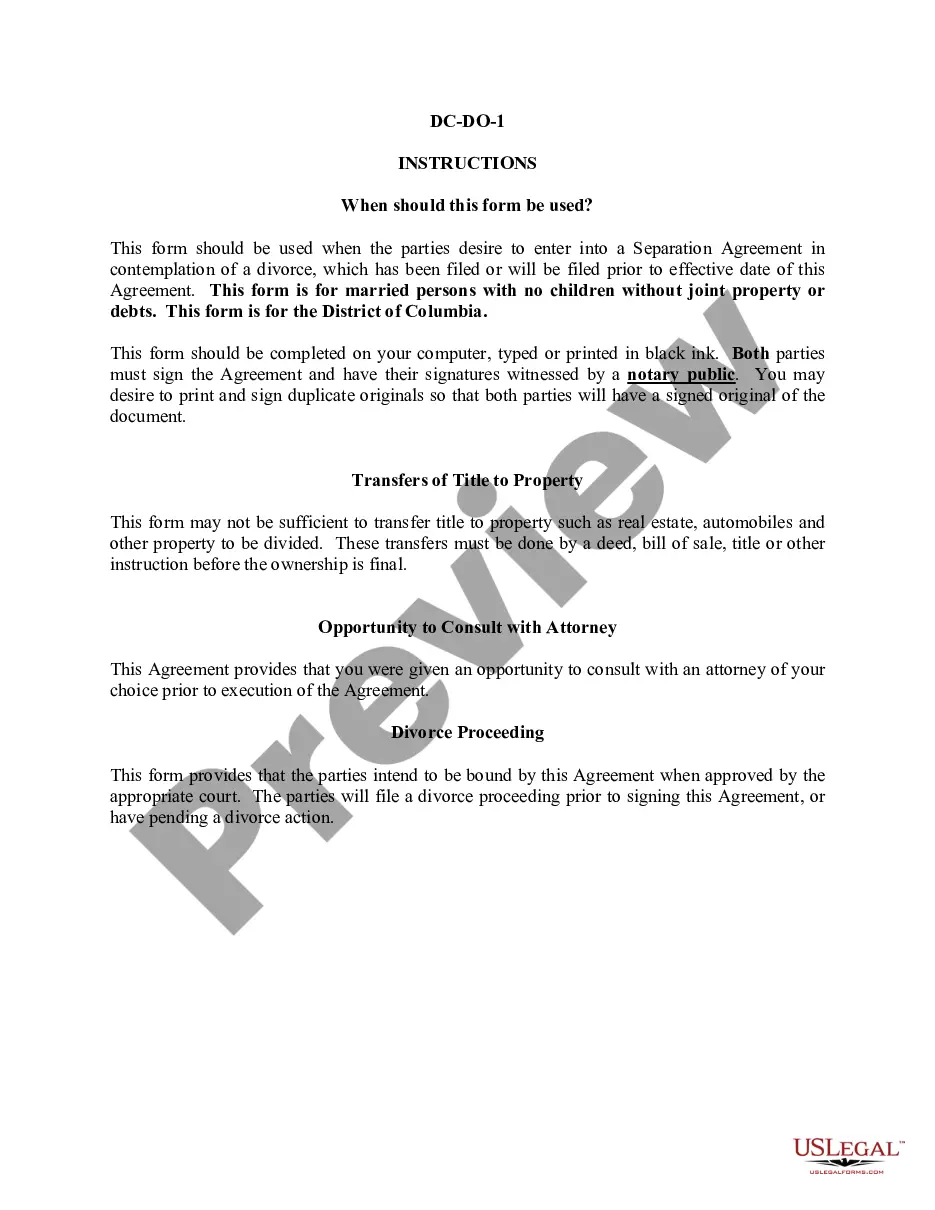
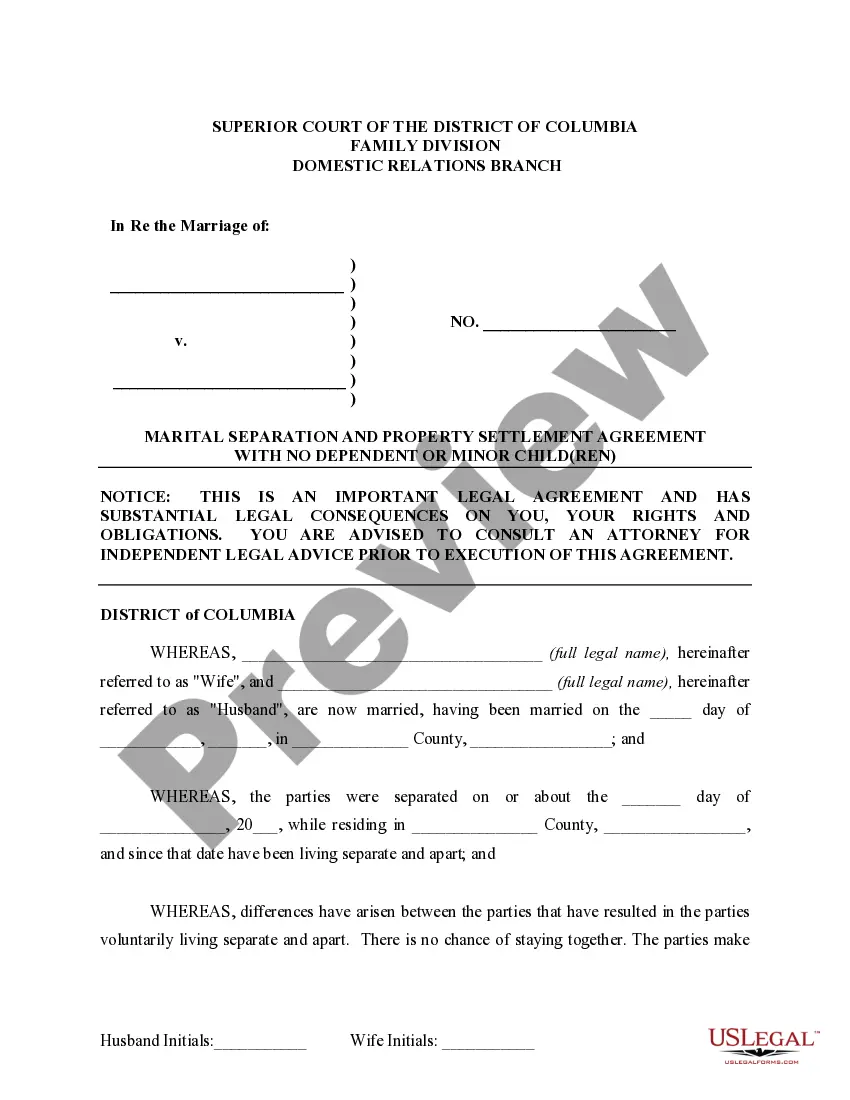
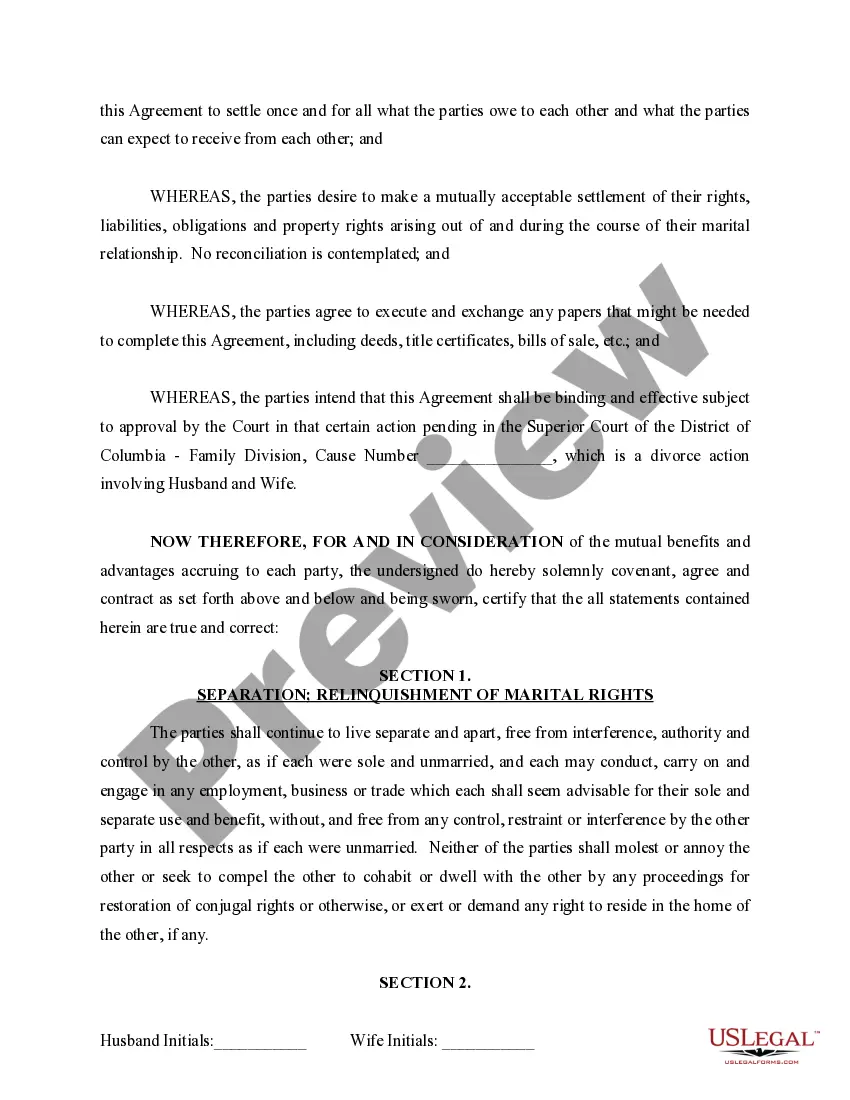
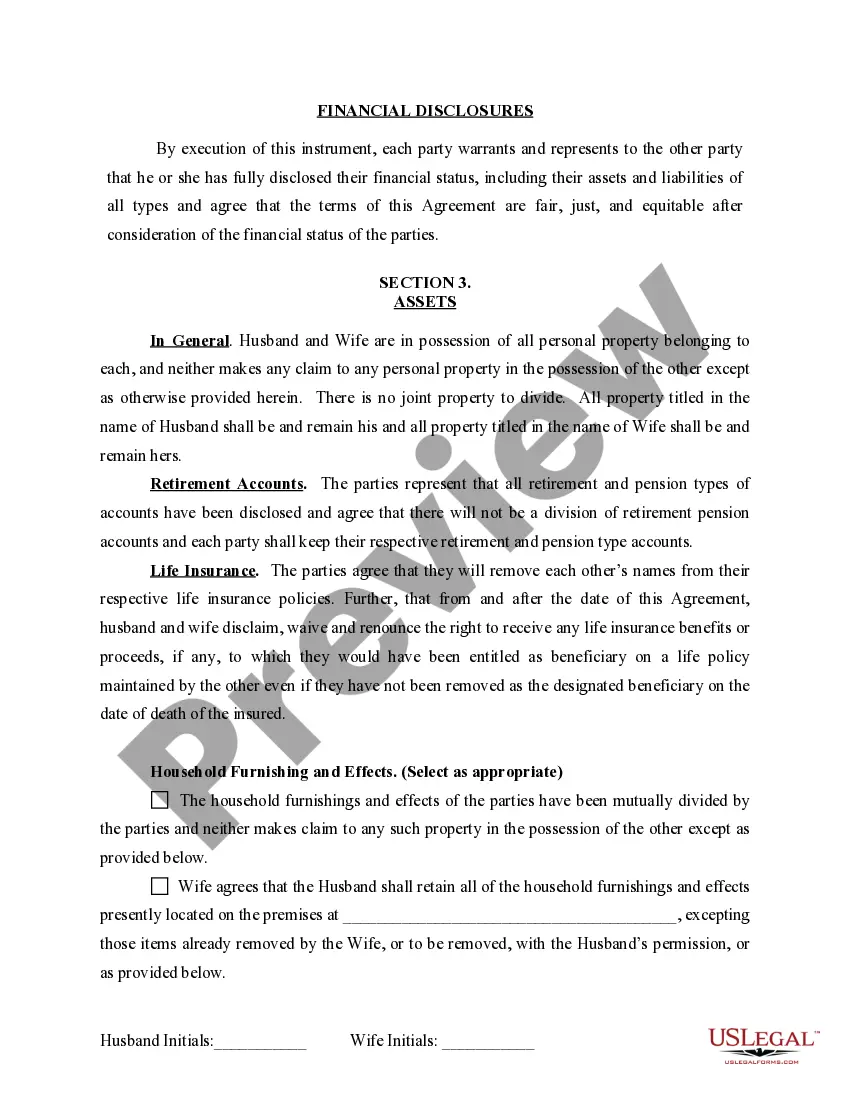
How to fill out District Of Columbia Marital Legal Separation And Property Settlement Agreement For Persons With No Children, No Joint Property Or Debts Where Divorce Action Filed?
- If you have an existing account, log in and check your subscription status before downloading the necessary form template.
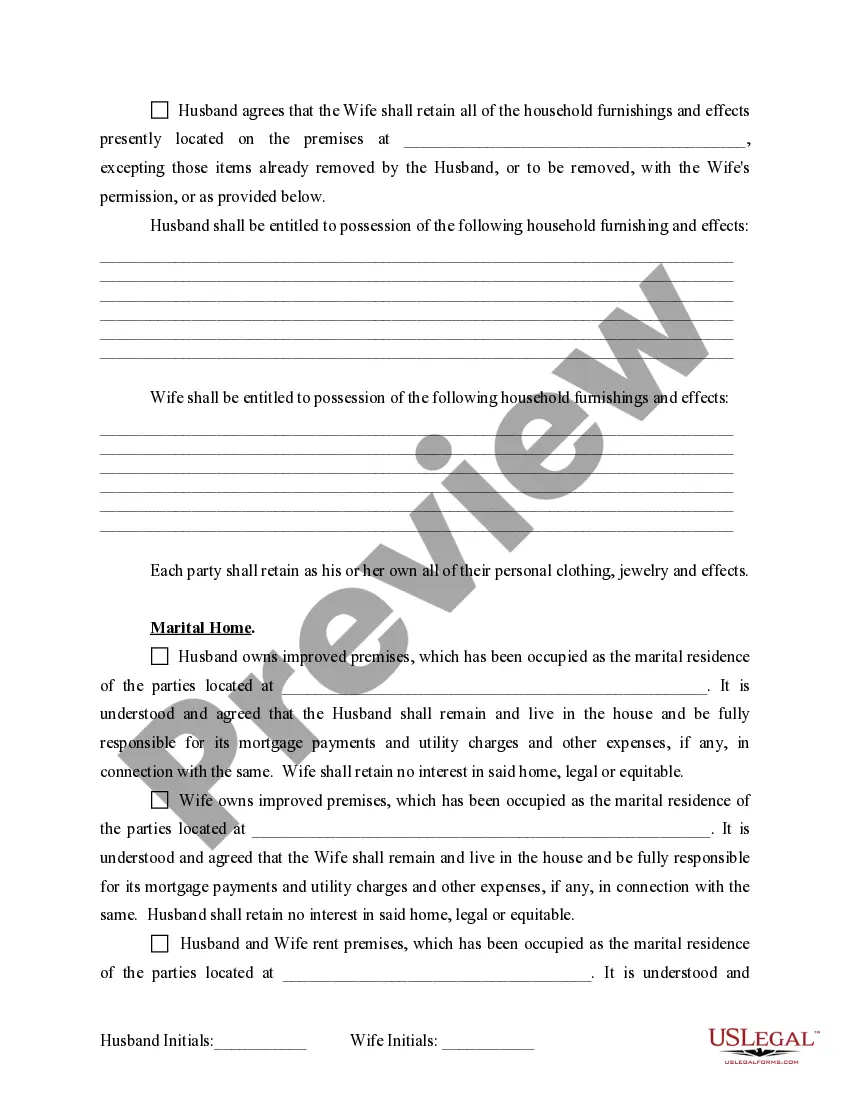
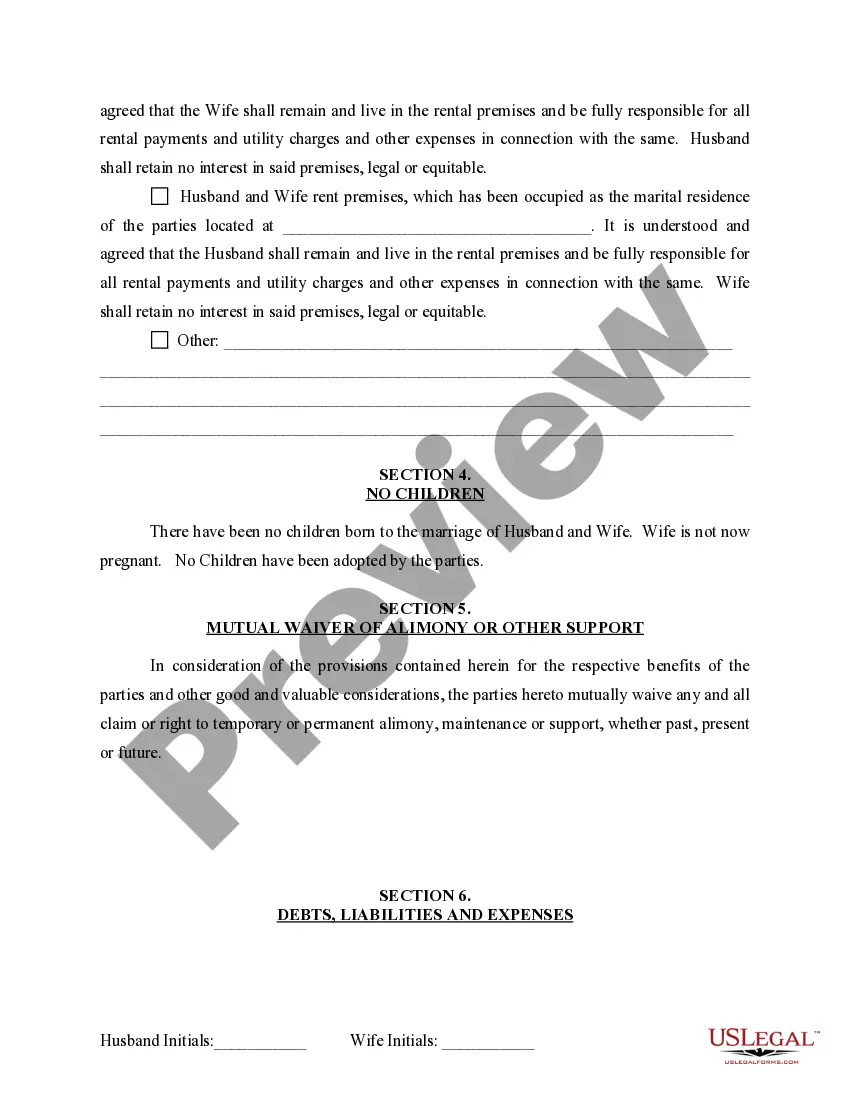
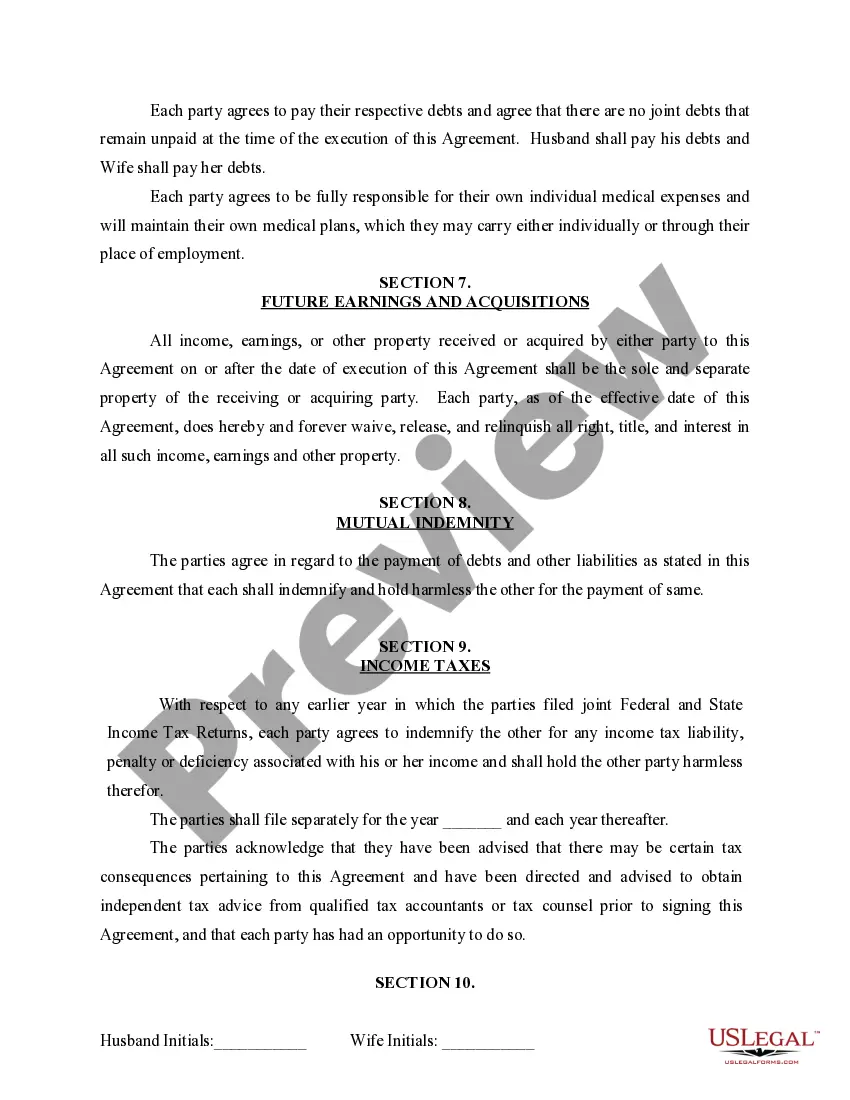
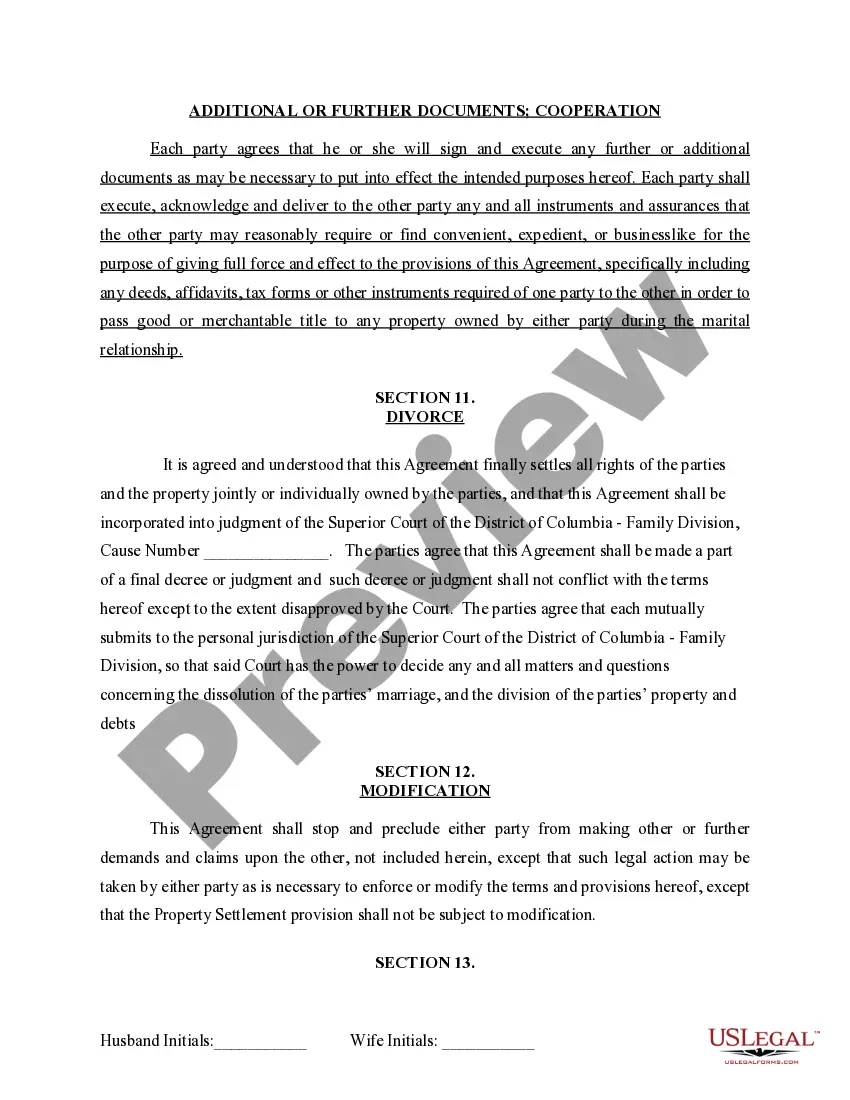
- For first-time users, start by browsing the Preview mode and form description to ensure you select the correct template that complies with your local jurisdiction.
- If the chosen template is not suitable, utilize the Search tab to explore other options until you find the right one.
- Click the Buy Now button and choose your preferred subscription plan to proceed with the purchase. Remember to register for full library access.
- Complete your purchase by entering your payment details, either through a credit card or PayPal account.
- Download your chosen form to your device. You can access it anytime from the My Forms section of your profile.
With US Legal Forms, individuals and attorneys can easily manage legal documentation with access to over 85,000 fillable and editable forms. The platform not only offers a substantial variety of forms but also grants access to premium experts who assist in completing them accurately.
Don’t hesitate! Take control of your legal needs today and enjoy the benefits of US Legal Forms. Start your journey now!
Form popularity
FAQ
In a New York divorce, a wife is entitled to an equitable division of marital property and possibly spousal support. Marital property encompasses assets earned or acquired during the marriage, while separate property remains with the original owner. Knowing the specifics of your rights can significantly impact the divorce outcome, making resources like USLegalForms invaluable.
If a spouse refuses to accept divorce papers, the filing spouse may seek alternative methods of service, such as through a process server or by publication. New York law provides options to ensure the other party is adequately informed of the divorce proceedings. Overcoming resistance can be challenging, but tools like USLegalForms can guide you through the process step-by-step.
In New York, there is no specific duration of marriage required to receive half of the marital assets. Marital property is typically divided based on equitable distribution, focusing on factors such as the length of the marriage, contributions, and financial needs. Each case is unique, so reviewing your situation with reliable legal resources is essential for a fair outcome.
In New York, a wife is entitled to a fair equitable distribution of marital property during a divorce. This can include assets accumulated during the marriage, which may cover real estate, investments, and retirement accounts. Additionally, spousal support may be an option if there is a significant income difference. Understanding your entitlements can empower you during this transitional phase.
It's crucial to consider the timing and manner in which you inform your wife about your divorce filing. Open communication can foster an understanding atmosphere, but it may also lead to emotional reactions. By discussing your intentions early on, you can help either party prepare for the next steps. Seeking guidance on effective communication can enhance this sensitive process.
In New York, the division of property during a divorce depends on various factors, primarily whether the property is considered marital or separate. Generally, the court seeks to equitably distribute marital assets, which may include the family home. However, if one spouse holds a title or if the house was inherited, the situation may differ. Consulting legal resources, such as USLegalForms, can help clarify your rights regarding property division.
To make your wife a legal citizen, you must file a petition for her immigration benefits. Begin by gathering essential documents such as your marriage certificate and proof of your citizenship. Working with an immigration lawyer can streamline the application process, helping you meet all requirements. This step benefits both of you, providing stability and unity in your life together.
The five steps of separation include acknowledging the need for change, having a discussion with your legal wife, seeking legal advice, creating a formal separation agreement, and establishing a plan for living arrangements. These steps can help clarify intentions and promote a smoother transition. It’s important to address finances, property, and caregiving arrangements early on. Each step strengthens your foundation for a better future.
To begin a separation properly, start by having an open conversation with your legal wife about your intentions. It's crucial to discuss your mutual desires and seek common ground to prevent unnecessary conflict. Next, engage a legal professional who can guide you through the necessary steps. They can help you establish a separation agreement that outlines your rights and responsibilities.
If you are not legally separated, all assets and liabilities remain joint. This can lead to complications regarding property division, financial responsibilities, and child custody arrangements. It may also hinder your ability to move on independently or resolve personal issues. Therefore, it's wise to consider formalizing the separation for clarity and protection.