Power Attorney For Bank Account
Description
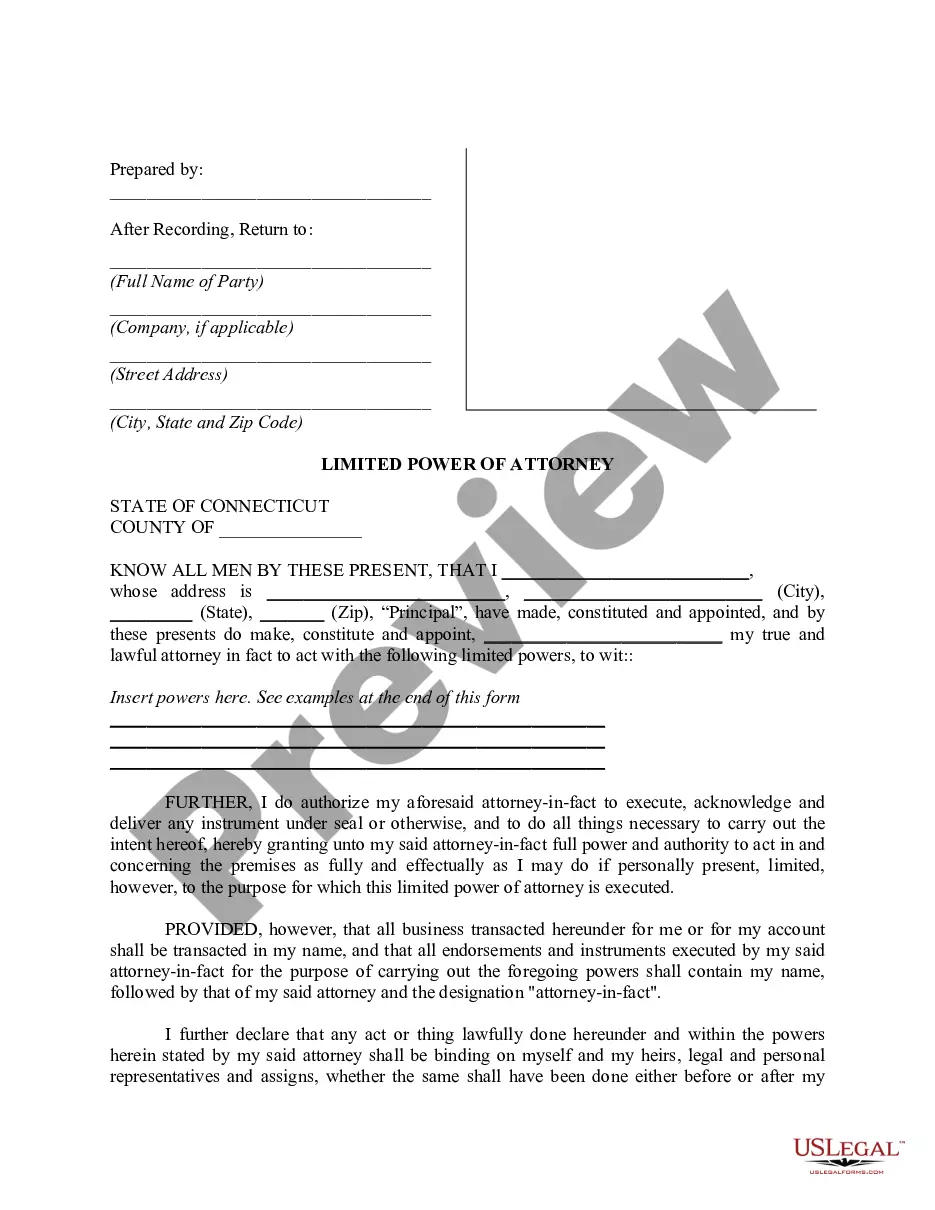
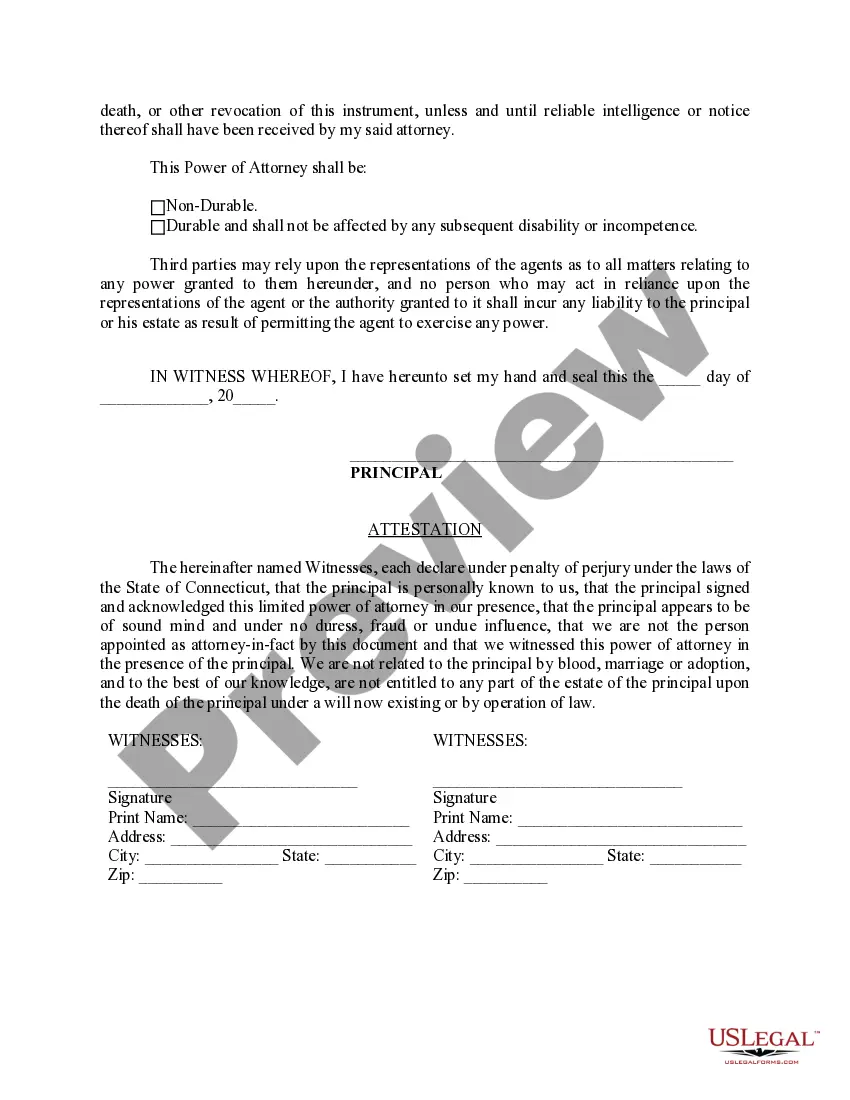
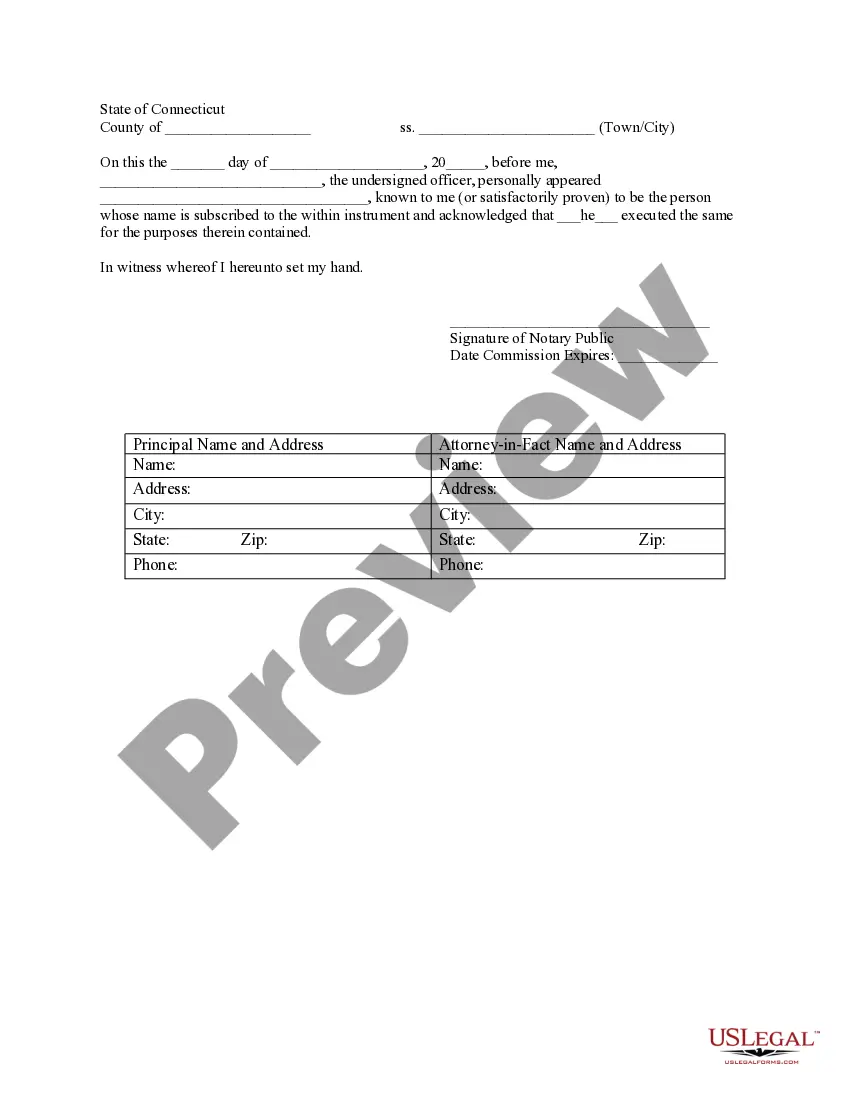
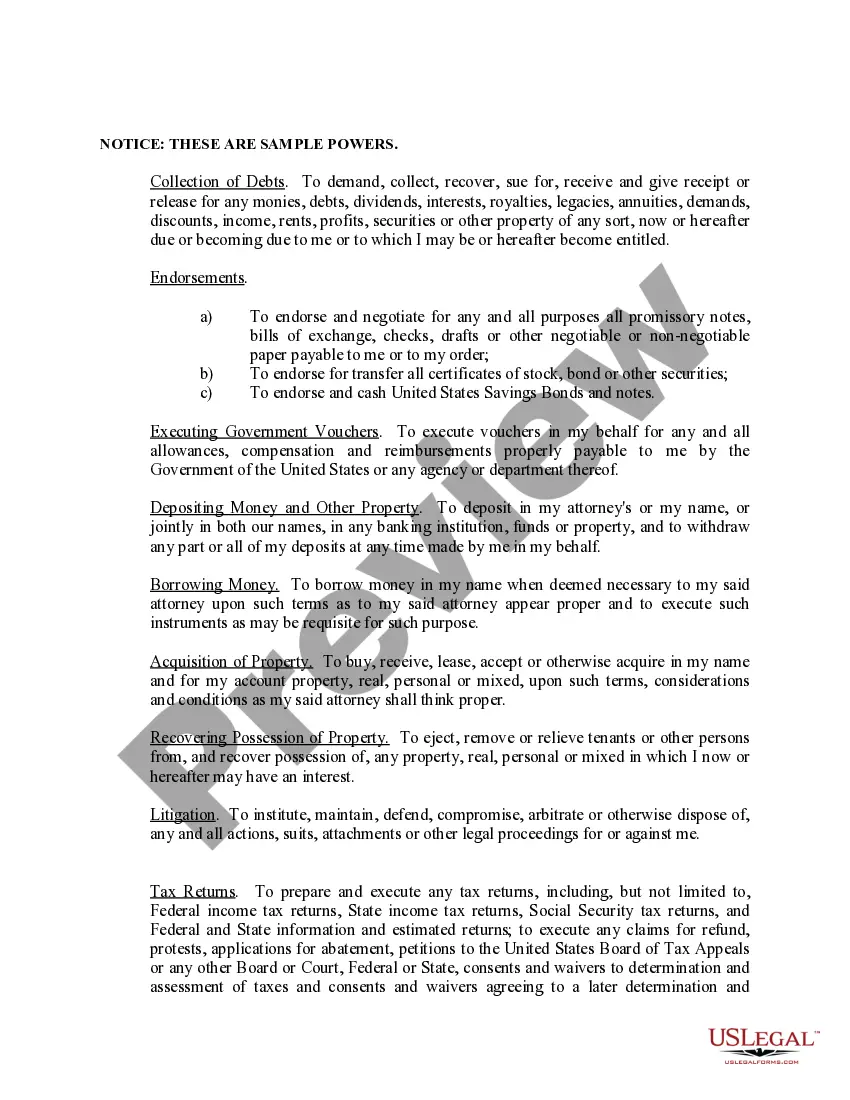
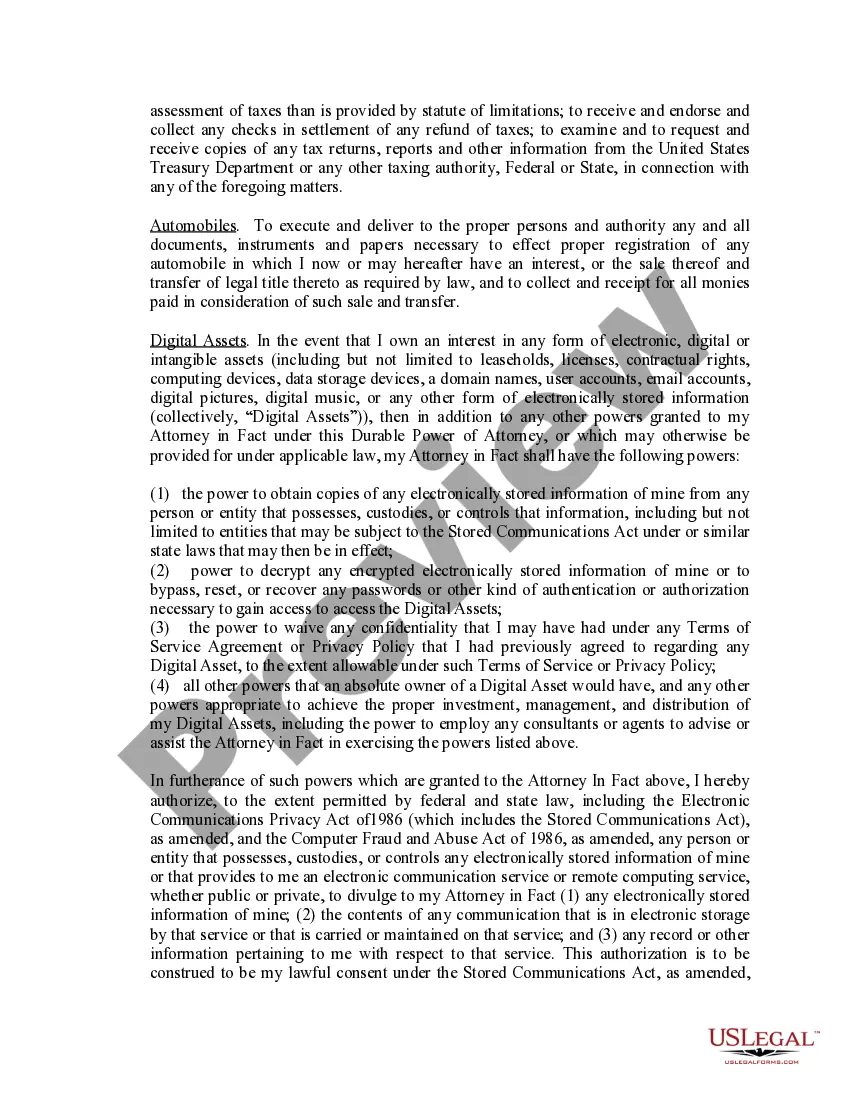
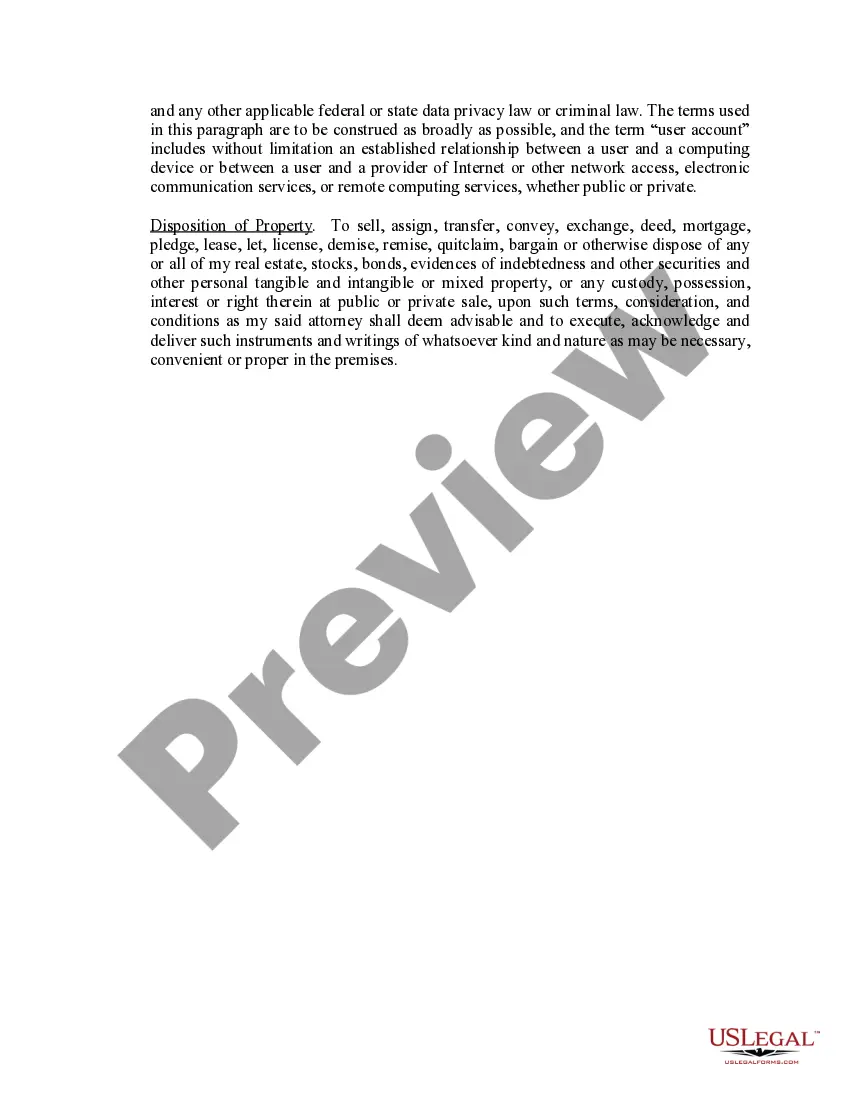
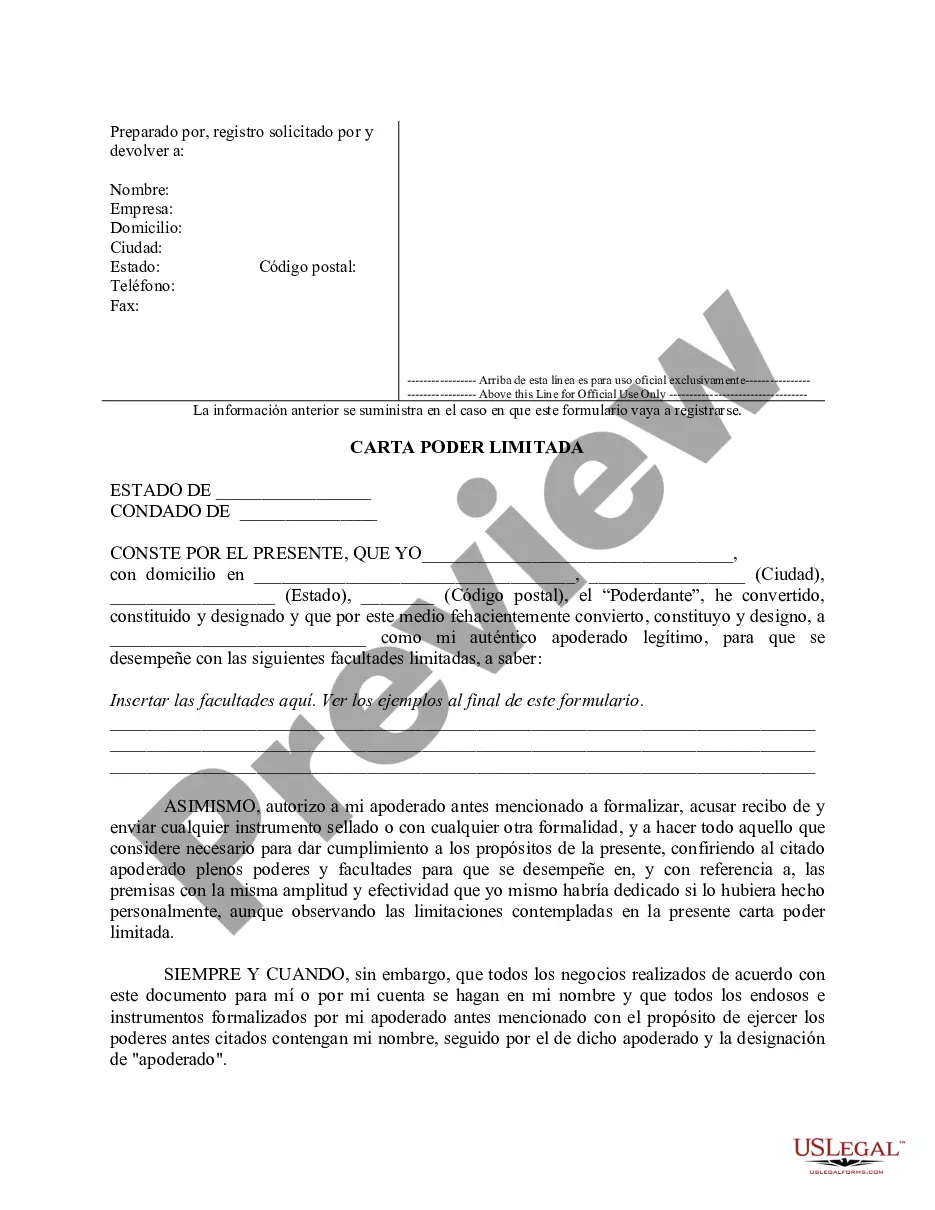
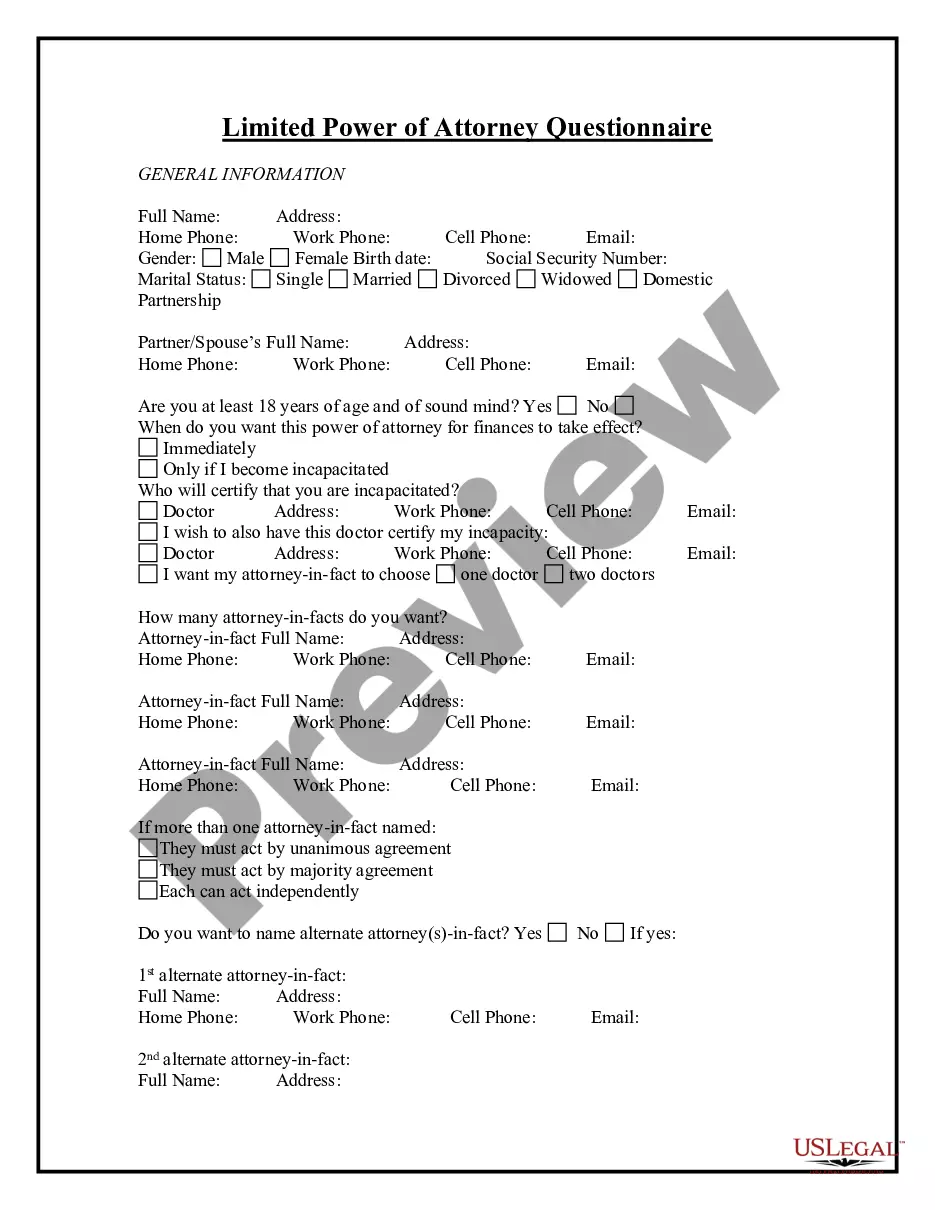
Get your form ready online
Our built-in tools help you complete, sign, share, and store your documents in one place.
Make edits, fill in missing information, and update formatting in US Legal Forms—just like you would in MS Word.
Download a copy, print it, send it by email, or mail it via USPS—whatever works best for your next step.
Sign and collect signatures with our SignNow integration. Send to multiple recipients, set reminders, and more. Go Premium to unlock E-Sign.
If this form requires notarization, complete it online through a secure video call—no need to meet a notary in person or wait for an appointment.
We protect your documents and personal data by following strict security and privacy standards.

Make edits, fill in missing information, and update formatting in US Legal Forms—just like you would in MS Word.

Download a copy, print it, send it by email, or mail it via USPS—whatever works best for your next step.

Sign and collect signatures with our SignNow integration. Send to multiple recipients, set reminders, and more. Go Premium to unlock E-Sign.

If this form requires notarization, complete it online through a secure video call—no need to meet a notary in person or wait for an appointment.

We protect your documents and personal data by following strict security and privacy standards.
Looking for another form?




How to fill out Connecticut Limited Power Of Attorney Where You Specify Powers With Sample Powers Included?
- Log in to your US Legal Forms account if you’re a returning user. Make sure your subscription is current to gain access to all available forms.
- If you are a new user, visit the website and browse through the extensive library. Use the Preview mode to review the form and ensure it meets your jurisdiction requirements.
- If necessary, utilize the Search feature to locate the specific power of attorney form best suited for your needs.
- Click on the Buy Now button for your selected document. Choose a subscription plan that fits your requirements and create an account to unlock additional resources.
- Complete your purchase by entering your payment information, either via credit card or PayPal.
- Finally, download your completed form. You can access it anytime through the My Forms section of your profile.
In conclusion, creating a power attorney for your bank account through US Legal Forms simplifies the process of managing your finances. With a vast library and expert assistance available, you can ensure your documents are accurate and effective.
Start today and empower your financial future by visiting US Legal Forms for your power attorney forms.
Form popularity
FAQ
Power attorney for bank account permits an agent to handle specific financial transactions and decisions. This can include managing payments, accessing funds, and even opening new accounts. The agent acts in your best interest, ensuring your financial responsibilities are met even if you cannot manage them directly. It's advisable to keep clear communication with your agent to ensure all actions align with your intentions.
While a power attorney for bank account offers many benefits, there are potential disadvantages to consider. For instance, the agent may misuse their authority, leading to financial mismanagement. Additionally, granting this power can complicate your financial affairs, especially if the agent acts against your wishes. Always choose a trusted individual and maintain oversight where possible.
Yes, a person with power attorney for bank account can add themselves to a checking account, provided the document grants that authority. It is important to get the bank's approval and complete any required forms. Doing this allows the agent to manage finances efficiently and ensures seamless account access when needed.
Yes, most banks will honor a durable power of attorney for bank account transactions. This document allows your designated agent to manage your finances and make decisions on your behalf. However, banks may have specific requirements, such as verifying the authenticity of the power attorney for bank account. It's essential to check with your bank to ensure compliance with their policies.
To write a power of attorney letter for a bank, start by clearly stating your name, address, and the name of the person you are appointing as your agent. Include specific powers you are granting regarding your bank account, ensuring the language is clear and direct. It’s advisable to use a template from a trusted source like uslegalforms to ensure all necessary legalities are covered. Once completed, have the document duly signed and, if required, notarized before submitting it to your bank.
The time it takes for a bank to approve a power of attorney (POA) can vary based on the bank’s policies and the complexity of the document. Generally, you can expect the approval process to range from a few days to a couple of weeks. If there are any questions or issues with the POA, that may delay the approval further. To speed up the process, ensure your POA is correctly completed and aligns with your bank's specific requirements.
Banks are cautious about accepting power of attorney documents to prevent fraud and misuse. They seek to verify that the POA is valid, current, and gives the appointed person appropriate authority. This diligence helps protect both the bank and its customers from potential financial exploitation. Remember, providing a well-drafted power attorney for bank account can ease the approval process.
Banks may deny a power of attorney (POA) for several reasons, including if the document is outdated or does not meet their specific requirements. Additionally, if the POA lacks clear instructions or necessary legal language, the bank may reject it. To avoid denial, ensure your POA is comprehensive and conforms to both state laws and the bank’s policies. Working with a reliable legal platform, like uslegalforms, can help you create an appropriate POA for your needs.
Choosing between a power of attorney (POA) and a joint bank account depends on your needs. A POA allows one person to manage another's finances without sharing account ownership, which is useful for maintaining privacy and control. In contrast, a joint account allows both parties equal access, which may not be ideal if trust is a concern. Therefore, assess your situation to decide which option best suits your financial management needs.
To add a power of attorney (POA) to your bank account, you will need to provide your bank with a copy of the signed POA document. It is essential to ensure that the document clearly specifies the powers granted, especially regarding banking transactions. After submitting the document, the bank may require you to complete additional forms to finalize the process. Always confirm with your bank for any specific requirements regarding the power attorney for bank account.