Living Together Without Marriage
Description



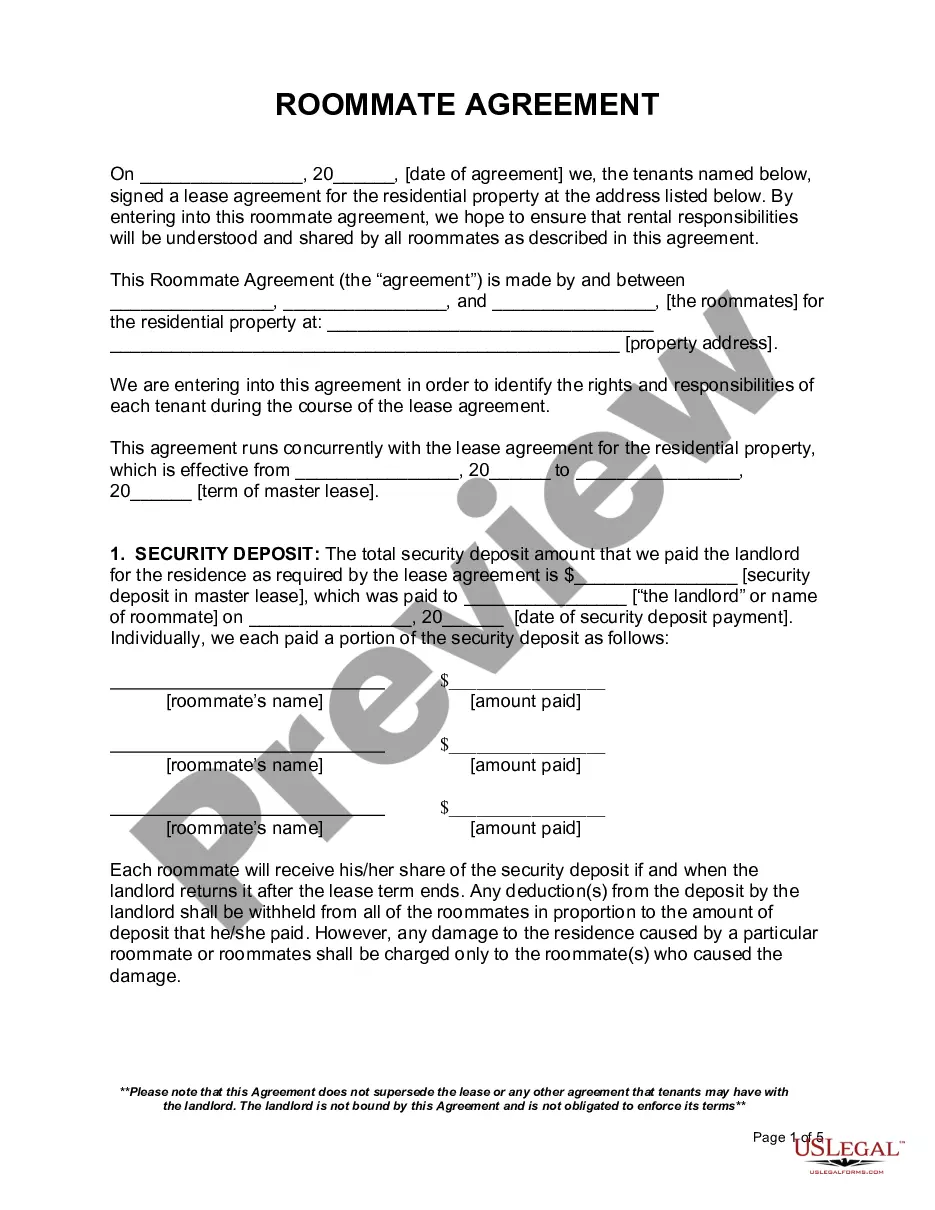
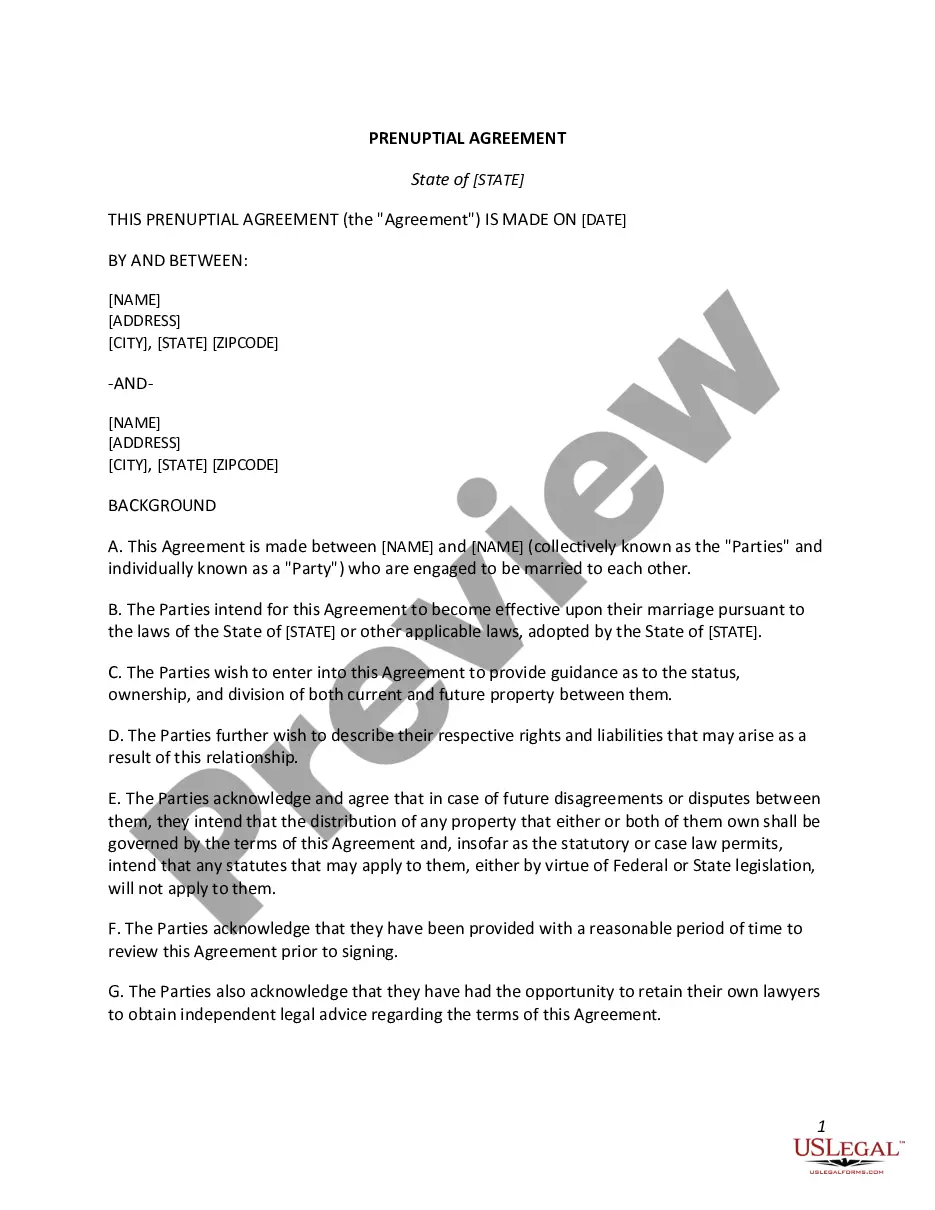
Get your form ready online
Our built-in tools help you complete, sign, share, and store your documents in one place.
Make edits, fill in missing information, and update formatting in US Legal Forms—just like you would in MS Word.
Download a copy, print it, send it by email, or mail it via USPS—whatever works best for your next step.
Sign and collect signatures with our SignNow integration. Send to multiple recipients, set reminders, and more. Go Premium to unlock E-Sign.
If this form requires notarization, complete it online through a secure video call—no need to meet a notary in person or wait for an appointment.
We protect your documents and personal data by following strict security and privacy standards.

Make edits, fill in missing information, and update formatting in US Legal Forms—just like you would in MS Word.

Download a copy, print it, send it by email, or mail it via USPS—whatever works best for your next step.

Sign and collect signatures with our SignNow integration. Send to multiple recipients, set reminders, and more. Go Premium to unlock E-Sign.

If this form requires notarization, complete it online through a secure video call—no need to meet a notary in person or wait for an appointment.

We protect your documents and personal data by following strict security and privacy standards.
Looking for another form?


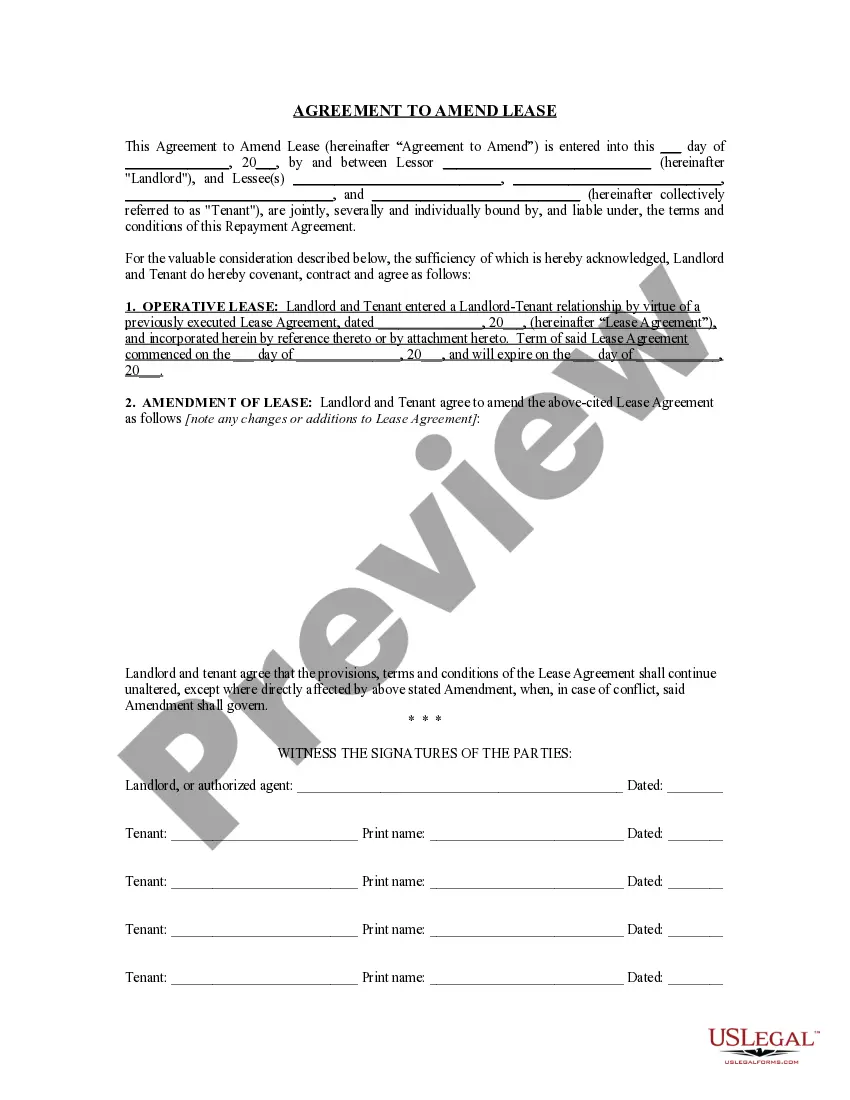




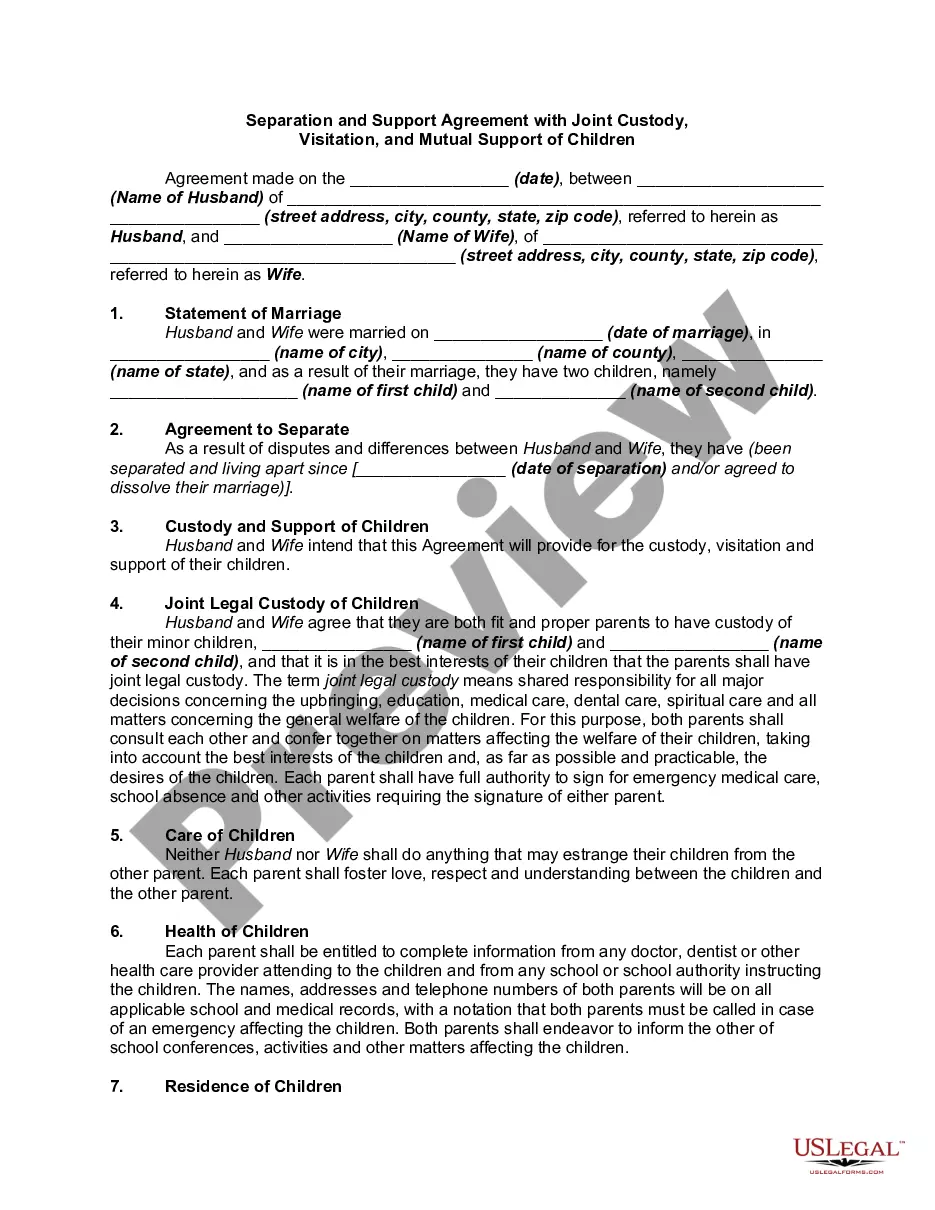


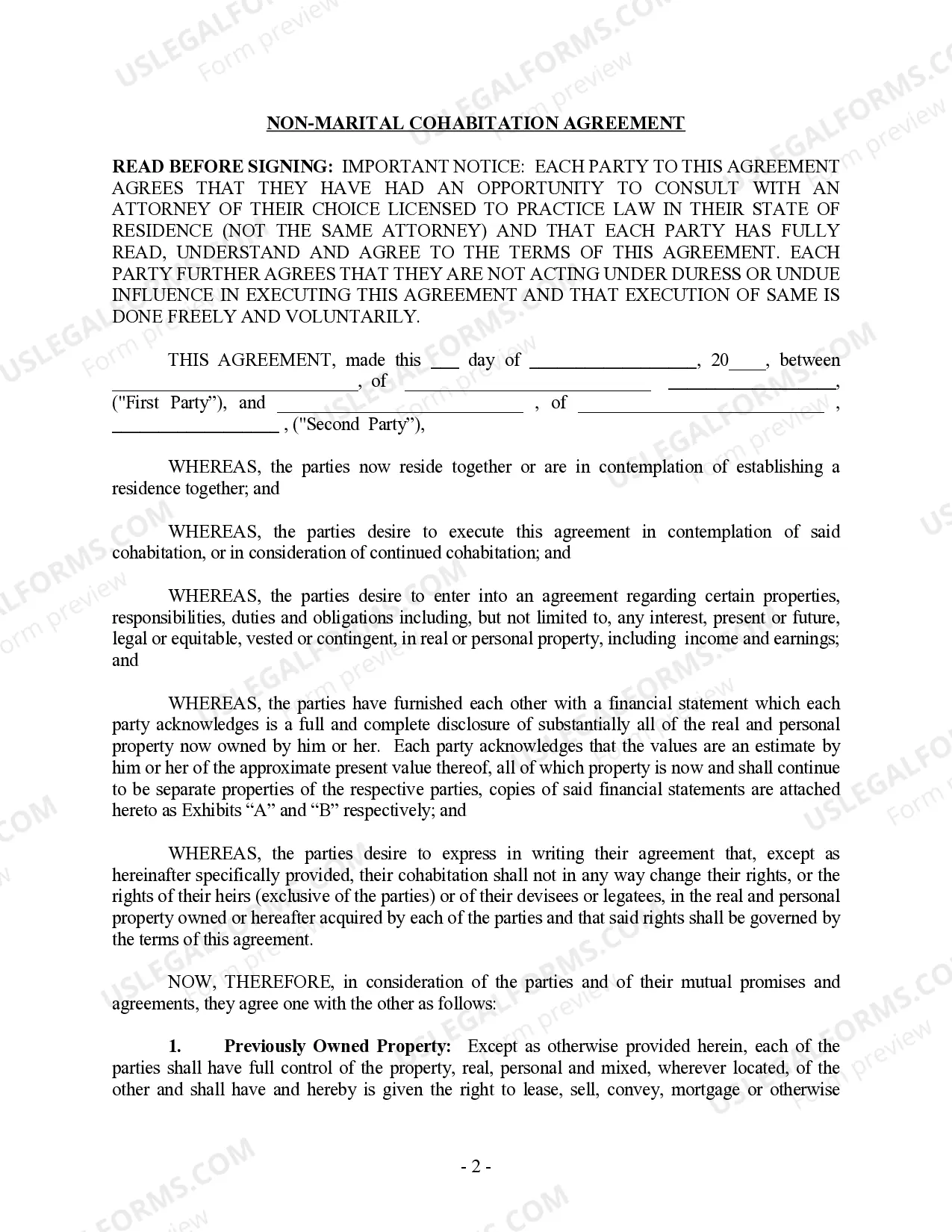
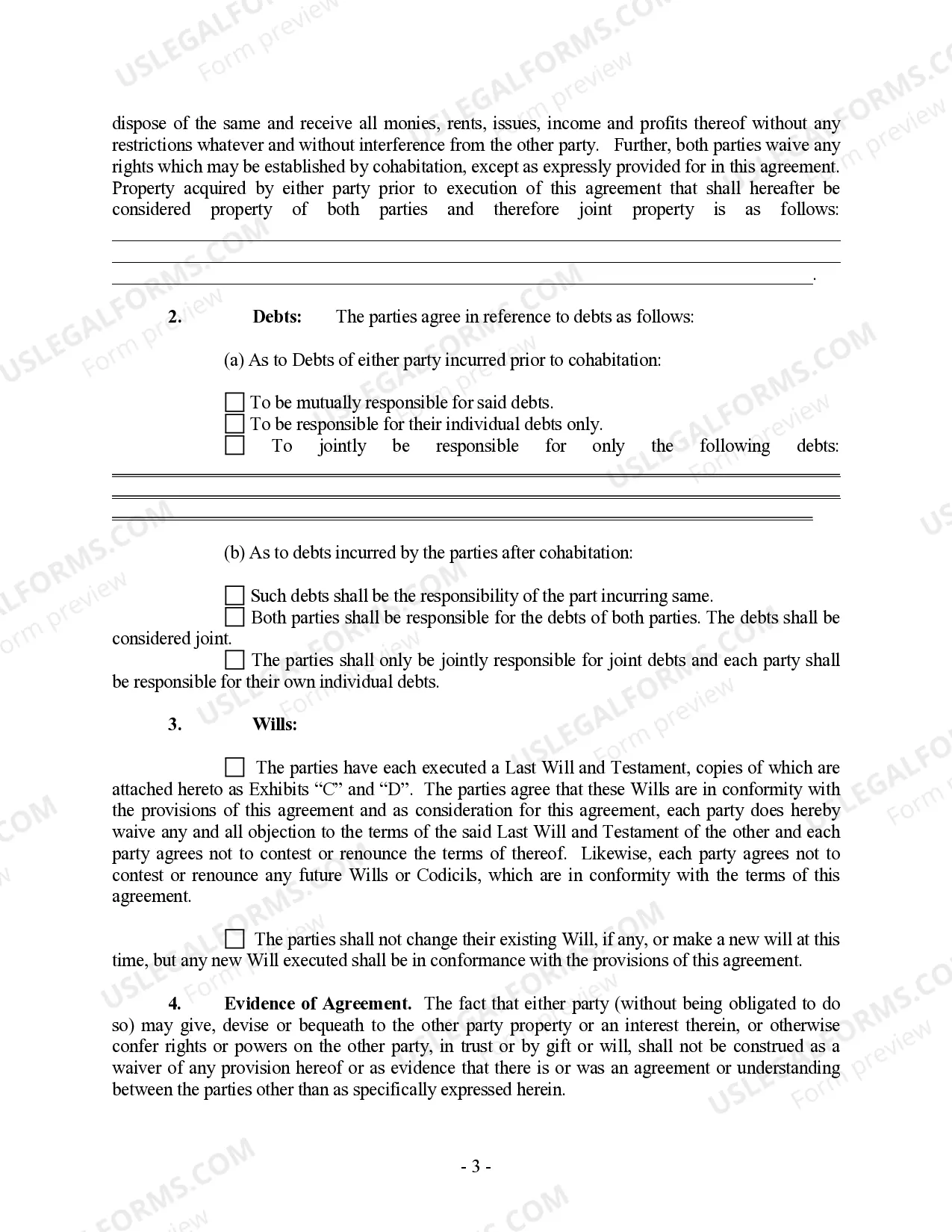
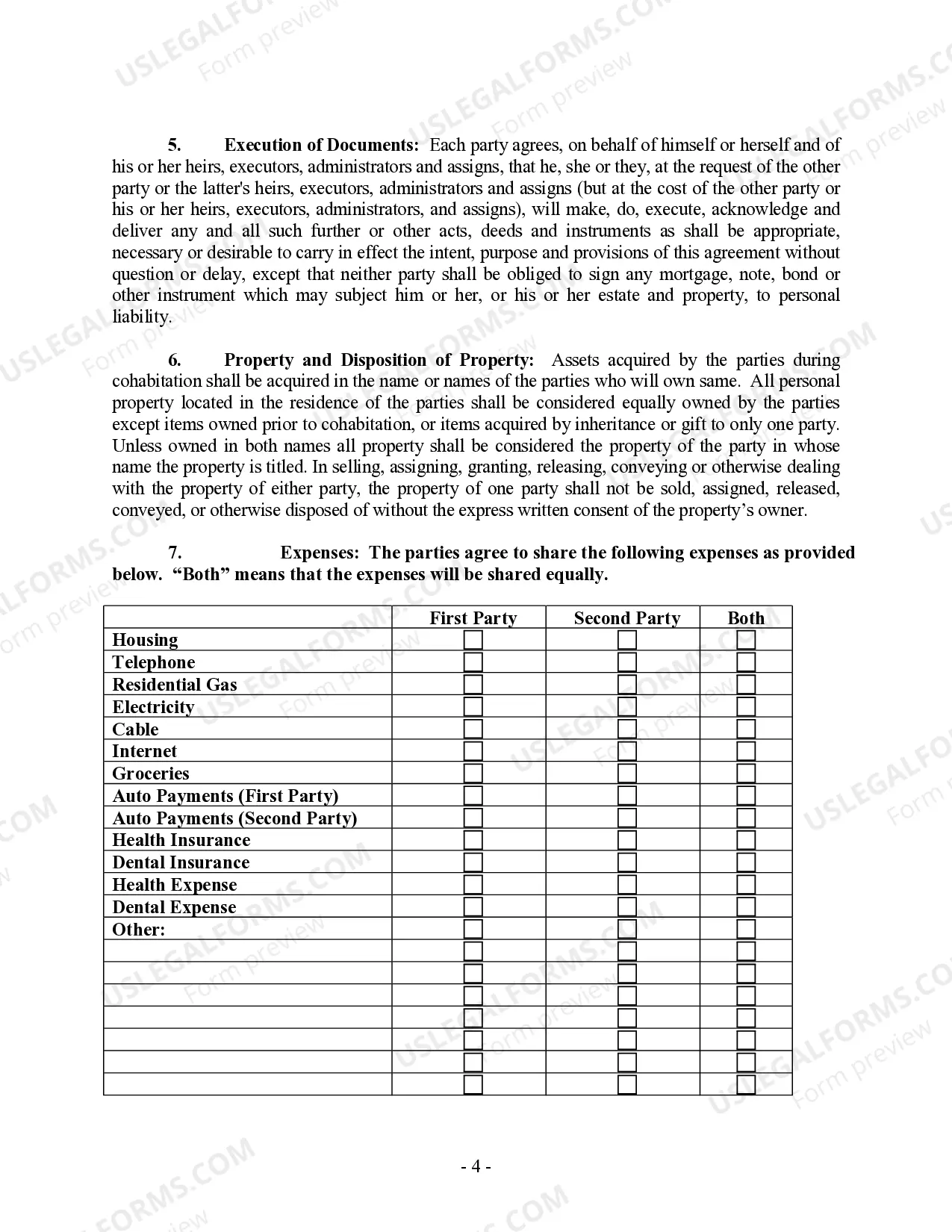
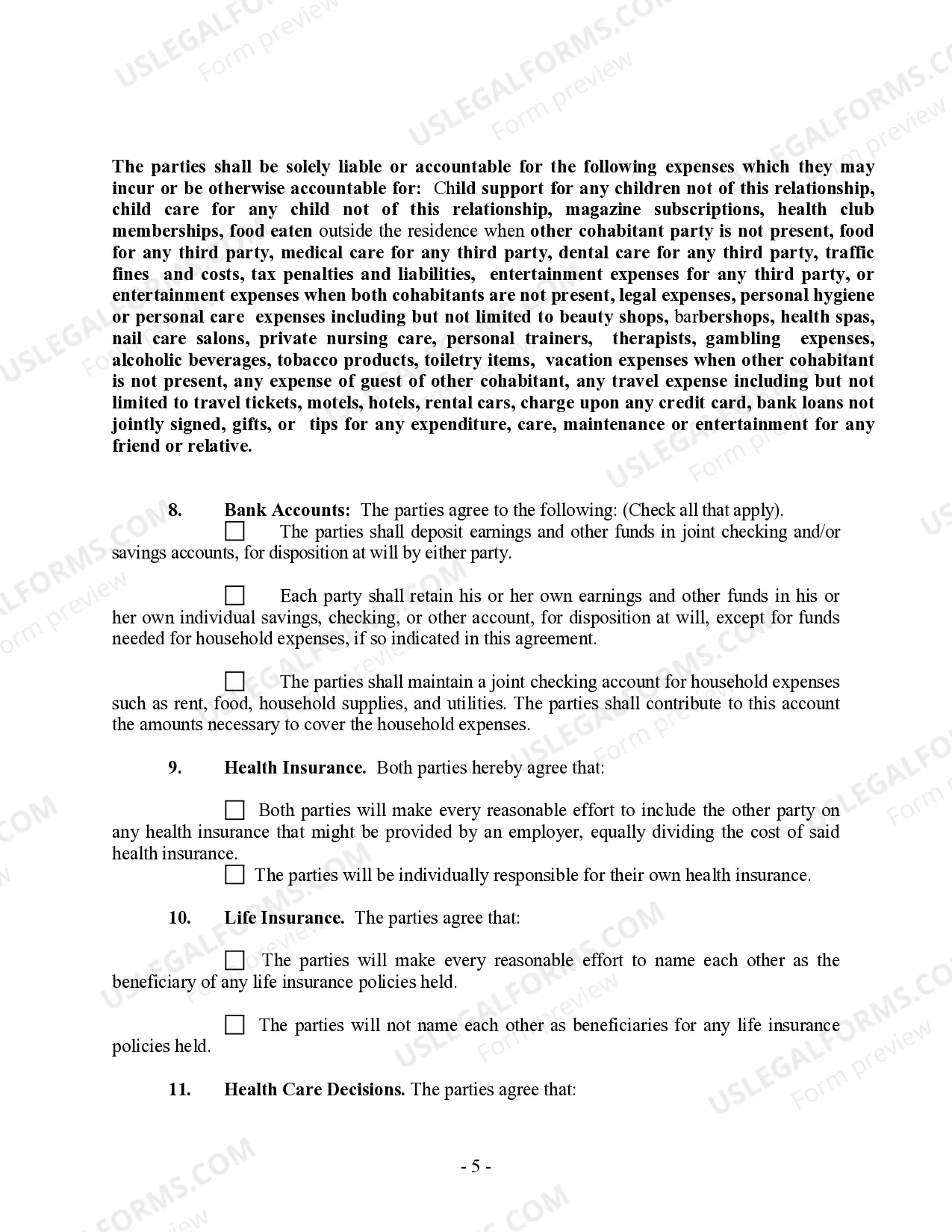
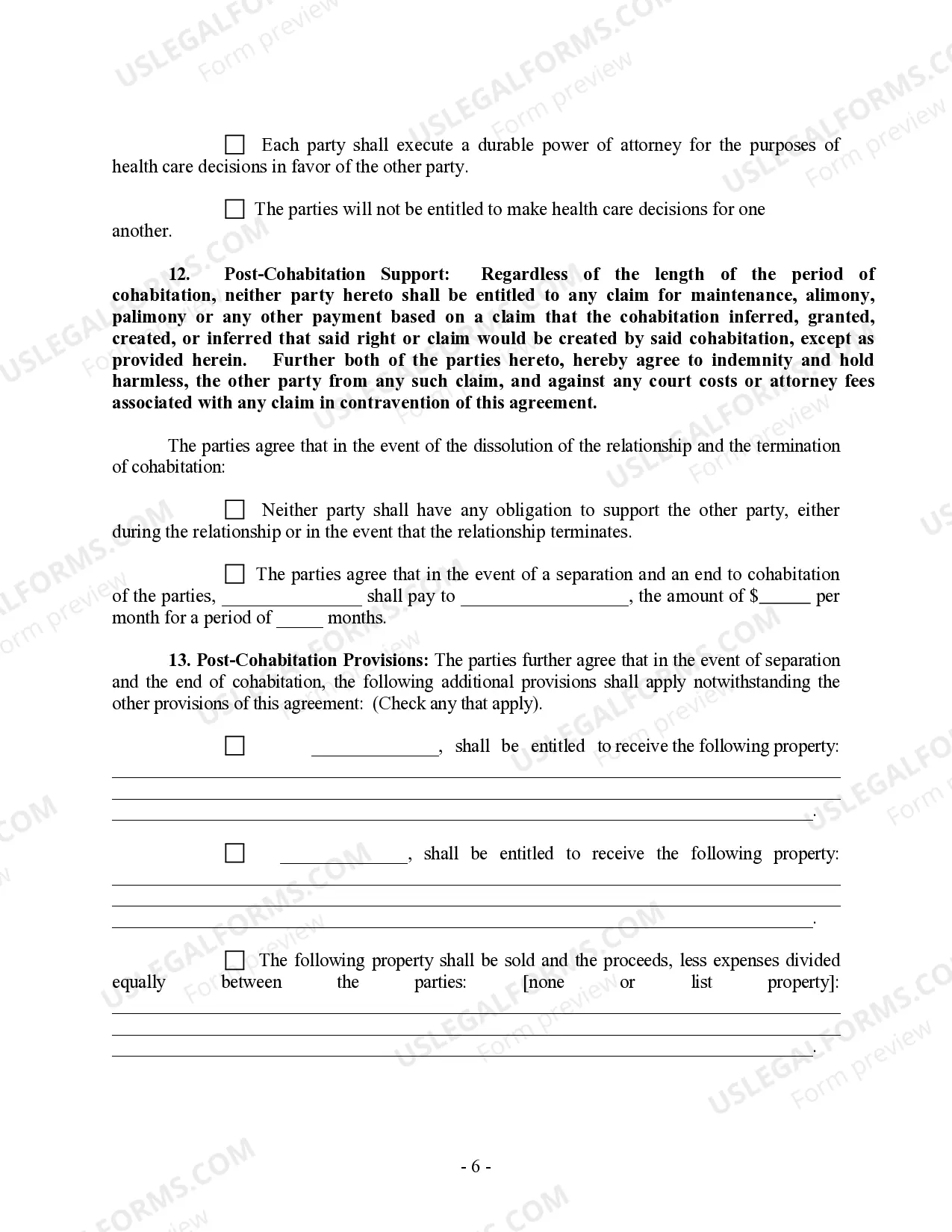
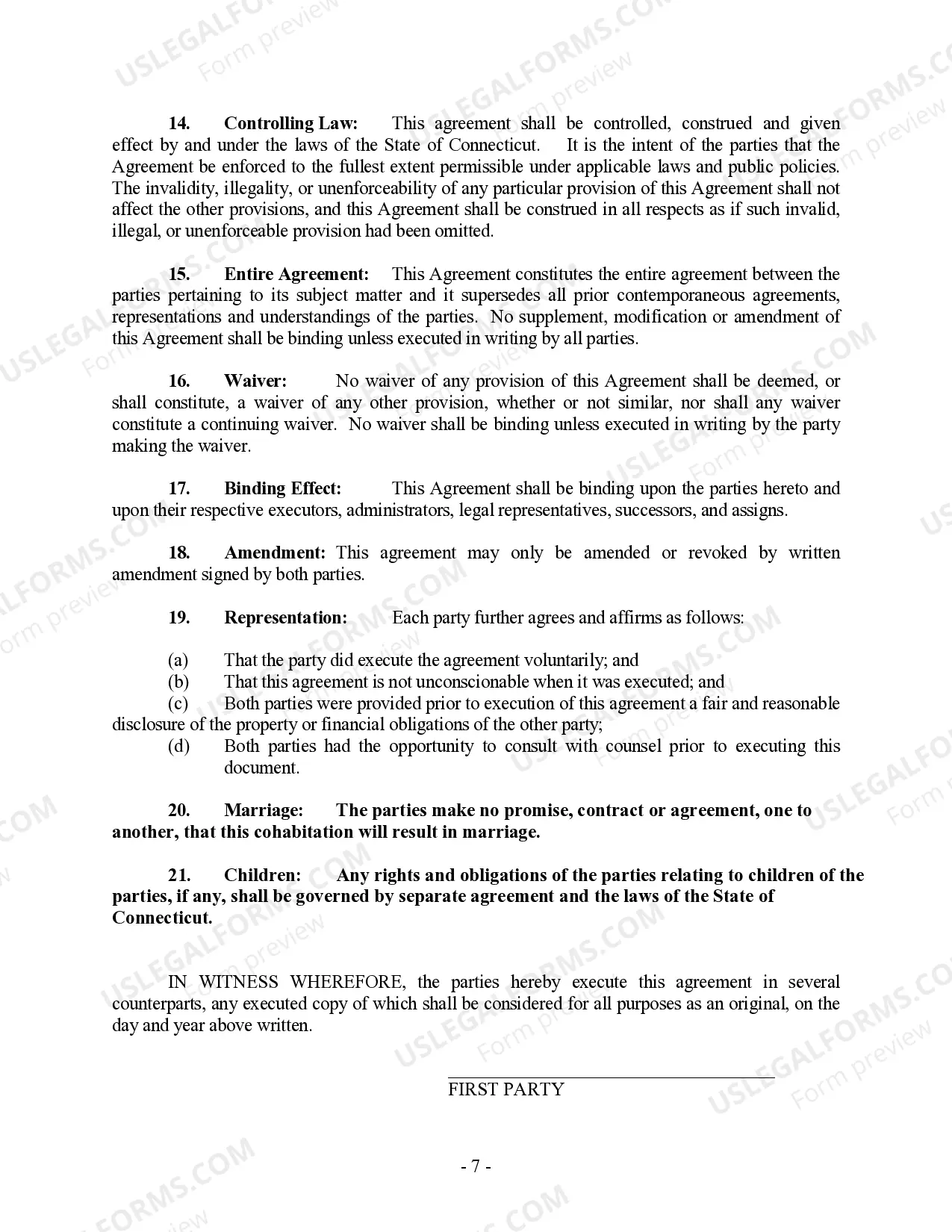
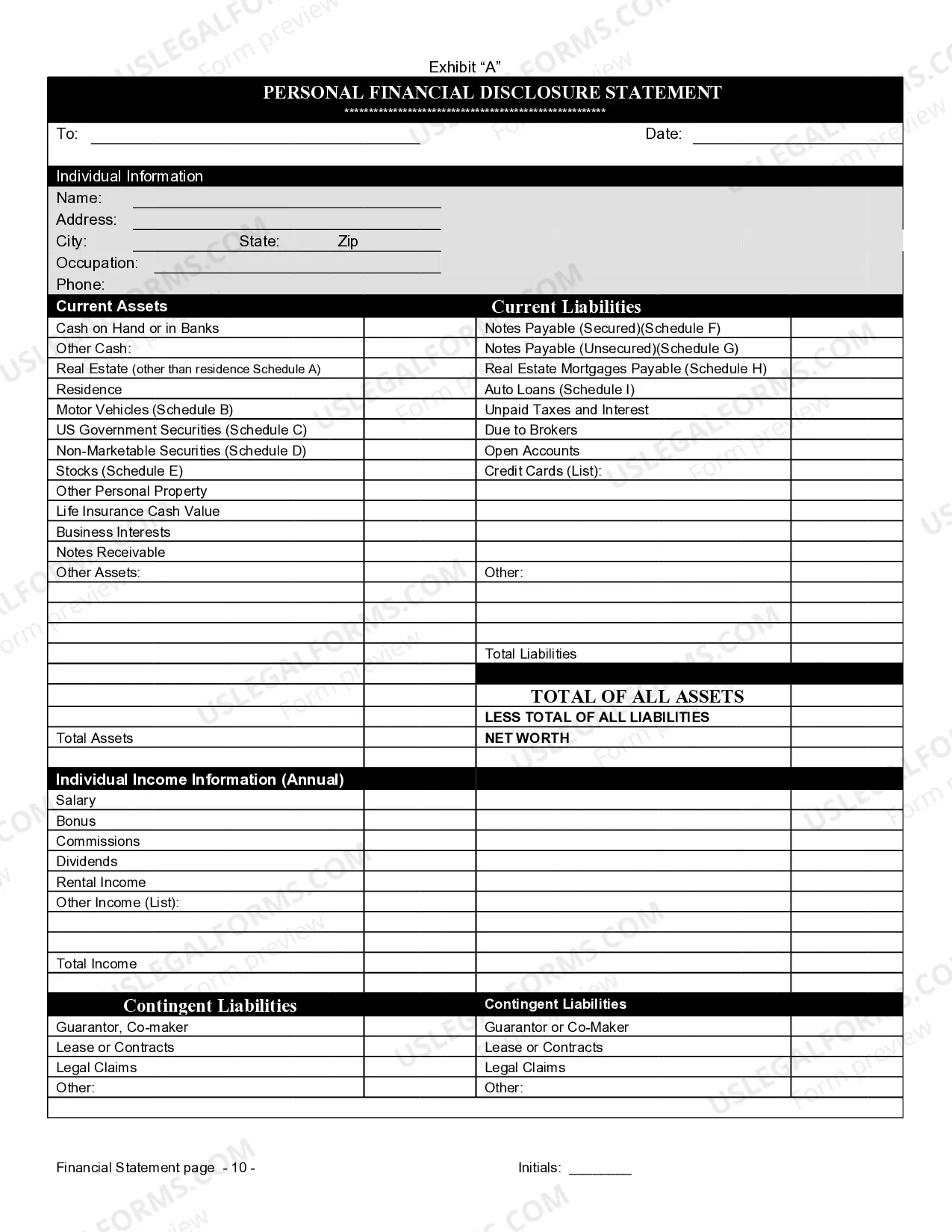
How to fill out Connecticut Non-Marital Cohabitation Living Together Agreement?
- Log in to your US Legal Forms account if you're a returning user, and ensure your subscription is active. Click the Download button to retrieve your desired template.
- If you're new to the service, start by checking the Preview mode and form description to select the document best suited for your needs while meeting local jurisdiction requirements.
- In case you encounter any inconsistencies, utilize the Search tab to find the appropriate template.
- Proceed to purchase the document by clicking the Buy Now button, selecting your preferred subscription plan, and registering an account for access to their extensive library.
- Complete your payment using your credit card or PayPal account to finalize the purchase.
- Download the necessary form to your device and access it anytime from the My Forms section of your profile.
Following these steps ensures that you can quickly and efficiently obtain the documents you need.
With US Legal Forms, you not only get access to a vast collection of legal forms but also the option to consult premium experts for assistance, guaranteeing your documents are accurate and legally valid. Start your journey towards secure living arrangements today!
Form popularity
FAQ
If you are living together without marriage, you file taxes individually rather than jointly. Each partner must report income and deductions separately on their tax returns. While filing separately can limit certain tax benefits, it helps clarify individual financial responsibilities. To explore further options related to cohabitation and taxes, consider utilizing services from US Legal Forms.
You may change your tax filing status, but it must adhere to specific timelines and criteria set by the IRS. Generally, you cannot choose a different status after you have filed your taxes for that year. If you realize your needs have shifted due to living together without marriage, consult with a tax professional to understand your options. US Legal Forms can help you find the right advice and tools for filing adjustments.
In most cases, if you are living together without marriage, you cannot claim your partner as a dependent on your tax returns. However, there are exceptions, such as if you support them financially and meet certain criteria. Understanding IRS rules regarding dependents can help clarify your eligibility. US Legal Forms offers resources that can assist you in navigating these rules.
If you are married but separated, you typically file your taxes using the 'married filing separately' status. This option allows you to separate your finances legally while still married, which can have tax implications. Consulting with a tax professional familiar with living together without marriage scenarios can ensure you choose the best option for your situation. US Legal Forms can provide templates and information for proper filing.
Living together but not married is commonly referred to as cohabitation. This arrangement often involves partners sharing a home and a life without the legal bindings of marriage. Cohabitating couples may face unique legal considerations, so understanding your rights is essential. If you need guidance on cohabitation agreements, look into resources available at US Legal Forms.
When you are living together without marriage, you should select the 'single' or 'unmarried' option on forms that inquire about marital status. This designation accurately reflects your situation. Ensuring clarity in your documentation helps avoid misunderstandings and complications later on. If you have questions about this process, consider visiting US Legal Forms for assistance.
When you are living together without marriage, the two of you must file separately unless you qualify for Head of Household. It is important to gather all necessary documentation, such as income and expenses, to ensure accurate filing. Platforms like uslegalforms can help simplify this process with tailored forms to meet your specific circumstances.
The IRS recognizes domestic partners as individuals living together in a committed relationship, similar to marriage, but without the legal marriage certificate. However, the tax implications can vary across different states. If you are living together without marriage, understanding the specifics is vital for tax filing.
If you and your partner are living together without marriage, only one of you can claim the primary residence on your tax return. Typically, the person who pays the mortgage or property taxes would claim the property. Clear communication about finances is key when managing your tax responsibilities.
Couples who are living together without marriage generally cannot file their taxes jointly. Each partner must file as either single or Head of Household if they meet the criteria. It is essential to keep track of your financial activities to understand your obligations and potential tax benefits.