Tenant Landlord Shut For Months
Description

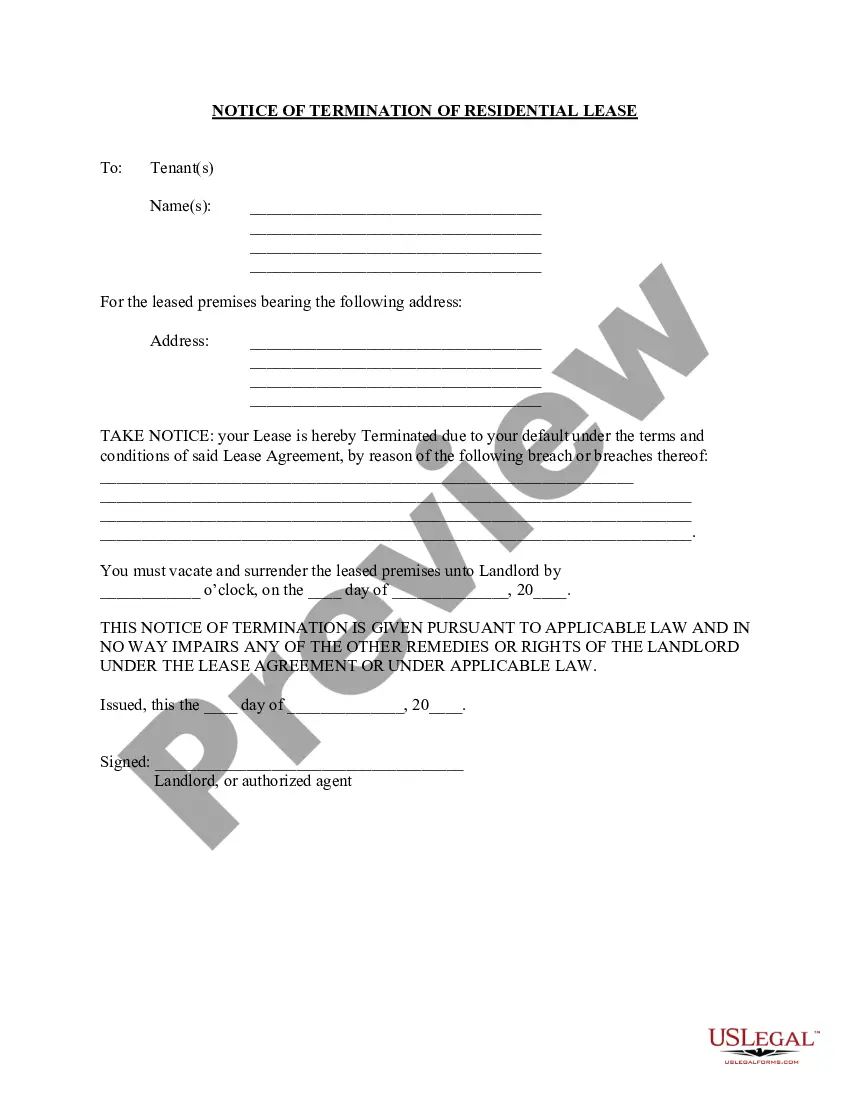
Get your form ready online
Our built-in tools help you complete, sign, share, and store your documents in one place.
Make edits, fill in missing information, and update formatting in US Legal Forms—just like you would in MS Word.
Download a copy, print it, send it by email, or mail it via USPS—whatever works best for your next step.
Sign and collect signatures with our SignNow integration. Send to multiple recipients, set reminders, and more. Go Premium to unlock E-Sign.
If this form requires notarization, complete it online through a secure video call—no need to meet a notary in person or wait for an appointment.
We protect your documents and personal data by following strict security and privacy standards.

Make edits, fill in missing information, and update formatting in US Legal Forms—just like you would in MS Word.

Download a copy, print it, send it by email, or mail it via USPS—whatever works best for your next step.

Sign and collect signatures with our SignNow integration. Send to multiple recipients, set reminders, and more. Go Premium to unlock E-Sign.

If this form requires notarization, complete it online through a secure video call—no need to meet a notary in person or wait for an appointment.

We protect your documents and personal data by following strict security and privacy standards.
Looking for another form?




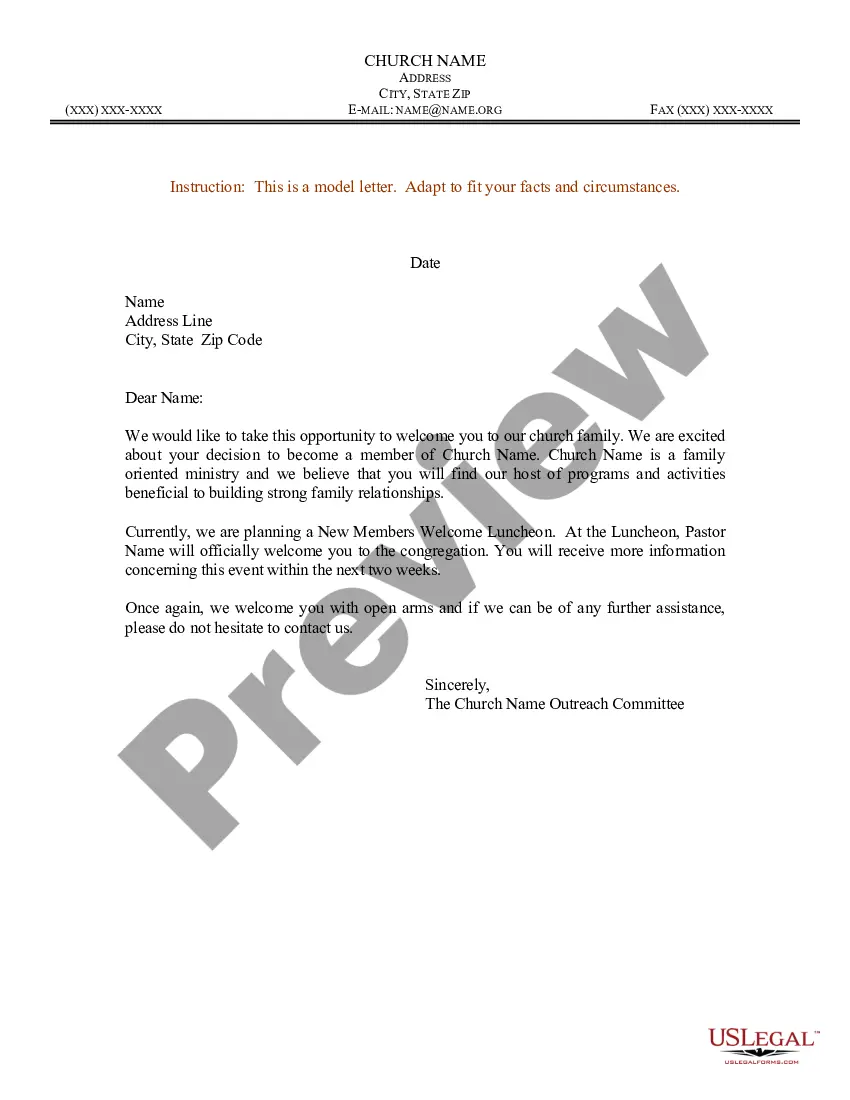





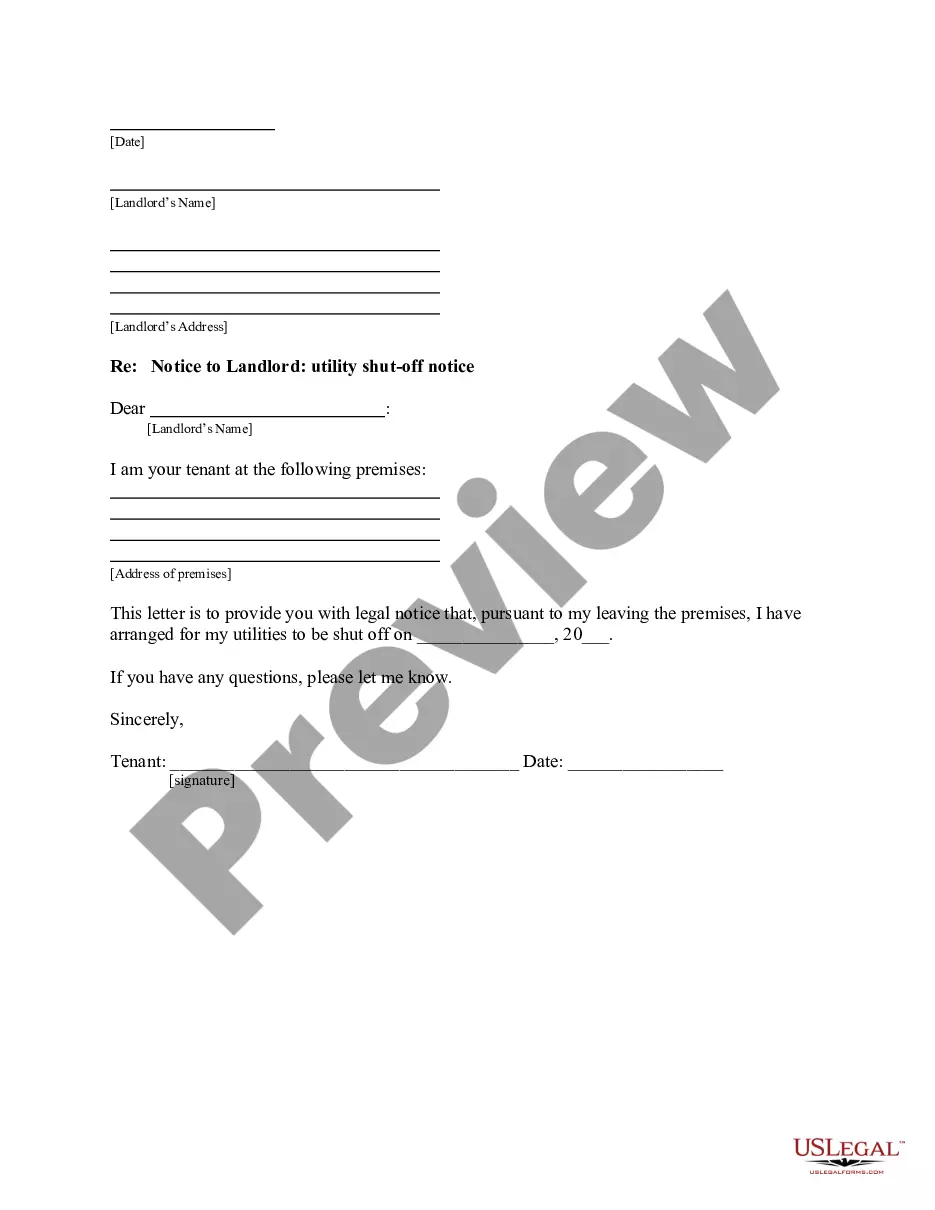
How to fill out Connecticut Letter From Tenant To Landlord - Utility Shut Off Notice To Landlord Due To Tenant Vacating Premises?
- Log in to your US Legal Forms account. If you're new, you'll need to create an account first.
- Browse the extensive library and find the form that suits your situation. Ensure it's valid for your jurisdiction.
- If the current form doesn’t meet your needs, make use of the Search bar to locate other suitable templates.
- Select the 'Buy Now' option to choose your subscription plan, which grants access to the form library.
- Complete your purchase using credit card details or PayPal for a hassle-free transaction.
- Download the chosen document directly to your device, ensuring you can fill it out at your convenience.
In conclusion, US Legal Forms offers a powerful resource for landlords and tenants alike, simplifying the legal form process. Take charge of your legal needs and streamline your documentation today.
Visit US Legal Forms now and experience the ease of navigating legal documentation efficiently!
Form popularity
FAQ
In New York, landlords cannot legally evict tenants without going to court. Even if a tenant landlord shut for months, the eviction process requires a formal procedure. The landlord must file a lawsuit and obtain a court order before taking any action. It's essential to know your rights and consider obtaining legal help if facing an eviction notice.
In New York, tenants do not have a legal right to stay indefinitely without paying rent. If you find yourself in a situation where a tenant landlord shut for months, the landlord may file for eviction after proper notice. It's important to address any missed payments promptly, as prolonged non-payment can lead to legal complications. Seeking assistance through resources available on platforms like USLegalForms can provide necessary guidance.
To draft a letter to your landlord to vacate, start by clearly stating your intent to end the lease. Be sure to include the date and the reason for your decision; this can help avoid misunderstandings, especially if a tenant landlord shut for months might complicate matters. Use a professional tone and keep the letter concise. Don't forget to include your contact information for any follow-up.
In New York, a landlord can start the eviction process if a tenant is 5 days late on rent. However, if you are experiencing a situation where a tenant landlord shut for months, it’s crucial to communicate early. Understanding your rights as a tenant can help navigate any potential eviction process. Seeking legal advice can help clarify options and steps you should take.
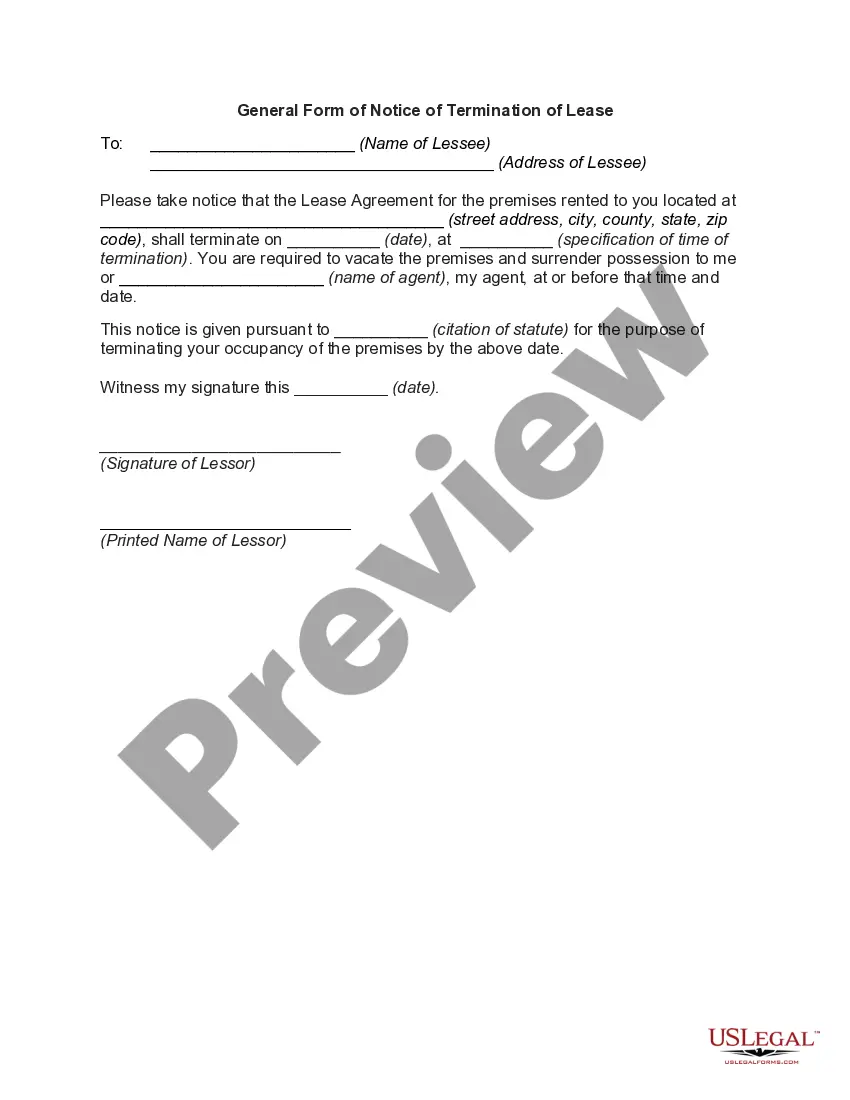
When writing a letter to terminate a month-to-month lease, clearly state your intent to vacate and include the date you will move out. Provide any necessary details regarding your security deposit and final rent payments. It is wise to send the letter via certified mail to ensure there is a record of delivery. If you need assistance in making this process smooth, consider utilizing US Legal Forms, especially if your tenant landlord relationship has shut for months.
The legal timeframe for giving notice to vacate varies by state and the circumstances of the eviction. Typically, landlords must provide sufficient notice, which can range from 30 days to as little as 5 days for serious infractions. It is essential to refer to local laws to ensure compliance and protect your rights. If your tenant landlord relationship has been shut for months, using US Legal Forms can clarify your obligations.
The minimum notice a landlord can give a tenant to move out often depends on the reason for the eviction and local laws. Generally, landlords must provide at least 30 days' notice for most lease violations. Some states have shorter notice requirements for specific issues like non-payment of rent. If you find yourself facing this situation and it has dragged on for months, consult resources from platforms like US Legal Forms to understand your rights.
In Texas, tenants can terminate their lease early under specific circumstances, such as domestic violence or uninhabitable living conditions. However, if you simply wish to leave, you may be responsible for paying the remaining rent until a new tenant is found. It is crucial to check your lease agreement for terms related to early termination. If disagreements arise, consider using a service like US Legal Forms to help navigate landlord-tenant relations, especially if your tenant landlord situation has shut for months.
The eviction process in Michigan can take anywhere from a few weeks to a few months, depending on various factors such as the type of eviction and court schedules. If a tenant landlord relationship leads to eviction proceedings after months of disputes, understanding the timeline is essential. Utilizing USLegalForms can streamline your eviction process with proper documentation.
The new rental law in Michigan includes provisions that enhance tenant protections, such as requiring a formal process for eviction. This law aims to ensure fair treatment of tenants, especially during disputes that could leave tenants and landlords shut for months. Familiarizing yourself with these changes is essential, and USLegalForms can provide the necessary documents to support compliance.