Ct Divorce Laws With Minor Child
Description
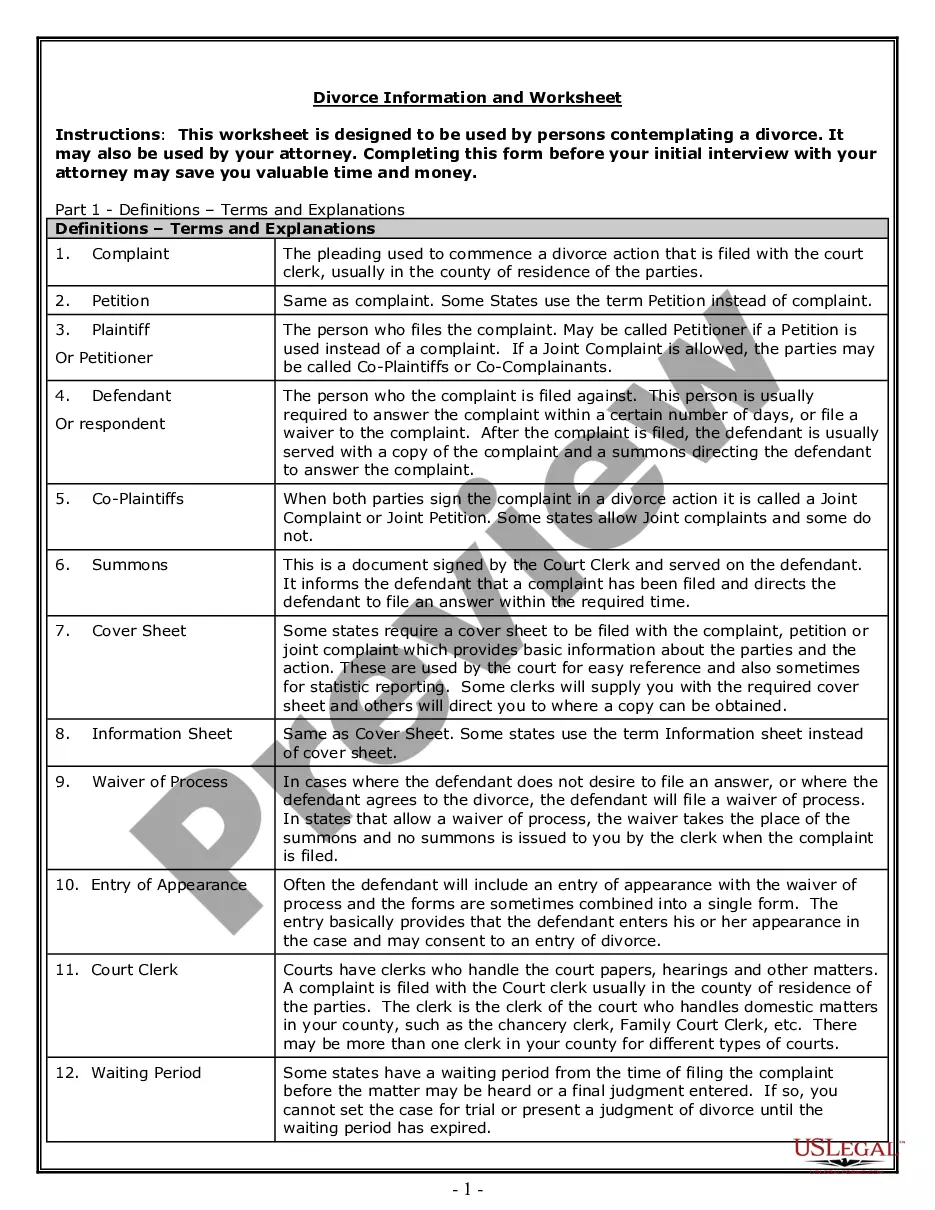
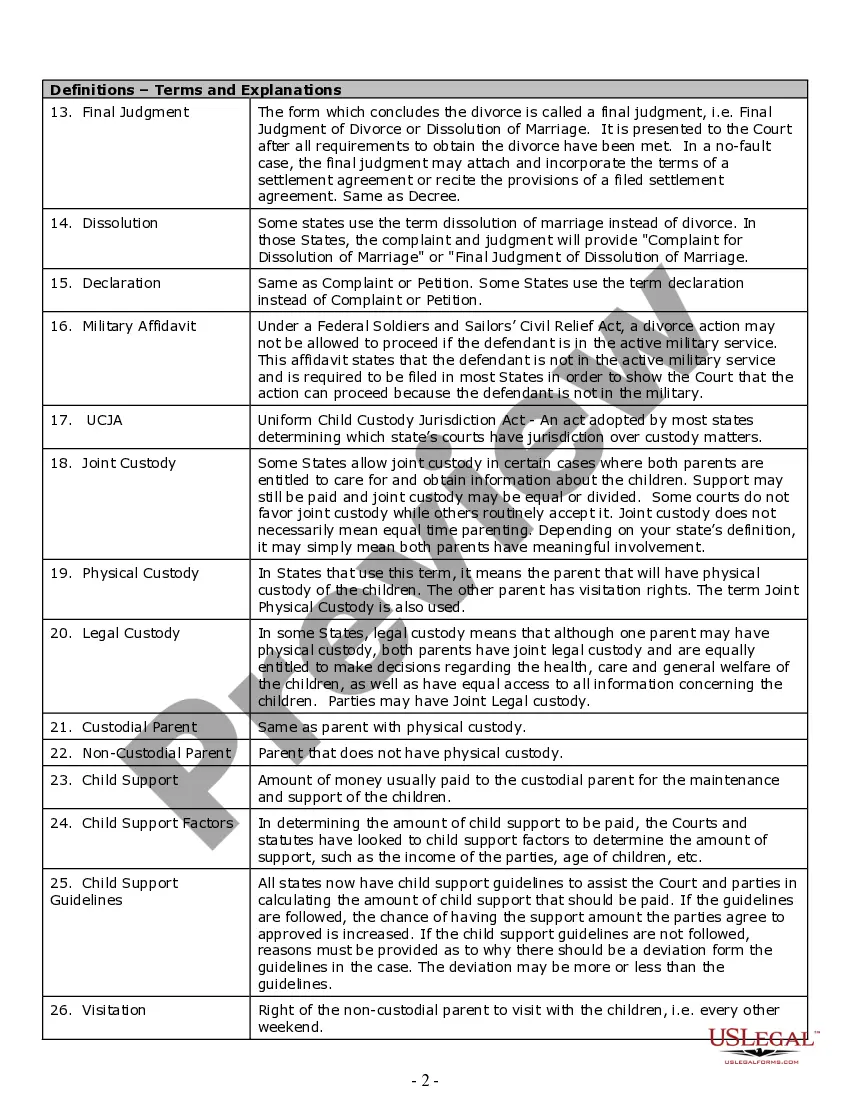
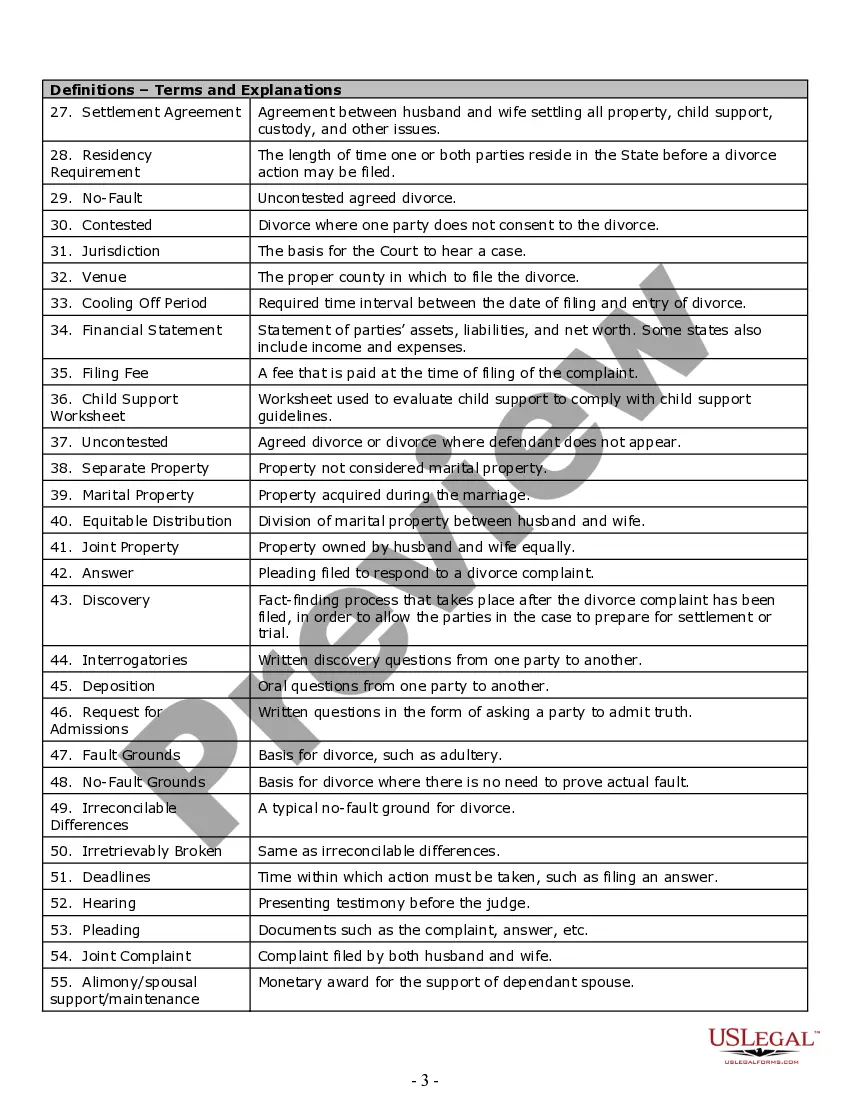
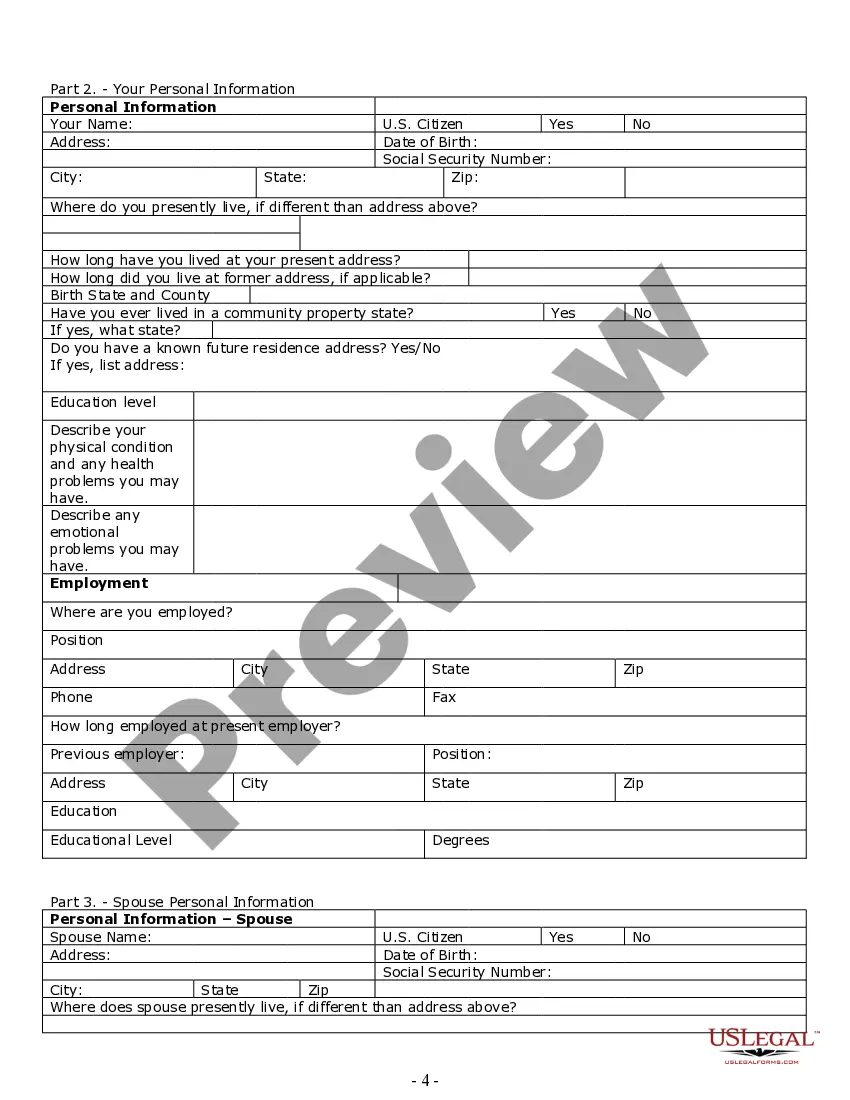
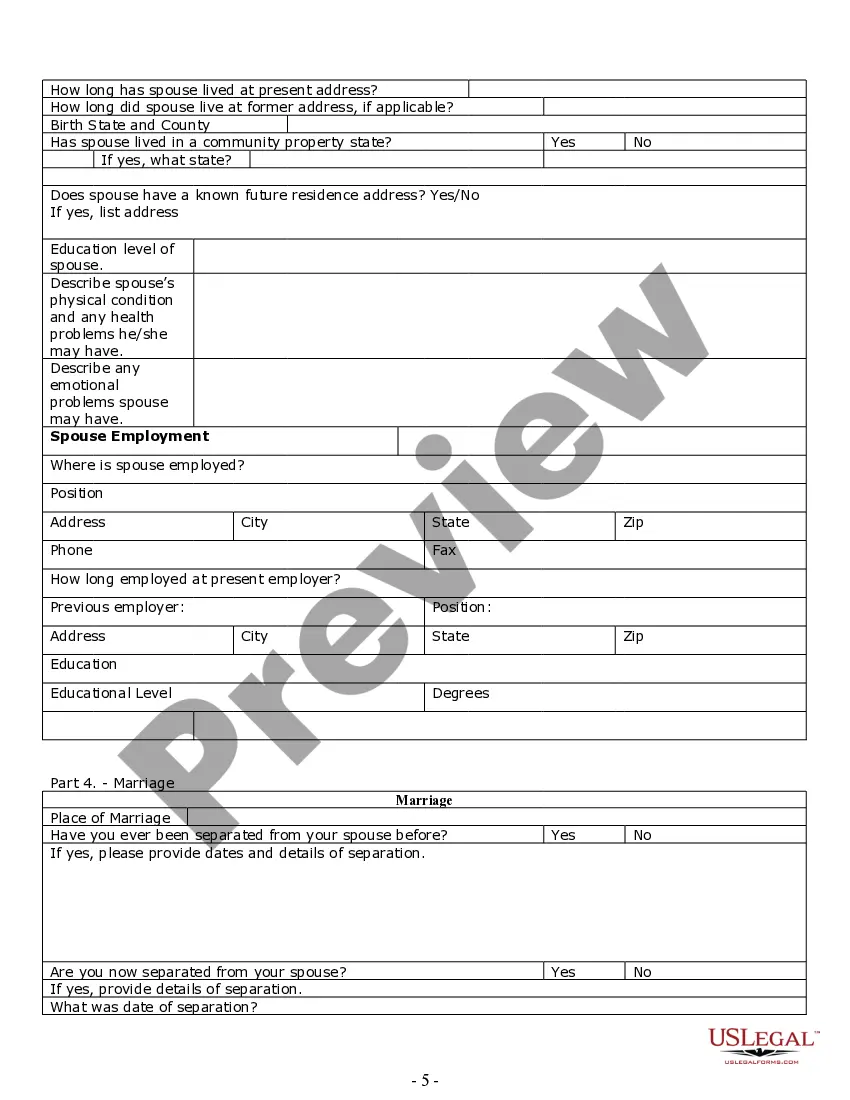
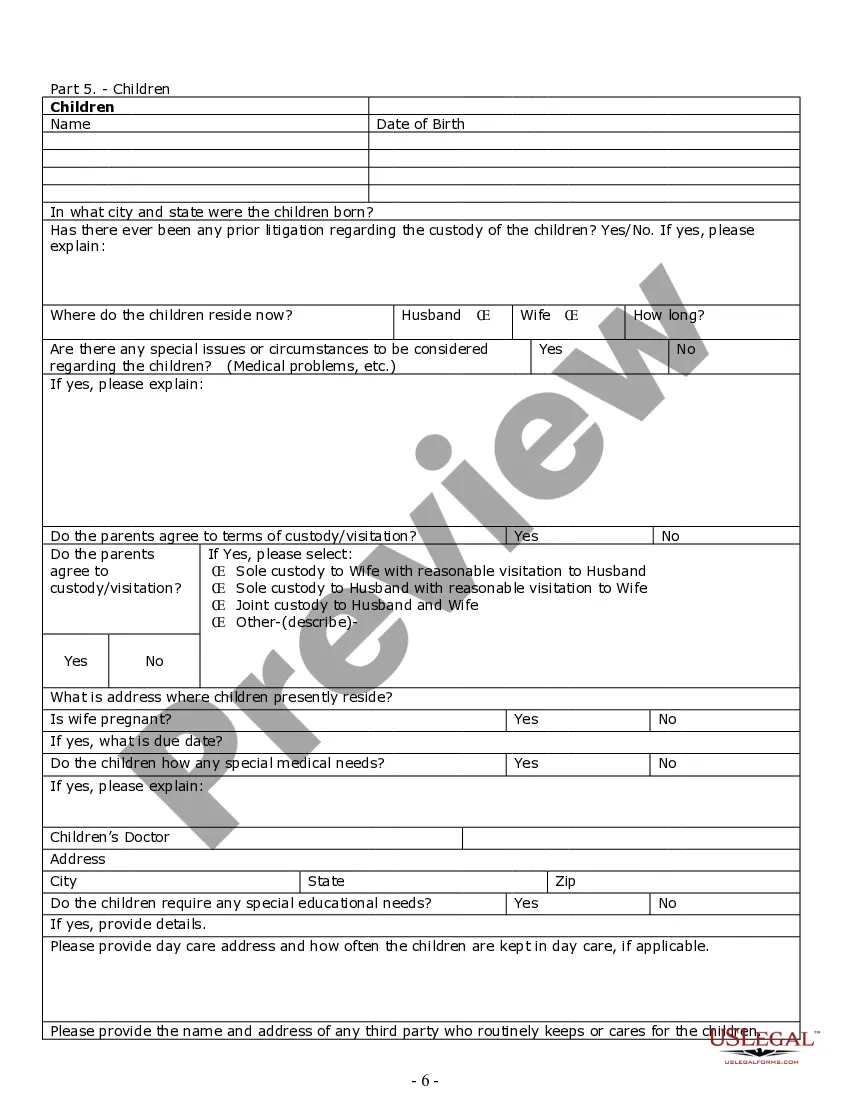
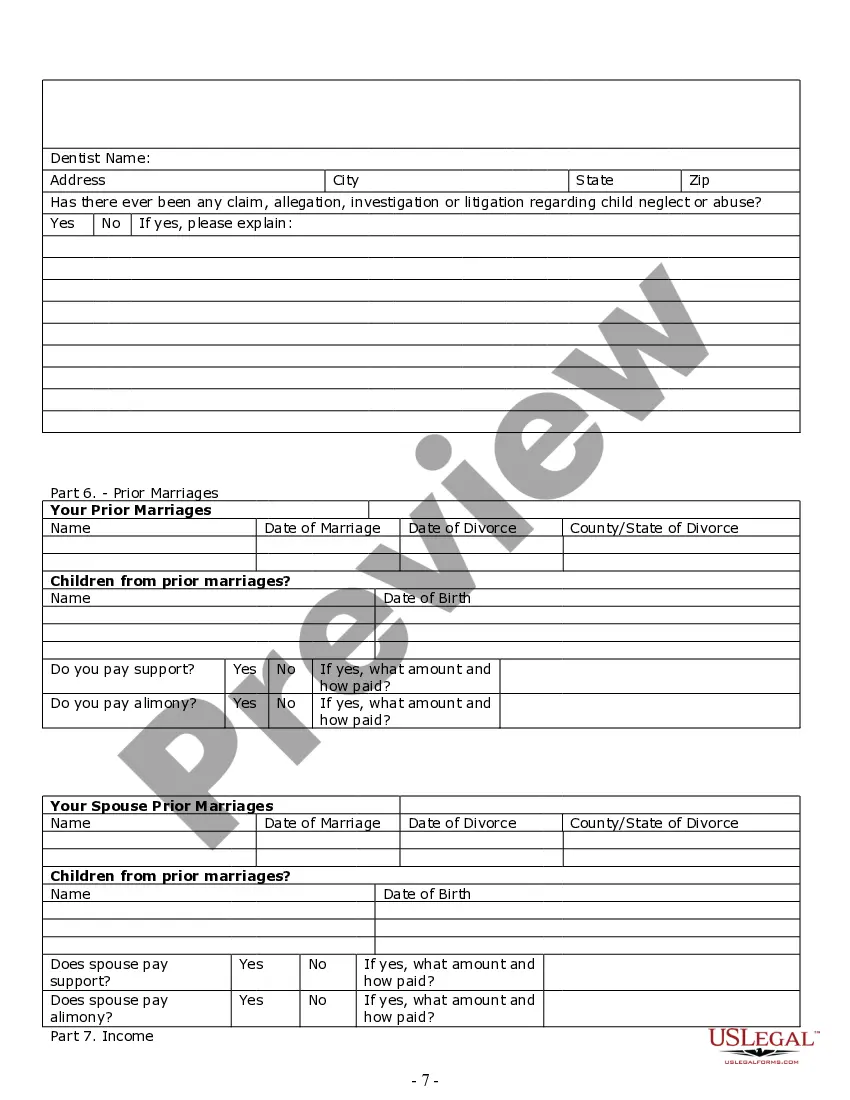
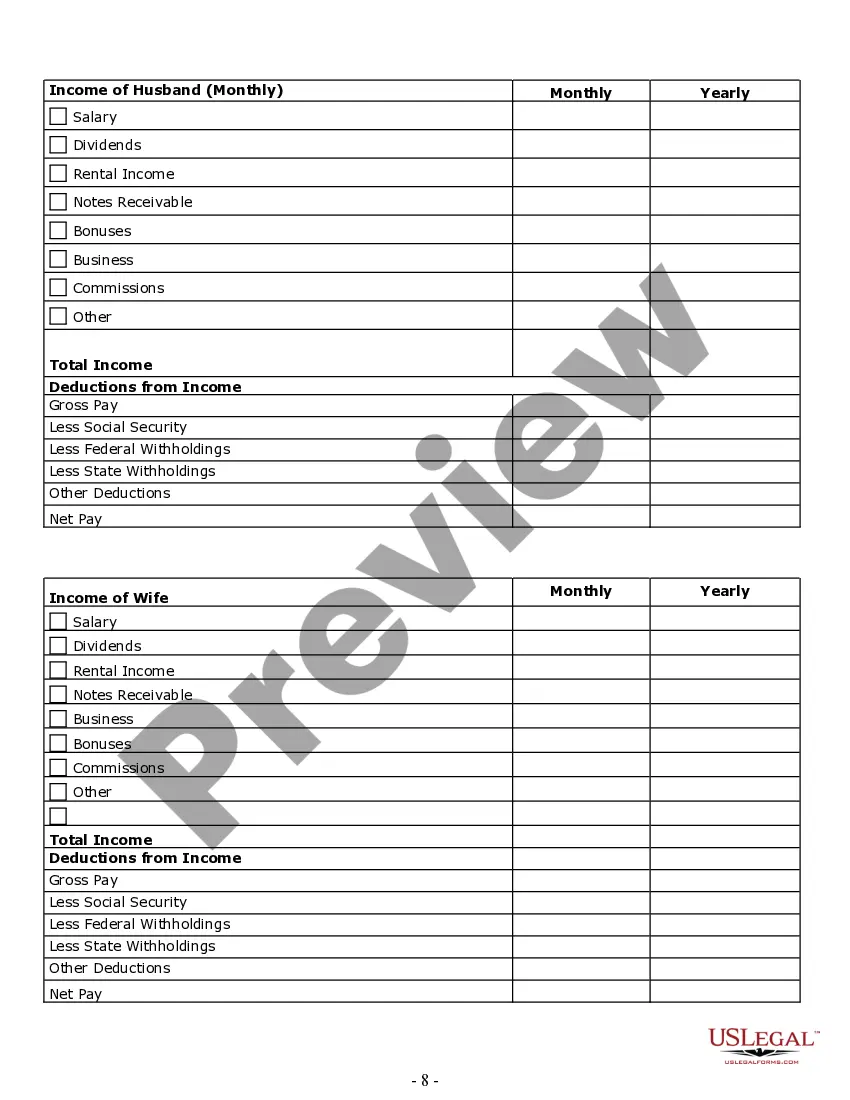
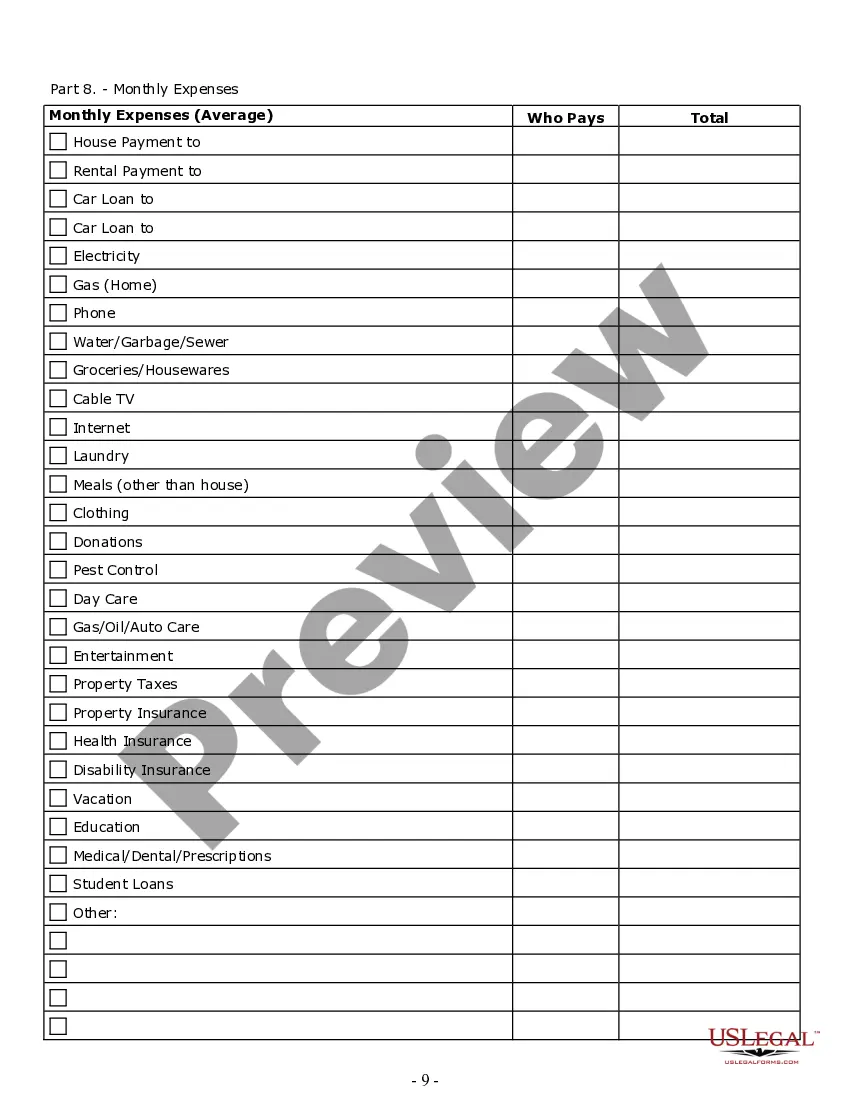
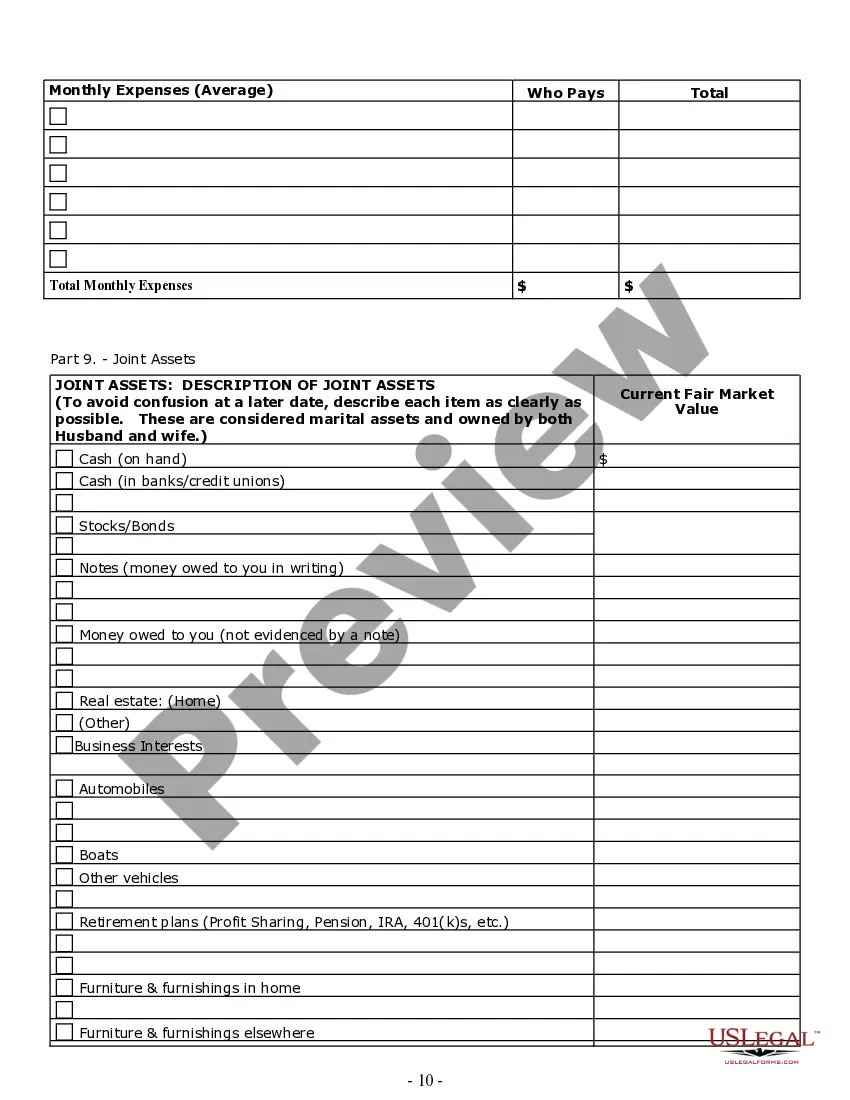

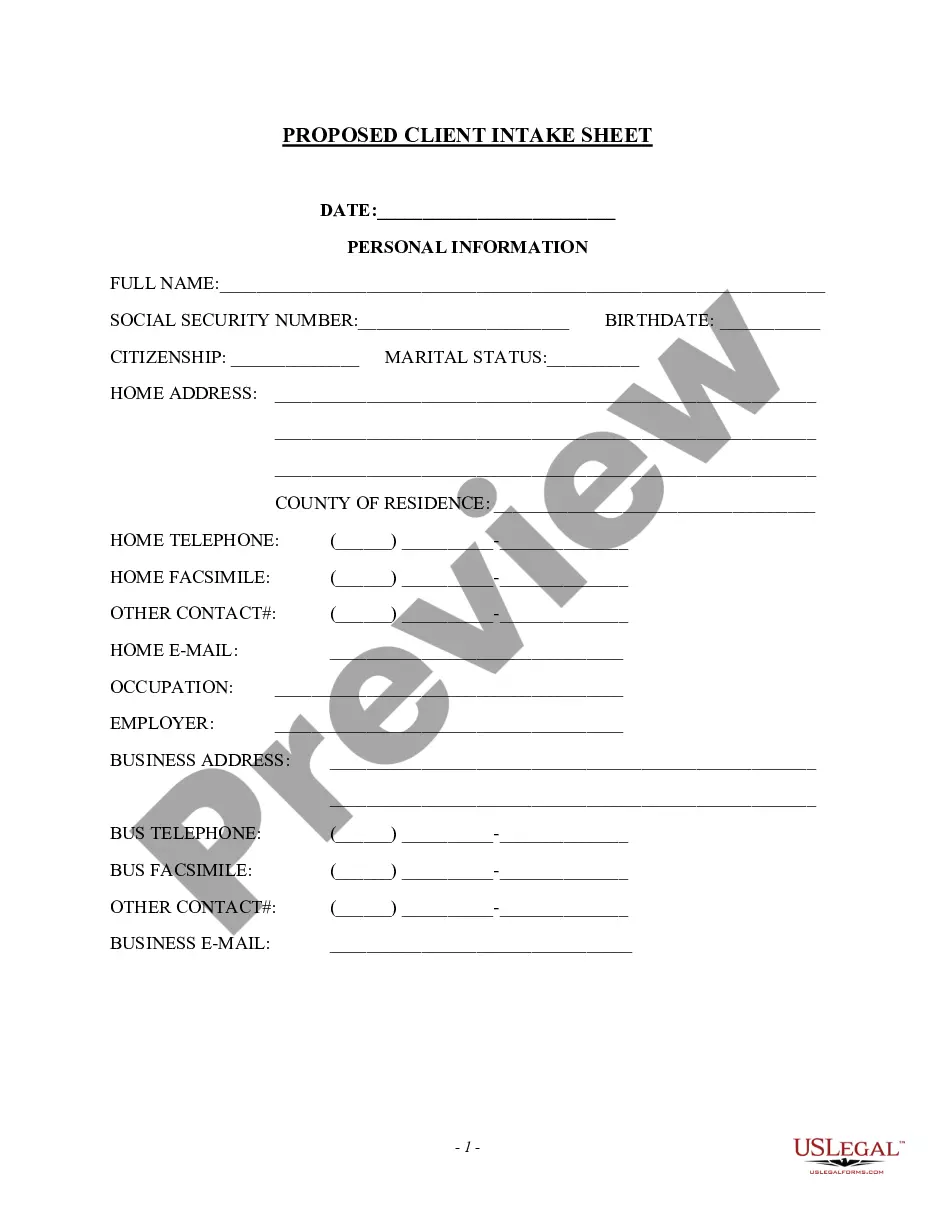
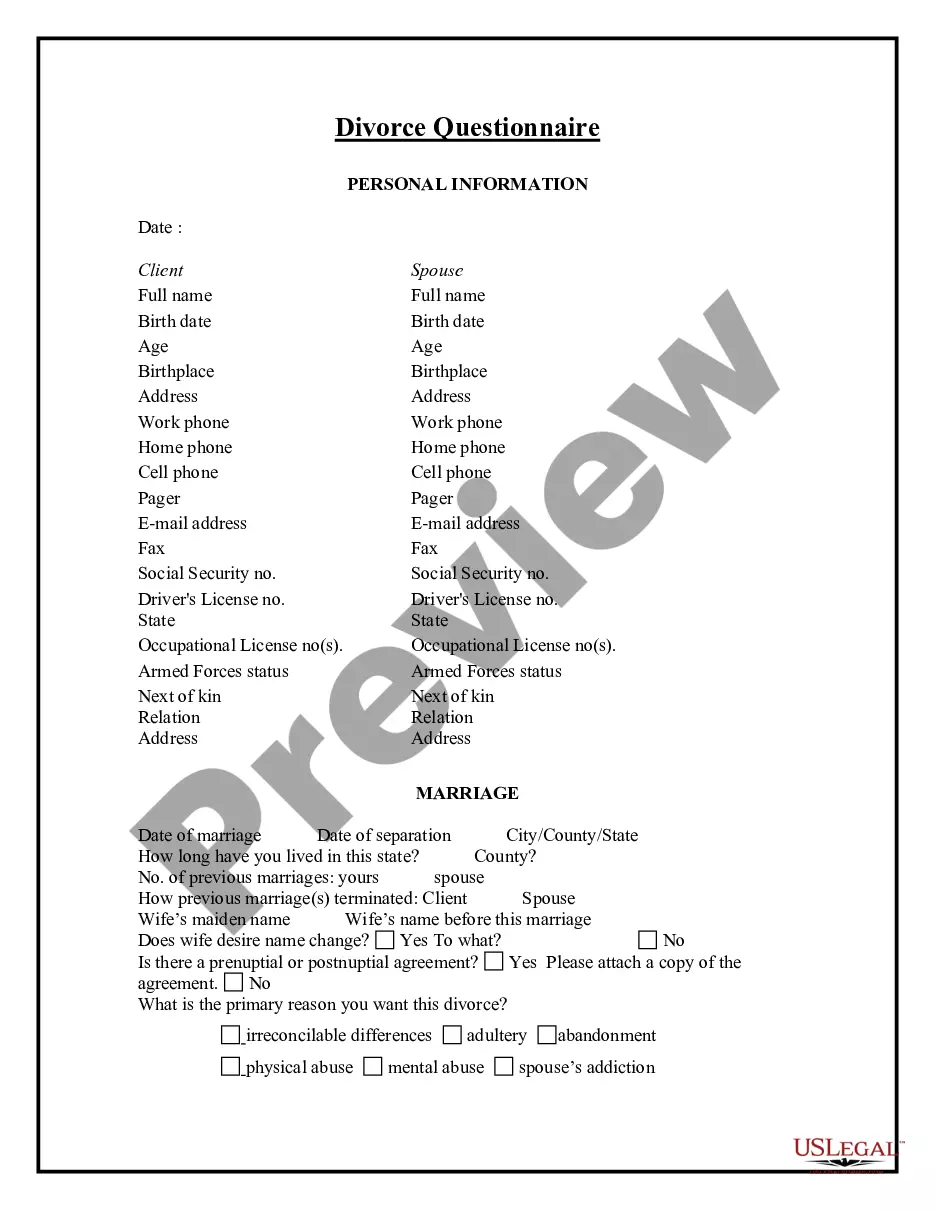

Get your form ready online
Our built-in tools help you complete, sign, share, and store your documents in one place.
Make edits, fill in missing information, and update formatting in US Legal Forms—just like you would in MS Word.
Download a copy, print it, send it by email, or mail it via USPS—whatever works best for your next step.
Sign and collect signatures with our SignNow integration. Send to multiple recipients, set reminders, and more. Go Premium to unlock E-Sign.
If this form requires notarization, complete it online through a secure video call—no need to meet a notary in person or wait for an appointment.
We protect your documents and personal data by following strict security and privacy standards.

Make edits, fill in missing information, and update formatting in US Legal Forms—just like you would in MS Word.

Download a copy, print it, send it by email, or mail it via USPS—whatever works best for your next step.

Sign and collect signatures with our SignNow integration. Send to multiple recipients, set reminders, and more. Go Premium to unlock E-Sign.

If this form requires notarization, complete it online through a secure video call—no need to meet a notary in person or wait for an appointment.

We protect your documents and personal data by following strict security and privacy standards.
Looking for another form?









How to fill out Connecticut Divorce Worksheet And Law Summary For Contested Or Uncontested Case Of Over 25 Pages - Ideal Client Interview Form?
Managing legal paperwork and processes can be a lengthy addition to your schedule. Ct Divorce Laws With Minor Child and similar documents usually necessitate you to search for them and comprehend how to fill them out accurately.
Therefore, whether you are handling financial, legal, or personal issues, having an extensive and efficient online repository of forms readily available will be beneficial.
US Legal Forms is the leading online platform for legal templates, featuring over 85,000 state-specific forms and a variety of tools to assist you in completing your documents with ease.
Discover the collection of relevant documents available to you with just one click.
Then, follow the steps below to complete your form: Ensure you have located the correct form using the Review option and examining the form details. Click Buy Now when ready, and choose the subscription plan that suits your needs. Select Download, then fill out, eSign, and print the form. US Legal Forms has twenty-five years of experience helping users manage their legal documents. Get the form you need today and simplify any process without hassle.
- US Legal Forms offers state- and county-specific forms available for download at any time.
- Protect your document management processes by utilizing a high-quality service that enables you to prepare any form in minutes without extra or hidden costs.
- Simply Log In to your account, find Ct Divorce Laws With Minor Child, and obtain it immediately from the My documents section.
- You can also access previously downloaded forms.
- Is this your first time using US Legal Forms? Sign up and create a free account in just a few minutes to gain access to the form library and Ct Divorce Laws With Minor Child.
Form popularity
FAQ
In Connecticut, divorce courts are required by law to weigh and consider issues relating to fault. If one spouse has been unfaithful during the marriage, it can have a tremendous impact on the outcome. This factor is especially important in long-term marriages and high net worth divorce cases.
It's important to know that they do not. In Connecticut divorces, you still must have ?Plaintiff? (the person who files first) and a ?Defendant,? (the spouse of the person who files first. But there is no implication to the court that the Plaintiff or Defendant is ?at fault? for the marriage ending.
Traditional Divorce with Agreement - CT Judicial Branch. If you and your spouse have an agreement as to all issues, you may ask the court to waive the 90-day waiting period that is otherwise required for divorces.
§ 46b-82 (2021).) Because Connecticut law says the judge must consider the reasons for the divorce, this means a judge will weigh evidence of adultery and the impact it had on the marital estate (the couple's total assets and liabilities) as well as the effect it had on the breakup of the marriage.
All property obtained during the marriage in CT is considered marital property and subject to equitable distribution. In cases of prenuptial agreements, however, separate property will usually be allocated ing to the agreement.