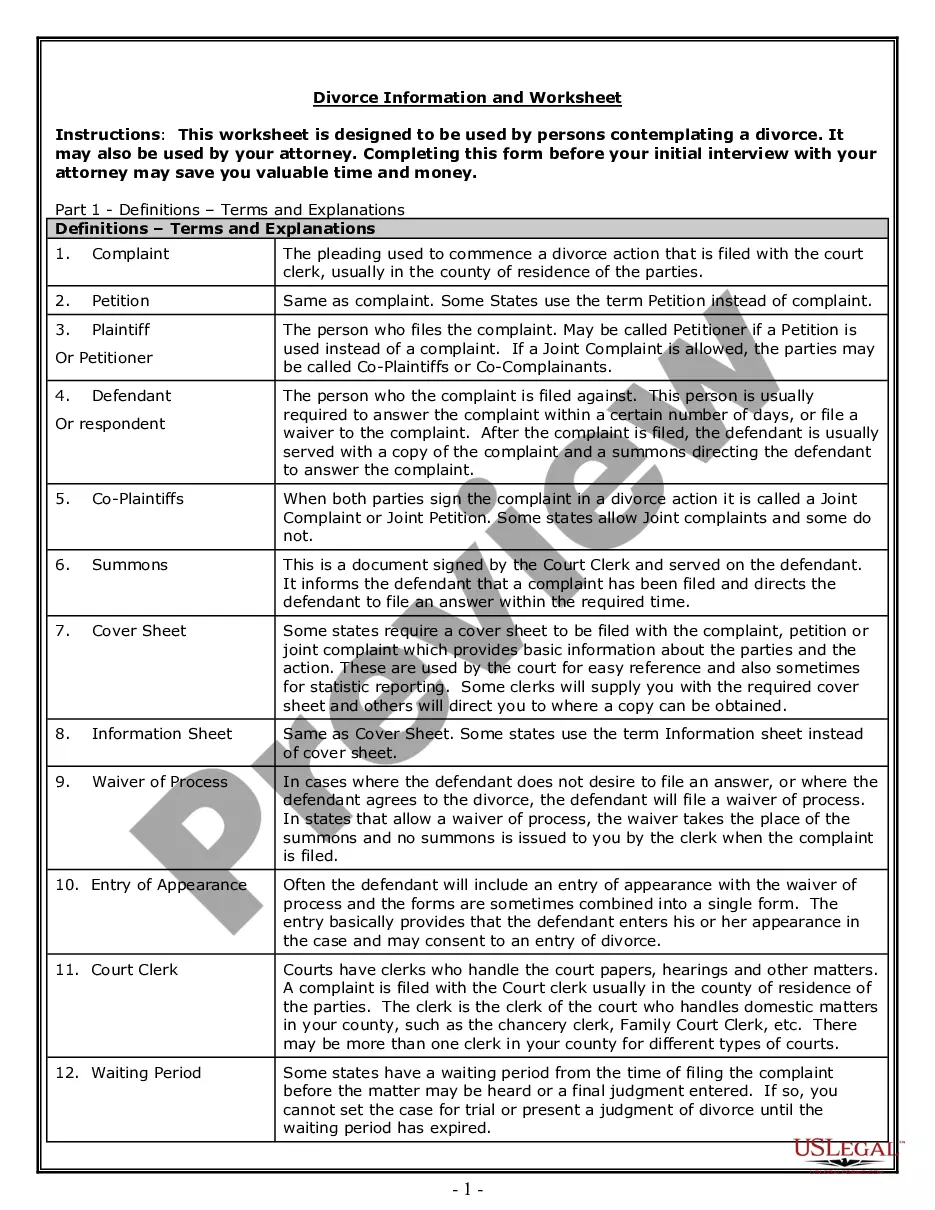
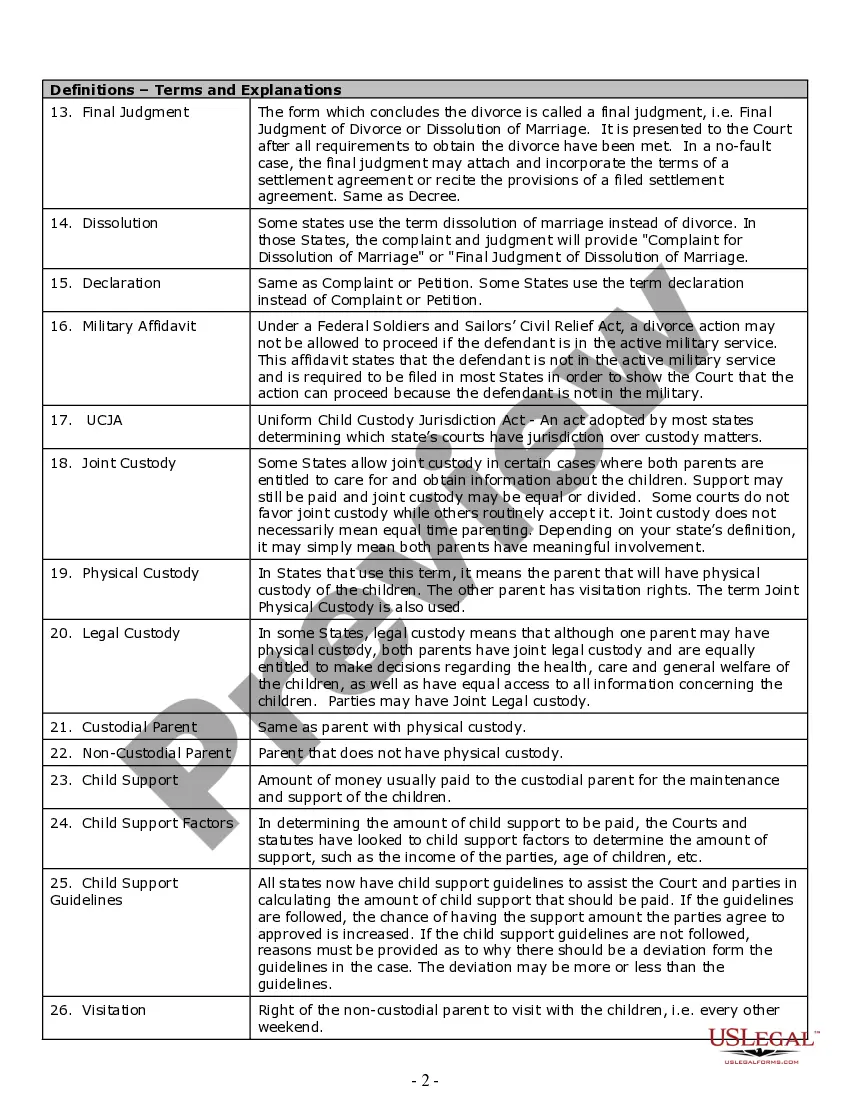
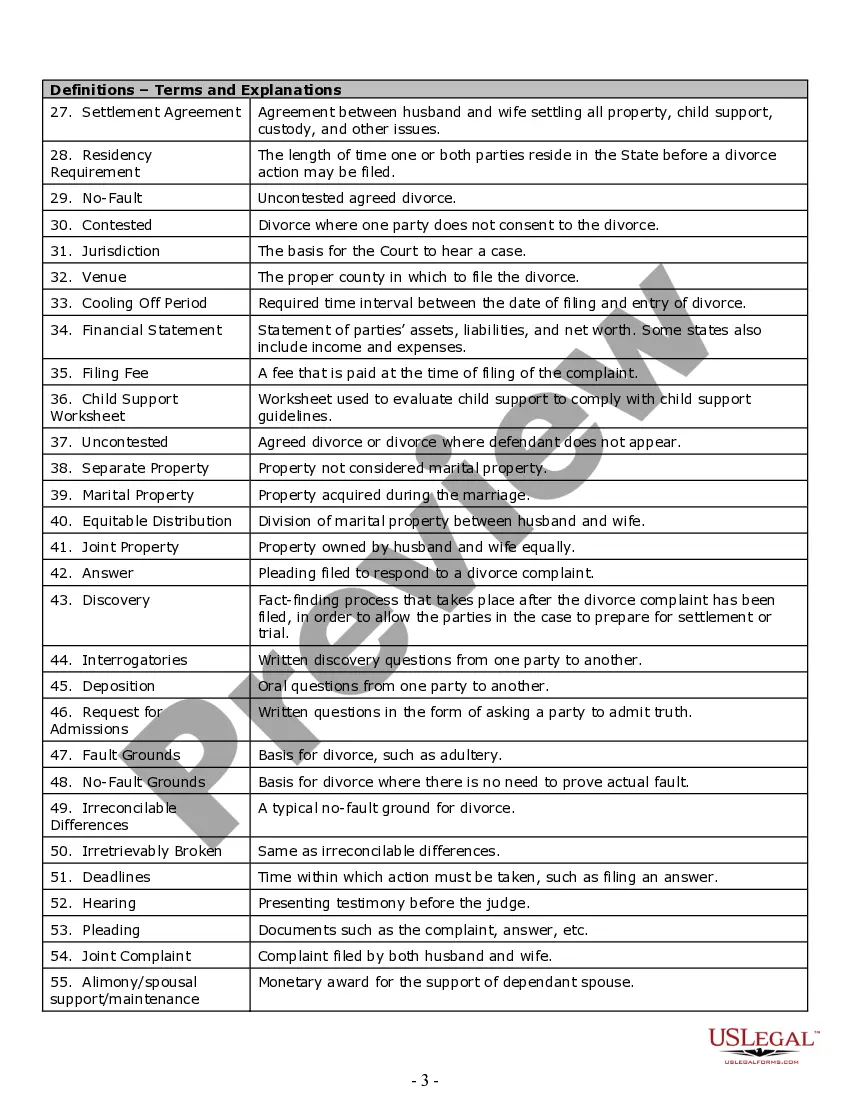
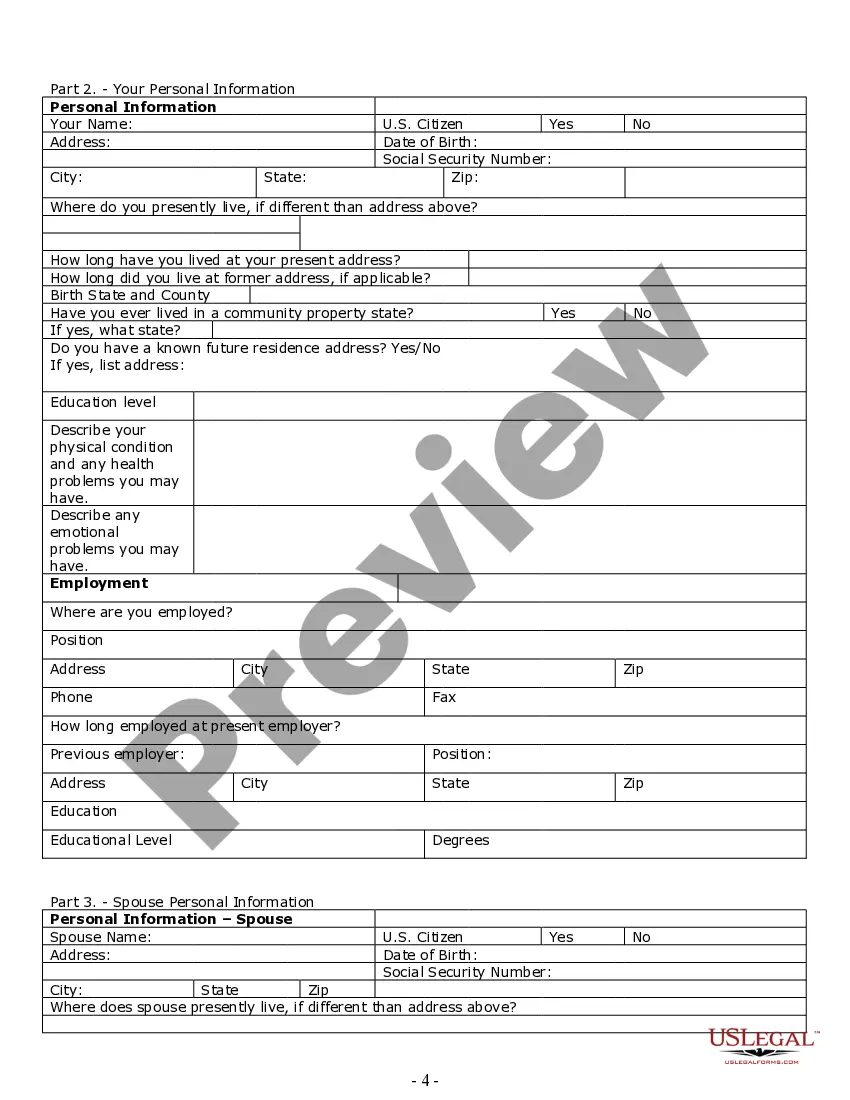
Ct Divorce Law With Child
Description


Get your form ready online
Our built-in tools help you complete, sign, share, and store your documents in one place.
Make edits, fill in missing information, and update formatting in US Legal Forms—just like you would in MS Word.
Download a copy, print it, send it by email, or mail it via USPS—whatever works best for your next step.
Sign and collect signatures with our SignNow integration. Send to multiple recipients, set reminders, and more. Go Premium to unlock E-Sign.
If this form requires notarization, complete it online through a secure video call—no need to meet a notary in person or wait for an appointment.
We protect your documents and personal data by following strict security and privacy standards.

Make edits, fill in missing information, and update formatting in US Legal Forms—just like you would in MS Word.

Download a copy, print it, send it by email, or mail it via USPS—whatever works best for your next step.

Sign and collect signatures with our SignNow integration. Send to multiple recipients, set reminders, and more. Go Premium to unlock E-Sign.

If this form requires notarization, complete it online through a secure video call—no need to meet a notary in person or wait for an appointment.

We protect your documents and personal data by following strict security and privacy standards.
Looking for another form?






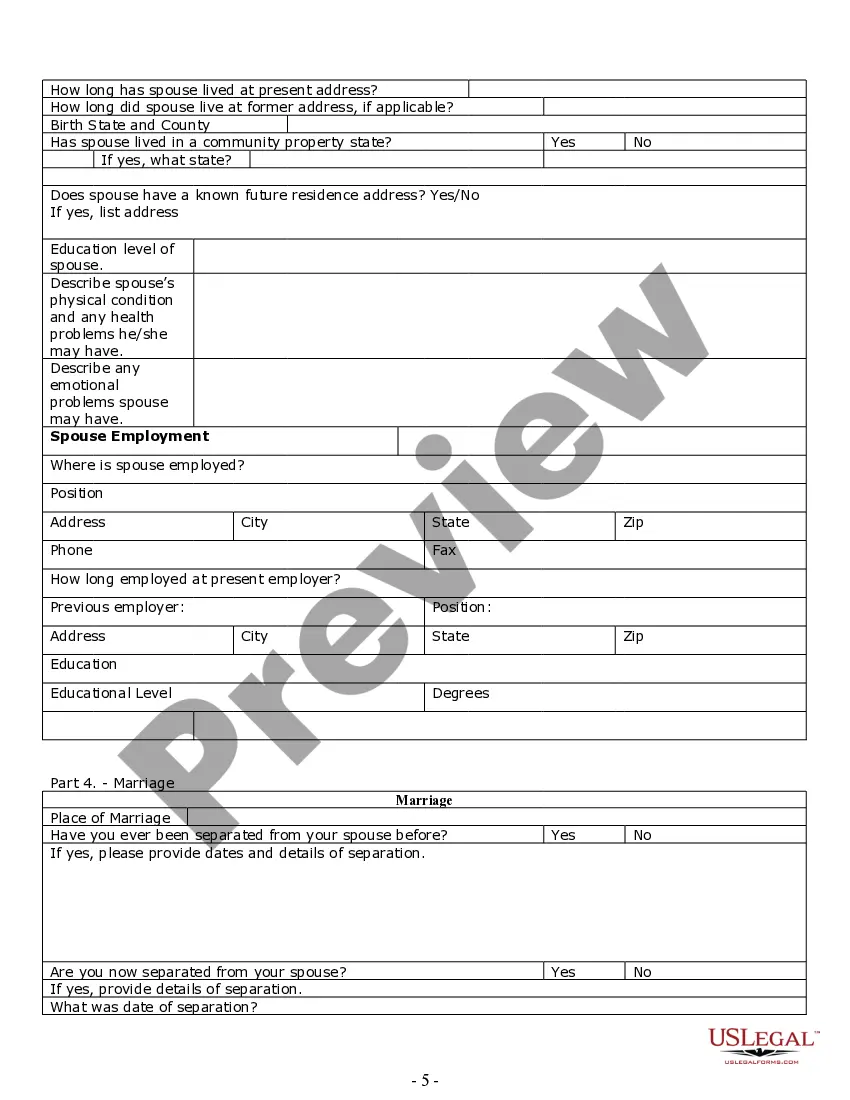
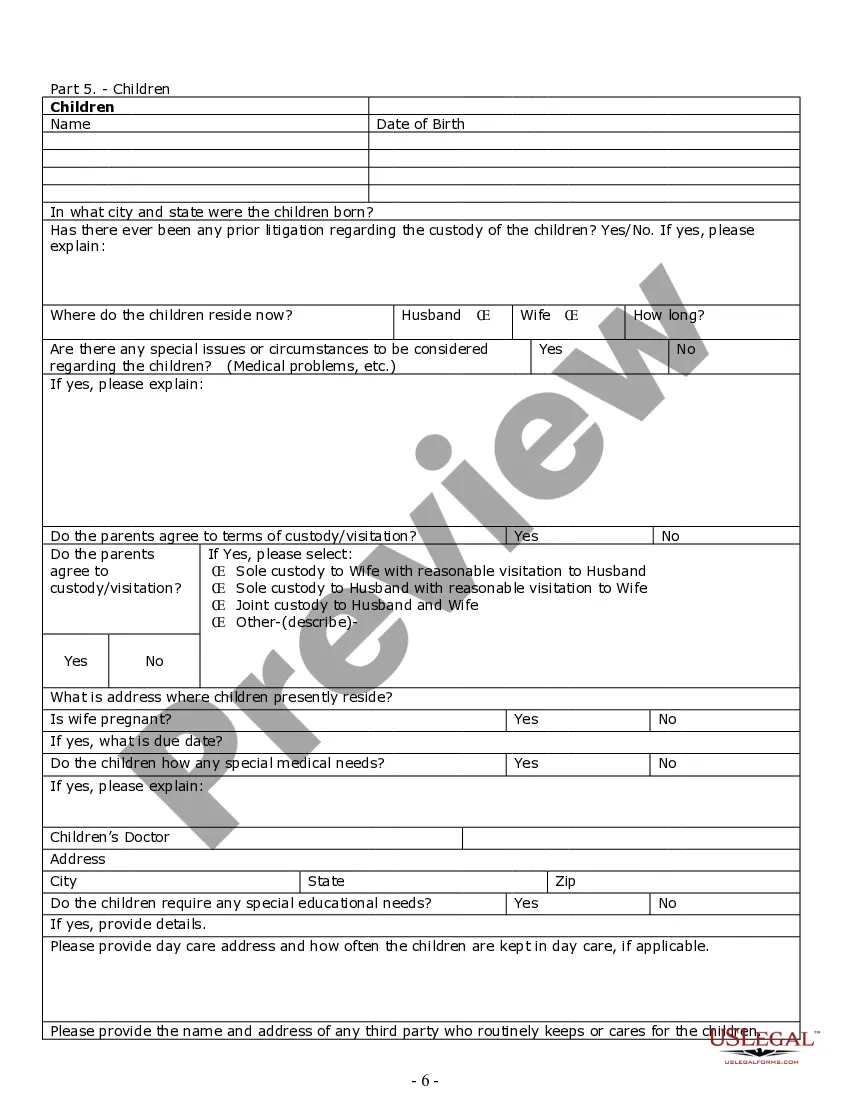
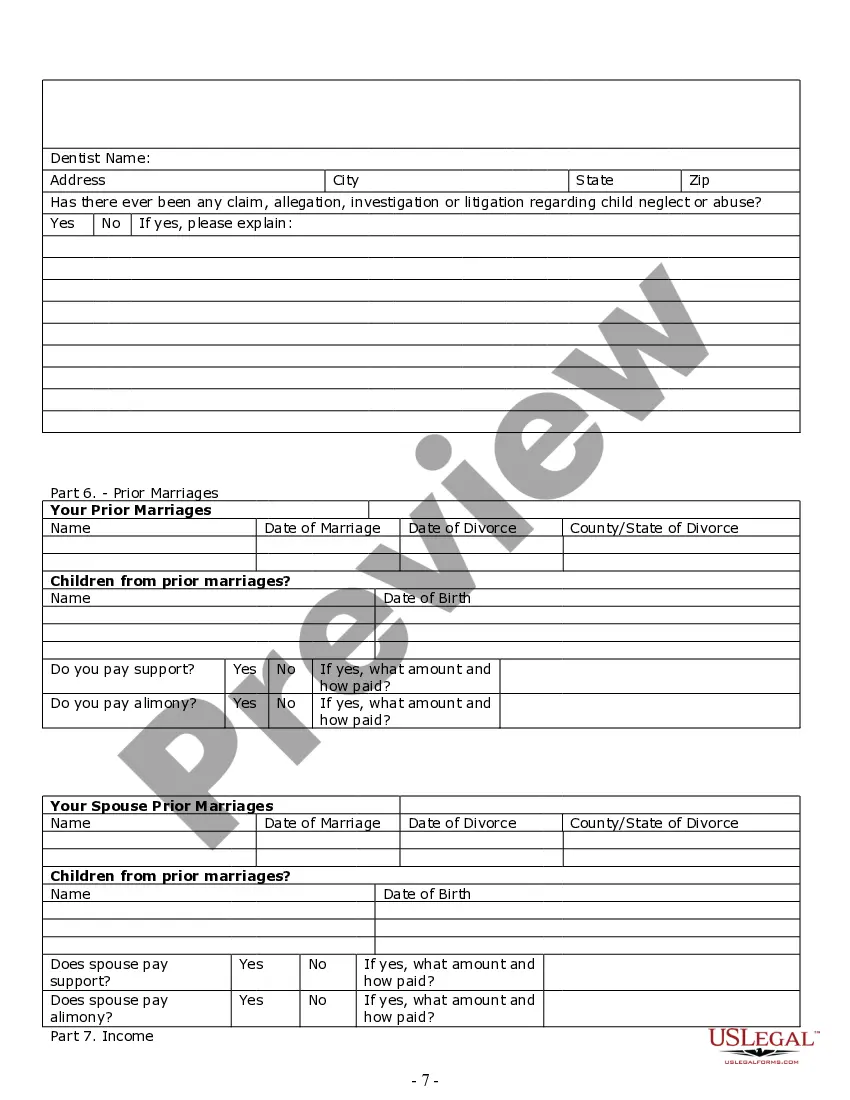
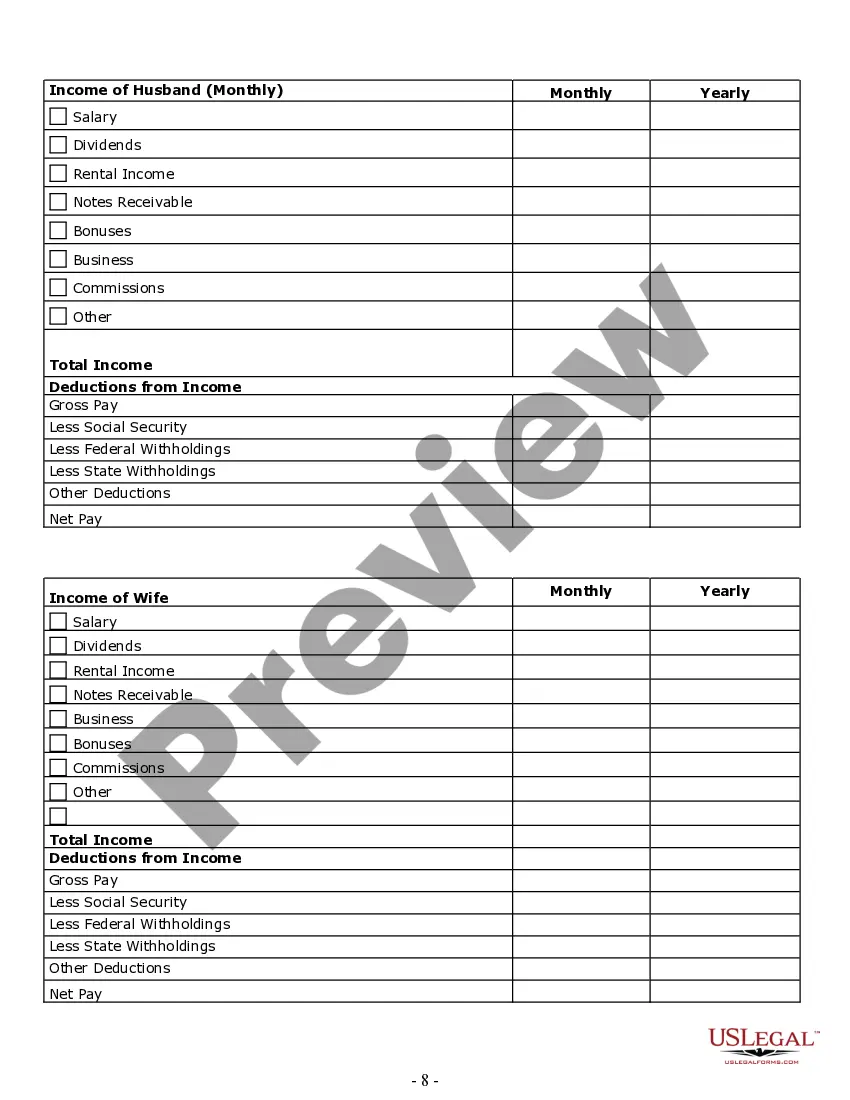
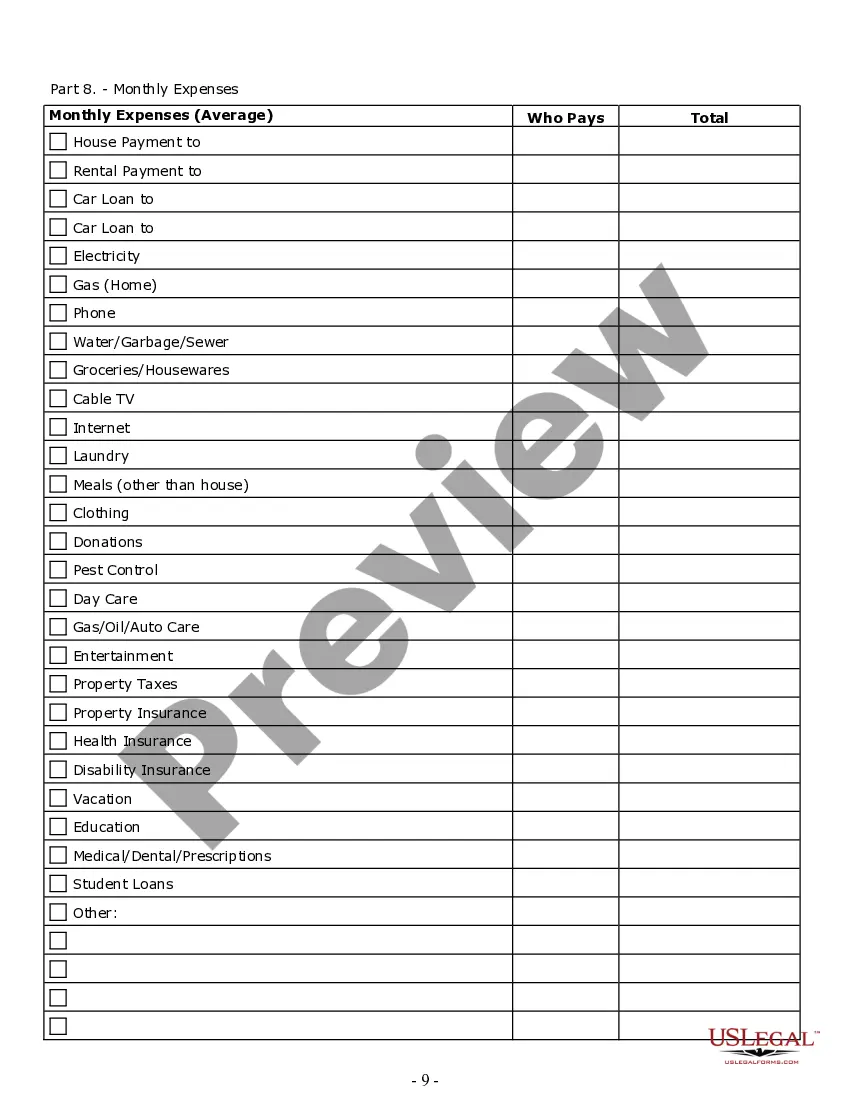
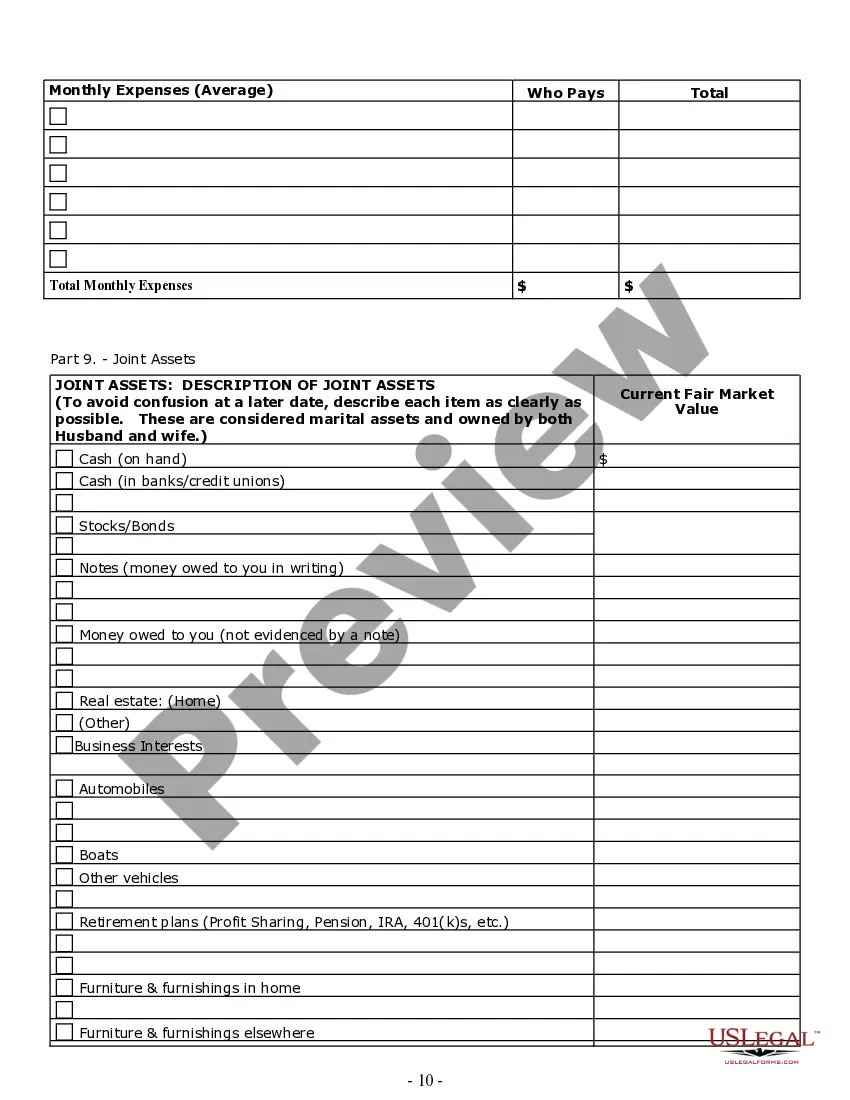
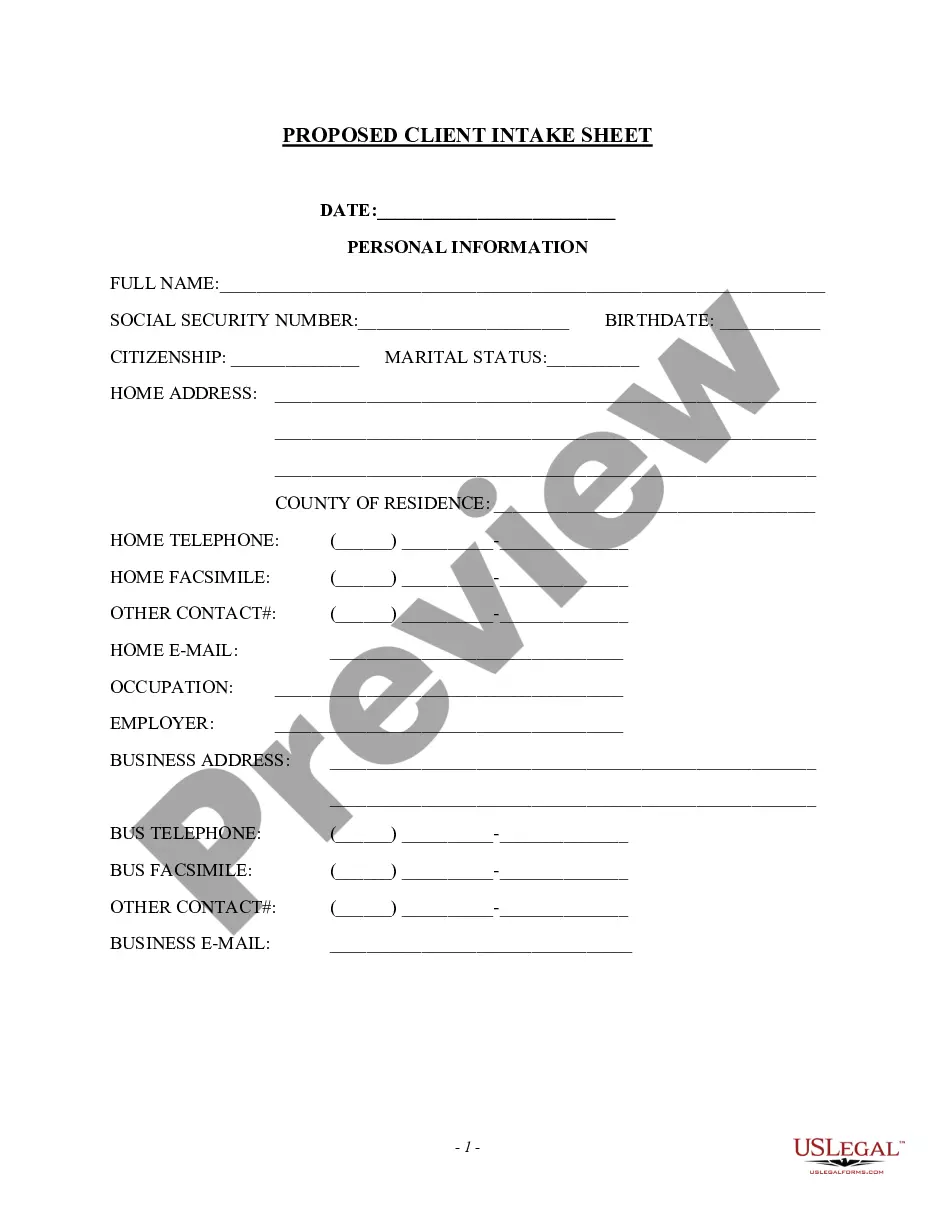
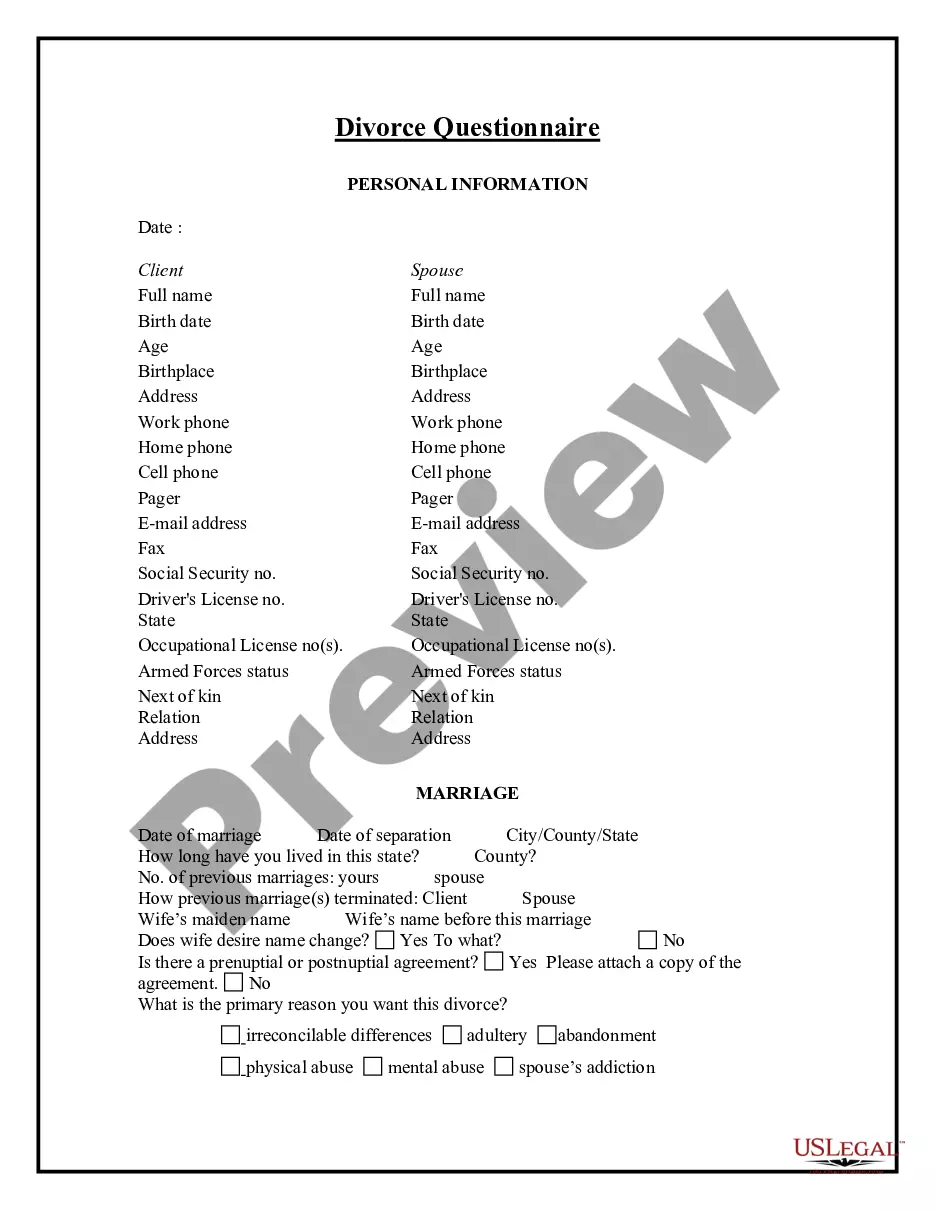
How to fill out Connecticut Divorce Worksheet And Law Summary For Contested Or Uncontested Case Of Over 25 Pages - Ideal Client Interview Form?
Creating legal documents from the beginning can occasionally be somewhat daunting.
Certain situations may require extensive research and substantial financial investment.
If you’re looking for an easier and more cost-effective method of drafting Ct Divorce Law With Child or any other documentation without unnecessary hassle, US Legal Forms is always accessible.
Our online repository of over 85,000 current legal forms covers nearly every aspect of your financial, legal, and personal affairs.
Review the document preview and descriptions to confirm that you have located the document you need. Ensure the form you select meets the criteria of your state and county. Select the appropriate subscription plan to acquire the Ct Divorce Law With Child. Download the file. Then complete, sign, and print it. US Legal Forms enjoys an impeccable reputation and over 25 years of expertise. Join us now and make form completion a straightforward and efficient process!
- With just a few clicks, you can swiftly obtain state- and county-specific forms meticulously prepared for you by our legal professionals.
- Utilize our website whenever you seek a dependable and trustworthy service to efficiently locate and download the Ct Divorce Law With Child.
- If you’re familiar with our site and have previously created an account with us, simply Log In to your account, choose the form and download it or re-download it anytime in the My documents section.
- Don’t have an account? No problem. It takes minimal time to establish one and browse the catalog.
- However, before proceeding directly to download Ct Divorce Law With Child, adhere to these suggestions.
Form popularity
FAQ
It's important to know that they do not. In Connecticut divorces, you still must have ?Plaintiff? (the person who files first) and a ?Defendant,? (the spouse of the person who files first. But there is no implication to the court that the Plaintiff or Defendant is ?at fault? for the marriage ending.
In Connecticut divorces, the general rule is that each party is responsible for their own legal fees. While there are provisions allowing the use of marital assets to cover legal expenses, unless a unique circumstance warrants an exception, each spouse remains ultimately accountable for their individual fees.
While filing for divorce first does not give you any inherent rights over your spouse, it does allow you more control over the situation from the beginning and could provide some strategic benefits.
All property obtained during the marriage in CT is considered marital property and subject to equitable distribution. In cases of prenuptial agreements, however, separate property will usually be allocated ing to the agreement.
Traditional Divorce with Agreement - CT Judicial Branch. If you and your spouse have an agreement as to all issues, you may ask the court to waive the 90-day waiting period that is otherwise required for divorces.