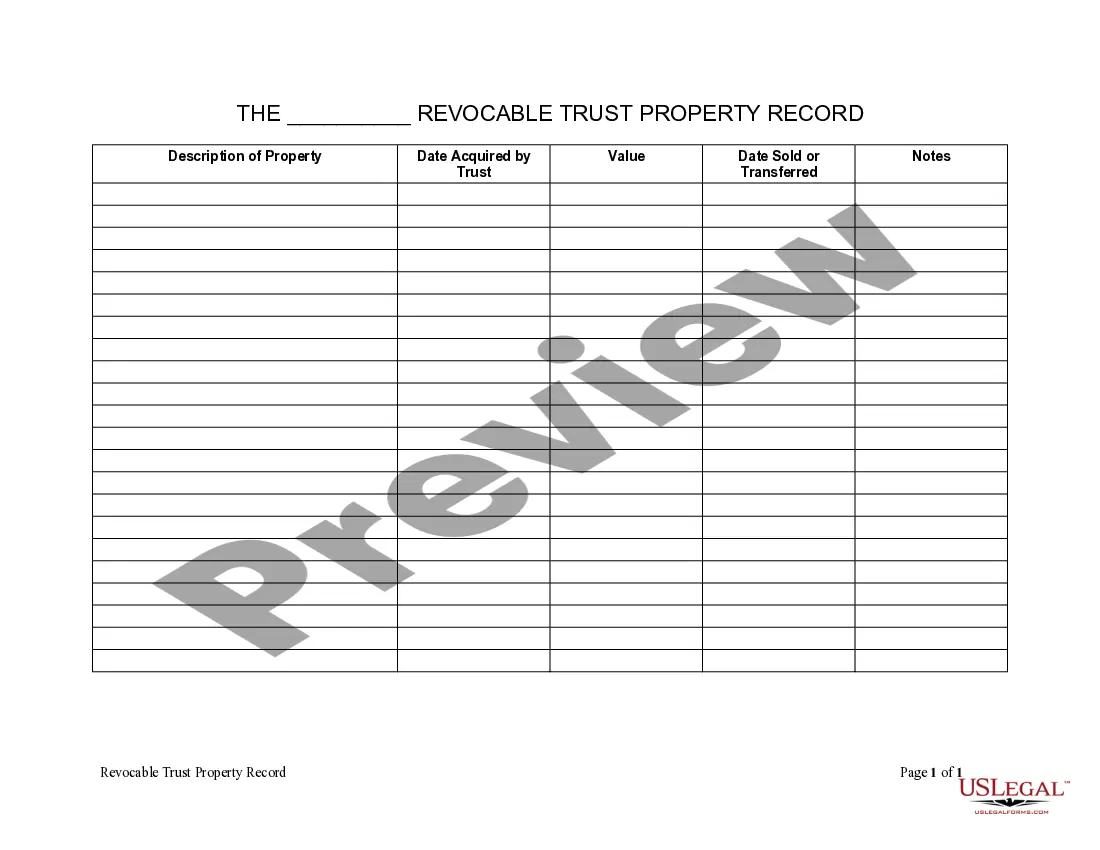
Living Prop
Description

Get your form ready online
Our built-in tools help you complete, sign, share, and store your documents in one place.
Make edits, fill in missing information, and update formatting in US Legal Forms—just like you would in MS Word.
Download a copy, print it, send it by email, or mail it via USPS—whatever works best for your next step.
Sign and collect signatures with our SignNow integration. Send to multiple recipients, set reminders, and more. Go Premium to unlock E-Sign.
If this form requires notarization, complete it online through a secure video call—no need to meet a notary in person or wait for an appointment.
We protect your documents and personal data by following strict security and privacy standards.

Make edits, fill in missing information, and update formatting in US Legal Forms—just like you would in MS Word.

Download a copy, print it, send it by email, or mail it via USPS—whatever works best for your next step.

Sign and collect signatures with our SignNow integration. Send to multiple recipients, set reminders, and more. Go Premium to unlock E-Sign.

If this form requires notarization, complete it online through a secure video call—no need to meet a notary in person or wait for an appointment.

We protect your documents and personal data by following strict security and privacy standards.
Looking for another form?

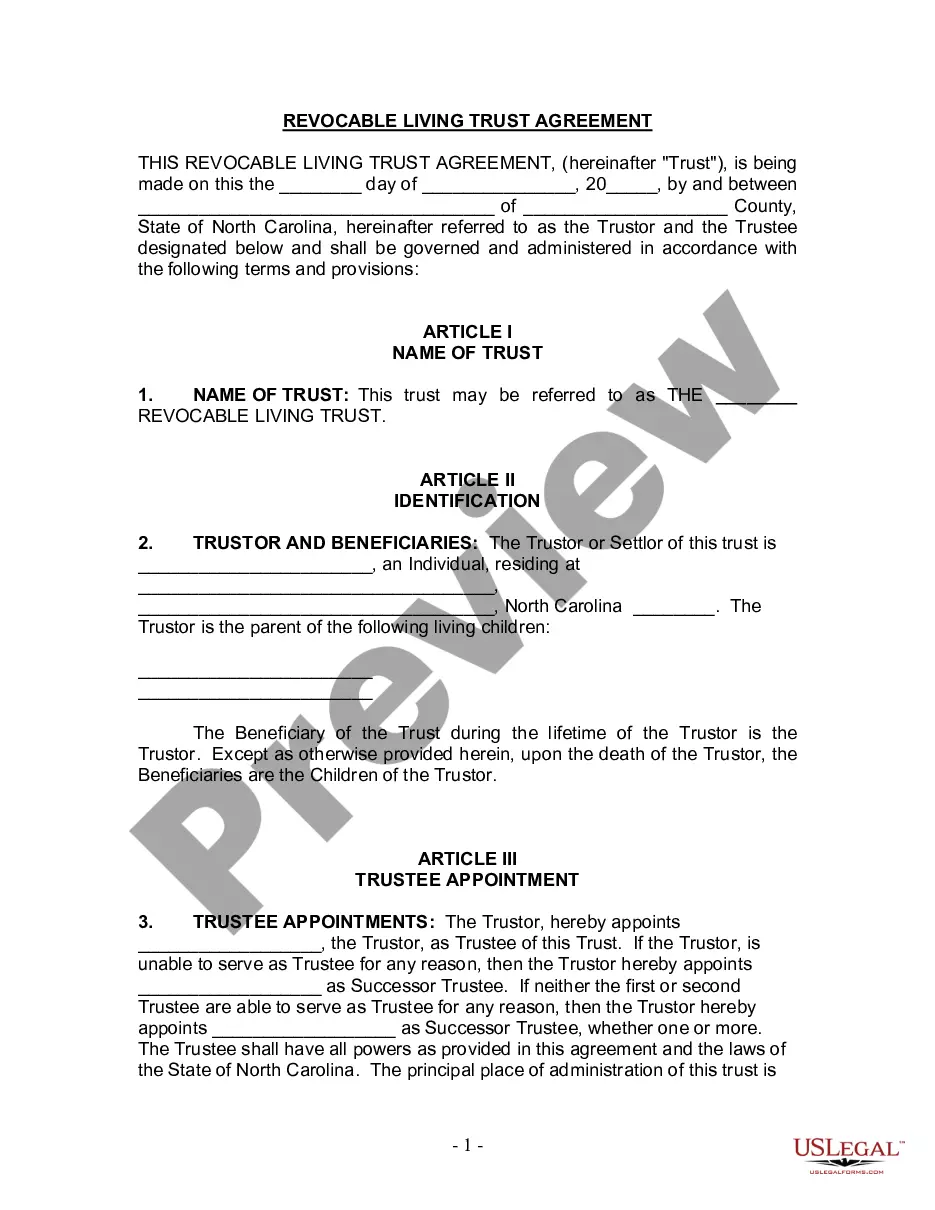

How to fill out Colorado Living Trust Property Record?
- If you're a returning user, log in to access your account and download the required form template by clicking the Download button, ensuring your subscription is current.
- For first-time users, start by exploring the Preview mode and the form description to verify that the document aligns with your specific needs and complies with local jurisdiction requirements.
- Search for additional templates if needed. If there are discrepancies, utilize the Search tab above to refine your options, and proceed when you've found the right form.
- Purchase the document by clicking the Buy Now button and selecting your preferred subscription plan. You will need to register an account to unlock the full range of resources.
- Complete your transaction by entering your payment details or using your PayPal account to finalize your subscription.
- Download your document. Save it to your device for easy access and completion. You can revisit it anytime through the My Forms section in your profile.
US Legal Forms simplifies the process of securing legal documentation, ensuring that users receive accurate, legally sound documents.
Take advantage of US Legal Forms today to streamline your legal needs and access expert guidance whenever necessary!
Form popularity
FAQ
Typically, a living will does not need to be filed with the court, as it primarily serves as a personal declaration regarding your healthcare wishes. Instead, you should keep it in a secure location and share copies with key individuals, such as your family and healthcare providers. However, ensuring your living will complies with your state's laws is essential, so you might consider using platforms like USLegalForms to access the correct documentation and peace of mind.
Putting your house in a trust can result in certain challenges. One major disadvantage is that you may lose some control over the property, as it now belongs to the trust rather than you directly. Additionally, you could face potential tax implications, depending on your specific situation. It's crucial to evaluate these factors and possibly consult a professional to ensure that setting up a living prop aligns with your overall goals.
While a living trust can help avoid probate, it does have some downsides. First, creating a living trust involves initial setup costs, which may be higher than a simple will. Additionally, you must actively manage and fund the trust, which requires time and effort. Moreover, a living trust does not cover all types of assets, so it's essential to consider the entire scope of your estate when planning.
The biggest mistake parents often make when setting up a trust fund is failing to communicate with their children about its purpose and terms. Without clear communication, misunderstandings can arise, leading to disputes later on. To ensure the success of a living prop trust, families should discuss their objectives and clarify expectations from the outset.
One downfall of having a trust is that it can create barriers to access for beneficiaries. In some cases, the rules governing the trust can lead to complications when distributing assets. Therefore, while living prop assets provide protection, they also require careful management and communication among family members.
To fill out a living will form, begin by entering your personal information, including your name and medical details. Follow the prompts to specify your treatment preferences, ensuring you understand each section. Using a legal resource like uslegalforms can guide you through this process and ensure your living prop documentation meets legal requirements.
An example of wording for a living will could start with, 'If I become terminally ill or permanently unconscious and cannot express my wishes, I do not wish for any life-sustaining treatment.' This clear language sets your preferences regarding your treatment, making it important to articulate these wishes accurately in your living prop setup.
In Minnesota, a living will does not need to be notarized to be valid. However, it must be signed by two witnesses who are not related to you. Understanding the requirements for living prop documentation in each state helps ensure compliance and recognition among health care providers.
One disadvantage of a family trust is the complexity it may introduce to asset management. It requires ongoing administration and may lead to disputes among family members if not clearly defined. Thus, while this living prop option offers protection, families should ensure they communicate expectations and processes clearly.
If your parents are considering asset protection, a trust can be beneficial, but it depends on their financial situation. A trust helps manage assets efficiently and potentially avoid probate. However, they should first carefully evaluate if the costs and responsibilities outweigh the advantages to their living prop situation.