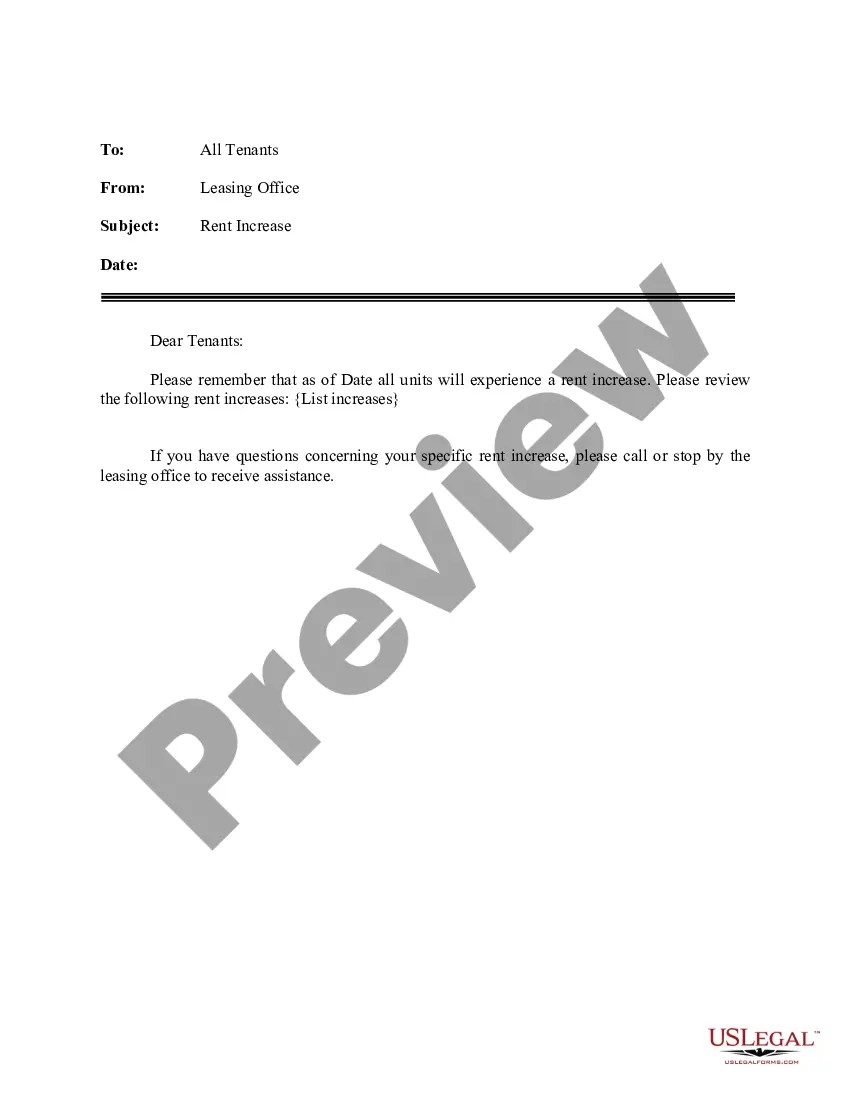
Notice Rent Increase With The Tenant
Description


Get your form ready online
Our built-in tools help you complete, sign, share, and store your documents in one place.
Make edits, fill in missing information, and update formatting in US Legal Forms—just like you would in MS Word.
Download a copy, print it, send it by email, or mail it via USPS—whatever works best for your next step.
Sign and collect signatures with our SignNow integration. Send to multiple recipients, set reminders, and more. Go Premium to unlock E-Sign.
If this form requires notarization, complete it online through a secure video call—no need to meet a notary in person or wait for an appointment.
We protect your documents and personal data by following strict security and privacy standards.

Make edits, fill in missing information, and update formatting in US Legal Forms—just like you would in MS Word.

Download a copy, print it, send it by email, or mail it via USPS—whatever works best for your next step.

Sign and collect signatures with our SignNow integration. Send to multiple recipients, set reminders, and more. Go Premium to unlock E-Sign.

If this form requires notarization, complete it online through a secure video call—no need to meet a notary in person or wait for an appointment.

We protect your documents and personal data by following strict security and privacy standards.
Looking for another form?









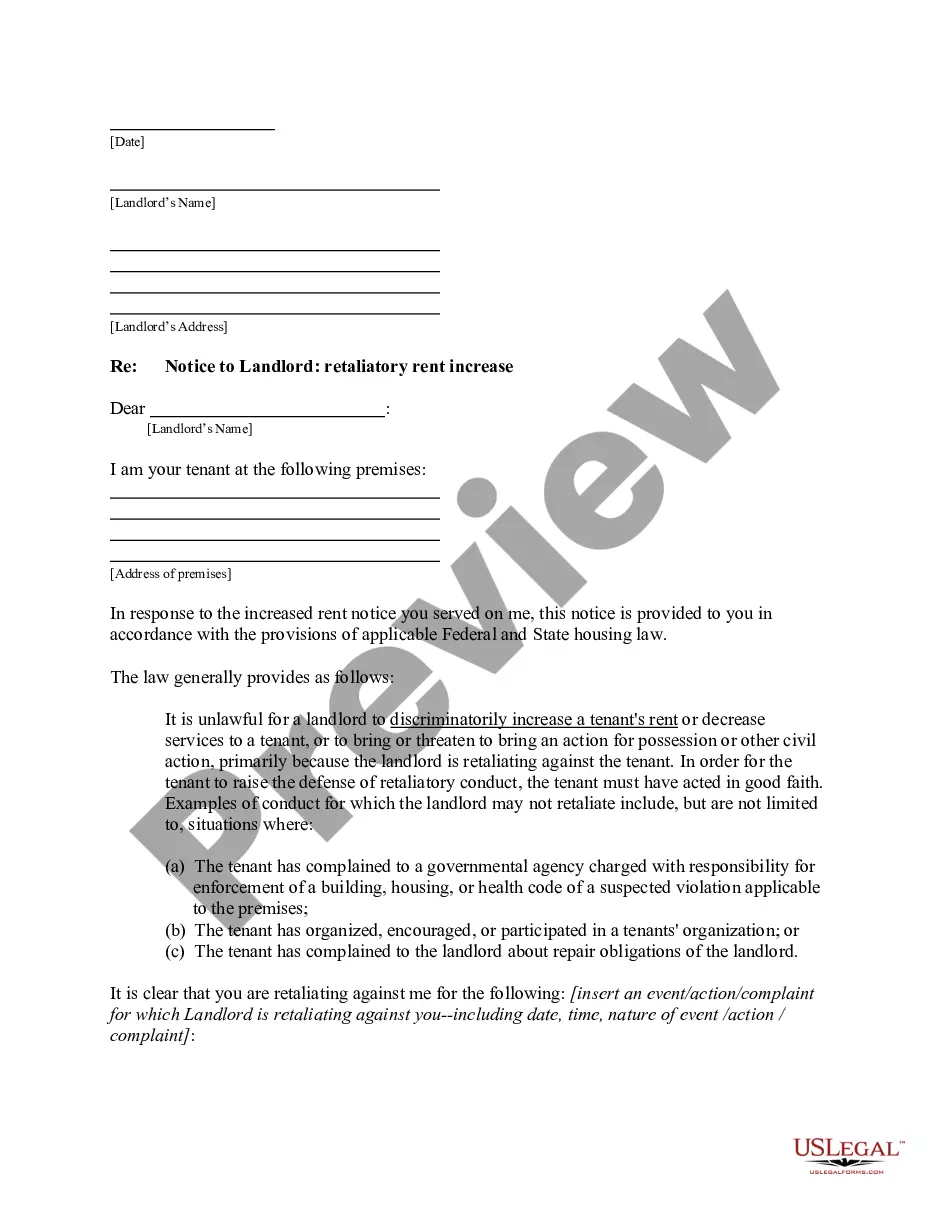
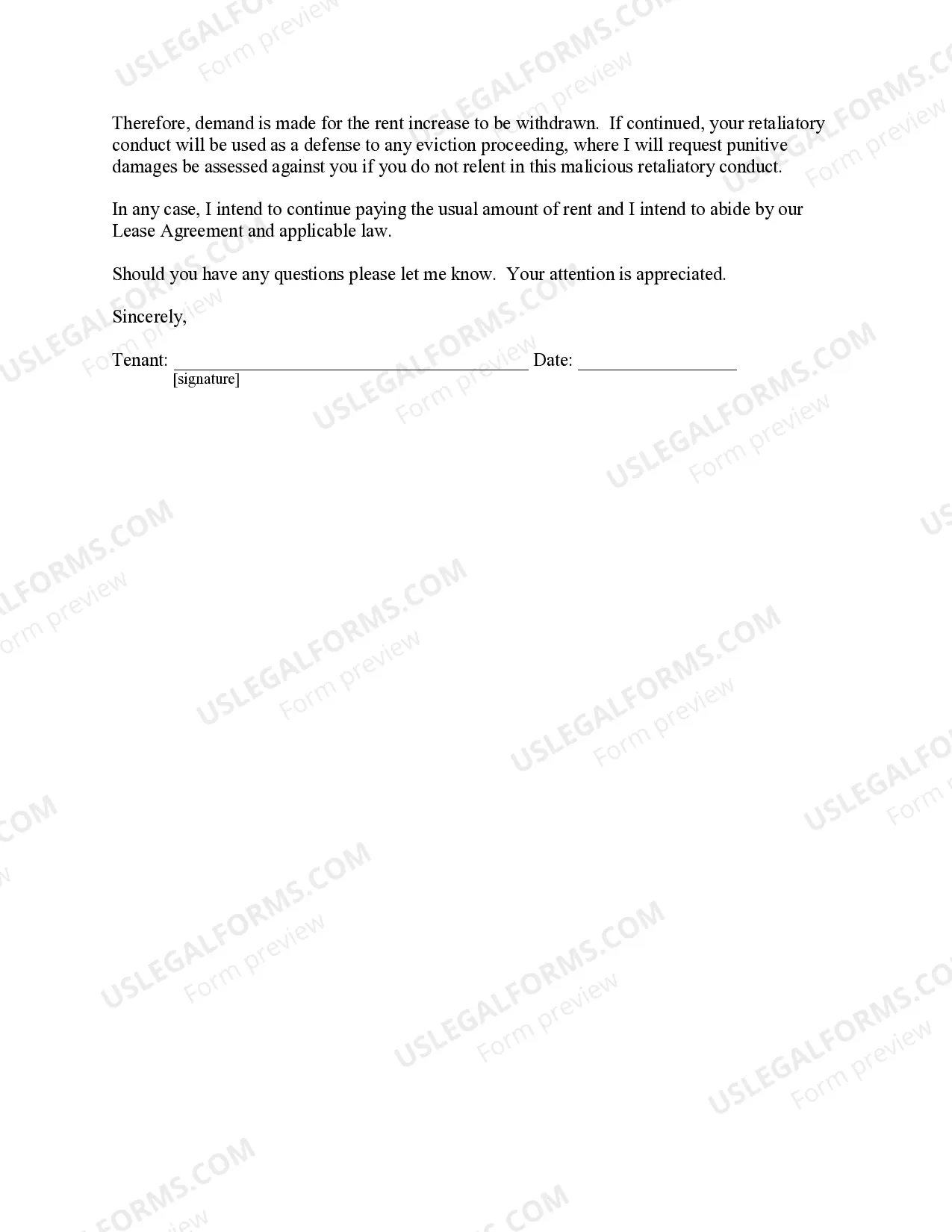
How to fill out Colorado Letter From Tenant To Landlord Containing Notice To Landlord To Withdraw Retaliatory Rent Increase?
- Log in to your US Legal Forms account or create a new one if you’re a first-time user.
- Browse the extensive library of over 85,000 legal forms. Use the search function to locate the rent increase notice template specific to your jurisdiction.
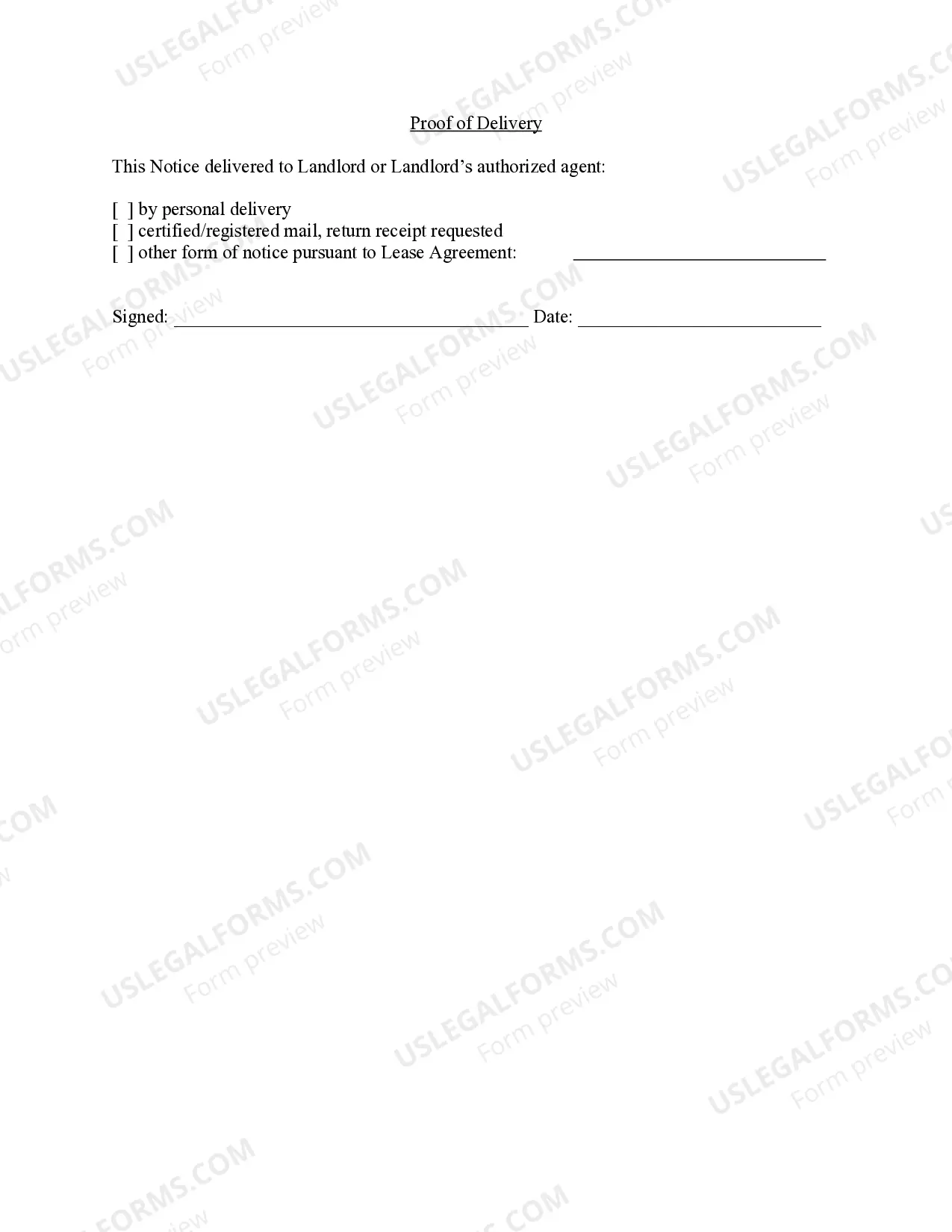
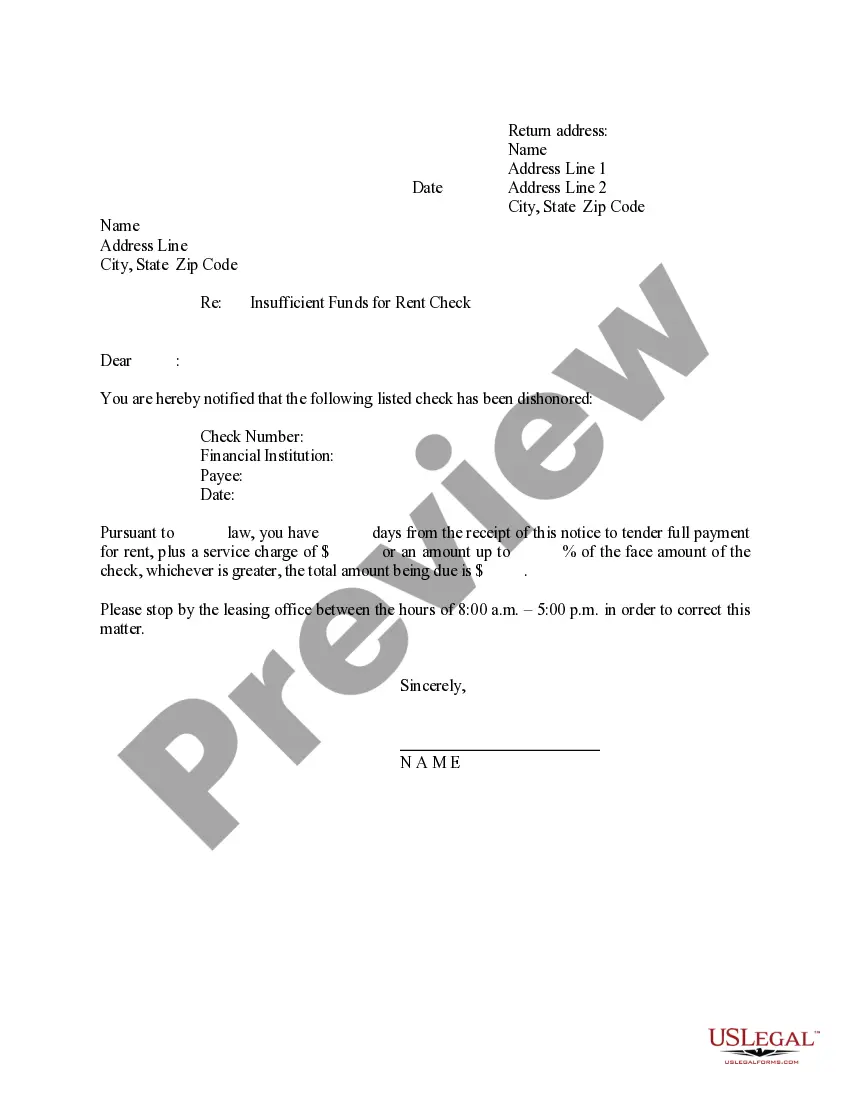
- Preview the selected template to ensure it meets your legal needs and is customized for your state’s requirements.
- Purchase the document by clicking on the Buy Now button and select a subscription plan that fits your needs. Please register for an account to gain access to the legal resource library.
- Complete your payment using a credit card or PayPal account.
- Download the completed form directly to your device and save it for future reference in the My Forms section of your profile.
Once you’ve completed these steps, you can confidently serve the notice to your tenant. US Legal Forms simplifies the process while ensuring you adhere to local laws.
For a hassle-free experience in managing rental agreements, choose US Legal Forms today. Start your journey to clear and compliant communication with your tenants now!
Form popularity
FAQ
The maximum increase a landlord can impose usually depends on state laws and any existing lease agreements. It is crucial for landlords to issue a clear Notice rent increase with the tenant to communicate any changes. In states with rent control, the increase may be strictly regulated, limiting landlords to a specific percentage. Familiarizing yourself with local guidelines will help avoid legal complications and ensure transparency.
In California, a landlord may raise rent more than 10% under certain conditions, primarily if the property is not subject to rent control. However, any increase must be stated in a Notice rent increase with the tenant and must comply with California’s state laws. Under the Tenant Protection Act, increases are capped at 5% plus the local rate of inflation, or 10%, whichever is lower, ensuring tenants are not overwhelmed. Always review specific local regulations for precise guidance.
The amount a landlord can raise rent varies by jurisdiction. Many states stipulate how much notice a landlord must provide in a Notice rent increase with the tenant. In places without rent control, landlords may have more flexibility, but they still must adhere to reasonable increases and proper notification. Researching your local laws ensures you remain compliant and informed.
In the United States, the maximum a landlord can increase rent depends on state and local laws. Generally, landlords must give a Notice rent increase with the tenant that specifies the new amount and complies with applicable regulations. It is essential to check your state's guidelines, as some areas have rent control laws that limit the percentage of rent increase. Always consult local laws to understand your specific situation.
When discussing a rent increase with a tenant, be honest and direct. Clearly state the new rent amount, alongside the reasons for the increase. By offering a thoughtful Notice rent increase with the tenant, you can help your tenant feel informed and respected during the process.
When approaching your landlord about a rent increase, prepare for a calm and constructive conversation. Come equipped with information on comparable rents in the area and express any concerns you have. It’s essential to maintain a positive tone and focus on open communication regarding your Notice rent increase with the tenant.
When explaining a rent increase to a tenant, your sample letter should provide a detailed rationale for the increase. Include specifics like market trends, your expenses, and any upgrades to the property. This contributes to a clear Notice rent increase with the tenant, which can help your tenant understand the reasoning behind the change.
To write a rent increase letter, start by addressing your tenant respectfully and stating the purpose of the letter. Clearly explain the new rental amount, the effective date, and any justifications for the increase, such as rising property costs or improvements made. Ensure you include a Notice rent increase with the tenant to help maintain transparency.
The best letter for a rent increase is clear, professional, and follows proper formatting. It should include specific details like the current rent, the new proposed rent, and the effective date of the increase. Additionally, it’s vital to communicate this Notice rent increase with the tenant well in advance, adhering to local laws and regulations.
The maximum rent increase often depends on local laws, which can vary widely. Always check your specific jurisdiction, as many areas implement caps on yearly increases. To ensure compliance and clear communication, a landlord should issue a proper notice rent increase with the tenant, outlining the change in detail.